
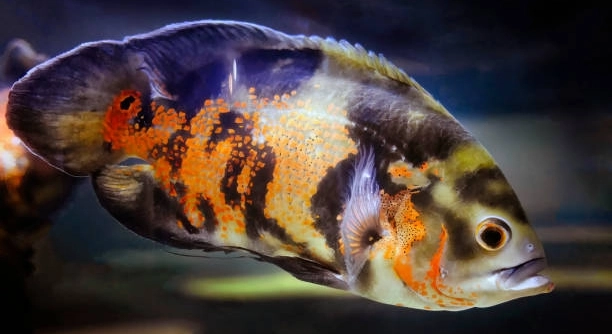
Oscar fish are known for their large size and unique personalities. As a pet, they can be fascinating to watch and interact with, but many owners wonder how much interaction these fish actually enjoy. Understanding their behavior can enhance the bond between you and your fish.
Oscar fish generally tolerate and may even seek interaction with people, though they are not as affectionate as some other pets. They are curious and will often approach their owners, showing interest, but they are not typically social creatures.
Their interactions with humans depend on various factors like their environment and temperament. Understanding how to engage with your Oscar fish appropriately can help create a more positive experience for both of you.
Understanding the Oscar Fish Personality
Oscar fish are known for their strong personalities and can show distinct behaviors in different environments. While they are often considered aggressive, they can also become accustomed to their owners. Their intelligence is apparent in the way they learn and respond to their surroundings, which includes recognizing people. Over time, some Oscar fish may even learn to recognize their owners’ movements and approach the tank when they see them.
Although they are not as affectionate as some other pets, Oscars tend to be more interactive than many other types of fish. They may swim near the tank’s glass or follow your finger, indicating that they are intrigued or seeking attention. In their natural habitats, Oscar fish are solitary, but in an aquarium, they may develop a sense of attachment to their caretakers. However, this attachment is more based on familiarity than affection.
It’s important to remember that Oscar fish have specific needs for stimulation and space. When you engage with them, it’s best to avoid startling them and to offer appropriate enrichment. They thrive in environments where they can feel secure and entertained, so interaction should be gentle and respectful of their space.
How to Engage with Your Oscar Fish
When trying to interact with your Oscar, it’s essential to consider the setup of the tank.
Oscar fish are very responsive to the environment around them. A well-maintained tank with enough space and hiding spots will help them feel comfortable enough to interact with you. Regular feeding and observation are great ways to build trust with your fish.
Signs Your Oscar Fish Enjoys Interaction
Oscar fish are curious and intelligent, and they show their interest in various ways. If your Oscar follows your finger or swims near the glass when you approach the tank, it’s likely engaging with you. They may even respond to certain sounds or actions, like feeding time or a specific routine.
Another sign that your Oscar enjoys interaction is if it actively approaches the front of the tank when you’re near. This indicates curiosity and comfort. However, each fish is different, and some may prefer more space and less contact. It’s important to observe their behavior and gauge their comfort level.
Consistent interactions, like speaking near the tank or gently tapping on the glass, may encourage your Oscar to respond more. Over time, they may become more familiar with your routine and may even wait for you near the tank’s glass, showing recognition. Just be mindful not to make sudden movements that might startle them.
Why Some Oscar Fish May Avoid Interaction
Oscar fish may avoid interaction if they feel threatened or stressed.
Oscars are solitary by nature, and in some cases, they may simply not be comfortable with too much attention. Factors such as water quality, tank size, and stress from other tank mates can all contribute to this. If your Oscar hides or swims away when you approach the tank, it might need some space or time to adjust to its environment. Over time, as they become more accustomed to their surroundings, they might become more open to interaction. Patience is key.
How to Build Trust with Your Oscar Fish
Building trust with your Oscar fish takes time and patience. Regular feeding at the same times each day helps establish a routine, which can make them feel more secure. Additionally, avoiding sudden movements or loud noises near the tank allows them to adjust to your presence.
Observing your Oscar fish closely helps you understand their behavior better. If they seem nervous or skittish, try sitting quietly near the tank without making direct eye contact. This way, they may start associating you with safety rather than a potential threat. Over time, they might begin to approach the glass and interact more confidently.
Consistency is key. If you continue to respect their space while showing them kindness, your Oscar will likely become more comfortable and engaged. Keep interactions calm and gradual, and they’ll likely begin to seek you out. Patience during this process will allow your bond to develop naturally.
Common Mistakes to Avoid with Oscar Fish
One common mistake with Oscar fish is overfeeding, which can lead to poor water quality.
Feeding your Oscar too much may cause excess waste, making the water dirty faster. This can stress your fish and prevent them from interacting. Keep feeding portions appropriate for their size and ensure the tank is properly filtered to maintain water quality. Regular maintenance helps reduce stress and keeps your fish healthy.
FAQ
Do Oscar fish recognize their owners?
Oscar fish are capable of recognizing their owners, especially when they see them regularly. They can associate your presence with feeding times and routine interactions. Over time, they may start to swim to the front of the tank when you approach, showing that they recognize you. However, they don’t form bonds the same way dogs or cats do. Their recognition is more based on familiarity and routine rather than emotional attachment.
How can I tell if my Oscar fish is stressed?
Stress in Oscar fish is often shown through changes in behavior. If your Oscar becomes overly aggressive, hides in corners, or shows a lack of interest in food, these can be signs of stress. Poor water quality, tank mates, and sudden changes in the environment can trigger this. It’s essential to monitor water parameters like temperature, pH, and ammonia levels regularly to avoid stressing your fish. If your Oscar exhibits rapid breathing or erratic swimming, it may be a sign that the stress level is high.
Can I pet my Oscar fish?
Oscar fish are not typically the type of pet that enjoys being physically touched. Their scales are delicate, and contact can cause them stress. Petting them could also introduce harmful bacteria into the water, which can impact their health. While Oscars may follow your finger or get close to the glass, it’s best to avoid touching them directly. Observing them from a distance is a great way to avoid causing stress or injury.
How often should I interact with my Oscar fish?
It’s important to interact with your Oscar fish regularly, but not excessively. A few minutes a day for feeding, watching, or gentle interaction is usually enough. Over time, they may get used to your presence, and this routine can help build a connection. Keep interactions calm and natural, allowing your Oscar to come to you when they feel comfortable. Too much handling or constant attention may cause stress, so balance is key.
Why is my Oscar fish swimming at the top of the tank?
If your Oscar fish is swimming at the top of the tank, it could be a sign of a few things. It might be looking for food, or it could be struggling with oxygen levels in the water. If the fish is swimming at the top frequently or rapidly, it could also indicate that the water temperature is too high or the oxygen supply is insufficient. Make sure your tank is properly aerated and check that the temperature is in the correct range for your Oscar’s species.
How long do Oscar fish live?
Oscar fish typically live between 10 to 15 years in a well-maintained tank. However, their lifespan can be shorter or longer depending on factors like water quality, tank size, diet, and overall care. Proper feeding, maintaining a clean tank, and ensuring they have plenty of space will help them live a long, healthy life. Some Oscars have been known to live even longer with excellent care.
Can I keep multiple Oscar fish together?
Oscar fish are territorial and can be quite aggressive, especially when kept in small spaces. While it’s possible to keep multiple Oscars together, they require a large tank (at least 100 gallons or more) to minimize aggression. Even with enough space, they may fight, so it’s important to monitor their behavior closely. Some owners choose to keep Oscars alone in their tank to reduce stress and potential conflicts. If you do want multiple Oscars, consider adding them to the tank at the same time to avoid territorial disputes.
What size tank does an Oscar fish need?
Oscar fish grow quite large and need a spacious tank to thrive. A 75-gallon tank is the minimum recommended size for one adult Oscar. However, a larger tank of 100 gallons or more is better for an adult Oscar, especially if you plan on keeping them with other fish. Oscars are active swimmers and need room to move freely. A larger tank also helps maintain water quality, which is crucial for their health.
Why is my Oscar fish turning pale?
If your Oscar fish is turning pale, it could be a sign of stress, illness, or poor water conditions. Check the water quality, particularly ammonia, nitrite, and nitrate levels, as these can significantly impact the health of your fish. Illnesses such as parasites or bacterial infections can also cause color loss. If the problem persists, consider isolating the fish in a quarantine tank and seeking advice from a veterinarian who specializes in fish care.
How do I stop Oscar fish aggression?
Oscar fish are naturally aggressive, but there are ways to manage this behavior. First, ensure that your tank is large enough to give your Oscar plenty of space. Overcrowding or keeping them in too small of a tank can increase aggression. Avoid keeping them with smaller or more timid fish, as Oscars may see them as prey. Providing hiding spots, plants, and decorations can also reduce territorial behavior. If aggression continues, consider removing other fish or providing more distractions for your Oscar.
Do Oscar fish need a filter?
Yes, Oscar fish need a filter to maintain clean water. They produce a lot of waste, and without proper filtration, the tank water can become polluted, leading to poor water quality and stressing the fish. A high-quality filter is necessary to maintain healthy water parameters. Make sure the filter is large enough for the size of the tank and regularly clean it to ensure efficient operation.
Final Thoughts
Oscar fish are fascinating creatures that can offer a unique experience for aquarium owners. While they are not known for being particularly affectionate like dogs or cats, they do have the ability to recognize their owners. Over time, they may become familiar with their routine and may even show curiosity by swimming near the tank’s glass when you approach. However, it’s important to understand that Oscars have specific needs and may not enjoy constant attention or direct physical interaction. Their personalities can vary, so some may be more interactive than others.
To keep your Oscar fish healthy and happy, creating the right environment is essential. They need a spacious tank with clean water and proper filtration, as they can be quite messy. Regular maintenance, such as checking water quality and maintaining the right temperature, will help ensure they stay healthy. Oscars thrive in tanks that mimic their natural habitats, so adding hiding spots, plants, and decorations can also make them feel more comfortable. By providing the right setup, your Oscar can live a long and healthy life while still interacting with you in their own way.
Lastly, patience is key when it comes to building a relationship with your Oscar fish. While they may not form bonds the way more affectionate pets do, they can still become accustomed to you and your presence. It’s important to respect their space and not force interaction, as this can cause stress. With a little understanding and a consistent routine, you can create a comfortable environment where your Oscar can feel safe and possibly even engage with you in its own way. Each fish is different, so observing their behavior and adjusting your approach will help ensure a positive experience for both of you.

Hello,
If you enjoy the content that we create, please consider saying a "Thank You!" by leaving a tip.
Every little bit helps us continue crafting quality advice that supports the health, happiness, and well-being of pets around the world, for pets of all shapes, sizes, and species.
We really appreciate the kindness and support that you show us!