
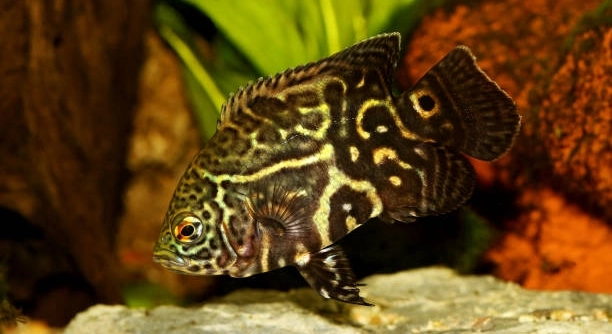
Oscar fish are popular aquarium pets known for their intelligence and unique behaviors. They are often observed interacting with their owners and their environment. Many wonder if repetition can help them learn specific tasks or behaviors.
Oscar fish do learn from repetition. Repeated exposure to certain stimuli or actions can lead them to associate specific events with outcomes, such as feeding time or interaction with their owner. This process reflects their ability to adapt to patterns.
By understanding how Oscar fish respond to repetition, you’ll gain insight into their cognitive abilities. This knowledge can enhance their care and make their behaviors easier to predict.
How Oscar Fish Recognize Repetition
Oscar fish are known to have sharp memories, allowing them to recognize patterns and routines in their environment. When you consistently perform certain actions—like feeding them at the same time or using the same movements to interact with them—they begin to understand these behaviors. The more often you repeat these actions, the stronger the association becomes in their minds.
Their brains work similarly to other animals, where they build connections between specific actions and their outcomes. This could mean an Oscar fish expects food when it sees you approach with the feeding tool, or it might swim near you when it wants attention. They don’t have complex reasoning like humans, but they rely on repetition to form habits.
By observing your Oscar fish, you can teach them simple routines. The more consistent you are with your actions, the more they will learn to respond predictably. It’s a simple yet effective way to bond with your fish while enhancing their environment.
The Impact of Consistency
Consistency is key in helping your Oscar fish learn. When actions are repeated regularly, they become ingrained in the fish’s behavior.
Oscar fish can also be trained to perform basic tricks or respond to signals. With patience and consistent repetition, they begin to recognize certain cues and react in specific ways. This can be done with feeding routines or even hand gestures.
How Repetition Affects Oscar Fish Behavior
Oscar fish quickly associate certain actions with specific results. This allows them to respond to their owners in predictable ways. By repeating feeding times or interacting the same way daily, they learn to expect certain outcomes.
Over time, the fish become more confident in their ability to predict what happens next. They’ll start to act accordingly—swimming to the surface at feeding time or moving toward the glass when you approach. This learning process helps reduce stress and fosters a sense of routine. The more consistent you are, the easier it becomes for the fish to understand their surroundings.
This connection between repetition and behavior not only makes your Oscar fish more predictable but also helps you bond with them. They start to see you as part of their daily routine, which can lead to more interaction and less fear when you approach the tank.
Using Repetition to Train Oscar Fish
Repetition can be used as a training method to encourage certain behaviors in Oscar fish. By following the same pattern repeatedly, they can learn to respond to specific signals.
For example, if you tap the side of the tank before feeding them, they will begin to associate that sound with the arrival of food. This makes feeding time more efficient and can even reduce the fish’s stress during feeding. The more you repeat the action, the stronger the association becomes.
As Oscar fish are exposed to similar stimuli over time, they are more likely to recognize and react to them in the future. This learning process is gradual, but with consistency, it leads to clearer communication between you and your fish.
Signs Your Oscar Fish Is Learning from Repetition
When Oscar fish start to recognize patterns, you’ll see clear signs in their behavior. They may swim towards you when it’s feeding time or react predictably when you enter the room. These behaviors show they’re connecting repetition to expectations.
As you maintain a consistent routine, the fish begin to expect certain actions from you. For example, if you feed them at the same time each day, they might start swimming near the top of the tank at that time. It shows they’ve learned to associate you with food or other events.
Over time, these learned behaviors make it easier to manage their care. They become less skittish and more comfortable in their environment, knowing what to expect from you.
Can Oscar Fish Learn New Tricks?
Oscar fish can be taught simple tricks through repetition. However, they’re not as easily trainable as some other species. Basic behaviors like swimming to a specific spot or reacting to a hand movement can be encouraged.
While they might not perform complex tricks, consistent training sessions with food rewards can help guide them to perform basic actions. Over time, they’ll begin to recognize cues and respond accordingly. But this process requires patience and consistent effort, as Oscar fish learn best through repetition, not forced actions.
Creating a Repetitive Routine for Your Oscar Fish
Setting up a consistent routine for your Oscar fish is crucial for their well-being. Start by feeding them at the same time each day, using the same movements and sounds. This helps them feel secure and less anxious.
Routines also play a role in their overall behavior. By associating specific actions with rewards, your fish will learn faster and respond more predictably. Regularly changing up the routine may confuse them, so it’s best to stick with what works.
FAQ
Can Oscar fish recognize their owners?
Yes, Oscar fish can recognize their owners, especially if you interact with them regularly. Through repetition, they associate your presence with food, attention, or other activities. Over time, they learn to identify you based on sight, sound, and even scent. While they may not form deep emotional bonds like pets such as dogs or cats, they can develop a routine and expect you to be part of it. This recognition can lead to more predictable behavior, like swimming to the surface when they see you approach.
How long does it take for Oscar fish to learn?
The time it takes for Oscar fish to learn depends on the behavior you want to teach and the consistency of your actions. Simple behaviors like recognizing feeding times may take a few days to a week of consistent repetition. More complex actions, such as responding to specific cues or signals, could take several weeks of regular training. The key is consistency—if you keep doing the same thing in the same way, your fish will start to associate those actions with outcomes, like food or attention. Patience is important, as fish learn at their own pace.
Do Oscar fish have a good memory?
Yes, Oscar fish have a fairly good memory. They are capable of remembering specific events and routines, especially if they are reinforced by repetition. They can remember feeding times, the person who feeds them, and even interactions like tapping on the glass. Their memory helps them predict what will happen next, reducing stress and improving their ability to respond to you. However, their memory may not last as long as humans, and they may forget certain events if they aren’t reinforced with regular repetition.
Can I train my Oscar fish to do tricks?
Yes, you can train your Oscar fish to do basic tricks, such as swimming through hoops or following your finger. The training process relies on repetition and positive reinforcement. Each time your fish performs the desired behavior, reward it with food. Over time, they will begin to associate the action with the reward, and it will become a learned behavior. However, Oscar fish are not as trainable as some other species, so the tricks you teach them will be basic, and the process may take longer. Consistency and patience are key.
Why does my Oscar fish follow me around the tank?
Oscar fish often follow their owners around the tank because they associate you with food or attention. They learn over time that when they see you, something positive is about to happen, such as feeding or interaction. This behavior is a result of repetition and conditioning. If you feed them at the same time each day or interact with them regularly, they will start to expect your presence and follow you. It can also be a sign of curiosity or bonding, as they learn to recognize you as a part of their daily routine.
Do Oscar fish need mental stimulation?
Yes, Oscar fish benefit from mental stimulation. Just like any pet, they can become bored or stressed if they’re kept in an environment without variety. Providing different objects to interact with, like plants or decorations, can help keep their minds engaged. Repetitive activities like feeding routines or simple training can also provide stimulation. By varying the way you interact with your fish, you encourage them to stay mentally active and avoid frustration or lethargy. It’s important to make their environment dynamic, allowing them to explore and learn new patterns.
How can I improve my Oscar fish’s learning experience?
To improve your Oscar fish’s learning experience, ensure that you provide a stable and consistent environment. Stick to regular feeding times and use repetition to establish clear routines. You can also introduce simple training techniques, such as rewarding them for following a finger or swimming through a designated area. Avoid sudden changes in their environment, as this can cause stress and slow down the learning process. Create an environment with objects and activities that challenge them mentally, like moving decorations or varying the placement of feeding areas. Patience and consistency are essential for success.
Can Oscar fish recognize sounds or voices?
Oscar fish can recognize sounds, especially those associated with feeding time. They can learn to associate specific noises, like the sound of a feeding spoon or the tapping of the tank glass, with food. They may also become familiar with your voice, especially if you speak to them regularly. While they don’t have the same hearing ability as mammals, they are sensitive to vibrations and sounds in the water. Over time, they may react when they hear certain sounds, like swimming towards the surface when they recognize the sound of you feeding them.
Final Thoughts
Oscar fish are intelligent creatures capable of learning through repetition. With patience and consistency, they can recognize certain patterns in their environment, such as feeding times or interactions with their owners. This ability to learn makes them more predictable and easier to care for. By sticking to a regular routine and interacting with your fish in the same way each time, you help them build a sense of familiarity and trust. The more consistent your actions are, the quicker they will catch on to the behaviors you want to reinforce.
While Oscar fish may not have the same level of trainability as some other animals, they can still learn simple behaviors, especially when rewarded with food. Training them to follow basic cues or respond to certain signals is a gradual process that takes time. However, with the right approach, your Oscar fish will start to recognize these cues and learn to respond accordingly. Their ability to remember specific actions and outcomes shows that they are more aware of their surroundings than we might realize. Over time, this strengthens the bond between you and your fish.
In the end, the key to successfully working with Oscar fish lies in understanding their need for repetition and routine. Just like any pet, they thrive in an environment where they feel secure and can predict what will happen next. Whether you’re training them to do tricks, improving their daily routine, or simply interacting with them more predictably, your Oscar fish will respond positively to consistency. By giving them a stable and enriching environment, you ensure they remain healthy, happy, and engaged in their aquatic life.

Hello,
If you enjoy the content that we create, please consider saying a "Thank You!" by leaving a tip.
Every little bit helps us continue crafting quality advice that supports the health, happiness, and well-being of pets around the world, for pets of all shapes, sizes, and species.
We really appreciate the kindness and support that you show us!