
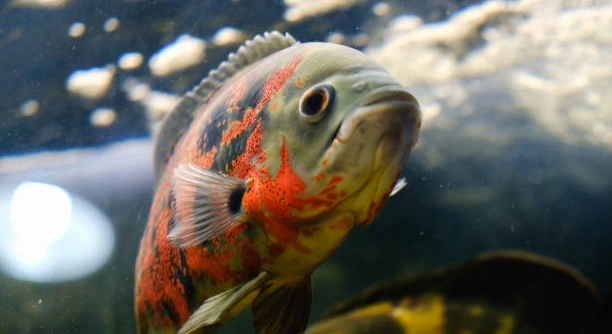
Oscar fish are popular aquarium pets known for their intelligence and unique personalities. They are often moved between tanks due to various reasons, including upgrades or cleaning. But do these changes affect them in any way?
Changing rooms can cause stress for Oscar fish. Fish are territorial creatures, and moving them to a new environment disrupts their sense of security. This stress can lead to behavior changes or health problems, especially if the transition is sudden.
A better understanding of how room changes affect your Oscar fish can help improve their well-being. Learning the right way to manage this process ensures a smooth transition for them.
How Oscar Fish React to Room Changes
Oscar fish can be sensitive to their environment, and moving them to a new room can cause noticeable stress. This fish species is known for its territorial nature and relies on familiarity in their surroundings. When placed in a new space, the sudden change can unsettle them. The aquarium setup might look different, the lighting may vary, or even the sound of the room can be disturbing. Any of these factors can contribute to stress. Over time, you may notice signs like hiding, aggressive behavior, or a decrease in appetite.
While some Oscars might adjust quicker than others, it’s important to understand that every move could impact them. They may need time to adapt to their new surroundings, and this is something owners should consider. Providing a stable environment is key for their well-being.
Keeping their aquarium setup as consistent as possible during a move will help minimize stress. Avoid making drastic changes to water temperature, filter system, or lighting when you move them. A familiar space allows the Oscar to regain confidence and adapt quicker.
Signs of Stress in Oscar Fish
There are various signs that show your Oscar fish may be stressed after a room change. Look out for unusual behavior such as hiding or swimming erratically.
When an Oscar fish experiences stress, it may stop eating, become more aggressive, or constantly hide. It may also develop faded colors or display erratic swimming patterns. If this behavior persists, it’s important to check the water parameters and the overall tank setup. Stress can weaken their immune system, making them more susceptible to illness. Providing a calming environment can make all the difference. Maintaining a stable temperature and lighting is essential. Keep the tank decorations similar, and avoid loud noises or disturbances in the new room. This can significantly improve the Oscar’s comfort and help them recover faster.
How to Minimize Stress During Room Changes
One of the best ways to reduce stress during a room change is to keep things as familiar as possible. Small, steady adjustments help the Oscar fish feel safe.
Try to keep the same water temperature, filter system, and decorations in the new setup. If possible, move the tank slowly and avoid sudden, drastic changes. If you’re upgrading the tank, try to replicate the old tank’s conditions as closely as you can. This can include the same type of gravel or plants to maintain some consistency. When making the move, take care not to rush the process and keep noise to a minimum.
Allow your Oscar fish to get used to their new surroundings gradually. The goal is to create an environment where they feel secure, so they can adjust comfortably without added stress. Avoid placing the tank in a busy or noisy area, as this could further upset the fish.
Creating the Right Environment for Your Oscar Fish
Setting up a suitable environment is key to reducing stress in Oscar fish. Pay attention to lighting, temperature, and even room placement.
Ensure the water temperature is stable and falls within the optimal range for your Oscar fish. A consistent 75–80°F (24–27°C) is ideal. Avoid placing the tank near windows or direct sunlight, as fluctuations in temperature can cause discomfort. A reliable aquarium heater and thermometer can help maintain this stability. Additionally, Oscar fish thrive in moderate lighting. Avoid bright, flickering lights, as they may feel threatening or overly stimulating. A peaceful room setup, where noise and movement are minimal, can go a long way in promoting calmness and security for your Oscar fish.
The Importance of Tank Maintenance After a Move
Once the tank is moved, regular maintenance becomes even more crucial. Keeping the water quality stable helps reduce stress.
Check water parameters regularly, especially after the move. Test the pH, ammonia, nitrites, and nitrates, ensuring they stay within safe levels. Clean the tank and replace the water as needed. Good water quality can help the fish feel more comfortable and reduce stress.
Monitoring Your Oscar’s Behavior
After a move, monitor your Oscar fish for any signs of distress. It’s important to stay aware of how they react.
Watch for changes in behavior like reduced activity, lack of eating, or signs of aggression. These could indicate stress or discomfort. If the behavior persists for several days, it might be helpful to reassess the tank setup and surroundings. Adjusting the environment could help your Oscar feel more at ease.
FAQ
Do Oscar fish get stressed easily when moved to a new tank?
Yes, Oscar fish are sensitive to changes in their environment. They are territorial and rely on familiarity for comfort. Moving them to a new tank, especially in a different room, can cause stress as they adjust to the new space. It’s important to minimize drastic changes, such as water temperature, tank decorations, and even light intensity, to help them feel more secure.
How long does it take for an Oscar fish to adjust to a new room?
The adjustment period varies depending on the fish. Some Oscars may adjust within a few days, while others may take weeks. The key is to be patient and maintain consistency in the tank’s environment. It’s also important to monitor their behavior during this time. If they continue to show signs of stress after a few weeks, it might be worth reassessing the tank setup.
What are the signs that my Oscar fish is stressed after a move?
Oscar fish show signs of stress through various behaviors. They might hide more than usual, swim erratically, or become more aggressive. Stress can also cause a loss of appetite, faded color, or excessive scratching against tank surfaces. Monitoring their behavior closely will help you spot these signs early and make necessary changes to reduce stress.
Can I make changes to the tank setup after moving my Oscar fish?
It’s best to avoid making major changes to the tank setup right after the move. Sudden changes can increase stress. If you do need to make adjustments, try to introduce them gradually. Changing the tank’s layout, moving decorations, or adjusting the water conditions all at once can overwhelm your fish. Always give them time to adapt to the new environment first.
How can I prevent Oscar fish from getting stressed when moving them?
The key to preventing stress is to make the transition as smooth as possible. Before moving the fish, try to replicate their current environment in the new room as closely as you can. Maintain the same water parameters (temperature, pH, etc.) and try to keep the same decorations and layout. Moving them slowly to the new tank or room is also helpful, as sudden movements or vibrations can upset the fish. Avoid loud noises, and place the tank in a calm, quiet space.
Should I worry about my Oscar fish eating less after a move?
It’s not uncommon for Oscar fish to eat less after a move due to the stress of adjusting to a new environment. If your Oscar fish isn’t eating for a few days, this is usually temporary and part of the adjustment process. However, if they continue to refuse food for an extended period (over a week), it may indicate more serious stress or health issues, and you should consider seeking advice from a vet specializing in fish.
Is it necessary to add any extra equipment to help reduce stress during a move?
Extra equipment like a tank cover or a low-stress environment can help your Oscar feel more secure during the move. Keeping the room dimly lit can help reduce the stress of bright, harsh lighting. Using a gentle filter and avoiding any sudden changes in water flow can also create a more stable environment. If the tank is being moved, it’s important to minimize the amount of movement during the transition.
Can I move my Oscar fish with other fish in the same tank?
It’s generally okay to move Oscars with other fish, but it depends on the species and the tank’s size. Oscar fish are known for being aggressive, especially in smaller tanks or when they are stressed. If you are moving other fish with the Oscar, make sure there is enough space for them to swim freely. Keep an eye on their behavior after the move to ensure that no aggression occurs.
Should I do anything different when moving a baby Oscar fish?
Baby Oscar fish are more vulnerable to stress than adults. When moving them, try to ensure that the new environment is as stable as possible. Use a smaller tank or separate the baby Oscars from other fish to avoid bullying. Make sure the water quality is maintained properly, as smaller fish are more sensitive to changes in temperature or water parameters.
What are the best water conditions for an Oscar fish after moving?
Oscar fish thrive in slightly acidic to neutral water, with a pH range of 6.5 to 7.5. The temperature should be kept between 75–80°F (24–27°C). After moving, check the water parameters more frequently to ensure they are consistent. Use a reliable heater to maintain the temperature and a filter to ensure clean water. Avoid adding any chemicals or treatments unless necessary, as this can stress the fish further.
Final Thoughts
Moving your Oscar fish to a new room or tank can be a stressful experience for them, but with careful planning, the transition can go smoothly. Oscars are sensitive to changes, especially in their environment. Because they are territorial and rely on a consistent setup, even small changes can disrupt their comfort. However, by maintaining stability in the water conditions, tank decorations, and lighting, you can help minimize the stress they feel. The key is to make the transition as gentle as possible, giving them time to adjust without overwhelming them with too many changes at once.
Patience is important during this time. Some Oscars may adapt quickly, while others might need a little more time to feel comfortable in their new space. It’s essential to watch for signs of stress, such as a lack of appetite, aggression, or changes in behavior. If these signs continue for more than a few days, it may be worth reassessing the situation and making adjustments. Keep monitoring the water quality, as changes in the tank setup or the move itself can affect the overall environment. Stable water conditions are crucial to helping your Oscar fish feel safe and reduce their stress.
Ultimately, the health and well-being of your Oscar fish depend on how well you manage their environment before, during, and after the move. Taking steps to minimize any disruption will help them settle into their new surroundings with ease. If you notice that your Oscar fish is still stressed after a period of time, consider consulting an expert or a veterinarian who specializes in aquatic animals. This will help ensure that your fish stays healthy and happy in their new home. Keeping things consistent and calm can go a long way in making the transition as smooth as possible.

Hello,
If you enjoy the content that we create, please consider saying a "Thank You!" by leaving a tip.
Every little bit helps us continue crafting quality advice that supports the health, happiness, and well-being of pets around the world, for pets of all shapes, sizes, and species.
We really appreciate the kindness and support that you show us!