
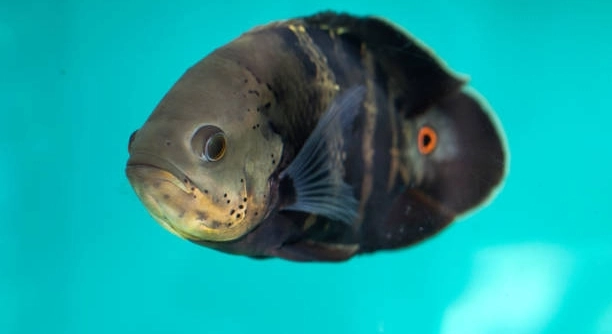
Oscar fish are known for their bold personalities and striking appearance. However, maintaining their environment can be tricky, especially when it comes to frequent tank changes. Understanding how these changes affect them is key to keeping them healthy.
Constant tank changes can be stressful for Oscar fish. These fish prefer stable conditions, and sudden changes in water parameters, such as temperature and pH, can lead to health problems or behavioral issues.
Understanding the needs of Oscar fish when it comes to tank maintenance will ensure their well-being. It’s important to keep their environment consistent and take proper care when making adjustments.
Why Stability Matters for Oscar Fish
Oscar fish are sensitive to changes in their environment. They thrive best in stable conditions where temperature, pH, and water cleanliness remain constant. If their tank undergoes frequent changes, it can lead to stress and discomfort. Stress in fish can result in poor health, such as reduced appetite, cloudy eyes, or even aggression. This is why it’s important to create a steady environment where they can feel safe and comfortable.
A consistent tank environment helps reduce stress and keeps your Oscar fish in good health. Regular changes in water parameters may affect their immune system, leaving them vulnerable to illness.
Keeping your Oscar’s tank conditions stable can prevent many problems. When setting up their tank, make sure the temperature and water conditions are suited to their needs. Avoid making drastic changes too frequently. Doing so can keep your Oscar fish healthy and active, allowing them to grow to their full potential.
Impact of Frequent Tank Changes
Frequent tank changes can disrupt the balance of your Oscar fish’s home.
Oscars prefer a stable environment, and when their water changes too often, it can upset their delicate system. They may react to this instability with stress, which in turn weakens their immune system. When their immune system is compromised, it becomes easier for diseases to develop. Regular water changes are important, but they should be done in moderation. A sudden drop or rise in temperature, or sudden changes in water chemistry, can be especially harmful.
The key to maintaining a healthy Oscar fish tank is gradual and planned water changes. Instead of doing large water changes often, aim for small, consistent adjustments. This way, the fish won’t be shocked by major fluctuations. Over time, your Oscar will get used to a predictable environment and will thrive. A stable environment leads to a happier, healthier fish, reducing the likelihood of health issues and behavioral problems.
How to Minimize Stress During Tank Maintenance
Minimizing stress during tank maintenance is important for your Oscar fish’s health.
Oscars are sensitive to sudden changes, so when performing maintenance, try to avoid drastic alterations. Clean the tank gradually, removing only a portion of debris or dirt at a time. Keep the water temperature and pH as stable as possible. When cleaning the filter or decorations, try not to disturb the fish too much. Moving objects around too often can confuse or stress them. Perform small tasks over several days rather than making big changes all at once.
Additionally, ensure that the water you’re adding is close in temperature to the tank water. Sudden drops or increases in temperature can shock the fish. Keeping the lights low during maintenance can also help reduce stress. Make sure that your Oscar fish has enough space to swim and feel secure. With careful planning, you can maintain a clean tank without overwhelming your fish.
How Often Should You Change the Water?
Water changes should be done regularly, but not too frequently.
For Oscar fish, water changes once a week are generally ideal. However, this depends on the tank size and filtration system. Smaller tanks require more frequent changes due to the limited space for waste to dilute. Larger tanks with good filtration systems may need less frequent changes. It’s important to monitor water quality regularly by checking the levels of ammonia, nitrites, and nitrates. If the levels are safe, you can stretch the time between water changes.
Too many changes can upset the balance of the tank. Changing all the water at once is not recommended. Instead, change about 25% of the water each week. This ensures that the water stays clean while not overwhelming your fish. If you notice changes in your Oscar’s behavior or health, it may be a sign that your maintenance routine needs adjustment.
The Right Filtration System for Your Oscar Fish
Choosing the right filtration system is crucial to maintaining water quality.
Oscars are messy eaters and produce a lot of waste, which can lead to poor water quality. A good filtration system can help remove debris and maintain a stable environment. Look for filters that are strong enough to handle the size of your tank.
A good filter should provide both mechanical and biological filtration. Mechanical filtration removes solid debris, while biological filtration helps break down harmful substances like ammonia. Make sure to clean the filter regularly to keep it working efficiently. A powerful filter will help ensure your Oscar fish stays healthy in a clean tank.
Temperature Considerations
Oscars prefer warm water to stay comfortable.
The water temperature should be kept between 74°F and 81°F (23°C to 27°C). If the temperature fluctuates too much, it can stress your Oscar and impact its health. Invest in a reliable aquarium heater and thermometer to keep the water at the right temperature.
Reducing Aggression in Oscar Fish
Aggression can sometimes be a problem with Oscar fish.
To reduce aggression, avoid overcrowding the tank. Oscars can become territorial, especially in smaller spaces. Provide plenty of hiding spots and decorations to help reduce territorial behavior. If keeping more than one Oscar, ensure the tank is large enough to give each fish space.
FAQ
Do Oscar fish like a lot of space?
Yes, Oscar fish require a lot of space due to their size and active nature. A tank that is at least 75 gallons is recommended for a single Oscar. If you plan on having more than one, the tank size should increase accordingly. Oscars are territorial and need enough room to swim freely and establish their own space.
How often should I feed my Oscar fish?
Feed your Oscar fish once or twice a day. Oscars are carnivorous and will eat a variety of foods, such as pellets, live or frozen fish, and worms. Make sure the food is appropriate for their size and avoid overfeeding, as excess food can pollute the water. Remove uneaten food after a few minutes to maintain water quality.
Can Oscars live with other fish?
Oscar fish can live with other fish, but caution is needed. They are aggressive and may attack smaller, slower fish. Suitable tank mates include other large, robust species like cichlids or catfish. Avoid keeping Oscars with smaller fish or slow swimmers, as they may get eaten or stressed.
How can I tell if my Oscar fish is stressed?
Signs of stress in Oscar fish include loss of appetite, rapid swimming, hiding, or unusual color fading. Stress can be caused by poor water quality, overcrowding, sudden changes in the tank, or aggression from tank mates. If you notice any of these signs, check the water parameters and adjust the tank environment.
Is it okay to keep an Oscar fish in a smaller tank when it’s young?
While it’s fine to keep an Oscar in a smaller tank when it’s young, it’s important to upgrade to a larger tank as the fish grows. Oscars can grow up to 18 inches long, and a smaller tank will quickly become overcrowded. A larger tank will provide enough space for the fish to thrive.
How can I help my Oscar fish recover from illness?
If your Oscar shows signs of illness, such as faded colors or unusual behavior, first check the water quality. Poor water conditions are often the cause of illness. If the water is fine, consider using medications available at pet stores or seek advice from a vet who specializes in fish. Keep the tank clean and maintain proper temperature and filtration.
Why is my Oscar fish hiding all the time?
If your Oscar is constantly hiding, it could be due to stress, illness, or poor water quality. Make sure the tank conditions are ideal and check for any signs of aggression from other fish. Adding hiding spots like plants or rocks can also give your Oscar a sense of security.
Can Oscars live with other Oscar fish?
While Oscars can live with other Oscars, it depends on the tank size and their personalities. In a small tank, two Oscars may become territorial and aggressive toward each other. A larger tank with plenty of space and hiding spots can help reduce aggression. Monitor their behavior to ensure they are getting along.
What kind of water conditions do Oscar fish need?
Oscar fish prefer water that is slightly acidic to neutral, with a pH of around 6.5 to 7.5. The water temperature should be between 74°F and 81°F (23°C to 27°C). Keep ammonia and nitrite levels at zero, while nitrate levels should stay below 40 ppm. Regular water testing is essential for maintaining the right conditions.
Do Oscar fish need a heater?
Yes, Oscar fish need a heater to maintain a stable water temperature. These fish are tropical and require warm water to stay healthy. A reliable heater and thermometer will help keep the water within the ideal range, preventing fluctuations that could stress your Oscar.
Why is my Oscar fish turning black?
Oscars may turn black or darken in color due to stress, poor water quality, or illness. It can also happen as part of their natural color change, especially when they are adjusting to new environments. Check the water conditions and ensure the tank environment is suitable. If the color change persists or is accompanied by other signs of illness, consult a vet.
How can I prevent my Oscar from becoming too aggressive?
To prevent aggression, make sure your Oscar has enough space in the tank. Overcrowding or a lack of hiding spots can increase stress and aggression. Avoid keeping small or slow-moving fish with your Oscar. Providing plenty of decorations and plants can help create territories and reduce conflict between fish.
What should I do if my Oscar is eating too much?
If your Oscar is overeating, it may lead to health problems like bloating or constipation. Feed your fish only as much as it can consume in a few minutes, and remove any leftover food. Overfeeding can also cause water pollution, so it’s important to maintain a proper feeding schedule.
Is it normal for Oscars to jump out of the tank?
Yes, Oscars can be jumpy, especially if they feel threatened or stressed. It’s a good idea to have a secure lid on your tank to prevent your Oscar from jumping out. Check the tank for areas where your fish might escape, and ensure the environment is comfortable to reduce the risk of jumping.
How long do Oscar fish live?
Oscar fish can live for 10 to 15 years with proper care. Ensuring a stable environment with appropriate water conditions, food, and tank mates will help extend your Oscar’s lifespan. Regular maintenance and monitoring will also reduce health risks and increase their chances of living a long, healthy life.
Final Thoughts
Oscar fish are fascinating creatures that require careful attention to their environment. While they can adapt to changes, they thrive best when their tank conditions remain stable. This is why frequent tank changes can be stressful for them. Stability in temperature, water quality, and tank layout is essential for keeping an Oscar fish happy and healthy. With a little planning, it’s possible to provide a comfortable space for these fish without causing them stress. By following proper maintenance routines and monitoring the tank regularly, you can ensure that your Oscar has the best chance at living a long, healthy life.
It’s important to understand the specific needs of Oscar fish. They are large, active fish that need plenty of space to swim and establish their territories. A tank that is too small or overcrowded can lead to stress and aggression. Providing hiding spots and decorations can help give them a sense of security, which can reduce territorial behavior. In addition to space, a good filtration system is necessary to maintain clean water, as Oscars are known to produce a lot of waste. Regular water changes, proper feeding, and consistent tank maintenance are all factors that contribute to an Oscar’s well-being.
Finally, understanding your Oscar’s behavior is key to identifying any potential issues. If your fish is displaying signs of stress or illness, it’s important to act quickly. Checking the water quality, ensuring the proper temperature, and making sure the tank conditions are right can help prevent many common problems. In cases of illness, seeking advice from an expert can ensure that your Oscar gets the care it needs. By staying on top of the tank’s conditions and monitoring your fish’s health, you’ll be able to enjoy your Oscar’s company for years to come.

Hello,
If you enjoy the content that we create, please consider saying a "Thank You!" by leaving a tip.
Every little bit helps us continue crafting quality advice that supports the health, happiness, and well-being of pets around the world, for pets of all shapes, sizes, and species.
We really appreciate the kindness and support that you show us!