
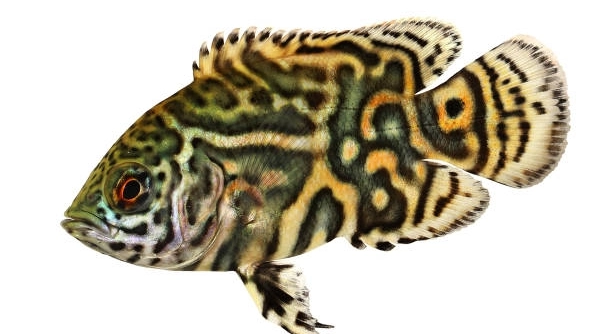
Have you ever noticed your Oscar fish acting a little strange after mealtime? Their sudden changes in behavior can be both fascinating and confusing for many aquarium owners trying to understand their pet’s habits.
Oscar fish often display increased activity and territorial behavior after feeding. This change is linked to their natural instincts, as feeding can heighten their energy levels and social interactions. These behaviors are common and typically not a cause for concern.
Understanding what happens after feeding can help you recognize patterns and provide better care for your Oscar fish at home.
Common Behaviors After Feeding
After a meal, Oscar fish often become more alert and active. You might notice them swimming rapidly or patrolling their tank more frequently. This behavior is usually a sign of increased energy, which is normal after eating. Oscars are intelligent and observant fish, so their surroundings often influence how they act. They may also become slightly more aggressive, especially if they sense other fish nearby or feel their space is being invaded. This is a natural instinct tied to their territorial nature. Sometimes, you’ll see them displaying dominance by flaring their gills or chasing other tank mates. These behaviors are usually short-lived and taper off once their energy levels even out. They may return to their usual pace, resting or calmly swimming across the tank. Recognizing these patterns can help you distinguish between normal activity and signs of stress or illness. This awareness supports a more stable and comfortable environment.
Most behavior changes happen within 10–30 minutes of feeding and then return to normal shortly after.
If you notice your Oscar flaring its gills or moving in short bursts, this is a typical sign of increased stimulation after eating. They are responding to both internal energy and external tank conditions.
When to Watch for Trouble
Sometimes, aggressive or erratic behavior doesn’t settle after a feeding session. If your Oscar remains unusually active or starts bumping into objects, this could signal discomfort. Long-term aggression toward tank mates or glass surfing may point to stress.
It’s helpful to observe closely during feeding times to spot patterns. While Oscars can show playful or dominant traits, excessive behavior that continues beyond 30 minutes might need attention. In some cases, poor water conditions or incompatible tank mates are contributing factors. You should also consider the portion size and type of food. Overfeeding can cause bloating, which may lead to visible discomfort. If your Oscar hides or floats awkwardly, digestive issues might be at play. Make sure your tank setup includes proper filtration and hiding spaces, so they feel secure. Monitoring feeding portions, spacing meals, and maintaining clean water go a long way in preventing post-feeding issues. A calm environment helps them settle after meals and reduces stress-related actions. Balanced feeding and proper tank management ensure your Oscar fish stay healthy and active.
Feeding Habits That Influence Behavior
Feeding time can trigger temporary behavioral changes. Oscars often become more active and competitive when they anticipate food. These habits are shaped by routine, food type, and how secure they feel in their tank environment.
Oscar fish prefer a consistent feeding schedule. They learn patterns quickly and often become restless or excited before meals. Flakes, pellets, or live food can influence behavior differently. For example, high-protein meals like live worms tend to energize them more than pellets. If food is scattered or dropped too quickly, Oscars may thrash or dart around, increasing the chance of aggression. Controlled, measured feeding helps limit this response. Sudden changes in feeding style can confuse or stress them. If feeding becomes unpredictable, you may see more pacing or glass tapping. Observing how they react to different foods helps tailor a routine that keeps them calm and well-regulated after eating.
Overfeeding is a common issue and often causes long-term behavioral shifts. Oscars that eat too much may become sluggish or irritable. This can lead to reduced activity, increased hiding, or sudden bursts of aggression due to discomfort. Feeding the right portion based on their size helps avoid these problems. Routine observation helps catch early signs of imbalance.
Environmental Triggers After Meals
After eating, Oscars may react to tank conditions more intensely. Poor water quality, bright lighting, or sudden noise can cause irritation. Their sensitivity increases with a full belly, making a stable environment even more important during and after meals.
Maintaining stable conditions helps reduce unnecessary stress. Sudden shifts in temperature or water chemistry can upset their digestive process, which may lead to erratic behavior. Oscars are territorial and need clear boundaries, especially after feeding. Adding too many tank mates or rearranging decor right after meals can make them feel insecure. It’s also helpful to limit loud movement near the tank, like slamming doors or tapping the glass. These minor stressors can become more pronounced after feeding. Creating a quiet, steady space gives them a better chance to settle down peacefully and resume normal behavior. A predictable routine with minimal disturbance supports both digestion and behavior regulation.
Signs of Overstimulation
If your Oscar swims quickly along the glass or frequently flares its gills after feeding, it could be overstimulated. These actions are often caused by excess energy or excitement from the feeding process, especially when food portions are too large.
Repeated chasing of tank mates or sudden hiding after a meal may also indicate overstimulation. These behaviors usually settle after 20–30 minutes. If not, it’s a sign that something in the feeding routine or tank setup needs adjusting to reduce stress and restore balance.
Ideal Conditions for Post-Feeding Calm
A calm environment after feeding helps Oscar fish return to their usual rhythm. Dim lighting and limited tank activity encourage relaxation. Make sure the filter is running properly, and that the water parameters are within a stable range. Avoid handling or making changes in the tank immediately after feeding. The presence of hiding spots also gives Oscars a place to rest and feel secure. Feeding smaller portions more frequently may also reduce sudden spikes in energy. Keep tank mates peaceful and avoid overcrowding, which can prevent unnecessary aggression and overstimulation after meals. These small adjustments can make a big difference.
Final Thought
Behavior changes after feeding are natural, but they should always return to normal within a short period of time.
FAQ
Why does my Oscar fish swim erratically after eating?
Oscar fish may swim erratically after eating due to increased energy levels. After a meal, they often become more active and restless, which is completely normal. The excitement comes from their natural feeding behavior. If the behavior doesn’t last long and calms down within a short time, it’s typically nothing to worry about. However, if the erratic swimming continues, it might indicate something else, like overstimulation or water quality issues.
Should I feed my Oscar fish only once a day?
Feeding your Oscar fish once a day is generally acceptable, especially for adult fish. They are carnivorous and require a high-protein diet, so one meal a day can be sufficient. However, if you find your Oscar is becoming overly aggressive or lethargic, you can try feeding them smaller meals twice a day. This might help regulate their energy levels and prevent them from getting too worked up. It’s important to not overfeed, as excessive food can lead to obesity and health issues.
How can I reduce aggression after feeding?
If your Oscar becomes aggressive after meals, reducing the amount of food per feeding can help. Oscars can get overly territorial and aggressive if they feel the need to defend their meal. You can also introduce tank mates that are less likely to provoke aggression or have larger spaces where your Oscar can retreat. Avoid placing new fish in the tank right after feeding, as this can trigger territorial behavior. Additionally, maintaining stable water conditions and providing hiding spots can help alleviate stress, which in turn reduces aggression.
Is it normal for my Oscar to hide after eating?
Yes, it’s completely normal for an Oscar to hide after eating, especially if they are feeling full or want to rest. Oscars, like many fish, need time to digest their food. Hiding provides them with a sense of security, particularly if they’ve consumed a large meal. If the hiding behavior lasts too long or your Oscar doesn’t come out, it could indicate that they are feeling unwell or stressed. You can monitor their behavior and water conditions to ensure everything is in check.
What kind of food should I feed my Oscar fish?
Oscar fish thrive on a high-protein diet. You can feed them pellets, flakes, or live food like worms, shrimp, and small fish. High-quality pellets specifically designed for carnivorous fish are a good option for maintaining balanced nutrition. Live food can stimulate natural hunting behavior, which is healthy for their physical and mental well-being. However, it’s essential to avoid overfeeding and make sure the food is appropriate in size and nutritional content for your Oscar’s age and size.
How can I tell if I’m overfeeding my Oscar?
Signs of overfeeding include sluggish behavior, excessive waste in the tank, or food leftover after feeding. Oscars that are overfed may become more lethargic or exhibit bloating. If you notice that your fish is frequently hiding or having trouble swimming, it could be a result of overfeeding. You can manage portions by feeding smaller amounts and observing how much they consume in a few minutes. It’s always better to underfeed slightly than overfeed. Regular water changes are also crucial to manage any excess waste in the tank.
Why does my Oscar fish chase other tank mates after eating?
Chasing other fish after meals is a typical display of territorial behavior. Oscars can become more assertive and protective of their space once they’re full. This aggression is natural, as they are trying to maintain dominance over their environment. If your Oscar frequently chases tank mates after feeding, consider providing more hiding spots or separating them during feeding times. You can also try adjusting the feeding schedule to minimize aggression by giving smaller portions more often.
Is it normal for my Oscar to change color after feeding?
It’s not uncommon for Oscar fish to slightly change color after feeding, especially if they are feeling stressed or excited. They may become darker or lighter depending on their mood and environment. However, if the color change is extreme or accompanied by other signs of distress, it might indicate an underlying issue, such as poor water quality or illness. Always check their environment and health to ensure your Oscar is comfortable.
How often should I change the water after feeding my Oscar?
It’s essential to perform regular water changes regardless of feeding time to maintain a healthy environment for your Oscar. After feeding, if you notice leftover food or waste accumulating, it’s a good idea to change the water more frequently. A 20-30% water change every 1-2 weeks is typically recommended for Oscars, but you should adjust the frequency depending on your tank size and filtration system. Keeping the water clean prevents harmful toxins from building up and ensures your fish stay healthy.
Can Oscars be fed frozen food?
Yes, Oscars can be fed frozen food, and it’s often a great option for variety. Frozen food like shrimp, bloodworms, and fish can provide essential nutrients and stimulate natural hunting behavior. However, it’s important to thaw the food before feeding and not overfeed. Always ensure that the frozen food is high quality and suitable for carnivorous fish like Oscars.
Final Thoughts
Understanding your Oscar fish’s behavior after feeding is important to ensuring their well-being. Oscars, like many other fish, may show different behaviors such as increased activity or hiding after eating. These responses are usually natural and linked to their feeding process. As predators, they can become more alert and energetic after a meal, and sometimes they may even exhibit territorial or aggressive behaviors. This is not necessarily a cause for concern unless the behaviors persist for an extended period or are accompanied by signs of stress or illness.
Maintaining a balanced feeding routine is key to managing these behaviors. Overfeeding can lead to aggression, lethargy, and other health issues, so it’s essential to find the right portion size for your Oscar. Smaller meals given more frequently might help reduce extreme post-feeding behavior, as it prevents your fish from becoming overwhelmed. Observing their reaction after meals will help you adjust the feeding schedule and portions. Additionally, ensuring your tank has enough hiding spots and a stable environment can help your Oscar feel safe and reduce stress, which in turn can minimize aggressive behaviors.
Lastly, while changes in behavior after feeding are typically normal, it’s always important to monitor your Oscar’s overall health. Keep an eye on their swimming patterns, appetite, and water quality. If you notice any significant changes that don’t seem to resolve on their own, it may be worth consulting with an aquarium specialist. The goal is to create an environment where your Oscar feels secure and healthy. With the right care and attention, you’ll be able to enjoy a happy and active fish for years to come.

Hello,
If you enjoy the content that we create, please consider saying a "Thank You!" by leaving a tip.
Every little bit helps us continue crafting quality advice that supports the health, happiness, and well-being of pets around the world, for pets of all shapes, sizes, and species.
We really appreciate the kindness and support that you show us!