
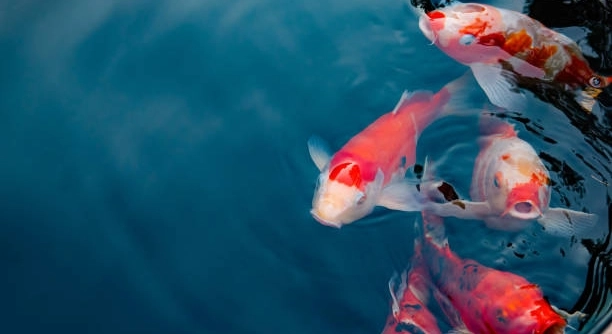
Koi fish are popular pond pets known for their beauty and calm nature. Many owners enjoy watching their graceful movements and vibrant colors. Understanding koi behavior helps ensure they thrive in their aquatic environment comfortably.
Koi fish do not require companions to live healthily, but they are social animals that benefit from the presence of other koi. Group living reduces stress, encourages natural behaviors, and promotes overall well-being within their habitat.
Learning about koi social habits can improve your pond setup and enhance the quality of life for your fish. This insight helps create a balanced environment where koi flourish naturally.
Social Behavior of Koi Fish
Koi fish are naturally social creatures that tend to live in groups in the wild. When kept alone, they may become stressed or inactive. In a group, koi display more active swimming and interaction, which is important for their mental health. Being around others helps koi feel secure and encourages natural behaviors like foraging and exploring. These fish communicate through body language, such as swimming patterns and fin movements. Without companions, koi might show signs of loneliness, including lethargy or reduced appetite. Adding a few koi to your pond can create a lively environment where fish engage with one another. However, it is important not to overcrowd the pond. A balanced group size maintains water quality and prevents territorial disputes. Proper care involves providing enough space and clean water, which contributes to healthy social dynamics. Understanding these needs helps koi thrive and maintain their vibrant appearance over time.
Koi show more natural and active behavior when kept with other koi in a properly sized pond.
Proper social settings reduce stress and improve the overall health of koi fish.
Choosing the Right Companions
Selecting companions for koi requires attention to size, temperament, and environmental needs. Koi thrive best with others of similar size to prevent bullying or accidental injury. Introducing koi of different species should be done cautiously since not all fish share the same water requirements or behaviors. Small, aggressive fish can cause stress, so compatible species must be chosen carefully. Common companions include goldfish, as they share similar care requirements and peaceful behavior. When introducing new fish, it’s important to quarantine them first to avoid spreading diseases. Gradual acclimation helps reduce shock and aggression. Keep in mind that koi can grow large, so pond space should accommodate their adult size. Maintaining clean, oxygen-rich water with proper filtration supports healthy interactions. Regular monitoring ensures the group remains balanced, preventing dominance or isolation among fish.
Adding compatible companions enhances koi’s social environment but requires careful selection and proper pond management.
Benefits of Companionship in Koi
Companionship has a positive impact on koi’s overall well-being. Social interaction reduces stress levels and prevents boredom, which can lead to health issues. Koi in groups tend to be more active, showing behaviors such as chasing, swimming together, and feeding competitively, which stimulates their minds and bodies. This stimulation supports better immune function and longevity. In contrast, isolated koi might become withdrawn or inactive, increasing vulnerability to disease. Additionally, companionship encourages koi to maintain a regular feeding schedule and stay alert to environmental changes. Group living also facilitates breeding behaviors during the appropriate seasons, which is valuable for those interested in koi propagation. While koi can survive alone, companionship contributes to a more natural and enriched life. Pond owners should consider social needs alongside other care factors to ensure a harmonious and healthy environment for their koi.
Providing companionship in a pond encourages natural behavior and supports the physical and mental health of koi fish.
Signs Koi Need Companions
Koi without companions often appear less active and can show signs of stress, such as hiding or reduced appetite. Observing changes in behavior is key to understanding their social needs and overall well-being in the pond.
When koi are isolated, they may become lethargic and less interested in their surroundings. They might swim slowly or remain in one spot for extended periods, showing little curiosity or engagement. This inactivity can lead to health problems, including weakened immune responses. In contrast, koi kept with others exhibit lively swimming patterns and interaction, which are indicators of mental stimulation and comfort. Monitoring koi behavior closely can help determine if additional companions are needed to improve their quality of life.
Physical signs like dull coloration or irregular breathing can also indicate loneliness or stress. Ensuring koi have company can reverse these symptoms, promoting healthier, more vibrant fish that behave naturally and enjoy their environment fully.
Maintaining Harmony in a Koi Group
Koi groups require careful balance to avoid aggression and territorial disputes. Providing enough space and hiding spots reduces stress and allows each fish to establish its own area. Feeding should be consistent and evenly distributed to prevent competition. Watching for signs of bullying or injury is important. Introducing new fish gradually helps maintain peace and allows existing koi to adjust. Regular pond maintenance, including water quality checks, supports a stable environment. A well-managed group leads to healthier koi and a more enjoyable pond experience overall.
Ideal Group Size for Koi
A small group of three to five koi is usually ideal for most ponds. This number encourages social behavior without overcrowding the space.
Too many koi can lead to poor water quality and stress. Keeping the group balanced promotes health and natural interaction.
Koi Compatibility with Other Fish
Koi generally coexist well with goldfish and other peaceful species. These companions share similar water conditions and temperaments, making them good pond mates.
Avoid aggressive or very small fish, as they may cause stress or be at risk of injury. Compatibility ensures a harmonious environment and reduces conflict.
Effects of Isolation on Koi
Koi kept alone may become withdrawn and less active. Isolation limits their natural behaviors and can lead to boredom and stress.
Without companions, koi might lose their vibrant colors and have weaker immune systems. Social interaction is vital for their overall health and happiness.
Summary of Social Needs
Koi benefit from companionship but do not require it to survive. Proper group size and compatible pond mates enhance their well-being and natural behavior.
FAQ
Do koi fish get lonely if kept alone?
Koi are social animals by nature, so they can show signs of loneliness when kept alone. This loneliness often appears as reduced activity, lack of interest in food, or hiding behavior. While they can survive solo, having companions helps them stay mentally stimulated and reduces stress.
How many koi fish should I keep together?
A small group of three to five koi is usually best for most pond sizes. This allows them to interact naturally without overcrowding. Overcrowding can lead to poor water quality and stress, which negatively affects their health.
Can koi fish live with other types of fish?
Yes, koi often coexist well with peaceful species like goldfish. These fish have similar environmental needs and temperaments. Avoid mixing koi with aggressive or very small fish to prevent injury and stress.
What happens if koi fish are isolated?
Isolation can lead to inactivity and stress in koi. They might stop exploring and become withdrawn. Prolonged loneliness may weaken their immune system, cause dull coloration, and increase susceptibility to illness.
Do koi fish prefer specific companions?
Koi prefer companions of their own species or similar-sized, peaceful fish. Compatibility is important to avoid aggressive behavior and ensure all fish have enough space to swim freely.
How do koi communicate with each other?
Koi communicate mainly through body movements such as swimming patterns and fin displays. These signals help establish social hierarchy, mating readiness, or warning signs within the group.
Is it necessary to introduce new koi gradually?
Yes, introducing new koi slowly helps prevent stress and aggression. Quarantine new fish first to avoid spreading diseases. Gradual acclimation also gives existing fish time to adjust to newcomers.
What pond size is suitable for a group of koi?
A minimum pond size of 1,000 gallons is recommended for a small group of koi. Larger ponds provide enough space to reduce territorial disputes and maintain water quality.
Can koi fish live happily without companions?
While koi can live alone, they generally thrive better with companions. Social interaction encourages natural behavior, reduces stress, and contributes to their overall health.
How does companionship affect koi health?
Companionship lowers stress and boredom, improving immune function and vitality. Active, social koi tend to have better feeding habits and show more vibrant colors.
Are there risks to keeping too many koi together?
Yes, overcrowding can cause stress, poor water quality, and aggression. It is essential to balance the number of koi with pond size and filtration capacity.
Can koi fish breed in captivity?
Yes, koi breed more successfully in groups during spring when conditions are right. Having companions supports natural breeding behaviors.
What should I do if koi show aggressive behavior?
If aggression occurs, check for overcrowding, inadequate space, or poor water conditions. Providing hiding spots and evenly distributing food can reduce fights.
How important is water quality for koi social behavior?
Water quality is crucial. Poor conditions increase stress and aggression, affecting social interactions. Clean, oxygen-rich water supports a peaceful and healthy group.
Should I separate injured koi from the group?
Yes, separating injured koi helps prevent further harm and reduces stress on the injured fish. A quarantine tank allows for better treatment and recovery.
How often should I monitor my koi’s social behavior?
Regular observation is important. Daily checks help spot changes in activity, feeding, or interaction, which can indicate health or environmental issues.
Do koi fish need companionship year-round?
Koi benefit from companionship throughout the year, especially in outdoor ponds where seasonal changes occur. Companions provide stability and social enrichment.
Can koi adapt to a new companion quickly?
Adaptation varies. Gradual introduction improves acceptance, but some koi may take longer to adjust. Patience and monitoring are key.
What signs show koi are stressed by their companions?
Signs include chasing, nipping fins, hiding, and loss of appetite. If these appear, evaluate pond conditions and group dynamics to reduce stress.
Is it better to add koi all at once or one at a time?
Adding multiple koi at once can reduce bullying, but quarantine and acclimation procedures remain important. Introducing one koi at a time can be stressful for the existing group.
Can koi form bonds with their companions?
Koi exhibit social hierarchies and preferences for certain companions, indicating a form of bonding. They tend to swim with familiar fish and respond to their presence.
What environmental factors support healthy koi groups?
Proper pond size, clean water, balanced diet, and hiding places create a stable environment. These factors reduce stress and promote natural social behavior.
Are koi’s social needs different in small tanks versus large ponds?
Yes, small tanks limit space and social interaction, increasing stress risks. Larger ponds provide room for natural behavior and reduce territorial conflicts.
Can koi be aggressive toward new companions?
Initial aggression is common but usually subsides with time. Ensuring enough space and gradual introduction helps minimize fights.
How does feeding affect koi social behavior?
Feeding time can increase interaction and competition. Providing food evenly and regularly prevents aggression and supports group harmony.
Should I remove sick koi from the group?
Removing sick koi protects the health of others and allows for focused treatment. Quarantine helps prevent disease spread.
Can koi recognize their companions?
Koi show recognition through consistent swimming patterns and group cohesion. They tend to stay close to familiar fish in the pond.
How long does it take for koi to adjust to new companions?
Adjustment time varies from days to weeks depending on fish temperament, pond conditions, and introduction methods.
What role does pond decoration play in koi social behavior?
Decorations like plants and rocks provide hiding spots and territories, reducing stress and aggression. A varied environment supports peaceful coexistence.
Is companionship more important for younger koi?
Younger koi benefit greatly from social interaction for development and learning behaviors. Companionship helps them grow healthy and active.
Can koi live with aggressive fish species?
It is not recommended. Aggressive species can injure or stress koi, disrupting the peaceful nature of the pond.
How do seasonal changes affect koi social behavior?
Cold temperatures reduce activity and social interaction. Koi become less active in winter but resume normal behavior in warmer months.
What maintenance is needed to support a healthy koi group?
Regular cleaning, water testing, and monitoring fish health keep the pond balanced. Proper maintenance prevents stress and promotes social harmony.
Are there signs of boredom in koi?
Bored koi show inactivity, repetitive movements, or loss of appetite. Companionship and environmental enrichment help prevent boredom.
How can I encourage social behavior in my koi?
Provide companions, maintain good water quality, and offer varied environments. Regular feeding and gentle interaction also stimulate social activity.
Is it okay to keep just one koi if space is limited?
If pond size is very limited, one koi is better than overcrowding. However, providing enrichment and attention can help prevent loneliness.
Do koi fish sleep alone or in groups?
Koi often rest near each other for safety and warmth, showing their social nature even during sleep.
Can koi’s social needs change as they age?
Older koi may become less active but still benefit from companionship. Adjust care and space as they grow.
How can I tell if koi companions are compatible?
Compatible koi swim together peacefully, share feeding without conflict, and show no signs of stress or injury. Observing behavior closely reveals compatibility.
What is the best way to introduce koi to a new pond?
Acclimate slowly by floating bags in the pond, then release fish gently. Keep an eye on their adjustment over the following days to ensure comfort.
Are koi territorial?
Koi are generally peaceful but may establish small territories in crowded conditions. Providing space reduces territorial behavior.
Do koi prefer calm or busy pond environments?
Koi prefer calm environments with gentle water flow. Excessive noise or disturbance can cause stress.
How often should I clean the pond for a koi group?
Regular cleaning depends on pond size and filtration but generally monthly maintenance keeps water quality high and fish healthy.
Can koi live with turtles or other pond animals?
Turtles and other animals may disturb or harm koi. Compatibility depends on species and pond conditions but is generally not recommended.
What signs indicate koi are happy in their group?
Active swimming, vibrant colors, regular feeding, and peaceful interactions show koi are thriving socially and physically.
Final Thoughts
Koi fish are social creatures that benefit from living with others of their kind. Keeping koi in groups supports their natural behavior and overall well-being. When koi are alone, they may become less active and show signs of stress. Group living encourages them to swim, explore, and interact, which keeps them healthier. It also helps prevent boredom, which can negatively affect their health. Proper pond size and clean water are essential to maintain a peaceful environment for multiple koi.
Choosing the right number of koi for your pond is important. Too few may cause loneliness, while too many can lead to overcrowding and poor water quality. A balanced group of three to five koi in a suitable pond size is generally ideal. Providing hiding spots and proper filtration supports healthy social behavior. Introducing new koi gradually helps reduce stress and aggression within the group. Monitoring koi regularly ensures that any signs of illness or conflict are caught early.
Maintaining a stable environment for koi requires attention to water quality, diet, and social needs. Koi kept in clean, well-maintained ponds with compatible companions tend to show better growth and vibrant colors. Social interaction is a key factor in their health and happiness. While koi can live alone, they thrive best with company. Understanding their social habits helps provide the best care, leading to a longer and more fulfilling life for these fish.

Hello,
If you enjoy the content that we create, please consider saying a "Thank You!" by leaving a tip.
Every little bit helps us continue crafting quality advice that supports the health, happiness, and well-being of pets around the world, for pets of all shapes, sizes, and species.
We really appreciate the kindness and support that you show us!