
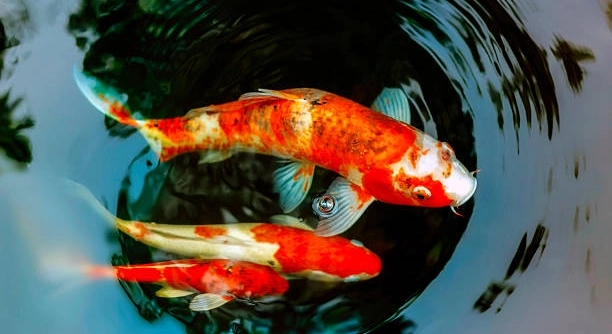
Koi fish are popular ornamental pond creatures admired for their colors and calm nature. Many koi owners enjoy spending time near their ponds, often wondering about koi behavior and what influences it. Music is sometimes played near koi ponds as a relaxing addition.
Koi fish respond to sound vibrations, and they can show increased activity when exposed to certain types of music. However, scientific evidence on koi preferences for music is limited, and responses vary depending on volume, rhythm, and individual temperament.
Exploring how koi react to music can offer insight into their behavior and welfare. This article examines koi responses and what koi owners might expect when playing music near their fish.
How Koi Fish React to Sound
Koi fish rely heavily on their senses to navigate their environment, including hearing. They don’t have ears like mammals but detect vibrations through their lateral lines, which are sensitive to movement and sound in water. When music is played near a koi pond, these vibrations can influence their behavior. Some koi become more active, swimming toward the source of the sound, while others may seem indifferent or even stressed if the music is too loud or abrupt. Gentle, rhythmic music tends to have a calming effect, encouraging koi to stay near the surface or engage in slow swimming. On the other hand, sudden loud noises or harsh sounds can cause koi to hide or swim erratically. Each fish may respond differently depending on its personality and past experiences, so it is important to observe your koi’s reactions carefully when introducing music.
Koi fish respond best to consistent and moderate sounds. Sudden changes can disturb them.
Regular exposure to soft music might encourage koi to associate the sound with a calm environment. This can improve their willingness to interact with owners or come closer during feeding time. Music with a slow tempo and low volume is generally more suitable. However, koi are also sensitive to environmental changes, so abrupt or frequent loud sounds should be avoided to prevent stress. Some koi ponds use underwater speakers to deliver sounds directly in the water, which may enhance the effect of music or natural sounds. Understanding your koi’s behavior helps in creating a more peaceful setting, contributing to their well-being and your enjoyment.
Playing Music for Koi: Tips and Considerations
Music can be a part of koi care, but it requires caution. Avoid loud or high-pitched sounds that may disturb the fish.
When deciding to play music near your koi pond, start with low volume and soft tones to see how your fish react. Gradually increase the volume only if they remain calm and curious. Choose music styles with steady rhythms such as classical or ambient sounds. Avoid sudden changes or sharp noises. It is also beneficial to limit the duration of music sessions to prevent overwhelming the fish. Observing koi behavior during and after music exposure is essential. If koi show signs of stress such as frantic swimming or hiding, reduce or stop the music immediately. Incorporating music thoughtfully can create a more enjoyable environment for both koi and their owners.
Types of Music That May Affect Koi Behavior
Soft, calm music tends to have a better effect on koi than loud or fast-paced sounds. Gentle rhythms and natural tones are preferred.
Classical music, ambient sounds, and soft instrumental tracks are often recommended for koi ponds. These styles usually have steady tempos and minimal abrupt changes, which koi find less stressful. Loud music or heavy beats can startle koi, causing them to swim away or hide. Music with strong bass or sharp noises should be avoided as it produces vibrations that might disturb the fish. Some koi owners experiment with nature sounds like water flowing or birdsong, which can blend well with the pond environment and contribute to a peaceful atmosphere. It is essential to observe koi reactions to different music styles to identify what suits them best.
Underwater speakers can be used to deliver sound directly into the water, enhancing the experience. This setup reduces external noise interference and allows koi to perceive music more clearly. Testing different sound systems may help find the best option for your pond. However, volume control remains crucial to avoid stressing the fish. Music should never be played continuously; short sessions with breaks are better for koi health and comfort.
Observing Changes in Koi Behavior with Music
Noticing koi reactions to music helps determine if the sound is beneficial or harmful to their well-being.
Changes such as increased swimming activity, coming closer to the pond’s surface, or grouping near the sound source often indicate koi are comfortable with the music. Conversely, signs of stress include frantic swimming, hiding, or trying to escape the area. Koi behavior varies between individuals, so some may respond positively while others do not. Consistent observation over several days or weeks is necessary to understand how your fish adjust. Recording behaviors can help track patterns and decide if music should be continued or modified.
Stress from inappropriate sounds can weaken koi immune systems and affect growth. Therefore, keeping music sessions moderate and choosing appropriate sounds supports koi health. Maintaining a calm environment around the pond, including limiting sudden loud noises and disturbances, also contributes to better koi behavior. When done thoughtfully, playing music can be a simple addition to your koi care routine that enriches their environment and your enjoyment.
Ideal Volume Levels for Music Near Koi Ponds
Keeping music at a low volume is essential to avoid stressing koi fish. Soft sounds create a calm environment that koi can tolerate.
Loud music or sudden increases in volume can cause koi to panic or hide. Always start with the lowest volume and gradually adjust based on the fish’s behavior.
Best Times to Play Music for Koi
Music is best played during calm parts of the day, such as early morning or late afternoon. Avoid playing music during feeding or cleaning times.
Consistent timing helps koi become familiar with the sounds, reducing the chance of stress or confusion. Regular but brief sessions are ideal for maintaining a peaceful atmosphere.
Using Natural Sounds Instead of Music
Natural sounds like water flowing or gentle rain can have soothing effects on koi without overwhelming them.
These sounds blend with the pond environment and are less likely to cause disturbance. They can be played using outdoor speakers or water features near the pond.
Potential Risks of Playing Music Too Often
Playing music constantly or at high volumes can increase koi stress and affect their health negatively.
FAQ
Do koi fish really respond to music?
Koi fish respond to vibrations in the water, which can come from music played nearby. They may show increased activity or curiosity when exposed to gentle sounds. However, koi responses vary depending on the type of music, volume, and individual temperament. Loud or abrupt sounds usually cause stress rather than interest.
Can playing music improve koi behavior or health?
While there is no conclusive scientific evidence that music directly improves koi health, a calm environment can reduce stress. Soft, consistent sounds may encourage koi to be more active or interact more during feeding. Creating a peaceful pond atmosphere helps maintain koi well-being indirectly.
What kind of music should I avoid near koi ponds?
Avoid loud, fast-paced, or heavily bass-driven music. Sounds with sudden changes or high frequencies can disturb koi and cause erratic swimming or hiding. Music styles with sharp beats or aggressive tones are not suitable. It’s best to stick with calm, slow-tempo instrumental or natural sounds.
How loud is too loud for koi fish?
Music volume should be low enough that it doesn’t create strong vibrations in the water. If you notice koi darting away or hiding, the volume is likely too high. Start with the lowest volume setting and increase gradually, observing koi behavior carefully to avoid stress.
How long can music be played near koi ponds?
Short sessions of 15 to 30 minutes are preferable. Continuous or very long exposure to music may cause stress or fatigue. Giving koi quiet periods between sessions allows them to rest and avoid overstimulation.
Can underwater speakers make a difference?
Underwater speakers deliver sound vibrations directly into the water, allowing koi to perceive music more clearly. This method can reduce external noise interference. However, volume control is still important to avoid stressing the fish. Not all koi will respond the same way to underwater sounds.
Is it better to play natural sounds than music for koi?
Natural sounds like flowing water, rain, or birdsong blend well with pond environments and tend to be less disturbing. They mimic the koi’s natural habitat, potentially making fish feel more comfortable. These sounds can be a good alternative if koi seem stressed by music.
Do koi get used to music over time?
Some koi can become accustomed to regular music exposure, especially if it is played consistently at the same volume and time of day. Familiar sounds may create a routine that koi find soothing. However, individual koi vary, and not all will show the same level of comfort or interest.
What signs show koi are stressed by music?
Stress signs include frantic or erratic swimming, hiding, avoiding the water surface, or unusual lethargy. If koi suddenly change their normal behavior when music starts, it’s a signal to lower the volume or stop playing music altogether.
Can music attract koi during feeding?
Soft, calming music can sometimes encourage koi to come closer to the surface, making feeding easier to observe. However, music alone won’t replace feeding cues like hand movements or regular feeding times. It’s an added element that may improve interaction but not a guaranteed attractant.
Are there any risks to koi if music is played improperly?
Improper music use, such as high volume or continuous loud sounds, can stress koi and weaken their immune systems. Stress affects growth and disease resistance. It’s important to monitor koi behavior closely and adjust music practices to support their health.
Can all koi fish tolerate the same music?
No, koi have individual personalities and may react differently to the same music. Some may enjoy soft sounds, while others prefer quiet environments. Watching how each koi responds helps tailor the approach for the best care.
Should music be combined with other environmental enrichment?
Yes, music can be part of a broader approach that includes proper pond design, water quality, hiding places, and feeding routines. Together, these factors create a balanced environment that supports koi health and natural behavior.
How can I introduce music to my koi pond without causing stress?
Start with very low volume and short sessions, playing calm, slow-tempo music or natural sounds. Observe koi behavior carefully and increase volume or duration gradually if koi remain calm. Stop immediately if any signs of stress appear.
Is there scientific research on koi and music?
Research on koi responses to music is limited and mostly anecdotal. Most knowledge comes from koi keepers’ experiences rather than formal studies. More research would be needed to understand fully how music affects koi physiology and behavior.
Can koi music help with pond ambiance for humans?
Yes, music near koi ponds can enhance the relaxing atmosphere for people enjoying the garden or outdoor space. Choosing appropriate music benefits both koi and owners by creating a peaceful setting without disturbing the fish.
Final Thoughts
Koi fish are sensitive to their surroundings, including sounds and vibrations. While they may not respond to music the same way humans do, gentle sounds can influence their behavior. Soft, calm music or natural sounds often help create a peaceful environment that koi can tolerate comfortably. On the other hand, loud or fast-paced music usually causes stress and can make koi hide or swim erratically. It is important to pay attention to koi reactions when introducing music near a pond. Observing their behavior carefully helps ensure the sounds do not cause harm or discomfort.
Creating a calm environment is essential for koi health and well-being. Stress can weaken their immune systems and affect growth, so avoiding disruptive noises is crucial. Music can be a part of a koi pond’s atmosphere if used thoughtfully. Keeping the volume low and playing music for short periods gives koi time to rest and reduces the chance of overstimulation. Natural sounds like flowing water or birdsong often blend well with the pond environment and provide a soothing effect without disturbing the fish. Using underwater speakers may improve sound quality but requires careful volume control.
Ultimately, the key to playing music near koi fish is moderation and observation. Each koi is unique, so what works for one pond may not work for another. Gradual introduction and consistent timing help koi become accustomed to sounds, if they react positively at all. Music should never replace good pond care, proper feeding, and a healthy environment. When done properly, adding music can enhance the pond’s ambiance and possibly improve koi interaction without compromising their comfort. Paying attention to koi behavior remains the best guide for maintaining their well-being.

Hello,
If you enjoy the content that we create, please consider saying a "Thank You!" by leaving a tip.
Every little bit helps us continue crafting quality advice that supports the health, happiness, and well-being of pets around the world, for pets of all shapes, sizes, and species.
We really appreciate the kindness and support that you show us!