
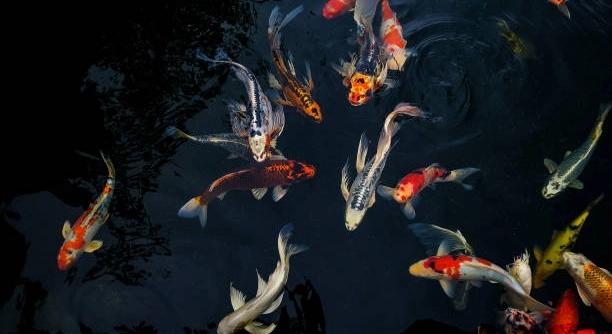
Do you ever wonder how koi fish behave in different water environments? Many koi owners want to create the best home for their fish. Understanding how koi react to moving water can help maintain a healthy pond.
Koi fish generally prefer moving water as it helps keep oxygen levels high and prevents stagnation. Flowing water supports their health by promoting better respiration and reducing harmful bacteria buildup. Therefore, moving water is beneficial for koi fish wellbeing.
Knowing how moving water affects koi can improve your pond’s environment and keep your fish happy and healthy for years to come.
Why Koi Fish Prefer Moving Water
Koi fish thrive best in ponds where the water is constantly moving. Moving water brings oxygen into the pond, which koi need to breathe and stay healthy. Without enough oxygen, koi can become weak and more prone to illness. Flowing water also helps prevent the buildup of waste and harmful bacteria, keeping the pond cleaner. Koi are active swimmers, and they enjoy the gentle currents that moving water creates. These currents also encourage them to swim more, which supports their muscle strength and overall fitness. Additionally, moving water helps distribute nutrients evenly throughout the pond, benefiting both koi and plants. Many koi keepers use pumps or waterfalls to maintain steady water flow. This movement also prevents the water from becoming stagnant, which can cause unpleasant smells and algae overgrowth. Ensuring your pond has proper water circulation is one of the best ways to keep your koi healthy and happy.
Water movement in a pond supports better water quality and fish health by increasing oxygen levels and reducing harmful buildup.
Keeping a good water flow in your koi pond not only helps the fish but also creates a more balanced environment. It supports beneficial bacteria that break down waste naturally. Water movement keeps the pond clean, reducing the need for frequent maintenance. It also helps prevent the growth of algae, which can take over still water and harm koi health. Regular circulation mimics the natural conditions koi are used to in rivers and streams. When koi swim in moving water, they tend to be more energetic and show their natural behaviors. This can make watching them more enjoyable. Adding simple features like a fountain or a small waterfall can improve water flow significantly. Proper pond design with water movement can make a big difference in how well your koi live.
How to Create Moving Water for Your Koi Pond
Adding moving water to your koi pond doesn’t have to be complicated. Simple tools like pumps, filters, and waterfalls can keep water flowing effectively.
A good pump is key for creating movement in the pond. It pushes water through filters and returns it back into the pond, creating circulation. Filters help keep the water clean by removing debris and impurities. Waterfalls and fountains not only add movement but also enhance the pond’s appearance. They help oxygenate the water by mixing air into it as the water falls back in. When choosing equipment, consider the size of your pond and how many koi you have. Bigger ponds and more fish require stronger pumps and better filtration. Positioning the water return points where the flow reaches all corners of the pond ensures even circulation. Maintenance of pumps and filters is important to keep water moving smoothly. Regularly cleaning filters and checking the pump will prevent blockages. Moving water benefits koi health and improves the pond’s overall ecosystem, making these investments worthwhile.
Benefits of Moving Water for Koi Health
Moving water increases oxygen levels, which koi need for breathing and energy. It also reduces harmful bacteria growth by preventing stagnant conditions.
With steady water flow, koi fish stay more active and healthy. The constant movement helps keep their immune systems strong, lowering the chance of disease. Water circulation also helps remove waste products that could otherwise build up and poison the pond. This keeps the environment cleaner and safer for the fish.
Additionally, moving water helps regulate pond temperature by distributing heat evenly. Koi are sensitive to sudden temperature changes, so consistent flow creates a more stable habitat. This balance supports their natural behavior and reduces stress, which is key for their well-being and longevity.
Common Ways to Introduce Moving Water
Pumps are the most common method to create moving water in koi ponds. They circulate water through filters and return it with force, creating flow.
Waterfalls and fountains are popular because they add visual interest and sound while improving water circulation. These features mix air into the water, increasing oxygen levels naturally. Aerators can also help, especially in larger ponds, by bubbling air through the water to improve oxygenation. Each method varies in cost and maintenance but choosing the right combination depends on your pond size and koi population. Regular upkeep of these devices ensures continuous water movement and a healthy environment for your fish.
Signs Your Koi Enjoy Moving Water
Koi often swim actively near areas with water flow, showing they prefer moving water. They appear more vibrant and alert in these spots.
When koi avoid stagnant areas and gather where the water moves, it indicates their natural preference for circulation and oxygen-rich environments.
Risks of Stagnant Water in Koi Ponds
Stagnant water can cause low oxygen levels, which stress koi and increase their risk of disease. It also promotes algae and harmful bacteria growth. Regular water movement helps prevent these problems, keeping the pond safer and more balanced for koi.
Adjusting Water Flow for Different Pond Sizes
Larger ponds need stronger pumps and more powerful circulation systems to keep water moving effectively. Small ponds require gentler flow to avoid stressing koi but still benefit from consistent movement. Matching water flow to pond size ensures koi comfort and health.
FAQ
Do koi fish need moving water all the time?
Koi fish do not need moving water 24/7, but consistent circulation is important to keep oxygen levels stable and prevent water stagnation. It’s best to have a pump or waterfall running most of the day, especially during warm months when oxygen levels drop faster. At night, a slower flow can be enough, but total stillness should be avoided to keep the pond healthy.
Can too much water movement stress koi?
Yes, too strong a current can tire or stress koi, especially if the flow is constant and forceful. Koi prefer gentle to moderate water movement, which encourages natural swimming without overwhelming them. If you notice your fish struggling or hiding, the flow might be too strong. Adjusting pump speed or redirecting flow can help create a comfortable environment.
How does moving water affect pond plants?
Moving water benefits many pond plants by circulating nutrients and preventing algae buildup on leaves. However, some delicate plants may not thrive in fast currents and might need sheltered spots. Proper pond design balances areas of flow with calm zones where plants can grow without disturbance.
Is a waterfall necessary for koi ponds?
A waterfall isn’t required but is helpful. It increases oxygen levels by mixing air into the water and adds attractive movement and sound. Pumps and aerators can also maintain circulation without waterfalls, especially in smaller ponds or those with limited space.
How often should I clean my pond filter if I have moving water?
Filters should be checked and cleaned regularly, usually every two to four weeks, depending on pond size and fish load. Moving water keeps debris circulating toward filters, so keeping them clean ensures effective circulation and water quality. Neglecting filters can reduce flow and harm koi health.
What happens if the water stops moving suddenly?
If water stops moving, oxygen levels can quickly drop, especially on hot days or in ponds with many fish. This can stress koi and make them vulnerable to illness. It’s important to have backup power options or alarms to avoid sudden pump failures and keep water circulating consistently.
Can moving water help reduce algae growth?
Yes, moving water helps prevent algae by limiting still areas where algae thrive. It also improves the effectiveness of filters and beneficial bacteria that compete with algae for nutrients. While it won’t eliminate algae completely, good water flow reduces overgrowth and keeps the pond clearer.
Do koi prefer moving water in all seasons?
Koi appreciate moving water year-round, but flow rates may need adjusting in colder months. During winter, slower circulation helps maintain oxygen without stressing koi as their metabolism slows down. In warm seasons, stronger flow is beneficial to support higher oxygen demand and waste removal.
Can I create moving water without electricity?
Creating moving water without electricity is challenging. Gravity-fed waterfalls or streams can work if your pond is on a slope, but most koi ponds rely on pumps and aerators powered by electricity for consistent flow. Solar-powered pumps are an option for eco-friendly setups.
Does moving water affect koi behavior?
Yes, moving water encourages koi to swim actively and display natural behaviors. It provides stimulation and helps them stay fit. Koi in still water often become less active and may hide more, which can be a sign they are stressed or uncomfortable.
What type of pump is best for koi ponds?
A pump designed for ponds with adjustable flow rates is best. It allows you to control water movement to suit your koi and pond size. Look for energy-efficient models made for outdoor use that handle debris well. Proper sizing ensures good circulation without wasting power.
How can I tell if my koi pond has enough water movement?
Look for gentle ripples or surface movement throughout the pond, especially near the pump return or waterfall. If water looks still and calm everywhere, circulation may be too low. Also, check for healthy koi behavior and clear water as signs of good movement.
Is moving water important for koi breeding?
Yes, moving water mimics natural spawning conditions and helps keep eggs oxygenated. Many breeders use flowing water or aeration to improve hatch rates and the health of young koi. Proper water flow also helps remove waste from eggs and fry.
What maintenance does moving water equipment require?
Pumps, filters, and aerators need regular cleaning and inspection. Remove debris, check for clogs, and replace worn parts. Proper maintenance ensures consistent flow and prevents equipment failure, which is critical for keeping koi healthy.
Can moving water help reduce odors in koi ponds?
Yes, water movement helps prevent the buildup of decaying organic matter that causes odors. Circulation promotes breakdown by beneficial bacteria and reduces stagnant pockets where smells develop. Consistent flow keeps the pond fresher and more pleasant.
Final Thoughts
Koi fish are unique creatures that benefit greatly from moving water in their ponds. Moving water helps keep the environment healthy by providing oxygen and preventing stagnation. Without enough movement, water can become dirty, and harmful bacteria can grow. This puts koi at risk for illness. Having steady water flow mimics the natural conditions koi are used to in rivers and streams. It encourages them to swim actively, which supports their physical health and overall well-being. Moving water is not just a nice feature—it is essential for creating a safe and balanced home for koi.
Adding moving water to a koi pond can be simple or more complex, depending on the size of the pond and the number of fish. Pumps, waterfalls, fountains, and aerators are common tools to keep water flowing and oxygen levels high. These features also help keep the water clear by moving debris toward filters and preventing algae buildup. It is important to find the right balance of water movement so koi are comfortable. Too strong a current can stress the fish, while too little can cause problems with water quality. Regular maintenance of pumps and filters is necessary to keep the system working properly. Clean equipment ensures the pond stays healthy and the fish remain happy.
Understanding the role of moving water in koi care is important for anyone who keeps these fish. It can improve the pond’s ecosystem, reduce problems, and make koi more vibrant and active. Whether your pond is large or small, investing in good water circulation is worth it. It helps koi live longer, healthier lives by supporting their natural needs. Taking care of water flow is a simple step that can make a big difference in the success of your koi pond. By paying attention to water movement, you create a better environment for your fish and a more enjoyable pond to watch.

Hello,
If you enjoy the content that we create, please consider saying a "Thank You!" by leaving a tip.
Every little bit helps us continue crafting quality advice that supports the health, happiness, and well-being of pets around the world, for pets of all shapes, sizes, and species.
We really appreciate the kindness and support that you show us!