
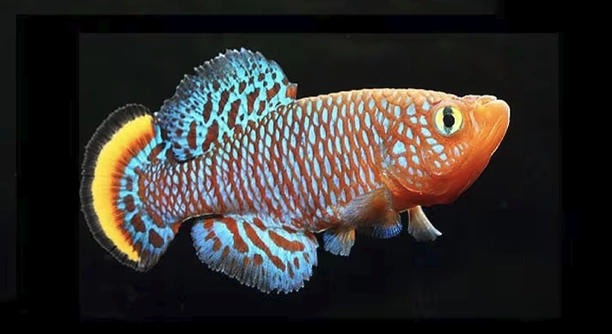
Killis are small, colorful fish often kept in home aquariums. Their care involves understanding their natural environment, which influences how to maintain their tanks properly. One common concern is whether killis require flowing filtered water or prefer still water conditions.
Killifish generally thrive best in gently flowing or filtered water that mimics their natural habitats, which often include streams and small rivers. Stagnant or still water can lead to poor oxygen levels and increased waste buildup, negatively affecting their health and lifespan.
Knowing the ideal water conditions helps create a suitable environment for killis. This article will clarify the best approach to ensure their wellbeing and vitality.
Understanding Killifish Natural Habitats
Killifish come from a variety of environments, many of which have slow-moving streams or seasonal pools with some current. These fish are adapted to water that moves gently rather than being completely still. In their natural habitats, water flow helps deliver oxygen and remove waste, supporting their overall health. Setting up a tank that mimics these conditions can improve killifish wellbeing. Too much flow can stress them, but no flow can reduce oxygen levels and increase toxins. A gentle filter or small air-driven pump is often enough to keep water moving without overwhelming the fish. This balance helps maintain stable water quality, which is essential since killifish can be sensitive to poor conditions. Knowing the kind of water they evolved in helps aquarists provide the right environment. Paying attention to flow and filtration makes a noticeable difference in how active and vibrant killifish appear.
The key is moderate flow, not strong currents.
Many killifish species thrive in soft, slightly acidic water with a gentle current. When creating a tank setup, it is important to replicate this balance. A filter with adjustable flow or a sponge filter is ideal. Maintaining a slow, steady water movement supports oxygenation and cleanliness without stressing the fish. Tank decor such as plants and driftwood also helps break up water flow, creating calm areas for killifish to rest. Regular water changes keep the environment fresh, complementing filtration. Overall, a low to moderate flow environment closely resembling natural conditions promotes healthy behavior, feeding, and breeding in killifish.
Benefits of Filtered Flow Over Still Water
Still water can quickly develop low oxygen and high waste levels. Without movement, harmful substances like ammonia and nitrates accumulate, which are dangerous to killifish. Filtered water encourages gas exchange at the surface, increasing oxygen content. It also helps break down fish waste, keeping the water cleaner longer. Killifish are active swimmers and appreciate the stimulation gentle water movement provides. Stagnant water can lead to lethargy and stress, making fish more susceptible to illness. Flow also helps distribute heat evenly throughout the tank, preventing temperature fluctuations. Many experienced keepers recommend using a gentle filter or an air-driven sponge filter for killifish tanks. This setup mimics their natural environment and supports overall health and longevity. Proper filtration combined with regular maintenance results in a more stable and inviting home for killifish.
Setting Up Flow for Killifish Tanks
A gentle flow is best for killifish tanks. Strong currents can stress them, while no flow risks poor water quality and low oxygen. Adjust your filter to keep water moving slowly but steadily.
Filters like sponge filters or small canister filters with adjustable flow work well. Position the filter outlet to create a mild current without disturbing plants or decorations. This setup supports oxygen exchange and waste removal, which keeps the tank healthy. Too much flow causes killifish to hide or struggle, so balancing the current is important. Regular observation helps determine if adjustments are needed based on fish behavior.
Adding plants and driftwood can reduce flow in specific areas, creating calm spots. This variety mimics natural conditions and helps killifish feel secure. Maintaining stable water parameters alongside gentle flow promotes breeding and activity.
Water Quality and Flow Maintenance
Good water quality depends on regular water changes and proper filtration. Even with flow, waste can build up if cleaning is neglected. Test water parameters frequently to catch any issues early.
Cleaning the filter monthly prevents clogs and maintains flow efficiency. Avoid over-cleaning to preserve beneficial bacteria. Partial water changes every one to two weeks help keep nitrate and ammonia levels low. Proper water quality combined with gentle flow supports killifish health, reduces disease risk, and encourages natural behavior. Monitoring both flow and cleanliness ensures a stable and thriving environment over time.
Signs Killifish Need Better Flow
Lethargy and gasping at the surface often indicate poor oxygen levels. If killifish hide constantly or stop eating, low flow might be the cause.
Improving water movement can boost oxygen and remove waste. Observing these signs early helps prevent health problems.
Choosing the Right Filter for Killifish
A sponge filter is often the best choice for killifish tanks because it provides gentle water flow without strong currents. It also offers a safe environment for fry and encourages beneficial bacteria growth. Canister filters with adjustable flow are another option but may require careful adjustment to avoid stressing the fish. Air-driven filters add oxygen and flow without disturbing the tank too much. When selecting a filter, consider the tank size, fish species, and your ability to maintain it regularly. Proper filtration supports clean, oxygen-rich water that killifish need to thrive.
Avoiding Strong Currents
FAQ
Do killifish need a filter?
Yes, killifish benefit from having a filter in their tank. A filter helps maintain water quality by removing waste and toxins. It also promotes oxygen exchange, which is crucial for their health. However, the filter should produce a gentle flow, as strong currents can stress killifish.
Can killifish live in still water?
Killifish can survive in still water for short periods, but it is not ideal. Still water tends to have low oxygen levels and accumulates waste more quickly. Over time, this can lead to poor health and increased disease risk. Providing gentle water movement is better for their long-term wellbeing.
What type of filter is best for killifish?
Sponge filters are often recommended because they create gentle water flow and are safe for fry. They also support beneficial bacteria growth. Canister filters with adjustable flow can work if set to low power. Air-driven filters are also suitable for mild water movement.
How strong should the water flow be?
The water flow should be gentle and steady, enough to keep water moving but not so strong that the fish struggle to swim. Killifish prefer calm areas where they can rest. Adjust filter output and use decorations to break up currents and create quiet zones.
How often should the filter be cleaned?
Filters should be cleaned about once a month. Cleaning too often can remove helpful bacteria, while neglecting it can cause blockages and reduced flow. Rinse filter media in tank water during maintenance to keep beneficial bacteria intact.
Will plants affect water flow for killifish?
Yes, plants can help reduce water flow in certain areas, providing calm spots for killifish to hide and rest. Live plants also improve water quality by absorbing nitrates and adding oxygen, complementing filtration.
Is it okay to keep killifish in a small tank without a filter?
While killifish can live temporarily without a filter in very small, frequently changed tanks, this is not recommended for the long term. Lack of filtration increases the risk of poor water quality and stress. A filter with gentle flow is best for any tank size.
What happens if the flow is too strong?
Strong currents can cause stress, exhaustion, and injury to killifish. They may hide excessively or show signs of distress like erratic swimming. Strong flow also disrupts spawning behavior. It is important to monitor their response and adjust flow accordingly.
Can killifish tolerate water flow changes?
Killifish can adapt gradually to small changes in water flow, but sudden or extreme shifts can cause stress. When adjusting flow, make changes slowly and observe the fish to ensure they remain comfortable and active.
How does flow affect breeding?
Gentle flow encourages natural breeding behavior by maintaining water quality and providing oxygen-rich conditions. However, strong flow can wash away eggs or disturb fry. Creating calm areas with plants or decorations helps protect young fish during spawning.
Are air pumps enough for killifish tanks?
Air pumps alone can provide oxygen and mild water movement, which may be sufficient in some setups. However, combining air pumps with a sponge filter offers better filtration and flow control. Relying only on air pumps might not keep the tank clean enough.
Can killifish survive in outdoor ponds with flowing water?
Yes, many killifish species come from environments with natural flowing water and can thrive in outdoor ponds if conditions are suitable. Flow helps keep water clean and oxygenated. Outdoor ponds should have sheltered areas with slower water to provide safe resting spots.
How does water temperature interact with flow?
Water flow helps distribute heat evenly in the tank, preventing temperature layers that stress fish. Killifish prefer stable temperatures, so balanced flow combined with proper heating supports their comfort and health.
Is it necessary to monitor flow constantly?
While constant monitoring isn’t required, regular checks help ensure the flow remains suitable. Changes in filter performance or tank layout can alter flow patterns. Observing fish behavior regularly is the best way to know if adjustments are needed.
What are common mistakes with flow in killifish tanks?
Common mistakes include using filters with too strong currents, neglecting filter maintenance, and ignoring fish signs of stress. Over-filtering or under-filtering can both harm water quality and fish health. Finding the right balance is key to successful care.
Can other fish affect the flow needs of killifish?
Yes, tank mates that prefer stronger currents or create more waste may require stronger filtration, which could affect killifish. In mixed tanks, it’s important to balance flow needs so all species remain comfortable. Sometimes separating species by flow preference is best.
Final Thoughts
Maintaining the right water flow is important for the health and happiness of killifish. These fish come from environments where water usually moves gently, so recreating similar conditions helps them thrive. Too much flow can stress them, while too little can cause poor water quality and low oxygen. Finding a balance with gentle, steady water movement is key. Using a filter that provides mild flow, such as a sponge filter or an adjustable canister filter, is often the best choice. This setup keeps the water clean, oxygenated, and stable, which supports the fish’s overall wellbeing.
Alongside providing gentle flow, regular maintenance is essential. Cleaning filters on a monthly schedule and performing partial water changes every one to two weeks keeps waste from building up and helps maintain water quality. Plants and decorations also play a role by breaking up currents and offering calm areas where killifish can rest. Monitoring the behavior of your fish can give clues about whether the flow is right. If they appear lethargic, hide too much, or gasp at the surface, it may be time to adjust the water movement. Observing these signs early helps prevent stress and illness.
Ultimately, understanding the natural habitat of killifish guides the care you provide. Mimicking gentle water flow and stable conditions creates an environment where these colorful fish can live comfortably and display their best colors and behaviors. While killifish can tolerate still water for a short time, long-term care with proper filtration and flow ensures they remain healthy. By paying attention to flow, filtration, and maintenance, you create a tank that supports the natural needs of killifish and makes keeping them a rewarding experience.

Hello,
If you enjoy the content that we create, please consider saying a "Thank You!" by leaving a tip.
Every little bit helps us continue crafting quality advice that supports the health, happiness, and well-being of pets around the world, for pets of all shapes, sizes, and species.
We really appreciate the kindness and support that you show us!