
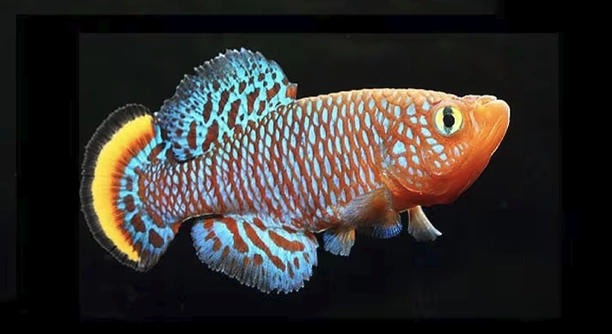
Killis are popular aquarium fish known for their vibrant colors and interesting behaviors. Many keepers want to provide the best environment possible, which often leads to questions about their natural habitat and care. Understanding their lighting needs is a key part of proper care.
Killis do not require strict day and night cycles but benefit from a regular light schedule that mimics natural conditions. Consistent lighting helps regulate their behavior and health, preventing stress and promoting natural activity patterns in captivity.
Proper lighting schedules create a balanced environment for killis, supporting their overall well-being. This article will explain how to manage light cycles to keep your killis healthy and comfortable.
Understanding Killis’ Natural Environment
Killis are native to regions with varying day lengths depending on the season. In the wild, they experience gradual changes in light and dark periods, which influence their feeding, breeding, and resting habits. Mimicking these natural cycles in captivity helps maintain their health and normal behavior. Sudden changes or constant lighting can stress killis, leading to reduced activity or illness. Many hobbyists create a consistent schedule using timers on aquarium lights to simulate day and night cycles. This routine provides the fish with predictable periods of rest and activity, which is essential for their well-being. Additionally, some killis prefer dimmer light or shaded areas, so offering hiding spots in the tank can help them feel secure during brighter times. Overall, recreating a natural light rhythm supports their daily functions and reduces stress.
A stable light schedule in the tank improves killis’ health and encourages natural behaviors, making them more active and vibrant.
Creating a habitat that respects killis’ natural light patterns helps keep them calm and comfortable. Avoid exposing them to constant bright light, and try to maintain around 10 to 12 hours of light daily. Using timers ensures consistency without extra effort. Observing your fish will help you adjust the light levels to their preferences. This balance supports feeding, swimming, and breeding cycles, giving your killis the best care possible.
Effects of Inconsistent Lighting on Killis
Inconsistent or improper lighting can disrupt killis’ natural rhythms, causing stress and affecting their immune system.
When killis are exposed to irregular light cycles, it can lead to confusion in their internal clocks. This confusion may result in less feeding activity and weaker responses to environmental changes. Stress from lighting can make killis more vulnerable to disease and reduce their lifespan. Bright light without breaks may cause hiding or lethargy, while too little light can slow their metabolism. Maintaining a routine lighting schedule helps avoid these issues and promotes healthy growth. Providing a dark period each day allows killis to rest, which is vital for their mental and physical health. Balancing light intensity and duration according to species-specific needs ensures a stable environment. This approach leads to healthier, more active fish that show their true colors and natural behaviors.
Proper lighting plays a significant role in killis’ overall health and quality of life in an aquarium.
Recommended Light Duration for Killis
Most killis thrive with about 10 to 12 hours of light daily. This simulates their natural daylight cycle and supports their natural behaviors.
Using a timer to control aquarium lighting helps maintain consistency. Avoid leaving lights on for too long, as this can cause stress and disrupt feeding and resting patterns. Too little light might reduce their activity and affect their metabolism. A balance is essential for healthy killis.
Adjust lighting based on your killis species and tank setup. Some prefer dimmer light or partial shade, so consider adding plants or decorations that provide shaded areas. Observing how your killis respond can guide fine-tuning of light duration and intensity.
Choosing the Right Lighting for Killis
Killis generally do well under standard aquarium LED or fluorescent lighting. Avoid overly bright lights that can stress them.
Soft, adjustable lighting helps replicate natural environments. Lights with a spectrum closer to daylight improve coloration and behavior. Reducing glare and reflections with tank covers or plants creates a more comfortable space.
Consider using dimmable lights or adding floating plants to diffuse light intensity. This setup allows killis to retreat when needed and reduces stress. Proper lighting complements water quality and diet, creating a balanced habitat that encourages natural activity and long-term health.
Lighting and Breeding Behavior
Light cycles can influence killis’ breeding habits. Consistent day and night periods help trigger natural spawning behaviors.
A proper light schedule encourages females to lay eggs and males to display vibrant colors. This makes breeding more successful and less stressful for the fish.
Using Timers for Consistency
Timers automate light cycles, providing killis with a reliable routine. This reduces the risk of human error or forgetting to switch lights on or off.
Regular timing supports healthy activity rhythms, promoting better feeding and rest cycles. Using a timer creates a stable environment that benefits killis’ overall well-being.
Avoiding Overexposure
Excessive light exposure can stress killis and cause them to hide or become lethargic. Maintaining balanced lighting is key to their comfort and health.
FAQ
Do killis need a strict day and night cycle?
Killis do not require a perfectly strict day and night cycle, but they benefit from a consistent lighting routine. Regular light periods help regulate their behavior, feeding, and rest. Sudden changes or constant lighting can cause stress. A stable schedule supports their health and natural rhythms.
How many hours of light should killis have daily?
Most killis do best with about 10 to 12 hours of light each day. This amount mimics their natural environment and supports their natural activity and breeding cycles. Using a timer helps keep this schedule consistent without extra effort.
What happens if killis get too much light?
Too much light can stress killis, making them hide or become lethargic. It may also disrupt their feeding and breeding behaviors. Providing shaded areas and dimming the lights when needed helps reduce stress and creates a more comfortable habitat.
Can killis adapt to different lighting conditions?
Killis are somewhat adaptable but do best under conditions that resemble their natural environment. Sudden or extreme changes in light can cause stress. Gradual adjustments and maintaining a stable schedule help killis adjust and stay healthy.
Is it okay to use standard aquarium lights for killis?
Yes, standard LED or fluorescent aquarium lights usually work well. Avoid very bright or harsh lighting, as it may cause stress. Soft, adjustable lighting that replicates daylight is ideal for keeping killis comfortable and vibrant.
Should I use a timer for my aquarium lights?
Using a timer is highly recommended. It ensures consistent light and dark periods, reducing human error and stress for the fish. Timers help maintain natural rhythms, which improves killis’ feeding, activity, and breeding habits.
Do killis need darkness at night?
Yes, killis need a dark period to rest and recover. Darkness signals to their bodies that it is time to rest, which supports overall health and stress reduction. Continuous light without breaks can negatively impact their behavior and immune system.
Can lighting affect killis’ breeding success?
Lighting plays a role in encouraging breeding behavior. Consistent day and night cycles help trigger natural spawning. Proper light duration and intensity allow females to lay eggs and males to display their best colors, which supports successful reproduction.
How do I create shaded areas in the tank?
Adding plants, decorations, or floating vegetation provides shaded spots where killis can retreat from bright light. This helps them feel safe and reduces stress. These shaded areas mimic their natural environment and promote natural behaviors.
What is the best way to observe if the lighting is right?
Watch your killis’ behavior. Active swimming, regular feeding, and bright colors are signs of comfortable lighting. If they hide frequently or show lethargy, the lighting may be too intense or irregular. Adjust light duration and intensity accordingly to improve their well-being.
Killis are beautiful and unique fish that thrive best when their environment closely matches their natural habitat. One important part of this environment is the lighting schedule. Providing a consistent day and night cycle helps maintain their normal behaviors and supports their health. When killis have regular periods of light and darkness, they can rest, feed, and reproduce in ways that are natural for them. This balance is essential to reduce stress and keep them active and healthy in captivity.
It is not necessary to have a perfectly strict or complicated light routine for killis. Simple measures like using a timer to control the aquarium lights can create a stable and predictable schedule. Most killis do well with about 10 to 12 hours of light each day, which roughly matches the daylight they experience in the wild. Along with proper lighting duration, the quality and intensity of the light matter as well. Avoiding overly bright lights and providing shaded areas in the tank can help killis feel secure and reduce stress. These small adjustments make a big difference in their comfort and behavior.
Ultimately, paying attention to the lighting needs of killis helps create a healthier and more natural environment for these fish. Regular light cycles support their natural rhythms, encourage breeding, and keep them lively. By observing your killis and adjusting light levels and timing when needed, you can ensure they remain comfortable and well cared for. Proper lighting, along with good water quality and nutrition, contributes to the long-term well-being of killis in an aquarium setting.

Hello,
If you enjoy the content that we create, please consider saying a "Thank You!" by leaving a tip.
Every little bit helps us continue crafting quality advice that supports the health, happiness, and well-being of pets around the world, for pets of all shapes, sizes, and species.
We really appreciate the kindness and support that you show us!