
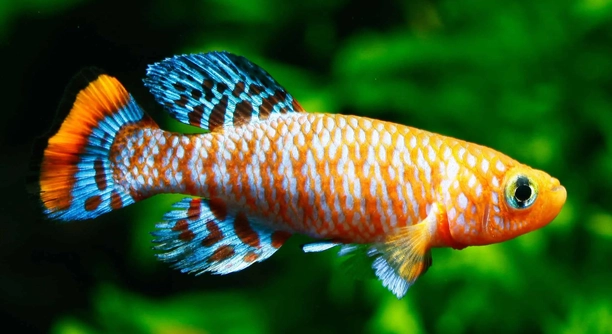
Do you keep killifish in your aquarium and wonder about the lighting you use? Proper lighting is important for fish health and tank aesthetics. Many aquarists want to know if strong lighting affects killifish behavior or wellbeing.
Killifish generally tolerate moderate aquarium lighting, but excessively strong light can stress them. Strong lighting may cause hiding behavior and reduce activity levels. It is best to provide balanced lighting that mimics their natural environment to promote healthy behavior.
Understanding how lighting impacts killifish can help you create a comfortable habitat. This article will guide you through key lighting considerations for their care and happiness.
How Strong Lighting Affects Killifish Behavior
Strong lighting in an aquarium can make killifish uncomfortable. These fish come from environments where light is often filtered through plants or shaded by debris. When exposed to bright light, killifish may hide more frequently or reduce their swimming activity. This behavior is a natural response to avoid stress. Excessive light can also disrupt their feeding habits, making them less active during the day. Providing a tank with dimmer areas or places to retreat helps killifish feel secure. It is important to observe your fish regularly to see how they react to the lighting. Adjusting light intensity to a moderate level helps keep their behavior natural and healthy. Balancing light with plants or decorations can create a calming environment and mimic their natural habitat. This approach supports both their physical health and mental wellbeing over time.
Killifish prefer soft, diffused lighting to avoid stress and maintain normal behavior.
Adjusting aquarium lighting gradually gives killifish time to adapt without sudden changes. Slowly increasing or decreasing light intensity helps them feel safe. Using adjustable LED lights is a good option to control brightness precisely. Also, installing floating plants or broad-leafed plants can reduce harsh light, offering shaded spots. Killifish enjoy exploring shaded areas and will be more active if they feel secure. Keeping a consistent day-night cycle also supports their natural rhythms. Avoid leaving lights on for too long, as prolonged exposure can increase stress. Regular monitoring and small changes make a big difference in their comfort. This careful approach allows you to create a stable environment that respects the killifish’s natural preferences and encourages healthy behavior.
Choosing the Right Aquarium Lighting for Killifish
Selecting the right lighting means finding a balance between brightness and comfort for your killifish. Moderate LED lights with adjustable settings work best.
Killifish do well under lighting that mimics shaded, slow-moving waters. Bright white or blue lights that are too intense can cause stress and hiding. Instead, using lights with a warm or neutral tone often suits their needs better. Adjustable lighting lets you tailor the environment based on how your fish react. Pairing lighting with natural decorations like plants creates an inviting habitat. Floating plants help soften light, while leaf cover offers hiding spots. Proper lighting not only keeps your fish calm but also highlights their beautiful colors. You should avoid very bright or direct lights and consider timers to keep a consistent schedule. By creating a balanced lighting setup, you promote the wellbeing and natural behavior of your killifish.
Lighting Duration and Killifish Health
Too much light can stress killifish and affect their health. A daily lighting period of about 8 to 10 hours is usually ideal.
Keeping the light on for too long can disrupt killifish’s natural cycles and cause fatigue. Extended exposure to bright light may lead to weakened immune systems and reduced activity. On the other hand, too little light can affect plant growth and the overall tank environment. Maintaining a consistent light schedule helps killifish feel secure and supports their natural rhythms. Using a timer to control lighting makes it easier to provide a stable day-night cycle without constant monitoring. This balance helps keep the fish healthy and the aquarium environment stable.
Killifish benefit from a stable lighting routine that avoids extremes. Gradual changes in light duration, rather than sudden shifts, prevent unnecessary stress. Keeping this in mind will help you create an environment that supports their wellbeing over the long term.
Tips for Creating a Comfortable Lighting Environment
Choose lighting that is adjustable to find the right balance for your killifish’s comfort. Soft, indirect light is better than harsh, direct light.
Using floating plants or tall aquarium plants creates shaded areas where killifish can retreat from strong lighting. Positioning lights away from the tank or using dimmers helps reduce intensity. Combining natural decorations with proper lighting mimics their natural habitat, encouraging normal behavior. Avoid sudden changes in lighting as they can startle the fish. Regularly observe how your killifish respond to lighting and make small adjustments if needed. Ensuring a quiet, calm environment with consistent lighting supports their overall health and reduces stress, making your aquarium a pleasant home for them.
Effects of Light Color on Killifish
Killifish react differently to various light colors. Natural or warm tones usually make them feel more comfortable.
Blue or very bright white lights can cause stress or hide their natural colors. Using softer light colors helps keep them calm and active.
Using Plants to Control Lighting
Plants are a natural way to soften aquarium lighting. They create shaded spots and help break up harsh light.
Tall plants or floating varieties provide cover and reduce stress. Plants also improve water quality, making the environment healthier for killifish.
Monitoring Killifish Behavior
Regularly watch how your killifish respond to lighting changes. Stress signs include hiding, loss of appetite, or unusual swimming.
If you notice these signs, adjust the light intensity or duration to improve their comfort.
Lighting and Aquarium Maintenance
Proper lighting supports plant growth, which is essential for water quality and tank balance.
FAQ
Do killifish need strong lighting to show their colors?
Killifish do not require strong lighting to display their colors. Moderate lighting that mimics their natural habitat is enough to highlight their vibrant hues. Too much light can actually stress them, causing them to hide and lose their bright appearance. Balanced, soft lighting works best for showing off their true colors while keeping them comfortable.
Can too much light harm killifish?
Yes, excessive lighting can harm killifish by causing stress. Bright, constant light can lead to hiding behavior, reduced activity, and weakened immune response. It may also disrupt their feeding patterns. Maintaining moderate light levels and providing shaded areas helps prevent these issues and keeps killifish healthy and active.
How long should aquarium lights be on for killifish?
Aquarium lights should be on for about 8 to 10 hours a day for killifish. This duration supports their natural rhythms and prevents stress caused by too much or too little light. Using a timer to keep a consistent lighting schedule makes it easier to maintain this balance.
What type of lighting is best for killifish tanks?
LED lighting with adjustable brightness is ideal for killifish tanks. It allows control over light intensity to suit their comfort. Soft, warm or natural-toned lights are better than harsh white or blue lights. Combining lighting with plants that create shaded spots also improves the environment for killifish.
Do killifish prefer light or dark environments?
Killifish prefer environments with gentle, diffused lighting rather than bright, direct light. They come from habitats where light is filtered through plants or shaded by debris, so too much brightness can make them uncomfortable. Providing shaded areas in the tank helps them feel secure and encourages natural behavior.
Can lighting affect killifish breeding?
Lighting can influence killifish breeding success. Balanced lighting that mimics their natural conditions supports healthy behavior and encourages spawning. Too much light can stress killifish, reducing breeding activity. Keeping a stable day-night cycle with moderate light helps create the right environment for breeding.
How can I reduce stress caused by lighting in my killifish tank?
To reduce lighting stress, use adjustable lights and avoid very bright settings. Add floating or tall plants to create shaded areas where killifish can hide. Keep a consistent lighting schedule and avoid sudden changes in light intensity. These steps help your fish feel safe and relaxed.
Is it okay to use timers for aquarium lighting?
Yes, timers are highly recommended. They ensure your killifish get a regular light cycle without sudden changes, which can cause stress. Timers help maintain a natural day-night rhythm, making it easier to provide the right lighting duration consistently.
Will plants help with lighting issues in a killifish tank?
Plants are very helpful. They soften strong light by creating natural shade and offer hiding spots for killifish. Additionally, plants improve water quality by absorbing nitrates, contributing to a healthier environment overall. Combining proper lighting with plants makes the tank more comfortable for your fish.
Can strong lighting cause health problems in killifish?
Strong lighting itself doesn’t directly cause disease, but the stress it creates can weaken killifish immune systems. Stressed fish are more vulnerable to illness and less active, which affects their overall health. Managing light levels carefully helps prevent these problems.
What signs show killifish are stressed by lighting?
Signs include hiding excessively, swimming erratically, loss of appetite, and faded colors. If you notice these behaviors after changing lighting, it’s a good indication that the light may be too strong or the schedule is inconsistent. Adjusting lighting can quickly improve their condition.
Can killifish adapt to strong lighting over time?
Killifish can adapt somewhat if lighting changes gradually. Sudden bright lights cause immediate stress, but slowly increasing intensity over days or weeks gives them time to adjust. Even so, very strong lighting is not ideal for their long-term comfort or health.
Should I turn off aquarium lights at night for killifish?
Yes, turning off lights at night is important. Killifish need darkness to rest and maintain natural biological cycles. Constant light disrupts their sleep and increases stress. A proper day-night cycle supports their wellbeing and activity during daylight hours.
Does the color of light affect killifish mood?
The color of light influences killifish comfort. Warm or natural light tones are less stressful than harsh blue or very bright white lights. Softer colors help reduce stress and make the tank feel closer to their natural environment.
How do I know if my killifish tank lighting is balanced?
A balanced lighting setup keeps killifish active, colorful, and feeding normally without hiding too much. Plants should grow well, and fish should show no stress signs. Observing your fish daily and adjusting light intensity or duration helps maintain this balance.
Finding the right lighting for killifish is important for their health and happiness. Strong lighting can cause stress and make them hide or act less active. On the other hand, too little light can affect plants in the aquarium and the overall environment. A moderate and balanced light setup is the best way to create a comfortable home for your killifish. Using adjustable lighting and adding plants for shade can help mimic their natural surroundings, which supports their wellbeing. Keeping a regular day-night cycle also helps killifish stay healthy and maintain their natural behavior.
Paying attention to how your killifish respond to the light is key. If you notice they are hiding a lot or seem less active, the light might be too strong or on for too long. In this case, lowering the brightness or shortening the light duration can make a difference. Many aquarists find that about 8 to 10 hours of soft or natural-toned lighting works well. Adding floating or tall plants not only improves the look of the tank but also provides places for killifish to rest away from bright light. This helps reduce stress and keeps them more active and comfortable.
Overall, the goal is to provide an environment that closely matches the killifish’s natural habitat. This means soft lighting, shaded areas, and a stable light schedule. Avoiding sudden changes in lighting and watching your fish’s behavior will help you find the right balance. When done correctly, proper lighting supports your killifish’s health, encourages natural behaviors, and helps bring out their beautiful colors. This makes your aquarium a peaceful and enjoyable place for both the fish and yourself.

Hello,
If you enjoy the content that we create, please consider saying a "Thank You!" by leaving a tip.
Every little bit helps us continue crafting quality advice that supports the health, happiness, and well-being of pets around the world, for pets of all shapes, sizes, and species.
We really appreciate the kindness and support that you show us!