
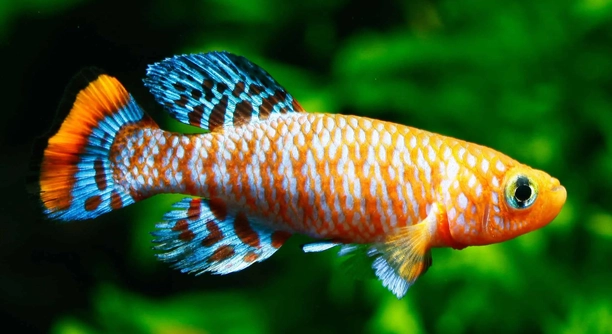
Killis are popular small fish known for their vibrant colors and peaceful nature. Many hobbyists enjoy setting up tanks that highlight these beautiful creatures. One important aspect of their environment is the choice of substrate, which can affect their behavior and appearance.
Killis generally show a preference for darker substrates, such as black sand or gravel. Dark backgrounds tend to enhance their colors and reduce stress by providing a sense of security. This choice also helps mimic their natural habitats, promoting healthier and more natural behavior.
Understanding how substrate color influences killis can improve tank setups and fish well-being. The following information will help you create an ideal home for your killis by explaining these effects clearly.
Why Black Substrate Works Well for Killis
Black substrate provides a calm and natural environment for killis. Their bright colors show up better against dark backgrounds, making them more striking to look at. In the wild, killis often live in shaded or darker waters with leaf litter and dark soil. Using black sand or gravel in the tank imitates these conditions, helping killis feel safer and less exposed. This reduces stress, which is important because stressed fish can lose their colors and become less active. Additionally, darker substrates absorb light instead of reflecting it, creating a more soothing atmosphere. This can encourage killis to swim more freely and display natural behaviors like hunting and mating. Choosing black substrate is a simple way to improve both the appearance and health of killis in captivity. It supports their comfort and helps bring out the best in their appearance.
The dark substrate acts like a soft backdrop, making killis colors pop naturally without harsh lighting.
This subtle contrast is why many aquarists prefer black substrate for killis tanks. The dark base makes it easier to spot any changes in the fish’s health or behavior. It also highlights the delicate patterns and shades unique to each species. Moreover, black substrate can help keep the tank cleaner looking, as it hides small debris better than lighter colors. For those who care about both aesthetics and the well-being of their killis, black substrate is often the preferred choice. It creates a balanced, natural environment that benefits the fish in multiple ways.
Other Factors to Consider for Killis’ Habitat
While substrate color is important, other factors also matter.
Water quality, tank size, and plants all influence killis’ comfort and health. Clean water with stable conditions is essential. Killis are sensitive to changes in temperature and pH, so keeping these stable supports their well-being. Plants offer hiding spots and contribute to a natural look that killis appreciate. A tank that combines these elements with a black substrate can closely mimic their natural habitat. This combination encourages natural behavior and supports healthy, colorful fish. Proper care goes beyond substrate choice but starting with the right base is a good first step to success.
Choosing the Right Black Substrate
Not all black substrates are the same. Some are coarse gravel, others are fine sand. For killis, finer substrates like black sand are usually better because they mimic natural environments and are gentle on their delicate fins. Rough gravel can sometimes cause injuries or discomfort.
Black sand also helps keep the tank clean. Debris tends to settle on top, making it easier to spot and remove. It doesn’t cloud the water or interfere with the tank’s filtration system. Plus, sand allows for better planting of live plants, which killis appreciate for hiding and exploring.
When selecting black substrate, consider how it affects tank maintenance and your killis’ comfort. A soft, fine substrate will encourage natural behavior and reduce stress. Avoid sharp or overly large gravel to keep your fish safe and happy.
Lighting and Its Effect on Substrate Appearance
Lighting changes how black substrate looks in your tank. Strong, bright light can create reflections on dark sand, sometimes making it appear shiny or wet. Softer lighting keeps the substrate looking natural and helps killis feel secure.
Using adjustable lighting gives you control over the tank’s mood. Dimmer lights reduce glare on the black substrate and highlight your fish’s colors. This setup mimics the shaded conditions killis prefer in the wild. Additionally, plants benefit from moderate lighting, growing well without overwhelming the fish.
Finding the right balance between light and substrate helps maintain a healthy tank environment. It enhances the visual appeal of your killis while supporting their natural habits and comfort. Adjust lighting to complement the black substrate, improving both fish welfare and tank aesthetics.
Cleaning and Maintaining Black Substrate
Black substrate can show debris clearly, making cleaning easier. Regular vacuuming helps keep it free from waste and uneaten food. This keeps the tank healthy for killis.
Using gentle cleaning tools prevents scratching or disturbing the substrate. Keeping it smooth benefits both plants and fish.
Impact on Fish Behavior
A black substrate can calm killis, reducing stress and encouraging natural behaviors like hiding and exploring. This environment helps them feel safer and more relaxed, which supports their overall health.
Combining Black Substrate with Plants
Plants add both beauty and shelter to a killis tank. Black substrate provides a strong contrast, making green plants look vibrant and healthy.
Avoiding Substrate-Related Problems
Avoid substrates that raise the tank’s pH too much or are sharp. These can harm killis or disrupt water balance. Choose neutral, soft black substrates for the best results.
FAQ
Do killis really prefer black substrate over other colors?
Killis often appear more vibrant and comfortable with black substrate. This dark base mimics their natural habitats, which are usually shaded or darker waters. While they may not outright refuse other colors, black substrate helps reduce stress by providing a sense of security. It also highlights their bright colors better than light or neutral substrates. Many killis keepers find that black substrate encourages more natural behavior and makes their fish easier to observe.
Can I use black gravel instead of black sand?
You can use black gravel, but it’s not always ideal. Gravel pieces tend to be larger and rougher, which may hurt the delicate fins of killis. Black sand is softer and closer to what killis experience in the wild, so it’s often a better choice. Sand also supports planting live plants more easily, which killis appreciate. If you choose gravel, make sure it’s smooth and not too sharp or large.
Will black substrate affect the water quality?
Black substrate itself doesn’t usually affect water quality, as long as it is inert and made from safe materials. Some substrates can alter pH or hardness, but most commercial black sands and gravels are designed to be neutral. Always rinse the substrate well before adding it to your tank to remove dust and debris. Keeping up with regular tank maintenance will ensure the water stays healthy for your killis.
How do I clean black substrate without making it look dull?
Use a gentle siphon vacuum to remove waste and uneaten food from the substrate’s surface. Avoid stirring up the sand too much, which can cloud the water. Regular, careful cleaning keeps the black substrate looking deep and rich. If the substrate starts to look dull, it may just need rinsing during water changes. Avoid harsh scrubbing or chemicals, as these can damage the natural look.
Does lighting matter when using black substrate?
Yes, lighting plays a big role in how black substrate looks and feels in your tank. Strong, bright light can cause reflections on black sand, sometimes making it look shiny or unnatural. Softer, adjustable lighting is better. It reduces glare and helps killis feel more secure by simulating shaded conditions. Good lighting also makes killis’ colors pop against the dark background, enhancing their natural beauty.
Can black substrate be used with other types of fish?
Black substrate works well with many fish species, not just killis. It provides a neutral and natural look that highlights colors and patterns nicely. However, some bottom-dwelling fish might prefer coarser gravel or a specific substrate type. Always research the needs of your fish before choosing substrate. For killis, black sand or fine black gravel is often the best option.
Are live plants important when using black substrate with killis?
Live plants are very helpful. They create hiding spots and improve water quality by absorbing nitrates. Against black substrate, green plants stand out beautifully and provide a natural feel that killis enjoy. Plants also help killis feel safer, reducing stress and encouraging natural behavior like exploring and spawning.
How deep should the black substrate layer be?
A layer about 1 to 2 inches deep is usually enough. This provides a stable base for plants and lets killis dig or explore without risking injury. Too thin a layer might not support plants well, while too thick can cause issues with water flow and cleaning. Keep the depth moderate for the best results.
Is black substrate harder to maintain than lighter colors?
Not really. Black substrate often hides stains and algae better than lighter ones. It may show debris more clearly, which can be helpful for spotting when cleaning is needed. Overall, it requires normal maintenance routines, like vacuuming and water changes, just like any other substrate.
What should I avoid when using black substrate for killis?
Avoid substrates that are sharp, rough, or chemically reactive. These can harm killis or change water parameters unexpectedly. Also, steer clear of substrates with too much dust or debris that cloud the water after adding to the tank. Choosing a smooth, inert black sand or gravel and rinsing it well before use will prevent most problems.
Choosing the right substrate for killis can make a big difference in their health and happiness. Black substrate often stands out as a good choice because it closely resembles the natural environments where these fish live. Its dark color helps killis feel more secure and shows off their bright colors clearly. When killis are less stressed, they behave more naturally and look healthier. This means they swim more actively and display their full range of beautiful patterns. For many keepers, black substrate is a simple way to improve the overall look of the tank and the well-being of their fish.
It is also important to remember that substrate is only one part of creating a good home for killis. Clean water, proper lighting, and the right plants are just as crucial. Black substrate works best when combined with a balanced environment. For example, soft black sand is gentle on killis and allows for planting live plants, which give the fish places to hide and explore. Lighting should not be too bright, as killis prefer dimmer, shaded conditions that reduce stress. When these elements come together, the tank can closely mimic the killis’ natural habitat, helping them thrive.
Maintaining the tank with black substrate is not difficult. Regular cleaning helps keep the substrate looking nice and prevents buildup of waste that could harm the fish. Because dark substrate shows debris clearly, it can make it easier to spot when cleaning is needed. Choosing a smooth, inert black substrate prevents injuries and keeps the water chemistry stable. Overall, black substrate is a practical and attractive choice that supports the health and natural behavior of killis. With proper care, killis in tanks with black substrate can live long, healthy lives and display their stunning colors beautifully.

Hello,
If you enjoy the content that we create, please consider saying a "Thank You!" by leaving a tip.
Every little bit helps us continue crafting quality advice that supports the health, happiness, and well-being of pets around the world, for pets of all shapes, sizes, and species.
We really appreciate the kindness and support that you show us!