
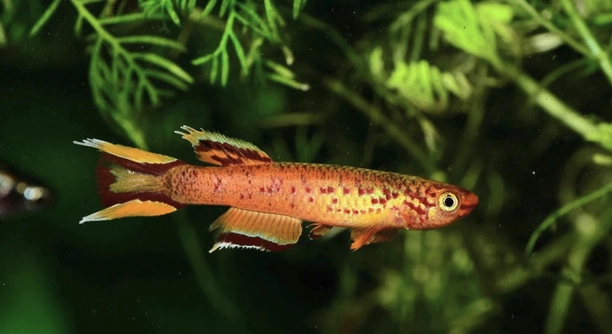
Killis are small, colorful fish often kept in home aquariums. Their behavior can sometimes seem unusual or even harsh to observers. One common question among enthusiasts is whether killis eat their own young.
Killis do occasionally consume their young, especially in confined or stressful environments. This behavior is a natural survival strategy seen in many fish species, helping to reduce competition and increase the chances of offspring survival under certain conditions.
Understanding why killis exhibit this behavior can help owners create better care environments. This knowledge ensures healthier fish and supports the wellbeing of both adults and fry.
Why Killis Eat Their Young
Killis eat their young mainly due to instinct and environmental factors. In the wild, this behavior helps control population size and improves survival chances for the strongest fry. Stressful conditions, such as overcrowding or poor water quality, can increase the likelihood of this happening in home aquariums. Sometimes, adult killis may mistake their fry for food because of their small size and movement. Providing plenty of hiding spaces and keeping the tank clean can reduce this behavior. It’s also common for killis to eat their young if they feel threatened or if food is scarce. This natural reaction ensures they get necessary nutrition during tough times. Understanding these reasons can help you better care for your killis and create an environment where both adults and fry thrive.
This behavior is common among many fish species and should be expected to some degree in captivity.
Managing tank conditions and providing proper care reduces the chances of adult killis preying on their young.
How to Prevent Killis from Eating Their Young
Separating adult killis from their fry is the most effective way to prevent them from being eaten. Using breeding boxes or separate tanks ensures the young have a safe space to grow. Providing abundant food helps reduce adults’ hunger-driven aggression toward fry. Keep the environment stable with clean water and plenty of plants or hiding spots to lower stress levels. When the fry become larger and less vulnerable, they can be safely reintroduced. Regular observation is important to adjust conditions as needed and protect the young fish. Preventing this behavior helps increase the survival rate and supports a healthy killifish population in your aquarium.
Signs That Killis Are Eating Their Young
Adult killis often show increased aggression around spawning sites. Fry may suddenly disappear after hatching. You might notice adults chasing or nipping at small fish.
Aggressive chasing and nip marks on fry indicate predation. Adults become more territorial and restless near eggs or fry. Fry hiding less or failing to grow can also suggest they are being eaten. Monitoring behavior closely after breeding helps catch these signs early. It’s important to act quickly to protect the young and prevent losses.
Removing adults or isolating the fry in breeding boxes can reduce these signs. Observing changes in adult behavior around breeding times improves care strategies for killis.
Best Tank Setup for Killis with Fry
A planted tank with plenty of hiding spots benefits both adults and fry. Dense plants, moss, and floating vegetation give fry safe areas. Avoid overcrowding to reduce stress and aggression.
Using breeding nets or separate fry tanks prevents adults from reaching young fish. Maintaining stable water parameters keeps both groups healthy. Regular water changes and gentle filtration support fry development. Feeding small, frequent meals helps fry grow quickly and reduces adults’ interest in eating them. A balanced environment tailored to killis’ needs encourages successful breeding and higher survival rates. This setup creates harmony between adults and their offspring in a shared space.
Common Killis Species That Eat Their Young
Many killis show this behavior, but it is more common in some species. Fundulopanchax gardneri and Aphyosemion australe are known for eating their fry.
Other species may show less aggression, especially if the environment is well managed.
Feeding Killis to Reduce Cannibalism
Feeding adults plenty of high-quality food lowers their interest in eating fry. Protein-rich diets with live or frozen foods work best. Regular feeding keeps adults satisfied and less aggressive toward their young.
Providing frequent, small meals helps maintain this balance and supports healthier fish overall.
When to Separate Fry from Adults
Separating fry within a few days after hatching improves survival rates. Adults tend to become more aggressive as fry grow. Early separation protects young fish during their most vulnerable stage.
Waiting too long increases the risk of predation and stress for both groups.
FAQ
Do all killis eat their young?
Not all killis eat their young, but many species do as a natural behavior. This usually happens under stress or when food is scarce. Some species are less aggressive and more tolerant, especially if the environment is spacious and well maintained. Providing hiding spots and proper care can reduce this behavior.
Why do killis eat their fry?
Killis eat their fry mostly for survival reasons. In nature, this limits the number of offspring so the strongest survive. Adults may also eat their young if they mistake them for food or feel stressed. This behavior helps manage resources but can be frustrating in captivity.
How can I stop killis from eating their young?
The best way is to separate the fry from adults quickly after spawning. Using breeding boxes or a separate tank gives fry a safe space to grow. Also, feed adults well to reduce hunger-driven aggression. Keeping the tank clean and providing hiding places helps lower stress.
What is the best diet for adult killis during breeding?
A protein-rich diet helps adults stay healthy and less likely to eat fry. Live or frozen foods like brine shrimp, daphnia, or bloodworms work well. Feeding small amounts multiple times a day keeps adults satisfied and less aggressive. Avoid overfeeding to maintain water quality.
How long should fry stay separated from adults?
Fry should stay separated until they are large enough to avoid being eaten, usually around 4 to 6 weeks. At this point, they are less vulnerable and better able to escape any adult aggression. Gradual reintroduction can be done carefully once fry are stronger.
Can killis live peacefully with other fish?
Killis can live peacefully with certain calm and small species, but aggression varies by killifish species. Avoid mixing them with large or aggressive fish to prevent stress. Always monitor tank behavior when introducing new fish to ensure compatibility.
What tank conditions help reduce fry predation?
Maintaining stable water parameters, clean water, and plenty of plants or hiding spots helps reduce fry predation. Overcrowding should be avoided to lower stress and aggression. A well-planted tank mimics natural environments and keeps fry safer.
Are killis good for beginner fishkeepers?
Killis can be good for beginners if their needs are understood. They require stable water conditions and proper care to prevent fry loss. Breeding killis takes some attention, especially to protect young fish from adults. Learning their behavior helps make care easier.
Is it normal for killis to eat only some of their young?
Yes, it’s common for killis to eat some but not all fry. This selective behavior is natural and helps reduce competition. The adults may leave some fry alone while consuming others, especially the weakest or slowest.
What signs indicate fry are at risk of being eaten?
Signs include fry disappearing suddenly, adults showing increased aggression, or chasing fry around the tank. Fry hiding less or having bite marks may also indicate risk. Observing these behaviors early helps with timely intervention to protect the young.
Can providing more food completely stop killis from eating their fry?
Providing enough food reduces, but does not always completely stop, killis from eating their fry. Hunger is a factor, but instinct and stress also play roles. Separation and proper tank management are usually necessary to fully prevent this behavior.
How often should I feed killis fry?
Killis fry need frequent feeding, usually 3 to 4 times daily. They require small amounts of food like infusoria, baby brine shrimp, or finely crushed flakes. Consistent feeding supports healthy growth and reduces chances of fry loss due to starvation or aggression.
Can I breed killis in a community tank?
Breeding killis in a community tank is difficult because adults may eat fry and other fish might pose threats. It’s best to breed killis in a dedicated breeding setup with controlled conditions to ensure higher fry survival rates.
What is the best way to monitor fry survival?
Regularly checking the tank for fry activity and counting young fish helps monitor survival. Observing adult behavior near breeding sites and noting any aggressive actions also provides insight. Maintaining good water quality supports overall health.
Do killis eat their eggs as well as fry?
Yes, some killis may eat their eggs if they feel stressed or if the eggs are not well hidden. Providing spawning mops or dense plants can help protect eggs from being eaten by adults. Removing adults after spawning is often recommended.
How important is water quality for preventing cannibalism?
Good water quality is crucial. Poor water conditions increase stress, which can lead to more aggressive behavior, including eating fry. Regular water changes, proper filtration, and monitoring parameters keep killis calm and healthy.
Can stress cause killis to eat their young more often?
Stress is a major factor that increases the likelihood of adults eating their fry. Stress can come from overcrowding, poor water quality, or sudden changes in the environment. Reducing stress helps minimize this behavior significantly.
Are there killis species that never eat their young?
Almost all killis have some tendency to eat their young, but some species show less aggression. However, completely preventing this behavior naturally is rare. Proper care and environment management are the best ways to reduce fry losses.
Should I remove adults immediately after spawning?
Removing adults immediately after spawning is the safest way to protect eggs and fry. It prevents adults from eating them and reduces stress for both groups. This practice is common among killis breeders to improve survival rates.
What is the typical survival rate of killis fry without intervention?
Without intervention, survival rates can be low due to predation by adults and other factors. Many fry may be eaten or fail to thrive. Separating fry and managing tank conditions improves survival significantly.
Can environmental enrichment reduce fry predation?
Yes, adding plants, moss, and hiding places creates a safer space for fry. Environmental enrichment reduces stress and aggressive behavior by giving fry places to escape and adults less territorial pressure.
How long does it take for killis fry to grow strong enough to avoid predation?
Fry usually grow strong enough to avoid predation within 4 to 6 weeks. By this time, they develop better swimming skills and size to escape adults. Careful monitoring during this period is important for their survival.
Is it normal for adult killis to eat weaker fry first?
Yes, adults often eat weaker or slower fry first. This natural selection helps maintain a healthier population by removing less fit offspring. Providing ample hiding spots can help some weaker fry survive longer.
What role does tank size play in fry survival?
Larger tanks reduce crowding and aggression, allowing fry more space to hide and grow. Small tanks increase stress and make fry easier targets. Choosing an appropriate tank size supports better survival chances.
Can using a breeder box cause stress for adult killis?
Some adults may become stressed if confined in small breeder boxes for too long. It’s important to balance protection of fry with adult welfare by limiting time in the box and providing adequate care.
Are there any natural ways to discourage killis from eating their young?
Natural methods include creating a heavily planted tank, providing plenty of food, and separating fry quickly. These methods reduce stress and hunger, encouraging adults to ignore their young. However, they may not fully eliminate the behavior.
How often should water changes be done during breeding?
During breeding, frequent small water changes help maintain water quality without stressing fish. Weekly or twice-weekly changes of about 20-30% are common. Avoid sudden changes that could upset the fish.
What are some good hiding plants for killis fry?
Java moss, hornwort, and floating plants like duckweed provide excellent cover. These plants create dense areas where fry can hide from adults. Using a mix of plants increases safety and mimics natural habitats.
Can temperature affect killis breeding behavior and fry survival?
Temperature influences breeding activity and fry development. Most killis breed best around 72-75°F (22-24°C). Stable temperature helps reduce stress and supports healthy fry growth. Sudden temperature changes can increase aggression and fry mortality.
Is it necessary to feed fry live food?
Live food is ideal for killis fry as it encourages natural hunting behavior and provides essential nutrients. Infusoria, baby brine shrimp, and microworms are common choices. However, finely crushed flakes can be used if live food is not available.
What is the best time of day to feed killis fry?
Feeding fry in the morning and early evening works well, aligning with their active periods. Multiple small feedings throughout the day ensure they get enough nutrition without polluting the water.
How quickly do killis fry grow?
Killis fry grow relatively fast under good conditions, reaching juvenile size in about 4 to 6 weeks. Growth depends on diet, water quality, and tank environment. Proper care accelerates development and survival chances.
Can killis fry survive without plants in the tank?
While fry can survive without plants, the lack of hiding spots increases stress and predation risk. Plants provide shelter, improve water quality, and create a safer environment. It’s best to include plants when raising fry.
Are killis good for breeding beginners?
Killis are suitable for beginners willing to learn their specific care needs. They require attention to breeding conditions and protecting fry. Success improves with patience and understanding their natural behaviors.
What is the ideal pH for killis breeding?
Most killis prefer slightly acidic to neutral pH between 6.0 and 7.0 for breeding. Stable pH supports healthy egg development and fry survival. Sudden pH changes should be avoided.
How do I know when fry are ready to be moved back with adults?
Fry are ready when they reach a size that adults cannot easily eat, usually after 4 to 6 weeks. They should be strong swimmers and healthy. Move them slowly and watch for any signs of aggression.
Is it normal for some fry not to survive even with care?
Yes, some fry loss is normal due to natural selection and individual health differences. Even with the best care, not all fry will survive to adulthood. This is part of the breeding process.
Can overcrowding increase cannibalism among killis?
Overcrowding raises stress and competition for resources, leading to increased cannibalism. Keeping appropriate stocking levels is key to reducing aggressive behaviors and fry predation.
What is the role of lighting in killis breeding tanks?
Moderate lighting encourages normal behavior and plant growth without stressing fish. Too bright or constant light can increase stress and aggression. A natural day-night cycle supports healthy breeding conditions.
Should I quarantine new killis before adding them to a breeding tank?
Quarantining new fish prevents disease introduction and allows observation of behavior. This practice protects the health of breeding adults and fry, ensuring a safer environment.
How often should I clean the breeding tank?
Regular cleaning, about once a week, helps maintain water quality. Avoid deep cleaning that disturbs fish or removes beneficial plants. Gentle maintenance supports a stable environment for breeding.
What is the average lifespan of killis?
Killis live about 2 to 3 years in captivity, depending on species and care. Good water quality, diet, and tank conditions can extend their lifespan. Breeding typically occurs during their first year.
Can fry be fed with the same food as adults?
Fry require smaller, softer foods like infusoria or baby brine shrimp. Adult flakes or pellets are too large. As fry grow, they can gradually transition to adult food. Proper feeding supports healthy growth.
Are killis easy to sex for breeding purposes?
Sexing killis is relatively easy since males are usually more colorful and have longer fins. Females tend to be rounder, especially when carrying eggs. Correct sexing improves breeding success.
Can fry be raised in a bare tank?
Bare tanks simplify cleaning but offer no hiding places for fry. This increases stress and predation risk. If using a bare tank, extra care must be taken to protect fry through separation or breeding boxes.
Is it necessary to provide live plants for successful killis breeding?
Live plants are not absolutely necessary but greatly improve breeding success. They offer hiding spots, improve water quality, and simulate natural habitats, reducing stress and fry predation.
What temperature range is best for killis fry development?
A steady 72-75°F (22-24°C) promotes healthy fry growth. Temperatures outside this range can slow development or increase mortality. Stable conditions are more important than exact temperature.
How long do killis eggs take to hatch?
Eggs typically hatch within 10 to 14 days, depending on species and temperature. Warmer temperatures speed up hatching but should be kept within safe limits to avoid harm.
Can killis adults live with their fry after hatching?
Adults often eat their fry, so it is not recommended to keep them together without barriers. Separation or protective measures improve fry survival rates.
How can I tell if my killis eggs are fertile?
Fertile eggs appear clear with visible embryos inside, sometimes with small eyes. Unfertilized eggs tend to be opaque or cloudy and often develop fungus. Proper identification helps manage breeding success.
Are killis sensitive to water changes during breeding?
Sudden or large water changes can stress killis during breeding. Small, frequent changes help maintain water quality without causing shock. Stability supports healthier breeding conditions.
What are the best foods for killis fry after they start swimming?
After swimming begins, fry do well on infusoria, baby brine shrimp, and microworms. These foods are small and nutritious, promoting steady growth and development during early life stages.
Is it normal for adult killis to ignore their fry sometimes?
Yes, adults may ignore fry when well-fed and in low-stress conditions. This is a good sign that fry have a better chance of survival but should not be relied on exclusively for protection.
Can killis fry survive in soft or hard water?
Killis fry generally prefer soft to moderately hard water, similar to their natural habitats. Extreme hardness or softness can cause stress or health issues. Maintaining stable parameters is key.
How does pH affect killis fry survival?
Slightly acidic to neutral pH (6.0-7.0) is ideal for fry survival. Extreme pH levels can harm eggs and fry, affecting development and health. Regular testing ensures safe water conditions.
Are there behavioral differences between killis species regarding fry care?
Yes, some species are more aggressive toward fry, while others show less predation. These differences depend on natural habits and environmental adaptations. Knowing your species helps tailor care strategies.
Is it necessary to add vitamins or supplements to killis fry food?
Supplements can improve fry health and growth but are not always required if the diet is balanced. Live foods often provide enough nutrition. Supplements are helpful in weaker or less diverse diets.
What is the best lighting schedule for killis fry tanks?
A 10-12 hour light cycle with a period of darkness simulates natural conditions. This supports normal activity and growth while preventing stress from constant lighting.
Can killis fry be kept with other small fish species?
Fry are vulnerable and can be eaten by other fish. It’s safer to keep them separate or with peaceful, small species that won’t harm them. Monitoring tankmates is important for fry safety.
How can I tell when killis fry start to school?
Fry begin schooling when they grow larger and feel safer, usually after several weeks. Schooling behavior indicates good health and social development.
Do killis fry need special care during their first week?
Yes, the first week is critical for feeding, water quality, and protection from adults. Small, frequent feedings and a clean environment are essential for survival.
What are the common diseases affecting killis fry?
Fry are prone to fungal infections, ich, and bacterial diseases. Maintaining water quality and quarantine helps prevent outbreaks. Early treatment improves recovery chances.
Is it normal for killis fry to hide often?
Yes, hiding is natural for fry to avoid predation and stress. Providing plenty of cover encourages this behavior and improves survival rates.
How often should I check water parameters during breeding?
Weekly checks are usually sufficient if conditions are stable. More frequent monitoring may be needed during early breeding stages or if problems arise.
Can killis fry tolerate slight fluctuations in water temperature?
Minor temperature fluctuations are usually tolerated but should be kept minimal. Large swings can stress fry and reduce survival. Stability is most important.
Is it okay to mix different killis species in one tank for breeding?
Mixing species is not recommended because of risk of hybridization and differing care needs. It can also increase aggression and stress. Separate tanks are better for each species.
How can I tell when killis fry are ready to eat adult food?
Fry can start eating crushed flakes or pellets when they are about 4-6 weeks old and large enough to handle the food. Gradually introducing adult food helps transition diets smoothly.
Are killis territorial during breeding?
Yes, males often become territorial and aggressive to protect spawning sites. Providing space and hiding spots helps reduce conflicts during breeding.
How long do adult killis care for their young?
Adult killis generally do not care for their young and may even eat them. Fry care mainly depends on tank conditions and protection from adults.
What is the best way to increase fry survival in a home aquarium?
Separating fry, maintaining good water quality, providing plenty of hiding spots, and feeding appropriate food increase survival rates. Careful monitoring supports healthy growth.
Can stress in adult killis cause breeding failure?
High stress levels can prevent spawning or lead to adults eating eggs and fry. Reducing stress through proper tank setup and handling encourages successful breeding.
How important is tank decoration for killis breeding success?
Decorations like plants and caves provide shelter and reduce aggression, creating a more natural environment. This supports both adults and fry during breeding.
Can killis fry survive without live food?
Fry can survive on powdered or crushed flake foods, but live food improves growth and survival. Offering live food mimics natural feeding and provides essential nutrients.
**Are there signs of illness specific to
Final thoughts bring everything together without adding new ideas. They help to close the discussion clearly and simply. It is important to keep them short and focused. This way, the reader can easily understand the main points and feel satisfied with the content.
In these last paragraphs, it is best to restate the main message in a few words. This reminds the reader what matters most. Avoid repeating details or examples from earlier. Instead, focus on the overall idea or the key takeaway. This makes the ending strong and clear.
Finally, a neutral tone works well here. It shows respect for the reader’s own views and leaves space for them to think. It also keeps the content professional and balanced. Using simple language makes the final thoughts easy to read and remember. This is how the article can end smoothly and effectively.

Hello,
If you enjoy the content that we create, please consider saying a "Thank You!" by leaving a tip.
Every little bit helps us continue crafting quality advice that supports the health, happiness, and well-being of pets around the world, for pets of all shapes, sizes, and species.
We really appreciate the kindness and support that you show us!