
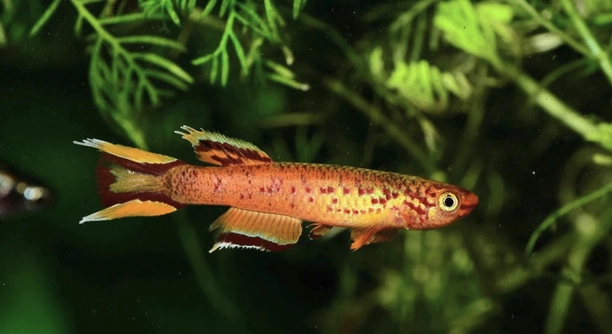
Killifish are popular aquarium fish known for their bright colors and unique breeding habits. Many keepers are interested in their behavior around eggs, especially since these fish have distinct reproductive patterns. Understanding their egg care helps hobbyists provide better environments.
Killifish generally do not eat their own eggs under normal conditions. In fact, many species deposit eggs in specific substrates and leave them to develop independently. However, in stressful or crowded environments, some may consume eggs, but this is not typical behavior.
Knowing how killifish handle their eggs can improve breeding success and overall fish health. The following details explain why and when egg-eating might occur and how to prevent it.
Why Killifish Sometimes Eat Their Eggs
Killifish usually lay their eggs in safe places like moss or soft plants. These eggs develop on their own, as most killifish don’t care for them directly. However, when stressed, hungry, or crowded, some killifish may eat their eggs. This behavior often happens because the fish feel threatened or their environment is not ideal. For example, if the water quality is poor or if the tank is too small, killifish might become more aggressive and eat eggs as a survival instinct. It’s also common in newly introduced fish that are not used to their surroundings. Providing enough hiding places and keeping the tank clean can reduce this behavior. Watching your killifish closely during breeding helps you spot any issues early and act to protect the eggs. Overall, the conditions of the tank greatly influence whether the eggs are safe.
Egg eating by killifish is mostly linked to stress or poor tank conditions rather than a natural habit.
Understanding the causes helps you create a better environment for breeding. A stable tank with proper water parameters and plenty of hiding spots encourages healthier behavior. Avoid overcrowding, and feed your fish well to reduce the chance they will see eggs as food. Removing adults after spawning can also protect eggs from being eaten. These small actions make a big difference in successful killifish breeding.
How to Protect Killifish Eggs Effectively
Keeping killifish eggs safe starts with good tank setup.
A clean tank with proper plants or spawning mops gives eggs a secure place to develop. Using separate breeding tanks can also prevent adults from eating eggs. Regular water changes keep the environment healthy, which lowers stress in fish. Feeding killifish high-quality food before and after spawning ensures they have enough nutrients and reduces the chance of egg-eating due to hunger. Monitoring water temperature and pH according to the species’ needs supports healthy egg growth. Additionally, some breeders remove adults after spawning to give eggs time to hatch safely. These steps help protect eggs until they grow into healthy fry. Consistency in care is key to successful killifish breeding and egg survival.
Common Killifish Breeding Mistakes
Overcrowding the tank can lead to stressed killifish that eat their eggs.
Many beginners place too many fish in a small tank, which increases aggression and egg predation. Without enough space, fish become restless and may see eggs as an easy meal. Using separate breeding tanks or giving adults plenty of room reduces this risk. Another common mistake is poor water quality. Dirty water stresses fish and weakens eggs, making them more vulnerable. Skipping regular water changes and not monitoring water parameters often causes problems during breeding.
Not providing proper hiding spots for eggs is another frequent error. Killifish eggs need soft plants, moss, or spawning mops to stick to and hide in. Without these, eggs are exposed and easily eaten. Using suitable spawning materials helps keep eggs safe and encourages successful hatching. Feeding adults enough before breeding also prevents egg eating by reducing hunger-driven behaviors.
Signs That Killifish Are Eating Their Eggs
Eggs disappearing shortly after spawning often means adults are eating them.
If you notice fewer eggs than expected or broken eggs scattered in the tank, it is a clear sign. Killifish might nibble eggs or swallow them completely, especially when stressed or hungry. Watching fish closely during and after spawning helps catch this behavior early. Aggressive chasing or guarding of eggs can also indicate stress that might lead to egg-eating. Another sign is a sudden drop in egg count with no visible cause, like water flow or cleaning disturbances. Early detection allows you to separate adults or improve conditions quickly to save remaining eggs.
Preventing Egg Eating in Killifish
Separating adults from eggs right after spawning is very effective.
Providing plenty of plants or spawning mops gives eggs secure hiding spots, reducing exposure.
Best Foods to Feed Killifish During Breeding
Feeding killifish a diet rich in protein helps keep them healthy and less likely to eat eggs. Live or frozen foods like bloodworms, brine shrimp, and daphnia are ideal. These foods boost energy and improve spawning success. Avoid overfeeding, but ensure they have enough nutrition before and after breeding. Proper feeding reduces stress and egg predation by satisfying their hunger naturally.
How Long Do Killifish Eggs Take to Hatch?
Killifish eggs usually hatch within 10 to 14 days, depending on the species and water conditions.
When to Remove Adult Killifish from the Breeding Tank
Adults should be removed immediately after spawning to protect the eggs from being eaten or damaged.
Do killifish always eat their own eggs?
No, killifish do not always eat their own eggs. Most species deposit their eggs in safe spots and leave them alone. Egg eating usually happens only if the fish are stressed, hungry, or if the tank conditions are poor. Proper care greatly lowers the chance of this behavior.
Why do killifish sometimes eat their eggs?
Killifish may eat eggs when they feel threatened or when their environment isn’t right. Stress from overcrowding, bad water quality, or lack of food can cause adults to eat their eggs. Sometimes, if eggs are left exposed without hiding places, they become easy targets for adults.
How can I tell if killifish are eating their eggs?
You might notice fewer eggs than expected or broken eggs in the tank. Killifish eating their eggs often happens soon after spawning. Watching adults closely during this time helps catch the behavior early. Aggressive chasing or sudden egg loss are signs to look for.
What is the best way to stop killifish from eating eggs?
Removing adults immediately after spawning is the most effective method. Also, providing plenty of plants or spawning mops gives eggs places to hide. Feeding adults well before and after spawning reduces hunger-driven egg eating. Keeping the tank clean and stress-free helps too.
Can killifish eggs survive without parental care?
Yes, killifish eggs develop well without parental care. Most killifish species don’t protect or clean their eggs. Instead, they rely on the eggs being hidden in moss or plants. Keeping eggs in a safe environment ensures better survival rates.
Should I use a separate breeding tank?
Using a separate breeding tank is often recommended. It prevents adults from eating eggs and lets you control water quality better. In a breeding tank, you can provide ideal conditions and remove adults after spawning, protecting the eggs until they hatch.
How often should I change water during killifish breeding?
Regular water changes are important but should be gentle. Changing 20–30% of the water every few days keeps conditions stable and reduces stress. Sudden or large water changes can disturb eggs or fry, so consistency matters more than frequency.
What foods are best for breeding killifish?
Protein-rich foods like bloodworms, brine shrimp, and daphnia support healthy breeding. These foods increase energy levels and improve egg quality. Feeding killifish well before spawning lowers the chance they will eat their eggs due to hunger.
How long does it take for killifish eggs to hatch?
Killifish eggs generally hatch in 10 to 14 days, depending on the species and water temperature. Warmer water usually speeds up hatching, while cooler temperatures slow it down. Monitoring conditions helps predict when fry will appear.
What should I do after the eggs hatch?
Once eggs hatch, it’s important to provide tiny live foods like infusoria or newly hatched brine shrimp to fry. Keep water clean and avoid adding adults back too soon to protect the young fish. Gradually increase feeding as fry grow.
Is it normal for killifish to eat eggs sometimes?
While not common, it is normal under certain conditions. Stress, hunger, or poor environment can trigger egg-eating behavior. Understanding these factors helps prevent the problem and improves breeding success.
Can all killifish species be bred the same way?
No, different killifish species have slightly different breeding habits and egg care needs. Some lay eggs in mud or peat, while others prefer plants or spawning mops. Researching your specific species ensures the best breeding setup.
How can I reduce stress in killifish during breeding?
Keeping water clean, providing enough space, and offering hiding places reduce stress. Feeding a balanced diet and avoiding sudden changes in the tank also help. A calm environment encourages natural breeding behavior and egg survival.
What happens if eggs are not removed from the tank?
If adults stay with eggs, some may eat them, reducing the number of fry. Also, leftover eggs can rot and pollute the water, harming both adults and fry. Removing adults or eggs to a separate tank is often necessary for success.
Are there signs that killifish eggs are unhealthy?
Unhealthy eggs may look cloudy, fuzzy, or discolored. They might also fail to develop or hatch. Removing unhealthy eggs prevents contamination and protects healthy eggs from harm. Keeping good water quality reduces risks of egg disease.
Killifish are fascinating fish with unique breeding habits that many people enjoy observing. Their eggs are small and delicate, and their care requires attention to detail. While most killifish do not eat their own eggs, certain conditions can cause this behavior. Stress, hunger, overcrowding, and poor water quality are the main reasons adult killifish might eat eggs. Understanding these factors can help create a better environment for your fish and increase the chances of successful breeding. Keeping the tank clean and stable plays an important role in reducing stress for both adults and eggs.
Providing a proper breeding setup is key to protecting killifish eggs. Using separate breeding tanks or giving adults plenty of space helps avoid overcrowding and aggression. Adding plants, moss, or spawning mops gives eggs safe places to develop. Feeding killifish high-quality foods before and after spawning ensures they are well-nourished, lowering the chance they will eat their eggs. It is also helpful to remove adults after spawning to protect the eggs until they hatch. Regular water changes and stable water parameters support healthy eggs and reduce the risk of problems during development.
Overall, patience and care are important when breeding killifish. Observing your fish closely and making adjustments based on their behavior can improve egg survival rates. While egg-eating can be frustrating, it is often a sign that the environment needs improvement. By maintaining clean tanks, feeding well, and providing hiding spots, you give your killifish the best chance to raise healthy fry. Learning the needs of your specific killifish species will also help you handle their breeding habits better. With time and practice, breeding killifish can be a rewarding experience that brings satisfaction and a better understanding of these unique fish.

Hello,
If you enjoy the content that we create, please consider saying a "Thank You!" by leaving a tip.
Every little bit helps us continue crafting quality advice that supports the health, happiness, and well-being of pets around the world, for pets of all shapes, sizes, and species.
We really appreciate the kindness and support that you show us!