
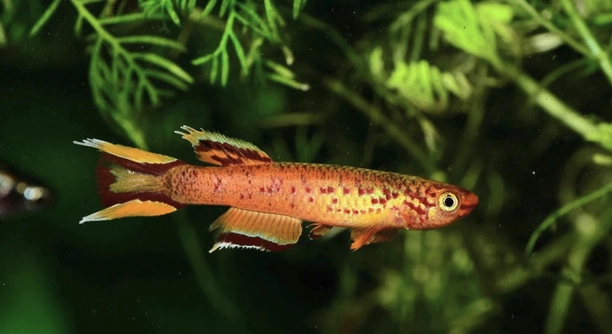
Killifish, or killis, are popular aquarium fish known for their vibrant colors and interesting behaviors. Many hobbyists keep them for their unique breeding habits. One common concern among killifish owners is whether these fish eat each other’s eggs.
Killifish sometimes do eat their own or other killis’ eggs, especially in crowded or stressful environments. Egg predation can occur as a natural behavior to reduce competition or due to lack of food. Proper tank setup helps minimize this behavior.
Understanding killifish egg-eating habits can improve breeding success and tank harmony. Knowing what causes this behavior is key to creating a healthy environment for your killis.
Why Killis Eat Eggs
Killifish may eat eggs for several reasons, mostly related to survival and environment. In the wild, eating eggs reduces competition for resources, helping the strongest fish survive. In home aquariums, overcrowding or stress can trigger this behavior. Sometimes, killis mistake eggs for food if they are hungry. Additionally, some species are more prone to egg-eating than others. Keeping the tank clean and providing plenty of hiding spaces can reduce this behavior. Also, separating eggs or breeding pairs helps protect the eggs. Understanding the killifish’s natural instincts is important for successful breeding and care. Creating the right environment reduces the chance of eggs being eaten and improves the chances of fry survival. Proper feeding and tank management play a key role in controlling this behavior.
Egg-eating is a natural behavior for killifish but can be managed with the right care and tank setup.
Preventing egg predation requires attention to tank conditions and fish behavior. Providing ample space reduces stress, which lowers the risk of killifish eating eggs. Also, using breeding traps or separate breeding tanks can protect eggs during vulnerable stages. Feeding killis well decreases their need to eat eggs as a food source. Careful observation during breeding seasons helps detect and prevent egg-eating before it becomes a problem. These steps make breeding killifish more successful and less stressful.
How to Protect Killifish Eggs
Separating eggs from adult fish is an effective way to protect them.
One common method is using spawning mops or fine-leaf plants where killis lay eggs. These can be removed and placed in a separate tank or container for incubation. Another method is breeding pairs in tanks with egg traps or slotted floors that allow eggs to fall away from adults. Clean water and stable conditions help eggs develop properly. Monitoring the tank and removing adults after spawning can also prevent egg predation. Feeding adults enough high-quality food keeps them less likely to eat eggs. These measures improve egg survival rates and support healthy fry development. Taking steps to protect killifish eggs leads to better breeding outcomes and healthier fish populations.
Signs That Killis Are Eating Eggs
If you notice fewer fry than expected, egg-eating may be occurring. Broken or missing eggs in the breeding area also indicate this behavior. Adults lingering near eggs or pecking at them can be a clear sign.
Killifish that eat eggs often appear more aggressive or restless during breeding. They may repeatedly search the substrate or plants where eggs are laid. Sometimes, adults will spit out eggs after eating, which can also be a sign. Observing these behaviors helps determine if egg predation is happening. Timely action can prevent further loss of eggs and improve fry survival.
Identifying egg-eating early is crucial to protect the next generation. Monitoring your killis carefully during spawning helps catch any unusual behavior. It is best to separate eggs quickly if you suspect adults are eating them. Early intervention ensures better chances for the eggs to hatch successfully.
Feeding to Reduce Egg Eating
Providing a balanced and plentiful diet reduces the likelihood of killifish eating eggs.
Killifish fed a varied diet including live, frozen, and high-quality pellet food are less likely to turn to eggs as a food source. Feeding smaller amounts more frequently keeps them satisfied and reduces stress. Nutrient-rich foods like brine shrimp and daphnia promote health and natural behaviors, decreasing egg predation. It is important to feed adults well before and after spawning to meet their energy needs. Proper nutrition supports breeding success and healthier fry development. Regular feeding routines also help keep killis calm and focused on breeding rather than searching for food in the tank.
Tank Setup to Minimize Egg Eating
A well-planned tank setup reduces egg predation among killifish. Providing plenty of hiding spots and plants helps protect eggs and fry from adult fish.
Using spawning mops or dense vegetation offers safe places for eggs to settle. Proper filtration and regular cleaning maintain water quality, lowering stress levels that can cause egg eating.
Separating Breeding Pairs
Separating breeding pairs during spawning prevents adults from eating eggs. Using breeding tanks or containers allows safe egg collection. This method increases hatch rates by isolating eggs from adult fish that may consume them.
Managing Stress in Killifish
Stress increases aggressive and egg-eating behavior in killifish. Keeping stable water conditions and avoiding overcrowding helps reduce stress. Calm environments improve breeding success and decrease egg predation risks.
Do killifish eat only their own eggs or others’ eggs as well?
Killifish can eat both their own eggs and those of other killis in the same tank. This behavior depends on factors like stress, tank conditions, and food availability. In crowded or poorly maintained tanks, adults may consume any eggs they find to reduce competition or satisfy hunger.
How can I tell if my killifish are eating eggs?
Look for missing or damaged eggs soon after spawning. Adults pecking at the substrate or plants where eggs were laid is a clear sign. A reduced number of fry compared to expected hatch rates also suggests egg predation. Observing aggressive or restless behavior near eggs during spawning helps confirm this issue.
Is egg eating normal for all killifish species?
Not all killifish species show the same tendency to eat eggs. Some species are more prone to this behavior due to natural instincts or environmental factors. Researching the specific species you keep can help understand their breeding habits and how likely they are to eat eggs.
Can feeding killifish more prevent egg eating?
Yes, feeding killifish a balanced diet with enough live or frozen foods helps reduce egg eating. Well-fed fish are less likely to view eggs as food. Feeding small portions multiple times daily keeps them satisfied and lowers the chances of egg predation caused by hunger or stress.
What tank conditions help reduce egg eating?
Stable water parameters, ample hiding spaces, and low stocking density minimize stress and egg-eating behavior. Using spawning mops, dense plants, or breeding traps protects eggs from adults. Regular cleaning and good filtration maintain a healthy environment, preventing stress-related aggression.
Should I separate the eggs from adult killifish?
Separating eggs from adults is often the best way to prevent egg eating. Using breeding tanks or egg traps allows safe collection and incubation. Removing adults after spawning protects eggs until they hatch, increasing fry survival rates.
How long do killifish eggs take to hatch?
Most killifish eggs hatch within 7 to 14 days, depending on species and water temperature. Maintaining stable conditions during this time is essential for healthy development. Frequent monitoring ensures timely removal of adults and protects eggs from predation.
Can stress cause killifish to eat eggs?
Yes, stress increases aggressive behavior, including egg eating. Overcrowding, poor water quality, sudden changes, or incompatible tank mates raise stress levels. Reducing these factors through proper tank management helps lower egg predation.
Are there signs that killifish are about to eat eggs?
Adults lingering near spawning sites, pecking at eggs, or showing increased aggression during breeding indicate potential egg eating. Early detection allows quick intervention, such as separating eggs or adults, to protect the developing fry.
Can breeding pairs be kept together safely without egg eating?
Some killifish pairs can be kept together safely if the tank is spacious, well-planted, and stress is minimal. However, egg eating can still occur, so monitoring behavior closely is important. Many breeders prefer using separate breeding tanks to avoid risks.
What are the best foods to feed killifish during breeding?
Live foods like brine shrimp, daphnia, and bloodworms are excellent for breeding killifish. These foods provide necessary nutrients and stimulate natural feeding behavior. Supplementing with high-quality pellets or flakes ensures a balanced diet that supports reproduction.
Does the size of the tank affect egg eating?
Smaller, overcrowded tanks increase stress and the chance of killifish eating eggs. Providing ample space reduces competition and aggressive behaviors. Larger tanks with plenty of hiding places create safer environments for eggs and fry.
Can other fish in the tank increase egg predation risk?
Yes, other fish species may eat killifish eggs or compete aggressively, increasing stress. Keeping breeding killifish separate from other species reduces this risk and improves egg survival rates.
Is it possible to breed killifish successfully without egg eating?
Yes, with careful tank management, proper feeding, and separating eggs, breeding killifish without significant egg predation is achievable. Consistent care and observation are essential to ensure healthy fry production.
How often should I check on killifish eggs during incubation?
Daily checks help monitor egg development and detect any problems early. Regular observation ensures that eggs remain healthy and that adults or tank mates do not disturb or eat them. Removing any spoiled eggs prevents water quality issues.
Can temperature changes affect egg eating behavior?
Sudden temperature fluctuations stress killifish and may increase egg-eating behavior. Maintaining stable temperatures within the species’ preferred range supports healthy breeding and reduces stress-induced aggression.
What role does water quality play in killifish egg survival?
Good water quality is vital for egg development and reducing stress. Poor water conditions weaken eggs and increase adult aggression. Regular water changes and monitoring keep the environment safe for both eggs and adult fish.
Are there any natural ways to discourage egg eating besides separating eggs?
Providing plenty of plants and hiding spots creates safe areas for eggs, which reduces the chance adults find and eat them. Feeding adults well and keeping stress low also naturally decreases egg predation without constant separation.
Can killifish recognize their own eggs?
Killifish do not seem to distinguish their own eggs from others. They may eat any eggs they come across, especially under stressful or crowded conditions. This makes protective measures important for successful breeding.
Is egg eating more common during certain times of the year?
In home aquariums, egg-eating behavior is less influenced by seasons but more by environmental conditions and stress. Keeping stable conditions year-round helps reduce egg predation regardless of timing.
How can I improve fry survival after eggs hatch?
Once eggs hatch, providing small live foods like infusoria or newly hatched brine shrimp supports fry growth. Keeping fry separate from adults prevents predation. Maintaining clean water and gentle filtration promotes healthy development.
Killifish are fascinating creatures with many unique behaviors, including their tendency to sometimes eat eggs. Understanding this behavior is important for anyone looking to breed killifish successfully. While it may seem harsh, egg eating is a natural part of their survival instincts. In both the wild and home aquariums, killifish may consume eggs to reduce competition or satisfy hunger. Recognizing this helps keep expectations realistic and encourages proper care to manage the behavior. Knowing why killifish eat eggs allows for better preparation and tank management, leading to a more rewarding breeding experience.
Creating the right environment is key to minimizing egg predation. Providing plenty of space, hiding places, and clean water reduces stress, which is a major factor in egg eating. Feeding killifish a balanced, nutritious diet also lowers their need to eat eggs. Many breeders find success by separating eggs from adults using spawning mops, breeding tanks, or traps. These methods protect eggs during their vulnerable stages and increase fry survival. Careful observation during breeding seasons allows timely intervention when egg eating behavior is noticed. Overall, combining good nutrition, tank conditions, and egg protection gives killifish the best chance to reproduce without losses.
Breeding killifish requires patience and attention to detail, but the rewards can be worth the effort. By understanding their natural behaviors and needs, breeders can reduce challenges like egg eating. While it may not be possible to eliminate egg predation entirely, managing tank conditions and feeding routines makes a big difference. With proper care, more eggs survive to hatch and grow into healthy fish. This knowledge helps create a balanced aquarium where killifish thrive. Approaching breeding with this mindset leads to a more successful and enjoyable experience.

Hello,
If you enjoy the content that we create, please consider saying a "Thank You!" by leaving a tip.
Every little bit helps us continue crafting quality advice that supports the health, happiness, and well-being of pets around the world, for pets of all shapes, sizes, and species.
We really appreciate the kindness and support that you show us!