
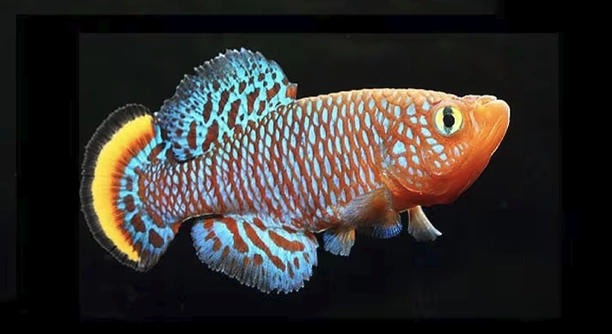
Many fish keepers enjoy raising killifish because of their bright colors and unique behaviors. These small, often delicate fish need the right environment to thrive. Choosing the best substrate for their tanks is an important part of their care.
Killifish can benefit from peat substrates because peat helps maintain soft, acidic water conditions that mimic their natural habitats. It also supports beneficial bacteria growth and can reduce harmful toxins, promoting better health and breeding success for killifish.
Understanding how peat substrates affect water quality and killifish well-being can improve your tank setup and help these fish live longer, healthier lives.
What Is Peat Substrate and Why Use It?
Peat substrate is made from partially decomposed organic material, mainly sphagnum moss. It is often used in aquariums to help create soft, acidic water conditions. This kind of environment is ideal for many killifish species because it closely matches their natural habitats, like streams and ponds with decaying leaves. Peat can also release tannins into the water, which gives it a slight brownish tint. These tannins help lower the pH and soften the water, which is beneficial for killifish health. Many hobbyists find peat substrates useful because they support the growth of good bacteria. These bacteria help break down waste, keeping the water cleaner and safer for fish. Peat substrates also provide a natural look and feel, making the tank more comfortable for killifish. While peat is not essential, it often improves the overall conditions that killifish prefer.
Peat substrate is a natural choice for replicating soft, acidic waters favored by many killifish species.
Using peat helps maintain water chemistry that encourages healthy fish behavior and breeding success.
Benefits of Peat for Killifish
Peat substrates support water conditions that help killifish thrive. The soft, slightly acidic water reduces stress and promotes natural behavior. Peat’s tannins also have mild antibacterial properties that can protect killifish from certain infections. For breeding killifish, these conditions can encourage spawning and increase fry survival rates. The natural debris from peat also provides hiding spots for small fish and helps simulate their environment. While not every killifish species requires peat, those from acidic, tannin-rich waters tend to do better with it. Peat also helps to buffer pH, preventing sudden changes that can harm sensitive fish. Over time, peat substrate slowly breaks down, so it may need to be replaced or refreshed to maintain its benefits. Overall, peat creates a stable, healthy environment that matches what many killifish need.
Peat substrates create natural water conditions that encourage killifish health and breeding.
Maintaining stable water chemistry with peat reduces stress and promotes longer fish lifespan.
How to Use Peat Substrate in Killifish Tanks
Peat substrate needs careful preparation before adding it to your tank. It should be rinsed thoroughly to remove excess dust and particles that can cloud the water.
After rinsing, place the peat substrate in the tank to create a natural base layer. Monitor water parameters closely, especially pH and hardness, as peat will gradually soften and acidify the water. It’s important to change part of the water regularly to maintain a healthy balance and avoid buildup of organic matter. Adding peat bags or loose peat in a mesh filter can help control how much tannin is released without overwhelming the tank. Remember, peat slowly breaks down over time, so refreshing it every few months keeps conditions ideal.
Peat substrate works best with other natural tank elements like driftwood and leaf litter. Together, they create a stable environment that closely mimics killifish habitats and encourages their natural behaviors.
Possible Drawbacks of Using Peat
Peat substrate can stain aquarium water with tannins, turning it a tea color. While this is natural, it may bother some hobbyists who prefer clear water. The tannins also lower pH, which might not suit all fish species in a community tank. Peat can break down over time, making the substrate less effective and requiring replacement every few months. It may also trap debris, increasing maintenance needs. Some fishkeepers find peat hard to work with because it can cloud the water initially and change water chemistry unpredictably if not monitored closely.
Still, peat is an excellent choice when used properly. Regular water testing and partial water changes help avoid sudden shifts in water chemistry. Using peat in moderation prevents excessive tannin buildup while preserving its benefits. If you keep only killifish or other soft-water species, peat is generally a safe and effective substrate option that enhances tank health and fish well-being. Proper care and attention can make peat substrate a valuable part of your killifish setup.
Choosing the Right Peat for Your Tank
Not all peat substrates are the same. Look for high-quality, aquarium-safe peat without added chemicals or fertilizers.
Sphagnum peat moss is the most commonly used type for killifish tanks. It provides natural acidity and tannins without harmful additives.
Monitoring Water Parameters with Peat
Using peat requires regular testing of water pH and hardness. Changes can happen slowly but must be tracked to keep conditions stable. Maintaining consistent water parameters helps killifish stay healthy and reduces stress caused by sudden shifts in water chemistry.
Alternatives to Peat Substrate
Other natural substrates like leaf litter or driftwood can also create soft, acidic water conditions. They don’t provide the same tannin release but contribute to a natural environment for killifish. Using these alternatives can complement or replace peat depending on your setup and preferences.
FAQ
Does peat substrate change water color?
Yes, peat releases tannins that can tint the water a light brown or tea color. This is a natural effect and usually harmless to killifish. Some people like the look because it mimics the fish’s natural habitat, but if you prefer clear water, regular water changes or using activated carbon filters can reduce the tint.
How often should I replace peat substrate?
Peat breaks down over time, typically lasting about three to six months in the tank. After that, its ability to soften water and release tannins decreases. Replacing or refreshing peat every few months helps maintain stable water conditions that killifish need.
Can peat substrate harm other fish species?
Peat lowers pH and softens water, which is great for killifish but may not be suitable for all fish. Species that prefer harder, more alkaline water might experience stress or health problems. Always research the needs of all tank inhabitants before adding peat.
Is peat substrate necessary for all killifish?
Not all killifish require peat substrate. Those from soft, acidic waters benefit the most, while others from harder or neutral pH environments may do fine without it. Knowing your species’ natural habitat helps determine if peat is a good choice.
Will peat substrate make tank maintenance harder?
Peat can trap debris and may cloud water initially, increasing cleaning needs. However, with regular water changes and good filtration, maintenance remains manageable. It’s important to monitor water parameters closely to avoid sudden chemistry shifts.
Can I use peat in a community tank?
Using peat in a community tank depends on the needs of all fish species present. Since peat lowers pH and softens water, it can create unsuitable conditions for some species. If most tank mates prefer soft water, peat is a good option; otherwise, it may cause problems.
How do I prepare peat before adding it to the tank?
Always rinse peat thoroughly to remove dust and loose particles. Some hobbyists soak peat in water for a day or two to reduce cloudiness and control tannin release. Adding peat in mesh bags helps manage its effects on the water more easily.
Can peat help prevent fish diseases?
Peat’s tannins have mild antibacterial properties that can reduce some harmful bacteria in the tank. While it’s not a cure or replacement for proper care, peat can contribute to a healthier environment, lowering disease risks for killifish.
Is peat substrate expensive?
Peat substrate is generally affordable and widely available. Costs vary based on brand, quality, and packaging. Compared to specialized substrates, peat is a cost-effective way to improve water conditions for killifish.
What else can I combine with peat substrate?
Combining peat with driftwood, leaf litter, or other natural materials helps create a balanced, natural environment. These elements release tannins and organic acids, improving water quality and providing hiding places that reduce fish stress.
Peat substrate can be a useful addition to killifish tanks because it helps create water conditions similar to their natural environments. Many killifish species come from soft, acidic waters, and peat naturally lowers pH and softens the water by releasing tannins. This makes the tank environment more comfortable and healthier for these fish. Using peat also supports beneficial bacteria growth, which helps keep the water clean and safe. Over time, this substrate can encourage killifish to behave more naturally and even improve breeding success. For hobbyists focused on keeping killifish happy and healthy, peat substrate is often a good choice.
However, peat substrate is not without its challenges. It can stain the water a brownish color, which might not appeal to everyone. Also, because peat breaks down over time, it needs to be replaced regularly to maintain its benefits. Some fish may not do well with the changes in water chemistry peat causes, especially if they require harder or more alkaline water. It is important to monitor water parameters closely when using peat to avoid stress or health problems for your fish. Peat may also increase tank maintenance slightly because it can trap debris and cause cloudiness at first. Still, many killifish keepers find these drawbacks manageable with proper care.
In the end, peat substrate offers clear advantages for those raising killifish that prefer soft, acidic water. It helps replicate their natural habitat and supports their health in captivity. If you are willing to put in the time to monitor water quality and maintain the tank, peat can be a valuable part of your setup. For those keeping killifish species from harder water or mixed community tanks, peat may not be necessary or ideal. Overall, knowing the needs of your killifish and how peat affects water chemistry will help you decide if peat substrate is right for your aquarium. Taking these factors into account will lead to better care and a more enjoyable fish-keeping experience.

Hello,
If you enjoy the content that we create, please consider saying a "Thank You!" by leaving a tip.
Every little bit helps us continue crafting quality advice that supports the health, happiness, and well-being of pets around the world, for pets of all shapes, sizes, and species.
We really appreciate the kindness and support that you show us!