
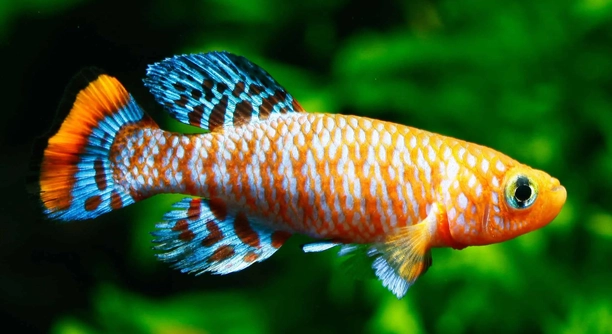
Killis are small, colorful fish that many hobbyists enjoy keeping in their tanks. Their care often depends on water quality and environment, which can vary widely. Blackwater conditions are a popular choice for some fish species.
Killifish generally benefit from blackwater conditions because these environments mimic their natural habitats. The soft, acidic water with tannins supports their health, breeding behavior, and vibrant colors. Such conditions reduce stress and create a stable ecosystem for killis.
Understanding how blackwater affects killis can improve your fish’s wellbeing and tank success. This article explores key factors to help you create the best environment for your killifish.
What Are Blackwater Conditions?
Blackwater conditions describe water that is darkened by organic materials like decaying leaves and wood. This water is usually soft and acidic, with low mineral content. The tannins released create the tea-colored tint and slightly lower the pH. These conditions are common in many tropical rivers and streams where killifish naturally live. The water is often clear but looks darker because of the dissolved substances. It tends to have fewer nutrients and less algae growth than normal aquarium water. Creating blackwater in a tank usually involves adding leaf litter, driftwood, and sometimes peat moss to filter the water. These elements slowly release tannins and acids over time. For killifish, blackwater mimics their native environment, helping them feel secure and encouraging natural behaviors like spawning. The environment also discourages harmful bacteria and parasites that might thrive in harder, more alkaline water.
Blackwater setups require careful monitoring to maintain water quality and the right chemical balance. Stability is key for killifish health.
Understanding blackwater conditions can help you create a more natural, stress-free habitat for your killis to thrive.
How Blackwater Benefits Killifish
Blackwater conditions offer several key benefits for killifish. The softer, acidic water is closer to what they encounter in the wild, which reduces stress and improves overall health. This water chemistry supports their delicate skin and scales, helping to prevent infections. The tannins also have mild antifungal and antibacterial properties, protecting killifish from common diseases. Additionally, the low nutrient levels reduce algae growth, keeping the tank cleaner and clearer. Killifish often show brighter colors and better breeding behavior in these environments because the water encourages natural activity. The dark water also offers a sense of security by providing hiding spots and reducing bright reflections that may scare them. While blackwater conditions alone don’t guarantee perfect health, they create a strong foundation that supports the specific needs of killifish species.
Maintaining blackwater conditions means balancing pH and tannin levels for the best results. Proper care and water changes ensure this balance remains stable.
Creating a blackwater tank takes some effort but leads to a healthier and more natural environment where killifish can display their best colors and behaviors.
Setting Up a Blackwater Tank for Killifish
Start by choosing the right materials like Indian almond leaves, driftwood, and peat moss. These release tannins that create the blackwater effect. Use a gentle filter to avoid disturbing the delicate water chemistry.
Adjust your water’s pH slowly to reach the ideal acidic range of 5.0 to 6.5. Keep water hardness low, around 2–8 dGH, as killifish prefer soft water. Regularly test water parameters to maintain this balance. Avoid sudden changes, as killifish are sensitive to shifts in their environment. Adding leaf litter not only helps with water chemistry but also provides hiding places and food sources for microorganisms that killifish feed on.
Monitor tannin levels, which can vary as leaves and wood break down. Some yellowing of water is normal but if it becomes too dark or smells bad, partial water changes are needed. Maintaining this environment encourages natural behavior and keeps killifish healthy.
Common Challenges in Blackwater Tanks
Blackwater tanks can develop a buildup of organic waste, which might harm water quality if not managed. Frequent water changes are necessary to prevent this problem.
Leaves and wood break down over time, releasing tannins but also decomposing matter. This can increase ammonia and nitrate levels if not cleaned regularly. Over-accumulation may cause oxygen depletion and stress to your fish. To avoid this, vacuum the substrate gently and remove excess debris. Use biofilters to help break down waste safely. Balancing the natural look and water quality is key in blackwater setups. Sometimes the water’s color needs adjusting through partial water changes without disturbing the tank too much.
Proper maintenance ensures that your killifish thrive without exposure to harmful conditions that could develop in a neglected blackwater tank.
Feeding Killifish in Blackwater Conditions
Killifish need a varied diet rich in protein to stay healthy. Live or frozen foods like bloodworms, brine shrimp, and daphnia work best.
Avoid overfeeding, as leftover food can foul the delicate blackwater environment. Feed small amounts once or twice daily to keep water quality stable.
Breeding Killifish in Blackwater Tanks
Breeding killifish in blackwater requires stable, soft, and acidic water conditions similar to their natural habitat. Use spawning mops or leaf litter to mimic natural egg-laying sites. Keep water clean but avoid aggressive filtration that may remove eggs. Remove adults after spawning to prevent egg predation.
Maintaining blackwater conditions during breeding supports fry survival and encourages healthy growth. Pay attention to water changes and monitor parameters closely to ensure success.
Choosing Compatible Tank Mates
Keep tank mates minimal to avoid stress. Small, peaceful species that tolerate soft, acidic water are best. Avoid aggressive or large fish that may harm killifish.
FAQ
What makes blackwater conditions different from regular aquarium water?
Blackwater water is darkened by natural tannins from leaves, wood, and peat. It tends to be softer and more acidic than regular tap water. These conditions mimic many tropical fish habitats, especially those of killifish. The tannins also help reduce harmful bacteria and create a calmer environment.
Can all killifish thrive in blackwater conditions?
Not all killifish require blackwater, but many species benefit from it because it closely resembles their native habitats. Some species prefer harder or more neutral water, so it’s important to research the specific needs of your killifish to provide the best conditions for their health and breeding.
How do I maintain blackwater conditions in my tank?
To maintain blackwater, add natural materials like Indian almond leaves, driftwood, or peat moss that slowly release tannins. Monitor pH and hardness regularly, keeping the water soft and acidic. Perform partial water changes with similar water chemistry to keep parameters stable and avoid sudden shifts that stress the fish.
Will blackwater stain my tank or equipment?
Yes, tannins can tint the water a tea color and may stain decorations or the tank glass. This is normal and harmless to fish. Regular cleaning can help manage excessive buildup, but the tint is part of the natural blackwater effect and generally welcomed by killifish keepers.
Is it difficult to keep water parameters stable in blackwater tanks?
Blackwater tanks require regular monitoring because organic materials break down over time, changing water chemistry. Frequent water testing and partial changes help maintain stable pH, hardness, and tannin levels. Stability is crucial, as killifish are sensitive to fluctuations.
How often should I change the water in a blackwater tank?
Water changes depend on tank size and bioload but generally range from 20-30% every 1-2 weeks. This helps remove excess waste without flushing out too many tannins. Using water with similar acidity and softness during changes prevents sudden parameter shifts.
Can I use commercial blackwater products instead of natural leaves or wood?
Commercial blackwater extracts and peat are available and can simplify blackwater creation. However, natural materials provide a more gradual and balanced release of tannins and create better hiding spots and surfaces for beneficial bacteria. Combining both methods can be effective.
Do blackwater conditions affect other fish in the tank?
Yes, fish not adapted to soft, acidic, tannin-rich water may become stressed or ill. It’s best to keep tank mates that thrive in similar conditions to killifish. Peaceful, small fish like some tetras or small catfish often do well.
What signs show my killifish are thriving in blackwater?
Healthy killifish will display bright colors, active swimming, and natural behaviors like breeding or exploring. They will have clear eyes and no visible signs of illness such as fin rot or lethargy. Stable water parameters contribute to their wellbeing.
Can blackwater tanks support plants?
Yes, many plants tolerate blackwater conditions, especially those that thrive in soft, acidic water. Java fern, Anubias, and some mosses do well. Plants help oxygenate the tank and provide shelter, but tannins may limit some species that require higher nutrients.
Final Thoughts
Blackwater conditions create an environment that closely resembles the natural homes of many killifish species. The soft, acidic water and tannin-rich surroundings help reduce stress and promote healthier, more vibrant fish. These conditions also encourage natural behaviors, including breeding, which is important for anyone looking to keep killifish long-term. While setting up a blackwater tank takes some effort, it provides benefits that make the extra care worthwhile. The appearance of the water may change, but this is part of creating a healthy and natural space for killifish to thrive.
Maintaining a blackwater tank requires regular attention to water quality and chemistry. Adding natural materials like leaves and driftwood helps keep the tannins flowing, but these also need to be replaced over time as they break down. Frequent testing of pH and hardness helps catch any changes before they harm the fish. Water changes should be done carefully, using water that matches the tank’s parameters to avoid shocking the killifish. Good filtration and cleaning practices prevent buildup of harmful waste, which could otherwise upset the balance in the tank.
Overall, blackwater conditions are not just about the color of the water but about creating a stable and supportive environment for killifish. It’s important to research the specific needs of the species you keep, as some may require slightly different water parameters. With proper setup and care, blackwater tanks can lead to healthier fish, brighter colors, and more natural behaviors. This approach supports the long-term wellbeing of your killifish and makes keeping them more rewarding. If you enjoy caring for these unique fish, blackwater conditions are a valuable option to consider.

Hello,
If you enjoy the content that we create, please consider saying a "Thank You!" by leaving a tip.
Every little bit helps us continue crafting quality advice that supports the health, happiness, and well-being of pets around the world, for pets of all shapes, sizes, and species.
We really appreciate the kindness and support that you show us!