
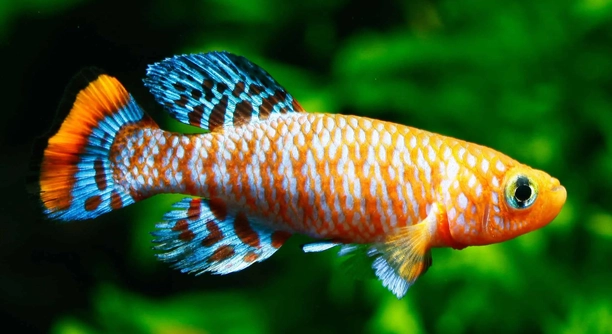
Killifish are small, colorful fish often kept as pets. Their behavior, especially when resting, can seem unusual to many. One common observation is that they appear to keep their eyes open while sleeping.
Killifish do sleep with their eyes open. Unlike mammals, they lack eyelids, so their eyes remain open even during rest. This is a normal behavior that allows them to stay alert to their environment while conserving energy.
Learning more about this unique sleep pattern can help you better understand your killifish’s habits. It also sheds light on how these fish adapt to their surroundings in interesting ways.
Why Killifish Sleep With Their Eyes Open
Killifish don’t have eyelids, which means they cannot close their eyes like humans do when they sleep. Instead, their eyes stay open even during rest. This helps them stay alert to potential dangers or changes in their surroundings. In the wild, staying aware of predators is crucial for survival. Even in a tank, this natural instinct remains. Killifish often rest near plants or decorations, which offer some cover while they conserve energy. Although their eyes are open, they enter a state of reduced activity, similar to sleep. This unique way of resting allows them to remain responsive to sudden movements or threats. Observing killifish sleeping can be fascinating because it challenges what we usually expect from fish and other animals. Knowing this behavior helps fish keepers understand their pets better and provide environments that feel safe and comfortable for these delicate creatures.
This behavior is typical for killifish and is nothing to worry about.
Their open eyes during sleep are simply part of how they have adapted to protect themselves in their environment.
How to Create a Comfortable Environment for Sleeping Killifish
Killifish need a calm and secure environment to rest well.
Providing plenty of hiding spots with plants and decorations encourages them to relax. These areas reduce stress and help killifish feel safe enough to enter their resting state. A stable water temperature and clean water also contribute to a better environment for sleep. Bright lights should be dimmed or turned off during their resting periods, as this mimics natural conditions. Avoid sudden loud noises or movements near the tank, since killifish are sensitive and can become startled easily. By maintaining these conditions, killifish are more likely to settle down and show natural sleep behavior. Watching them rest peacefully can be a sign that they are healthy and comfortable in their home. Ensuring a good environment supports their well-being and overall happiness.
Common Misconceptions About Killifish Sleep
Many people assume fish close their eyes to sleep, but killifish do not. This difference often causes concern among fish owners who worry their fish might be stressed or ill.
Killifish keep their eyes open because they lack eyelids. This is normal and does not indicate discomfort or health issues. Their resting state involves reduced movement and responsiveness while maintaining open eyes. It’s a natural adaptation for survival. Misinterpreting this behavior can lead to unnecessary worry. Understanding their sleep pattern helps provide better care and reduces stress for both owner and fish.
Because killifish keep their eyes open, it’s important to look for other signs to assess their health. These include eating habits, swimming behavior, and physical appearance. Observing these factors will give a clearer picture of their well-being.
How to Recognize Healthy Sleep Behavior in Killifish
Healthy killifish rest quietly with minimal movement. They often stay near hiding spots and remain still for short periods.
If your killifish is resting but responsive to sudden changes or gentle tank taps, it shows good health. Signs of poor health during rest include frantic movements, lack of response, or floating awkwardly. Proper rest helps killifish recover energy and stay alert. Watching their sleep behavior regularly helps you notice any changes early. Ensuring stable water conditions supports their natural resting habits and overall health.
Tips for Observing Killifish Sleep
Observe killifish during quieter parts of the day, often early morning or late evening. Their resting periods usually happen when the tank is calm.
Use soft lighting when watching them. Bright lights can startle killifish and disturb their rest.
Differences Between Killifish and Other Fish Sleep Patterns
Unlike many fish species that close their eyes or hide to sleep, killifish keep their eyes open due to the lack of eyelids. Some fish may bury themselves in substrate or hide deeply among plants, while killifish rely on their alertness even during rest. This behavior reflects their need to stay vigilant against predators. Other fish might enter a deeper, less responsive sleep, but killifish maintain a lighter rest state, which allows quick reactions to threats. These differences highlight how various fish have adapted sleep habits suited to their environments.
Impact of Tank Lighting on Killifish Rest
Bright and constant lighting can interfere with killifish’s ability to rest properly.
Do killifish really sleep with their eyes open?
Yes, killifish sleep with their eyes open because they do not have eyelids to close. Their eyes remain open even during rest, which helps them stay alert to their surroundings while conserving energy. This is a natural and normal behavior for killifish.
Is it harmful for killifish to keep their eyes open while sleeping?
No, it is not harmful. Keeping their eyes open is simply a part of their biology. Unlike mammals, killifish rely on remaining visually aware of potential dangers. Their open eyes do not cause them discomfort or damage.
How can I tell if my killifish is sleeping or sick?
A sleeping killifish will stay mostly still but remain responsive to sudden movements or sounds. If your fish is lethargic, floating awkwardly, or showing signs of distress like clamped fins or rapid breathing, it may be sick. Observe other behaviors such as eating and swimming for a clearer health picture.
Where do killifish prefer to rest in the tank?
Killifish usually rest near plants, decorations, or shaded areas that provide some cover. These spots offer a sense of security while they are less active. Providing plenty of hiding places helps them feel safe enough to rest properly.
Can bright lighting affect killifish sleep?
Yes, bright or constant lighting can disturb killifish rest. They do better with dimmed lights or a natural light cycle that includes periods of darkness. Reducing light during their resting times helps them relax and maintain a healthy sleep pattern.
How long do killifish sleep?
Killifish do not have long, uninterrupted sleep like mammals. They rest in shorter periods throughout the day, often during quieter times. Their sleep consists of light resting phases where they conserve energy but remain alert.
Do all fish keep their eyes open while sleeping?
No, not all fish keep their eyes open. Many species have eyelids or membranes that cover their eyes during rest. Killifish are unique in this way because they lack eyelids, so their eyes stay open even when resting.
Should I change tank conditions if my killifish’s eyes look unusual?
If the eyes look cloudy, swollen, or damaged, it could indicate a health issue needing attention. However, open eyes during rest alone are normal. Keep water clean, maintain proper temperature, and monitor for other signs of illness to support your killifish’s health.
Can killifish get stressed from their eyes being open?
Their eyes being open is not a source of stress; it’s a natural trait. However, stress can come from poor water quality, overcrowding, or sudden disturbances. Ensuring a calm, stable environment helps prevent stress and promotes healthy behavior.
Is it necessary to have a night cycle for killifish sleep?
Yes, a regular day-night cycle with periods of darkness is beneficial. It mimics their natural habitat and supports their resting patterns. Using a timer for aquarium lights can help maintain a consistent schedule and improve their overall well-being.
What should I do if my killifish is not resting or sleeping?
If your killifish appears restless or does not settle to rest, check water quality and tank conditions first. Stressors like poor water, inappropriate temperature, or lack of hiding spots can interfere with rest. Adjust these factors and observe your fish closely.
Can killifish sleep during the day or night?
Killifish can rest at different times depending on their environment. They often rest during quieter periods, which might be early morning, late evening, or nighttime if the tank is dark and calm. Their sleep schedule can vary with tank conditions.
Does the size or age of killifish affect their sleep?
Older or larger killifish might rest longer or more deeply, but the basic behavior of sleeping with open eyes remains the same. Juveniles may be more active but will still have similar resting patterns.
Are there any special care tips for killifish related to their sleep?
Provide plenty of hiding places and maintain clean, stable water conditions. Use dim lighting or a natural light cycle to encourage regular rest. Avoid sudden loud noises or frequent disturbances near the tank to help your killifish feel safe and relaxed.
How can I help my killifish feel secure enough to rest?
Create a peaceful environment with plants, caves, or decorations where they can hide. Keep the tank quiet during resting times and ensure water parameters are stable. A secure space encourages natural resting behaviors.
Killifish have a unique way of sleeping that can seem unusual at first. Unlike many animals, they do not close their eyes while resting because they lack eyelids. This means their eyes remain open even when they are in a sleep-like state. This behavior is normal and important for their survival. Keeping their eyes open allows killifish to stay alert to their surroundings and any potential threats, even while conserving energy. Understanding this helps fish owners feel more comfortable when they see their killifish “sleeping” with open eyes.
Creating a good environment for killifish is key to supporting their natural behaviors, including rest. They need plenty of hiding spots such as plants or decorations to feel safe and secure. A quiet, stable tank with clean water and a consistent light schedule also helps killifish settle down and rest properly. Bright or constant lighting can disrupt their rest, so dimming the lights during their resting periods is beneficial. Observing killifish in these calm conditions will often show them staying still with eyes open, which is simply their way of resting.
Paying attention to your killifish’s overall behavior is the best way to ensure they are healthy. Open eyes during rest are normal, but other signs like eating habits, swimming activity, and physical condition give a fuller picture of their health. If you notice unusual behavior such as excessive lethargy, rapid breathing, or cloudy eyes, it may be time to check water quality or seek advice from an expert. Keeping the tank environment comfortable and stable helps your killifish thrive and continue their natural sleeping habits without stress or health issues.

Hello,
If you enjoy the content that we create, please consider saying a "Thank You!" by leaving a tip.
Every little bit helps us continue crafting quality advice that supports the health, happiness, and well-being of pets around the world, for pets of all shapes, sizes, and species.
We really appreciate the kindness and support that you show us!