
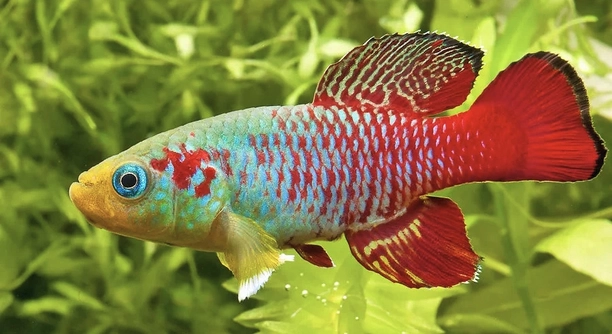
Are your killifish acting a little shy or sticking to just one part of their tank? You’re not alone in noticing this. Many fishkeepers find themselves unsure about how much space their killifish actually use.
Killifish generally do not use the entire tank area evenly. They tend to favor specific zones, often the top or middle sections, depending on the species and tank setup. Factors like tank mates, lighting, and hiding spots influence this behavior.
Understanding how killifish interact with their environment can help you create a space where they feel secure and active in more parts of the tank.
Why Killifish Stay in Certain Parts of the Tank
Killifish are known for their interesting colors and lively behavior, but they often stay in one area of the tank. This is usually because they have strong preferences for certain conditions. Many species naturally stay near the surface or middle of the tank. They feel more comfortable where lighting, plants, and structures provide the right balance of shelter and space. If the tank setup doesn’t match their natural needs, they may avoid parts of it. Strong filters, fast-moving water, or too much light can also discourage them from exploring more. In small or bare tanks, killifish can appear more withdrawn. Adding floating plants or adjusting the flow can make a big difference. Tank mates also play a role. If the other fish are too active or aggressive, killifish may stay hidden or keep to their favorite corners. Observing their patterns can help you improve their environment.
Some killifish prefer the top because they feed there. Others stay mid-level to feel safe.
Making small changes, like lowering the filter speed or adding more plants, can open up space they may have been avoiding. It’s about finding the right balance for your specific tank setup.
How to Encourage More Movement
The tank layout influences how your killifish behave. If the environment is too bright or open, they may not feel safe enough to explore.
To help killifish feel comfortable using more of the tank, start by adding visual breaks and shelter. Floating plants, moss, and leaf litter can offer cover and make upper levels more inviting. It also helps to reduce the current. Killifish prefer calm water, especially surface-dwellers like Aphyosemion and Nothobranchius. Strong flow can make them avoid certain areas entirely. Avoid using bright white lights, especially if your tank lacks enough hiding spaces. A softer or dimmed setup often works better. Keep the tank peaceful. Avoid fast or aggressive tank mates that might intimidate your killifish. Finally, watch how they respond. You might notice small changes in swimming patterns once the tank is more comfortable. Over time, with consistent care, you’ll likely see them using more space naturally.
Common Mistakes That Limit Tank Use
Too much open space and not enough cover often make killifish stay in one spot. Strong filters and overly bright lighting can also make them feel exposed or stressed, leading them to avoid large parts of the tank.
One mistake people make is choosing a layout that looks good to them but doesn’t suit the fish. Killifish often need visual breaks, especially in the upper and middle parts of the tank. Without floating plants or shaded areas, they may stay low or hidden. Strong currents from filters can also be too harsh, especially for surface-dwellers. It’s better to use sponge filters or low-flow options. Decorations that are too big or sparse can leave them feeling unsafe. Always think about what helps them feel secure, not just what fills space. If they seem inactive or keep hiding, it’s likely the setup isn’t working for them.
Overstocking the tank or keeping them with fish that are too active also reduces their movement. Aggressive tank mates might chase them or take over the areas they like most. Some killifish will stop exploring if they feel bullied or crowded. Even peaceful fish can cause stress if they are too fast or disruptive. Watching their body language helps guide tank changes.
Adjusting the Tank Setup
Adding plants that reach the surface can make the upper areas more inviting. Floating plants are especially helpful. They reduce light and give cover, which encourages killifish to explore. Low-flow filters also keep the water calm, helping them feel secure.
The substrate also plays a role. A dark-colored bottom often makes killifish feel safer, especially if the lighting is still a bit bright. Use driftwood or smaller decorations to break up the space without making it feel cluttered. These visual barriers help them move around with less stress. Place plants and décor in layers, so every level of the tank feels safe. Keep light diffused, and avoid sudden changes in brightness. Observe your killifish after each change. If they start exploring more, you’re likely on the right track. Remember that some species are naturally shy, so patience is key. A few careful changes can improve activity across the whole tank.
Signs Your Killifish Are Avoiding Parts of the Tank
If your killifish always stay in one corner or hide behind the same decoration, they may not feel safe using the whole tank. Constant hiding or staying low can be a response to stress, bright light, or strong current.
Lack of movement or sudden darting when approached are also signs. If they only come out during feeding and disappear afterward, they might not feel comfortable. Healthy killifish will explore calmly when the tank conditions suit them.
How Feeding Habits Affect Movement
Feeding routines can shape where your killifish spend most of their time. If you always feed at the top, they may wait there and ignore other areas. Slow-sinking or live foods that scatter help them explore more. Try placing food in different parts of the tank to encourage movement. Avoid overfeeding, as it can make them sluggish and uninterested in swimming. Some killifish hunt for live food, and giving them this option can lead to more natural movement patterns. Adjusting feeding styles based on your tank layout can support more balanced use of space over time.
When to Leave Things Alone
If your killifish are active, eating well, and showing their colors, it may be best not to change anything. Some individuals simply prefer certain spots.
FAQ
Do all killifish stay near the top of the tank?
Not all killifish stay near the top. Some species, like Aphyosemion, prefer the middle levels, while others, like Nothobranchius, often stick to the top. Their position depends on their natural behavior and the tank setup. If the surface feels too bright or open, even top-dwelling species may stay lower. Adding floating plants or dimming the lights often brings them back up. Watch where they spend their time and make small changes to help them feel more secure in their preferred zone.
Why do my killifish stay in one corner?
Killifish tend to stay in one corner when they feel insecure or overwhelmed. This can be caused by bright lights, fast-moving water, or aggressive tank mates. They may also be avoiding areas that feel too open. Try reducing water flow, adding plants, and removing any fish that might be stressing them out. Give them time to adjust before making more changes. Shy behavior doesn’t always mean a problem, but it can signal something in the setup needs fixing.
Is it okay if they don’t swim around much?
Some killifish are more active than others, but extreme stillness isn’t normal. If they barely swim or stay hidden all day, it could be due to stress or poor water conditions. First, check temperature, ammonia, and pH levels. Make sure there’s enough shelter and that the lighting isn’t too strong. Also, check for signs of illness or damage. If water conditions are fine and they still don’t move much, try small adjustments to their environment to see if they become more active.
What size tank is best to help them move around more?
A 10- to 20-gallon tank is usually enough for most small killifish species, but layout matters more than size alone. A large, empty tank won’t feel comfortable if there’s no shelter or structure. Use plants, driftwood, or decorations to break up the space and make it feel more secure. Long tanks are better than tall ones because they give more horizontal space to swim. A well-decorated 10-gallon tank often supports better movement than a bare 20-gallon one.
How long does it take for killifish to settle in and explore the tank?
It usually takes a few days to a week for killifish to adjust to a new tank. During this time, they might hide or stay near the surface. Try not to disturb them too much while they settle in. Keep lighting low and avoid sudden movements near the tank. If they remain shy after a week, check the setup again. It might take longer for naturally timid fish, especially if the tank has other active fish in it.
Do killifish like current or still water?
Most killifish prefer still or slow-moving water. Fast current can stress them out and cause them to avoid areas near the filter output. Sponge filters or adjustable flow filters are good options. If you notice them struggling to swim or always avoiding one part of the tank, the flow might be too strong. Even surface movement can be too much for some species. Observe how they behave and adjust flow as needed.
Can tank mates affect where my killifish swim?
Yes, tank mates have a big influence. Even peaceful fish can take over areas and make killifish feel uncomfortable. Active or fast-swimming species can crowd them out of their usual zones. Try keeping them with calm fish that stay in different areas of the tank. Avoid nippy or dominant species. If your killifish change their behavior after adding a new fish, it may be time to reconsider the tank mates.
How do I know if my tank layout is working for them?
If your killifish are active, eating, and moving through different areas of the tank, the layout is probably working well. Look for natural behaviors like exploring, flaring, or feeding at different levels. If they stay in one spot, dart around nervously, or hide most of the day, the setup might need a few changes. Simple fixes like adjusting light, adding floating plants, or reducing current can make a big difference. Observation is key—watch how they use the space and respond to small changes.
Should I rearrange the tank often to keep them curious?
No, frequent rearranging can stress killifish. They do better in a stable environment where they know where to hide and rest. Too many changes can confuse or overwhelm them. Instead of rearranging often, focus on creating a layout with variety and shelter from the beginning. If you want to make changes, do it gradually and only if you notice they aren’t using parts of the tank. Stability helps them feel safe enough to explore more.
What if they only move when the lights are off?
If your killifish only swim when the lights are off, your lighting may be too bright. Bright, direct lighting can make them feel exposed. Try switching to dimmer lights or using floating plants to break it up. Some killifish also feel more active in lower light due to their natural habitat. If you notice more movement at night or in the early morning, adjusting your lighting can help them feel safer during the day.
Final Thoughts
Killifish are beautiful and interesting fish, but they do not always use the whole tank. This does not mean something is wrong, but it can be a sign that their environment needs a few changes. Most killifish feel safer in calm, shaded areas with plenty of cover. If the tank is too open, too bright, or has a strong water current, they may choose to stay in one spot. Their behavior is often a reaction to how secure they feel. Some species will always prefer certain levels of the tank, but others might explore more if their space feels right.
It can take time to understand what works best for your specific setup. Watching your killifish and noticing where they spend their time is a good first step. If they are hiding or staying still too often, small changes can make a big difference. Try lowering the light, adding floating plants, or reducing filter flow. Creating hiding places with plants or decorations also helps them feel safe. Avoid pairing them with fish that are too active or aggressive, as this can limit their movement. Even peaceful tank mates can sometimes make killifish more reserved if they swim too fast or take over the space.
Every tank is different, and so is every fish. What works well for one tank might not work for another. That’s why it helps to pay attention to their behavior and make slow, thoughtful changes. Give your killifish time to adjust and don’t rush the process. Their comfort in the tank affects not only how much they move, but also how healthy and active they are. A well-balanced setup will lead to better movement and more natural behavior. Over time, you’ll notice when they feel comfortable enough to explore. Keeping things simple and stable is often the best approach. With a little patience and care, your killifish can enjoy more of their space.

Hello,
If you enjoy the content that we create, please consider saying a "Thank You!" by leaving a tip.
Every little bit helps us continue crafting quality advice that supports the health, happiness, and well-being of pets around the world, for pets of all shapes, sizes, and species.
We really appreciate the kindness and support that you show us!