
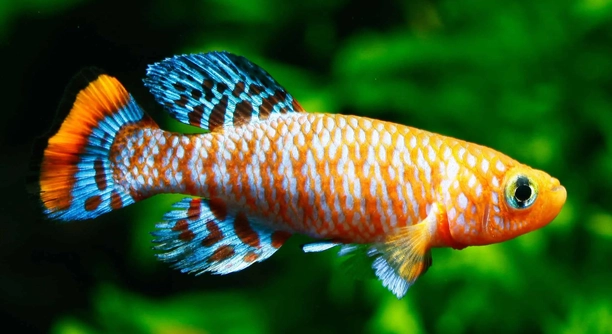
Do you ever watch your killi fish swimming quietly and wonder if they ever rest like other animals do? Many fish owners notice their pets slowing down but aren’t sure if that means they are sleeping. Understanding fish behavior can help you care for your killi fish better.
Killi fish do sleep, but not like mammals. They enter restful states with reduced activity and slower movements, often hiding in plants or near the bottom. These behaviors indicate their version of sleep or rest to conserve energy.
Recognizing these signs can help you ensure your killi fish stays healthy and comfortable in its environment. Keeping an eye on their resting habits gives insight into their well-being.
How Killi Fish Sleep
Killi fish don’t have eyelids, so they don’t close their eyes like humans do when they sleep. Instead, their sleep is shown through stillness and quiet behavior. When resting, they slow down their movements and often stay near plants or decorations for cover. This helps them feel safe while they rest. Their breathing rate also slows a bit during these times. Sleep in killi fish is important for their health, helping them conserve energy and recover from daily activities. It usually happens at night, but sometimes they rest during the day in short bursts. Unlike mammals, fish don’t have deep sleep cycles. Their sleep is lighter and can be easily interrupted by changes in light or water movement. Watching their behavior over time helps you recognize when your fish is resting or if there might be stress or illness affecting them.
Sleep behavior in killi fish is subtle and easy to miss without close observation.
Understanding these patterns lets you create a calm, safe environment to support your fish’s natural rest. Quiet tank conditions and consistent lighting encourage regular sleep cycles. Avoid sudden disturbances during their rest periods, as this can stress them out. Providing plenty of hiding spots helps them feel secure. If your killi fish seems restless or constantly active, it might be a sign something is wrong. Regularly checking water quality and temperature ensures their environment supports healthy sleep. Taking small steps to observe and respect their sleep habits will keep your fish happy and healthy in the long run.
Signs That Show Your Killi Fish Is Sleeping
Signs that a killi fish is sleeping include reduced movement, slower breathing, and staying in one place for a while. They often hide among plants or near the tank’s bottom. These signs indicate a resting state.
Fish sleep can be hard to notice since they don’t close their eyes. Instead, look for periods when the fish seems less active, floats calmly, and shows no interest in food or interaction. Sometimes, their fins move slightly, but the overall body movement slows down. They may choose dim or shaded areas, which help them feel safe. The color of the fish may appear less bright during rest, although this varies. Recognizing these signs can help you know if your fish is resting normally or if there might be an issue with their health or environment. Consistent sleep patterns are a good sign your fish is comfortable and healthy. If sleep behavior changes suddenly, it may be time to check the tank conditions or consult advice on fish health.
How to Help Your Killi Fish Rest Better
Creating a calm environment helps your killi fish rest well. Keep the tank quiet and avoid sudden changes in light or noise that might disturb them. Consistent lighting schedules support their natural sleep cycles.
Maintaining a stable environment is key. Use a timer for the aquarium lights to provide regular day and night cycles. Dim the lights gently in the evening to signal rest time. Avoid tapping the glass or making loud noises around the tank, as this can stress the fish and disrupt sleep. Providing plenty of plants and hiding spots gives them safe areas to retreat and rest. Clean water and proper temperature also support their overall health and ability to rest peacefully.
Feeding your killi fish on a regular schedule can improve their sleep patterns. Overfeeding or irregular feeding times may cause stress or discomfort, making it harder for them to settle down. Observe their behavior to adjust care routines if you notice restlessness or changes in activity. These small changes can make a big difference in their well-being.
Common Misunderstandings About Killi Fish Sleep
Some people think fish don’t sleep because they don’t close their eyes or stay still for long. This misunderstanding can lead to misinterpreting fish behavior.
Killi fish sleep differently from mammals, so their rest is often missed or mistaken for illness. Their quiet, motionless periods are normal sleep phases. It’s important not to confuse resting with signs of sickness like lethargy or gasping for air. Regular observation helps distinguish normal sleep from potential problems. Misunderstanding these signs might lead to unnecessary worry or improper care. Learning about their sleep habits helps you better support their health and comfort.
When Killi Fish Are Not Sleeping
If your killi fish is swimming actively at night or hiding constantly, it might not be resting properly. Stress or poor tank conditions often cause this behavior. Watch for these signs to help your fish sleep better.
Lack of rest can weaken your fish’s immune system and cause health problems. Ensure the tank environment is calm and stable to promote natural sleep habits.
Best Tank Setup for Restful Killi Fish
A tank with plenty of plants, hiding places, and soft lighting creates a restful environment. Use dim lights during the night cycle and avoid sudden light changes. This setup encourages your killi fish to feel safe and rest well.
How Lighting Affects Killi Fish Sleep
Proper lighting cycles help regulate your fish’s sleep and activity patterns. Consistent day and night lighting support their natural rhythms, improving rest quality.
Avoid Disturbing Resting Killi Fish
Try not to disturb your fish during their rest times. Noise and sudden movements can stress them and interrupt their sleep.
FAQ
Do killi fish need complete darkness to sleep?
Killi fish do not require total darkness to rest, but they do benefit from a regular light and dark cycle. Dim lighting or low light conditions help signal rest time. Sudden bright lights can disturb them, so it’s best to keep lighting gradual and consistent.
How long do killi fish sleep each day?
Killi fish usually rest in short periods throughout the day and night rather than one long sleep like mammals. Their sleep time can total several hours but often happens in bursts depending on tank conditions and activity levels.
Can killi fish sleep during the day?
Yes, killi fish can take short naps during the day, especially in quiet, shaded areas of the tank. However, they tend to be more active during daylight hours and rest more when the lights are dim or off.
What happens if a killi fish doesn’t get enough rest?
If a killi fish doesn’t rest enough, it may become stressed and more vulnerable to illness. Lack of rest can reduce their immune response and lead to unusual behavior like constant swimming or hiding.
Are killi fish more active at night?
Killi fish are generally more active during the day and rest at night. Some species may show slight activity at night, but most slow down as the lights go off and the environment quiets.
How can I tell if my killi fish is sick or just resting?
Resting killi fish will stay still but appear healthy, with normal breathing and color. Sick fish may show signs like rapid gill movement, faded colors, or erratic swimming. If your fish stays motionless for long periods or shows these signs, check water quality and consult care advice.
Do killi fish sleep alone or in groups?
Killi fish don’t necessarily sleep together. They often find individual hiding spots to rest. It’s normal to see some fish resting while others swim around. Providing multiple hiding places helps each fish feel secure during rest.
Should I feed my killi fish before or after their sleep time?
Feeding should happen during active periods, usually when the lights are on. Avoid feeding right before the lights go off to prevent leftover food that can spoil water quality and disrupt their rest.
Can stress affect killi fish sleep patterns?
Yes, stress from poor water conditions, overcrowding, or sudden changes can disrupt sleep. Stressed fish may swim constantly or hide too much, showing restlessness. Keeping a stable, calm tank environment helps reduce stress and improve sleep.
Is it normal for killi fish to change resting spots?
It is normal for killi fish to move between resting spots. They often pick different hiding places based on comfort and safety. Watching these choices can help you understand their preferences and improve tank setup.
Do killi fish dream?
Fish don’t have the same brain structure as mammals, so dreaming is unlikely. Their sleep is more of a resting state with reduced activity rather than deep sleep with dreams.
How important is water quality for killi fish sleep?
Water quality is very important. Poor water conditions can stress fish and prevent restful sleep. Regular cleaning, proper filtration, and maintaining stable temperature and pH help keep fish healthy and resting well.
Can I use a night light in my aquarium for killi fish?
A dim night light can be used but should be low intensity. Bright lights at night can disrupt sleep cycles. If you use a night light, choose one designed for aquarium use with soft, calming colors like blue or red.
How do changes in tank environment affect killi fish sleep?
Sudden changes in temperature, water chemistry, or lighting can disrupt sleep and cause stress. Gradual changes and a stable environment help maintain normal sleep patterns and overall health.
Is it normal for killi fish to rest near the surface?
Sometimes killi fish rest near the surface if they feel safe and comfortable there. However, resting near the surface for long periods might indicate water oxygen issues or stress, so monitor their behavior closely.
Can other fish disturb killi fish sleep?
Yes, aggressive or very active tank mates can disturb resting killi fish. Providing hiding spots and choosing peaceful companions helps ensure everyone can rest without stress.
What signs show my killi fish is well-rested?
A well-rested killi fish swims actively during the day, shows bright colors, and responds to feeding and interaction. Balanced activity and rest cycles are good indicators of health.
How do I encourage better sleep if my killi fish seems restless?
Improve tank conditions, reduce noise and light disturbances, and add hiding places. Keep feeding and lighting schedules consistent. These changes help your fish feel secure and encourage normal rest behavior.
Can killi fish sleep while swimming?
Killi fish may slow their swimming or float in place during rest, but they don’t sleep while actively swimming. Rest involves reduced movement and calm behavior.
Is it okay to handle killi fish during their rest time?
Handling or tapping the tank during rest is not recommended. It causes stress and can interrupt sleep, leading to health issues over time. Respect their quiet periods for better care.
Killi fish do sleep, but their way of resting is quite different from how humans or other animals sleep. They don’t close their eyes or lie still for long periods. Instead, they slow down, become less active, and often find quiet, hidden spots in the tank to rest. This rest is important for their health and energy. When they get enough sleep, they stay healthier and live longer. It’s helpful to watch your killi fish carefully to understand their resting habits. This will let you notice if something is wrong or if they are stressed.
Creating the right environment plays a big role in helping killi fish rest well. They need a calm tank with stable water conditions, proper temperature, and a good supply of clean water. Lighting also matters a lot—consistent day and night cycles with dim lighting in the evening help them know when it is time to rest. Adding plenty of plants or decorations where they can hide makes them feel safe and comfortable. Avoid sudden noises, movements, or bright lights near the tank during their rest time because these can cause stress and interrupt their sleep.
Taking care of killi fish means paying attention to their behavior every day. Notice when they slow down and hide, as this shows they are resting. Make sure the tank is clean, the water is healthy, and the lighting is steady. Feeding them regularly and not overfeeding helps keep their routine smooth. By providing a peaceful environment, you support their natural sleep cycle and overall well-being. Understanding how your killi fish sleeps can improve your care and help your fish live a happier, healthier life.

Hello,
If you enjoy the content that we create, please consider saying a "Thank You!" by leaving a tip.
Every little bit helps us continue crafting quality advice that supports the health, happiness, and well-being of pets around the world, for pets of all shapes, sizes, and species.
We really appreciate the kindness and support that you show us!