
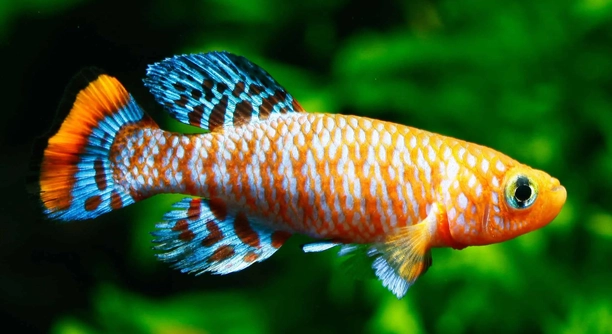
Killi fish are popular small fish often kept in home aquariums. Many hobbyists want to create the best environment for them to thrive. Understanding their needs can help ensure their health and happiness.
Killi fish do not require complete darkness but benefit from a regular light-dark cycle. Consistent periods of light and darkness support their natural rhythms, reduce stress, and promote healthy behavior and breeding conditions.
Learning about the right lighting conditions can improve your killi fish’s well-being and enhance your aquarium experience.
Light and Dark: What Killi Fish Need
Killi fish come from environments where light changes naturally throughout the day. They are used to a balance of daylight and nighttime darkness. In an aquarium, replicating this natural cycle helps keep them comfortable. Too much light can stress the fish and cause them to hide more often. On the other hand, too little light can affect their activity levels and make it harder for them to find food. Ideally, a tank with about 10 to 12 hours of light followed by 12 to 14 hours of darkness works well. Using a timer for the aquarium light can maintain this schedule without much effort. Proper lighting also helps plants grow, which can create a healthier tank environment. While killi fish don’t need complete darkness all day, a quiet, dark period allows them to rest and feel safe, similar to how they behave in nature.
A regular light-dark cycle supports the fish’s health and natural behaviors. It keeps their internal clock balanced.
Adjusting the lighting in your aquarium will help your killi fish feel secure and stay active when they need to be. The right light schedule also supports breeding by mimicking seasonal changes. Make sure the tank is not near bright windows where sunlight can create too much heat or glare. Observing your fish during different lighting times can help you understand their preferences and needs better.
Why Complete Darkness Isn’t Necessary
Complete darkness is not required for killi fish to thrive. In their natural habitats, they rarely experience total darkness for extended periods. Instead, they have gradual changes from light to dark. In an aquarium, keeping the tank in total darkness for long periods can cause confusion and stress. Fish rely on light cues for feeding, movement, and social interactions. Providing a dark period simulates night but should be balanced with enough light during the day. Using dim lighting or turning off the lights at night mimics their natural environment without leaving them in pitch black. It also helps maintain a healthy aquarium ecosystem since some beneficial bacteria and plants need light cycles to function properly.
Killi fish need a natural rhythm of light and darkness rather than constant or complete darkness. This rhythm keeps them healthy and active.
Light Intensity and Its Effects
Light intensity affects killi fish behavior and health. Bright light may cause them to hide more, while dim light encourages natural activity.
Adjusting light intensity helps create a comfortable environment. Killi fish prefer moderate lighting that mimics their natural habitats, such as shaded areas under plants. Too strong lighting can stress them and reduce their visibility, which might interfere with feeding. Using floating plants or decorations can help diffuse light and offer hiding spots. On the other hand, very low light might make the tank dull and affect the fish’s energy. Finding a balance is key to supporting their wellbeing and natural behavior.
Moderate light also helps maintain tank cleanliness by encouraging algae control and supporting plant growth. When light levels match the fish’s needs, they are more likely to be active, healthy, and social. Observing how your killi fish respond to light changes will guide you in adjusting intensity properly.
Maintaining a Consistent Light Schedule
Consistency in light schedule is important for killi fish health. They thrive when light and dark periods happen at the same times daily.
Keeping a stable light schedule helps regulate their biological clock and reduces stress. Using a timer for aquarium lights makes it easy to maintain this routine without guesswork. Sudden or irregular changes in lighting can cause confusion, making fish less active or more prone to hiding. Consistent lighting supports feeding times and natural behaviors like breeding. Additionally, plants and beneficial bacteria in the tank also rely on steady light cycles to function well. By setting a regular light schedule, you help create a balanced environment where fish and plants both thrive. This small step makes a big difference in the overall health of your aquarium.
Impact of Light on Breeding
Light plays an important role in killi fish breeding success. Proper lighting signals the right time for mating and egg laying.
Too much or too little light can disrupt breeding behavior. Keeping a balanced light cycle helps encourage natural reproduction and increases the chances of healthy offspring.
Using Timers for Lighting Control
Timers make managing aquarium light easy and reliable. They ensure consistent light and dark periods without manual effort, reducing stress for fish.
Setting a timer allows precise control over how long the light stays on each day. This helps maintain a stable environment that supports the natural habits of killi fish.
Avoiding Light Stress
Bright or sudden lighting changes can stress killi fish. Stress weakens their immune system and affects their activity and appetite.
FAQ
Do killi fish need complete darkness to sleep?
Killi fish do need a period of darkness to rest properly, but it doesn’t have to be complete darkness. A dim or low-light environment mimics their natural conditions well enough to help them relax and sleep. Sudden bright lights at night can startle them and disrupt their rest, so keeping the tank lights off or very dim during their resting hours is best.
How long should the light period be for killi fish?
Generally, killi fish do well with about 10 to 12 hours of light each day, followed by 12 to 14 hours of darkness. This cycle matches their natural habitat where day and night balance changes with the seasons. Using a timer to control the light helps keep this schedule consistent, which reduces stress and supports healthy behavior.
Can too much light harm my killi fish?
Yes, excessive light can stress killi fish. Bright, constant lighting makes them feel exposed and unsafe, often causing them to hide more and eat less. It can also promote algae overgrowth, which affects water quality. To avoid this, moderate the light intensity, provide shaded areas with plants or decorations, and use a timer for regular light cycles.
Is it necessary to use a timer for aquarium lighting?
Using a timer isn’t absolutely required, but it is highly recommended. It ensures your killi fish experience a steady routine, which supports their natural rhythms and reduces stress. Without a timer, inconsistent lighting times can confuse the fish, disrupt feeding patterns, and interfere with breeding.
Can I leave the tank light on all day?
Leaving the tank light on all day is not advised. Killi fish need a dark period to rest and maintain their health. Constant light can lead to stress and disrupt their biological clock. It’s important to provide clear light and dark periods that resemble natural conditions.
What kind of lighting is best for killi fish tanks?
Moderate, adjustable lighting works best for killi fish. LED lights with dimming options or fluorescent lights can mimic natural light well. Adding floating plants or decorations can soften the light and create hiding spots, making the fish feel secure and comfortable.
How does lighting affect killi fish breeding?
Proper lighting supports breeding by signaling seasonal changes and creating a calm environment. Consistent light and dark cycles encourage natural mating behaviors. Sudden or irregular lighting changes may stress the fish and lower breeding success.
What signs show my killi fish are stressed by light?
If your killi fish are hiding constantly, showing less activity, or eating less, light stress could be a cause. They might also swim erratically or lose their vibrant colors. Adjusting light intensity and schedule usually helps reduce stress and improve their behavior.
Does tank lighting affect plant growth with killi fish?
Yes, proper lighting supports the growth of live plants, which benefits the tank environment. Healthy plants provide shade, oxygen, and natural hiding spots for killi fish. Balanced lighting encourages plant growth without causing excessive algae, keeping the tank stable and clean.
Is natural sunlight good for killi fish tanks?
Direct sunlight is generally not good for killi fish tanks. It can cause temperature fluctuations and algae blooms. Indirect sunlight or shaded natural light is better, but controlled artificial lighting is usually safer and more consistent for maintaining the right conditions.
How to create a good light schedule without a timer?
If you don’t have a timer, try to turn the aquarium light on and off at the same times every day. Keeping a regular routine will help maintain the fish’s internal clock. Using curtains or blinds can block out external light sources to keep darkness consistent during night hours.
Can sudden light changes harm killi fish?
Sudden changes in lighting can startle and stress killi fish. Turning lights on or off abruptly may cause them to dart or hide. Gradually dimming lights or using a timer can prevent this and help the fish feel safe and comfortable.
How important is darkness compared to light for killi fish?
Both light and darkness are important in balance. Light supports activity, feeding, and breeding, while darkness allows rest and reduces stress. Providing regular, natural-feeling cycles of both is essential for the overall health of killi fish.
Should I adjust lighting seasonally for killi fish?
Adjusting lighting to mimic seasonal changes can benefit killi fish, especially for breeding. Increasing light hours slightly in spring and summer and reducing them in fall and winter helps replicate natural conditions. This can encourage healthier behavior and reproduction.
What happens if killi fish don’t get enough darkness?
Without enough darkness, killi fish may become stressed, restless, and less active. Lack of rest can weaken their immune system and affect feeding and breeding. Ensuring a dark period every day helps maintain their health and natural rhythms.
Final Thoughts
Killi fish need a good balance of light and darkness to stay healthy and happy. They do not require complete darkness all day, but they do need a regular period of dim or no light to rest properly. This rest time helps reduce stress and supports their natural behaviors. Too much light or constant brightness can make them feel unsafe and cause problems like hiding or loss of appetite. By providing a consistent light and dark schedule, you help your killi fish feel comfortable in their environment. This balance is important for their overall well-being and makes your aquarium a better place for them to live.
Using moderate lighting that mimics their natural environment is key. Killi fish come from habitats where light levels change gradually during the day, often with shaded areas created by plants or overhanging leaves. In your tank, adding floating plants or decorations can help break up the light and give your fish places to hide if they want to. This helps reduce stress and encourages natural activity. Timers for aquarium lights are a simple way to keep the light schedule steady without much effort. Consistent lighting also supports the growth of live plants and helps control algae, which keeps the tank healthier overall.
Remember that killi fish are sensitive to their surroundings, and lighting plays a big part in how they feel and behave. Proper light conditions can even support breeding by creating cues similar to those found in the wild. Watching your fish closely will help you see how they respond to the light in their tank. If they seem stressed or are hiding too much, adjusting the lighting might be needed. A balanced light cycle and a calm environment can make a big difference in the life of your killi fish, helping them thrive and bring more enjoyment to your aquarium.

Hello,
If you enjoy the content that we create, please consider saying a "Thank You!" by leaving a tip.
Every little bit helps us continue crafting quality advice that supports the health, happiness, and well-being of pets around the world, for pets of all shapes, sizes, and species.
We really appreciate the kindness and support that you show us!