
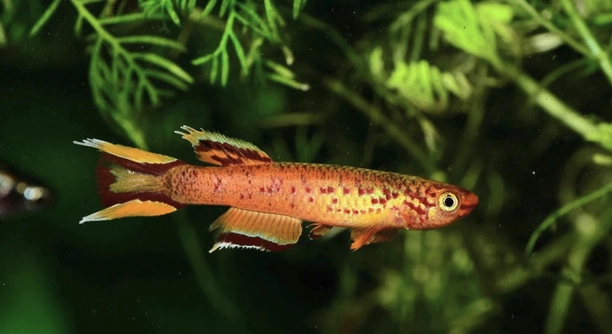
Killi fish are popular for their bright colors and small size, making them a favorite among aquarium enthusiasts. Many owners want to provide the best environment for these delicate fish to thrive. Understanding their needs is important for healthy care.
Killi fish do not require air stones, as they naturally inhabit waters with low oxygen levels and breathe atmospheric air through their specialized organs. However, adding an air stone can help improve water circulation and oxygenation in a closed aquarium system.
Knowing when and how to use air stones can enhance the well-being of your killi fish and maintain a balanced tank environment. This article explains the essentials for proper care.
Understanding Killi Fish Habitat
Killi fish come from small, shallow bodies of water such as puddles, streams, and swamps. These environments often have low oxygen levels, so killi fish have adapted to survive by breathing air directly. They use a special organ called the labyrinth organ to extract oxygen from the air at the water’s surface. Because of this, they don’t rely solely on oxygen dissolved in water like many other fish do. This natural ability means killi fish can thrive without additional aeration devices like air stones in their tanks. However, their habitat usually has slow-moving water, which helps prevent stress and supports their breathing pattern. Replicating this environment in an aquarium means keeping the water clean and stable, without forcing strong currents. Understanding their natural conditions is key to providing care that supports their health and well-being.
While killi fish breathe atmospheric air, clean water remains essential for their health and activity.
Proper water maintenance and a suitable tank setup are critical to keep your killi fish comfortable and active. Avoid overcrowding and provide plenty of hiding spots with plants or decorations. These conditions reduce stress and mimic their natural environment. Temperature also plays a role, as most killi fish prefer warmer water, usually between 72°F and 79°F (22°C to 26°C). Gentle water flow is best; strong currents can tire them out or interfere with their breathing at the surface. Regular water changes and monitoring of water parameters ensure a healthy space for your fish. If the tank is too small or water quality is poor, the fish may struggle even with their breathing adaptation. In such cases, adding an air stone could be helpful, but it’s not a necessity in a well-maintained tank.
Benefits and Drawbacks of Using Air Stones
Air stones increase oxygen levels and improve water circulation by producing bubbles. This helps break up surface tension, allowing better gas exchange. In a tank with many fish or plants, air stones can prevent oxygen depletion. They also aid in maintaining consistent water temperature and reduce buildup of harmful gases. For killi fish tanks, especially those with poor water flow or high bioload, air stones might improve overall water quality. However, because killi fish prefer calm water, strong bubbles or currents from air stones can stress them out. It is important to choose the right size and placement of the air stone to avoid disturbing the fish. Some people find that gentle aeration helps, while others prefer no air stones at all, relying instead on surface agitation from filters or water movement. Evaluating your tank’s needs will help you decide if an air stone is beneficial or unnecessary.
Air Stones and Water Quality
Air stones help increase oxygen levels by creating bubbles that circulate water. This improves gas exchange and can reduce harmful toxins in the tank. They also help prevent stagnant water, which can be dangerous for fish. Using air stones supports a healthier aquatic environment overall.
Proper water quality is essential for killi fish health. Air stones assist by increasing oxygen levels, which promotes beneficial bacteria growth. These bacteria break down waste products, reducing ammonia and nitrite levels. In tanks with low surface agitation, air stones prevent oxygen depletion and maintain a balanced environment. However, too much aeration can disturb killi fish, so moderate use is important.
Air stones also help distribute heat evenly, avoiding temperature pockets. This creates a stable environment that supports fish metabolism and immune response. In a well-maintained tank, air stones may be less necessary but can still add an extra layer of water quality support.
Alternative Aeration Methods for Killi Fish Tanks
Surface agitation from filters is an effective alternative to air stones. It increases oxygen exchange without creating strong currents that stress killi fish. Sponge filters are especially useful since they provide gentle water movement and biological filtration. These methods maintain clean water and oxygenate the tank efficiently while keeping conditions calm for sensitive fish.
Live plants improve aeration naturally by producing oxygen during photosynthesis. Adding plants also helps absorb excess nutrients and waste, contributing to better water quality. Using a combination of gentle filtration and plants can create a balanced environment that supports killi fish health. It reduces the need for air stones and minimizes disturbances to their natural behavior. Proper maintenance of these systems ensures oxygen levels remain stable without stressing the fish.
Choosing the Right Air Stone
Not all air stones are suitable for every tank. Small, gentle air stones work best for killi fish tanks, as they produce fine bubbles and minimal water disturbance. Avoid large or powerful air stones that create strong currents.
Placement matters. Position the air stone near the tank’s bottom to allow bubbles to rise slowly without stressing the fish. This helps improve oxygenation while keeping the water calm.
Monitoring Oxygen Levels
Regularly check oxygen levels, especially in smaller or heavily stocked tanks. Low oxygen can cause stress or illness in killi fish. Simple test kits are available and provide useful information to maintain a healthy environment.
When to Avoid Air Stones
If the tank has strong filtration or many live plants, air stones may be unnecessary. Too much agitation can upset killi fish, so avoid air stones if water flow is already sufficient.
Summary of Killi Fish Needs
Killi fish naturally adapt to low-oxygen environments, but maintaining good water quality is essential for their health.
FAQ
Do killi fish need air stones to survive?
Killi fish do not need air stones to survive because they can breathe atmospheric air through their labyrinth organ. This adaptation allows them to live in environments with low oxygen levels. However, air stones can help improve water quality and oxygenation in tanks with poor circulation or heavy stocking, but they are not essential.
Can air stones stress killi fish?
Yes, air stones can stress killi fish if they create strong currents or excessive bubbles. Killi fish prefer calm water similar to their natural habitats. Using a small, gentle air stone or placing it in a way that minimizes water movement can help avoid stressing the fish while still providing some aeration benefits.
How do I know if my tank needs an air stone?
If your tank has good filtration, live plants, and gentle water flow, you likely do not need an air stone. However, if oxygen levels drop or water stagnates, an air stone can help. Monitoring water parameters and observing fish behavior are good ways to decide if adding an air stone is necessary.
What alternatives exist to air stones for aeration?
Surface agitation created by filters or gentle sponge filters can increase oxygen exchange without causing stress. Live plants also contribute by producing oxygen through photosynthesis. Combining these methods can provide sufficient aeration without needing an air stone.
Where should I place the air stone in a killi fish tank?
Place the air stone near the bottom of the tank to allow bubbles to rise slowly without disturbing the fish at the surface. Avoid placing it near resting or feeding areas, as killi fish often stay near the surface to breathe air and might be stressed by bubbles there.
How do I choose the right air stone for killi fish?
Choose small, fine-pore air stones that produce gentle bubbles. Larger stones or those that create strong currents are not suitable. The goal is to increase oxygen levels quietly without changing the water flow too much.
Can air stones affect water temperature?
Air stones help distribute heat evenly throughout the tank by circulating water gently. This can prevent temperature pockets, creating a more stable environment, which supports killi fish health.
Are there risks of using air stones too much?
Excessive aeration can create strong currents, stressing the fish and disrupting their breathing at the surface. It can also cause water splashing or noise. Moderation and proper placement are important to avoid these issues.
Do killi fish prefer still water or moving water?
Killi fish prefer still or very gently flowing water. Their natural habitats have calm conditions, so tanks with strong currents can cause stress or exhaustion. Replicating this calm environment helps them thrive.
Is it necessary to use an air stone in a planted tank with killi fish?
In a planted tank, air stones are often unnecessary. Plants naturally produce oxygen during the day and help maintain water quality. Gentle filtration combined with plants usually provides enough oxygen for killi fish without additional aeration.
How often should I clean or replace an air stone?
Air stones can clog with debris or algae over time, reducing their effectiveness. Cleaning every few weeks or replacing them every few months keeps them working well. Use gentle cleaning methods to avoid damaging the stone.
Can air stones help prevent fish diseases?
By improving oxygen levels and water circulation, air stones support overall fish health and immune function. Healthy water conditions reduce stress and lower the risk of disease, but air stones alone cannot prevent illness.
What signs show low oxygen levels in killi fish tanks?
Signs include fish gasping at the surface, lethargy, reduced appetite, or unusual swimming patterns. If these occur, test water oxygen levels and consider improving aeration or water quality.
Are there killi fish species that tolerate more water movement?
Some killi species come from faster-flowing waters and may tolerate more movement, but most prefer calm conditions. Knowing your species’ natural habitat helps determine the right tank setup.
Is it okay to use air stones with breeding killi fish?
Breeding pairs often prefer calm water. Air stones that create strong bubbles or currents can disrupt spawning behavior. Use gentle aeration or none at all during breeding periods to reduce stress.
Can I use air stones with other fish species sharing the tank?
Yes, if tank mates require more oxygen or water movement, air stones might be helpful. However, balance is key to meet the needs of all species without stressing killi fish. Monitor fish behavior carefully when adding aeration.
Do air stones help with ammonia and nitrite control?
Indirectly, yes. Better oxygenation promotes beneficial bacteria growth that breaks down ammonia and nitrites, improving water quality. Air stones alone won’t remove toxins but support the biological filtration process.
How loud are air stones, and does noise bother killi fish?
Most small air stones produce a gentle bubbling sound, which usually doesn’t bother fish. Loud or harsh noises can cause stress, so choosing quiet equipment is important for a peaceful tank environment.
Can I run an air stone continuously?
Running an air stone continuously is generally fine, especially if it helps maintain oxygen levels. However, if it creates strong water movement or disturbs the fish, use it intermittently or adjust its placement. Regular monitoring ensures balance.
What should I do if my killi fish show signs of stress from aeration?
Reduce air stone size or bubble intensity, change its position, or turn it off if needed. Observe how the fish react and adjust accordingly. Keeping water calm and stable is key to their comfort.
Killi fish have unique breathing abilities that allow them to survive in environments with low oxygen. Their natural adaptation means they can breathe air directly from the surface, which reduces the need for extra aeration devices like air stones. However, this does not mean their tank conditions can be ignored. Maintaining good water quality and a calm environment is important for their health and comfort. While air stones are not necessary, they can sometimes help improve water circulation and oxygen levels in tanks that do not have sufficient filtration or live plants. Understanding when and how to use these tools will help keep killi fish healthy and stress-free.
When considering adding an air stone to a killi fish tank, it is important to think about the fish’s natural habitat. Killi fish prefer slow-moving or still water, and too much water movement can cause stress or fatigue. Choosing a small, gentle air stone and placing it carefully to minimize disturbance can provide some benefits without upsetting the fish. In tanks with good filtration, surface agitation, and live plants, air stones are often unnecessary. Instead, focusing on regular water changes and monitoring water parameters will ensure a balanced environment that supports the fish’s natural breathing and lifestyle.
Ultimately, caring for killi fish means replicating their natural conditions as much as possible. Their ability to breathe air at the surface reduces the need for constant oxygenation from the water itself. Keeping the tank clean, providing plenty of hiding spaces, maintaining the right temperature, and avoiding strong currents will help the fish thrive. Air stones can be useful in certain situations but should be used thoughtfully to avoid causing stress. By paying attention to these factors, you can create a healthy and comfortable home for your killi fish.

Hello,
If you enjoy the content that we create, please consider saying a "Thank You!" by leaving a tip.
Every little bit helps us continue crafting quality advice that supports the health, happiness, and well-being of pets around the world, for pets of all shapes, sizes, and species.
We really appreciate the kindness and support that you show us!