
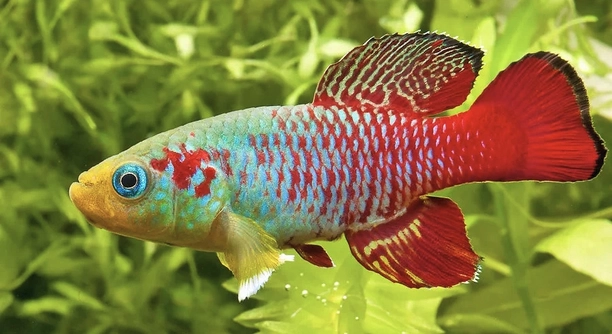
Killi fish are popular for their bright colors and peaceful nature, often kept in small home aquariums. Many owners wonder if adding air stones is necessary for their care. Understanding their needs helps maintain a healthy environment for these delicate fish.
Killi fish do not strictly require air stones, as they can breathe atmospheric air through a specialized organ called the labyrinth. Proper water quality and gentle aeration are sufficient to support their oxygen needs without aggressive bubbling from air stones.
Knowing how to properly care for killi fish ensures their well-being and can prevent common problems related to oxygen levels in the tank. This article explores the best practices for maintaining their aquatic environment.
Understanding Killi Fish Breathing
Killi fish have a unique way of breathing compared to many other fish. They possess a labyrinth organ, which allows them to extract oxygen directly from the air. This means they often swim to the surface to gulp air, especially in environments with lower oxygen levels. Because of this adaptation, they don’t rely entirely on oxygen dissolved in the water like many other fish species do. While an air stone can help by gently increasing water circulation and oxygen exchange, it’s not essential for killi fish survival. Overusing air stones or creating strong bubbles might stress them because they prefer calmer water. Ensuring the tank water is clean and not overcrowded is much more important. Proper maintenance and a gentle filter system will support their breathing and overall health without the need for aggressive aeration.
Adding an air stone can sometimes create unnecessary disturbance in the tank. Killi fish thrive better with calm water conditions.
Even without air stones, a well-maintained tank with stable temperature and clean water provides enough oxygen. These fish are naturally suited to environments where oxygen levels fluctuate. As long as you monitor water quality and avoid overcrowding, your killi fish will breathe comfortably and remain healthy.
When to Use Air Stones for Killi Fish
Air stones are useful mainly when oxygen levels in the water drop too low, such as in overcrowded or poorly filtered tanks. They help circulate water and increase oxygen exchange, which can be beneficial if you notice signs of distress like gasping at the surface. However, because killi fish can breathe atmospheric air, they often cope well without them. It’s more important to focus on regular tank cleaning, proper filtration, and maintaining an ideal fish population to ensure good oxygen levels naturally.
If your tank is well-maintained, air stones are generally not necessary for killi fish.
In some cases, air stones can improve water circulation without causing stress, especially in larger tanks. However, it’s best to use gentle aeration and avoid strong bubbles that might disturb your fish. If you decide to use an air stone, place it in a low-activity area of the tank and keep an eye on your fish’s behavior. Signs of discomfort include avoiding areas near bubbles or increased hiding. Balancing water oxygen levels and providing a calm environment is key. Regular testing of water parameters, including oxygen content, can help you decide if adding an air stone is beneficial for your specific setup.
Air Stones and Water Movement
Air stones create bubbles that increase water movement and surface agitation. This can help improve oxygen exchange between the water and the air. However, for killi fish, too much water movement may cause stress, as they prefer calmer environments. A gentle flow is best.
When using air stones, it’s important to control the size and intensity of the bubbles. Large, fast bubbles can disrupt killi fish behavior and make them hide more often. Gentle bubbling provides enough circulation without overwhelming them. Placing the air stone near the filter outlet or corner of the tank can reduce strong currents in the main swimming areas.
A good balance between aeration and calm water helps maintain oxygen levels while keeping your killi fish comfortable. Monitoring your fish’s reactions to water movement will guide you in adjusting air stone use to their needs.
Signs Killi Fish Need More Oxygen
If killi fish are gasping at the surface frequently or staying near the filter area, it can indicate low oxygen levels. Lethargy or reduced activity can also suggest oxygen stress. These signs mean their environment may need better aeration.
Addressing oxygen shortage starts with checking water quality and tank maintenance. Removing excess waste and avoiding overfeeding prevents oxygen depletion. In some cases, adding an air stone or increasing filtration flow can help. However, avoid sudden changes, as killi fish are sensitive to stress. Slow adjustments in tank conditions ensure their breathing needs are met safely.
Regular observation of your fish’s behavior is key. Responding early to oxygen issues helps maintain a healthy tank and prevents serious health problems.
Tank Size and Oxygen Needs
Smaller tanks have less oxygen available, which can stress killi fish more quickly. Proper aeration or water changes become more important in these setups. Larger tanks naturally hold more oxygen and provide a more stable environment.
Maintaining a balanced fish population is essential. Overcrowding reduces oxygen levels faster and can cause harm. Regular water changes help replenish oxygen and remove waste that consumes it.
Alternatives to Air Stones
Besides air stones, sponge filters and gentle power filters can improve oxygen circulation without strong currents. These options are less likely to stress killi fish and help keep water clean.
Choosing the right filtration system supports a healthy habitat for killi fish. Ensure filters don’t create strong water flow, as calm conditions suit these fish best.
Monitoring Oxygen Levels
Using a simple oxygen test kit can help track tank oxygen. Regular testing ensures your fish have enough oxygen, especially in warmer weather or crowded tanks. This prevents surprises and keeps your tank stable.
Avoiding Over-Aeration
Too much aeration can create unnecessary stress for killi fish. Gentle water movement is enough to keep oxygen levels healthy without disturbing their natural behavior.
FAQ
Do killi fish need air stones in their tanks?
Killi fish do not require air stones to survive because they have a labyrinth organ that lets them breathe air from the surface. However, gentle aeration can help maintain oxygen levels, especially in smaller or crowded tanks. It’s best to avoid strong bubbles, as these can stress the fish.
Can too much aeration harm killi fish?
Yes, excessive aeration can create strong currents and bubbles that make killi fish uncomfortable. They prefer calm waters, so air stones should be used carefully. Gentle water movement helps oxygen exchange without causing stress or forcing them to hide.
How can I tell if my killi fish are not getting enough oxygen?
Signs include gasping at the water surface, lethargy, and reduced swimming activity. If you notice these behaviors, check your water quality and aeration levels. Low oxygen is often caused by overcrowding, poor filtration, or infrequent water changes.
Is a sponge filter better than an air stone for killi fish?
A sponge filter often provides better water filtration and gentle aeration without strong currents. This makes it a good choice for killi fish tanks. It keeps water clean and oxygenated while maintaining the calm environment these fish prefer.
How often should I change the water in a killi fish tank?
Changing 20-30% of the water weekly is a good practice. This helps remove waste and replenish oxygen. Frequent water changes are especially important if you don’t use air stones or if your tank is small and densely stocked.
Can killi fish survive in low oxygen tanks?
Killi fish are more tolerant of low oxygen than many fish because of their ability to breathe air. However, prolonged low oxygen conditions can still harm them. Maintaining good water quality and some form of aeration ensures they stay healthy.
What size tank is best for killi fish?
A tank of at least 5 gallons is recommended for a small group of killi fish. Larger tanks provide more stable oxygen levels and reduce stress. Overcrowding in small tanks can quickly lead to low oxygen and poor water quality.
Are air stones noisy or disruptive in a killi fish tank?
Air stones can produce some bubbling noise, which may be bothersome in quiet rooms. Also, the bubbles can disturb killi fish if too strong. Using a gentle air pump and placing the air stone carefully can minimize noise and disturbance.
Should I use an air stone during the night?
Air stones can help maintain oxygen levels at night when plants stop producing oxygen. However, if the tank is well-maintained and not overcrowded, an air stone is usually not necessary overnight. Monitor your fish and tank conditions to decide.
Can plants reduce the need for air stones?
Live aquatic plants produce oxygen during the day and help improve water quality. Having plants in your killi fish tank can reduce the need for extra aeration. But at night, plants consume oxygen, so some form of aeration might still be needed.
What happens if the air stone stops working?
If you rely heavily on an air stone and it stops, oxygen levels can quickly drop, especially in small tanks. Always have a backup plan like a battery-powered air pump or be ready to do a partial water change to keep oxygen levels safe for your fish.
Are there any alternatives to air stones for increasing oxygen?
Yes, besides air stones and sponge filters, increasing surface agitation with a filter outlet or regularly changing the water helps oxygenate the tank. Adjusting temperature can also influence oxygen levels, as cooler water holds more oxygen.
How do I clean an air stone?
To clean an air stone, soak it in a diluted vinegar solution to remove mineral buildup. Rinse thoroughly with water before placing it back in the tank. Regular cleaning keeps bubbles consistent and prevents blockages.
Is it safe to run an air stone 24/7?
Running an air stone continuously is generally safe but might cause unnecessary stress if the bubbles are too strong. Use an air pump with adjustable flow to maintain gentle aeration suited for killi fish’s calm environment.
Can killi fish live without a filter or air stone?
They can live without these devices if the tank is small, well-maintained, and frequently cleaned. However, regular water changes become essential to keep oxygen levels stable and waste low for their health.
What temperature is best for killi fish to maintain good oxygen levels?
Killi fish prefer temperatures between 72°F and 78°F. Cooler water holds more oxygen, so keeping the tank toward the lower end of this range helps maintain oxygen availability naturally.
How do I reduce stress when adding an air stone to a killi fish tank?
Start with a low airflow setting and place the air stone away from main swimming areas. Observe your fish for signs of discomfort and adjust as needed. A gradual introduction helps them get used to the new water movement.
Can too much movement cause health problems for killi fish?
Yes, excessive water movement can cause stress and reduce immune response. Stress makes fish more vulnerable to disease. Keeping water flow gentle helps maintain their health and natural behavior.
What’s the best location for an air stone in a killi fish tank?
Place the air stone near a corner or behind decorations to minimize direct bubble exposure. This setup creates mild water circulation without disturbing the main swimming space where killi fish spend most of their time.
Is it better to have multiple small air stones or one large one?
Multiple small air stones spread throughout the tank provide even aeration without creating strong currents. This is better for killi fish, as it avoids concentrated areas of heavy bubbling that can cause stress.
How important is water surface area for oxygen exchange in killi fish tanks?
A larger surface area allows better oxygen exchange. Tanks with open tops or wider shapes help maintain higher oxygen levels naturally. Avoid covering the tank fully with lids that reduce air contact with water.
What role does tank temperature play in oxygen levels?
Higher temperatures reduce oxygen solubility in water. Keeping your tank at a moderate temperature helps maintain enough oxygen for killi fish to breathe comfortably without extra aeration.
Killi fish are fascinating creatures with unique breathing abilities that set them apart from many other aquarium fish. Their labyrinth organ allows them to take in oxygen directly from the air, which means they do not rely solely on oxygen dissolved in the water. This adaptation helps them survive in environments where oxygen levels may be lower than usual. Because of this, the use of air stones in a killi fish tank is not strictly necessary. Instead, maintaining good water quality, proper tank size, and a calm environment is more important for their health and comfort. While air stones can aid in oxygen exchange, especially in smaller or crowded tanks, they should be used carefully to avoid creating strong water currents that may stress these fish.
Keeping the tank clean and avoiding overcrowding play a major role in maintaining adequate oxygen levels for killi fish. Regular partial water changes help remove waste that consumes oxygen and prevent the buildup of harmful substances. If you decide to use an air stone, it’s best to choose one that produces gentle bubbles and place it in a less active area of the tank. This allows for better oxygen circulation without disturbing the fish’s preferred calm surroundings. Monitoring your killi fish’s behavior can provide clues about their comfort. Signs such as hiding frequently, gasping at the surface, or reduced activity may indicate stress or oxygen issues that need to be addressed. Adjusting aeration and ensuring stable water conditions will help keep your fish healthy and active.
Overall, caring for killi fish requires attention to their specific needs rather than following generic aquarium practices. Their ability to breathe air reduces their dependence on air stones but does not eliminate the need for proper tank maintenance. Finding the right balance of water quality, tank size, and gentle water movement creates an environment where killi fish can thrive. By observing their behavior and responding appropriately, you can provide a comfortable habitat that supports their natural breathing and overall well-being. This approach ensures your killi fish remain healthy, vibrant, and enjoyable to keep.

Hello,
If you enjoy the content that we create, please consider saying a "Thank You!" by leaving a tip.
Every little bit helps us continue crafting quality advice that supports the health, happiness, and well-being of pets around the world, for pets of all shapes, sizes, and species.
We really appreciate the kindness and support that you show us!