
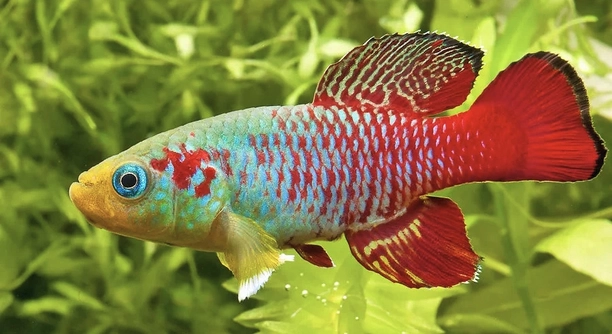
Are your killifish always trying to leap out of the tank, leaving you unsure if a lid is really necessary for them?
Killifish need a lid on their tank because they are known jumpers. Without a secure cover, they can easily leap out, leading to injury or death. A well-fitted lid helps ensure their safety and well-being.
A few simple changes to your tank setup can make a big difference in keeping your killifish safe and secure.
Why Killifish Are Known for Jumping
Killifish are naturally active and curious, often exploring every part of their tank—including the surface. In the wild, many species live in shallow waters that dry up seasonally, which has led them to develop strong jumping skills as a way to move between puddles or escape predators. Even in an aquarium, these instincts remain. They don’t always jump because they’re stressed or unhappy; sometimes it’s simply part of their normal behavior. A sudden noise, bright light, or change in water conditions can trigger an unexpected leap. Because they are small and quick, it doesn’t take much for them to slip through even the tiniest gap at the top of the tank. While it may look like playful movement, it can be dangerous without the proper setup. Keeping their environment safe is key to helping them stay healthy and avoid unnecessary risks caused by their natural habits.
These instincts are not easy to stop, even with ideal water and care conditions in place.
Using a tight-fitting lid is one of the most effective ways to prevent accidents. Soft mesh covers or glass lids work well, as long as there are no open areas. Also, checking for gaps around filters or cords can help.
How to Choose a Proper Lid
A proper lid should fit tightly and sit flush across the top of the tank.
There are different types of lids available, and the right one depends on your setup. Glass lids are a popular choice because they’re sturdy and can be cut to fit snugly around any equipment, like filters or air lines. Plastic hood-style lids are another option, offering a secure fit with built-in lighting features. Mesh screens with fine netting can also work, especially for tanks that need good ventilation. However, it’s important to make sure the mesh is fine enough to stop small fish like killifish from slipping through. Always measure your tank carefully before buying or cutting a lid to ensure it covers every opening. It’s also a good idea to keep it clean and check regularly for signs of warping or gaps. Over time, lids can shift slightly, especially in humid conditions, so routine checks are important for keeping your killifish safe.
Signs Your Killifish Might Be Jumping
You may notice splashes on the tank lid or water on the floor near the tank. Sometimes, fish go missing unexpectedly, only to be found dried up outside the tank hours later.
Scratches or scuff marks on the inside of the lid can also be a clue that your killifish are jumping. If your fish are often near the water’s surface or seem startled by movement outside the tank, they may be getting ready to leap. In some cases, flicking or fast darting can mean they’re reacting to stress or sudden changes. Loud noises, bright lights turning on too quickly, or aggressive tank mates might be triggering this behavior. Checking your fish’s behavior during feeding time can also help. If they shoot to the surface too quickly, it might be time to evaluate the tank setup and make sure nothing is stressing them unnecessarily.
Frequent jumping attempts can also point to water issues. Poor water quality, unstable temperature, or lack of oxygen may cause killifish to react suddenly. Testing your tank regularly for ammonia, nitrites, and pH helps rule out environmental stress. If the levels are off, they might be trying to escape their environment. A calm, consistent tank helps reduce jumping risks over time.
Other Ways to Keep Killifish Safe
A calm tank environment helps reduce unnecessary jumping and keeps your fish more relaxed. Avoid loud sounds, bright lights, or sudden movements near the tank. These can startle sensitive fish like killifish and increase the risk of injury.
If your tank is in a busy room or near a window, consider adding a background or placing a plant to reduce sudden visual changes. Killifish also do better in stable water conditions, so regular maintenance is important. Make sure to keep the temperature and pH within safe levels, and avoid sudden water changes that can stress them. Provide some floating plants or low-cover hiding spots. These give your fish a sense of safety and reduce surface anxiety. Feeding at consistent times helps build a calm routine. Avoid overcrowding the tank or adding aggressive fish, as tension between tank mates can make killifish more likely to jump. Simple adjustments can go a long way in creating a safer space.
What to Avoid When Setting Up the Tank
Avoid using lids with large gaps or cutouts that aren’t sealed properly. Killifish can squeeze through surprisingly small spaces, especially around filters, heaters, or airline tubing.
Stay away from placing the tank near high-traffic areas. Constant movement, noise, and vibrations can stress the fish and lead to more jumping.
Best Placement for the Tank
Place your tank in a quiet, low-traffic part of your home. A space with consistent lighting and temperature is ideal. Avoid windows or heaters that can cause sudden temperature changes. Set the tank on a sturdy, level stand away from direct sunlight and loud TVs or speakers. This helps your killifish stay calm and reduces the chances of jumping. Also, avoid placing the tank on surfaces that vibrate often, like washing machines or near slamming doors. Stability and quiet surroundings can make a big difference in your fish’s daily comfort and behavior.
Why Prevention Matters
Preventing jumps is much easier than dealing with injuries or lost fish. A few simple steps can help keep your killifish safe and in the tank where they belong.
FAQ
Can killifish survive without a lid on the tank?
Killifish can survive for a short time without a lid, but it’s very risky. They are known for jumping, and it only takes one attempt for them to end up outside the tank. Even healthy, calm killifish can suddenly leap if startled. Without a secure cover, they’re at constant risk of injury or death. A lid helps prevent these accidents and protects them from temperature changes or curious pets. It’s one of the simplest ways to avoid unnecessary stress and keep your fish safe long-term.
What kind of lid works best for killifish tanks?
A glass lid with minimal gaps is the most effective option. It’s sturdy, fits tightly, and usually comes with small cutouts for filters or cords. If you use mesh, choose one with fine holes and make sure it’s secured well on all sides. Plastic hoods can work too, as long as they fit snugly and don’t leave open areas. Always check for any possible escape routes around equipment or along the edges. A proper-fitting lid should sit flush across the top and stay secure, even during cleaning or filter maintenance.
Can stress make killifish more likely to jump?
Yes, stress plays a big role. Sudden loud sounds, quick movements, aggressive tank mates, or poor water quality can all increase jumping behavior. Even things like a light turning on too fast can trigger them. Reducing noise, using a soft light cycle, and making sure water parameters are stable can help. Killifish also appreciate floating plants and hiding places to feel more secure. A calm, predictable environment lowers stress levels and helps prevent sudden leaps out of the tank.
Do all killifish species jump the same way?
No, some species are more prone to jumping than others. For example, annual killifish that live in temporary pools tend to be more agile and jumpy, while some non-annual species are slightly more settled. However, most killifish have strong natural instincts that make them skilled jumpers. Regardless of the type, it’s safest to treat them all as potential escape artists. Just because a fish hasn’t jumped yet doesn’t mean it won’t. Their behavior can change based on environment, tank mates, and overall health.
Can killifish get hurt from jumping inside the tank?
Yes, they can. If they jump and hit the lid or decorations inside the tank, they may injure their fins or bodies. Small cuts or torn fins can lead to infections if not treated properly. Also, hitting a hard surface repeatedly can cause long-term stress or health issues. Even if they stay in the tank, constant jumping is not healthy. It’s usually a sign that something in their setup needs to be adjusted. Watching their behavior closely helps you catch and fix problems early.
What should I do if my killifish jumped out of the tank?
If you find your killifish on the floor and it’s still wet or moving, gently place it back into the tank right away. Use a soft net or scoop it up by hand with wet fingers. Once it’s back in the water, keep the lights dim and try not to disturb it. Observe for signs of injury or stress. If it’s breathing heavily or swimming oddly, keep the water clean and consider adding a little aquarium salt to support recovery. If the fish is not moving or completely dry, it’s likely too late.
Do lids help with more than just jumping?
Yes, they do. Lids also help control evaporation, maintain water temperature, and keep out dust or household chemicals. They protect your fish from pets or kids and help prevent things from falling into the tank. A lid adds another layer of safety that supports a healthy tank overall. It also helps reduce water loss, which is important for stable conditions. While preventing jumps is the main reason for using a lid with killifish, the added benefits make it worth using for any setup.
Is it safe to use a lid with lighting?
Yes, most modern lids come with built-in or compatible lighting options. Just make sure the light doesn’t overheat or cause condensation buildup. LED lights are a good choice because they’re energy-efficient and produce less heat. If your lid has a light fixture, check for moisture regularly and keep it clean. Never use lights that are not rated for aquarium use, as they can become a hazard. Proper ventilation and a tight seal around the light openings can help prevent excess moisture and maintain a safe environment.
How can I tell if my lid needs replacing?
Over time, lids can warp, crack, or loosen. If you notice gaps forming, condensation leaking out, or the lid not sitting flat anymore, it may be time for a replacement. Mold, rust on hinges, or cloudy buildup are also signs it’s time to clean or change it. Check the lid often—especially after maintenance, tank upgrades, or if your killifish seem more active than usual near the surface. A secure, well-fitting lid should be a consistent part of your tank setup.
Final Thoughts
Killifish are small, active fish with strong natural instincts. One of those instincts is jumping. While it might seem harmless at first, even a single jump outside the tank can be fatal. Many people don’t expect such a tiny fish to leap with so much force, but it happens more often than you’d think. A lid is one of the easiest and most effective ways to keep them safe. It doesn’t need to be fancy or expensive—it just needs to cover every opening and stay secure. Whether you use a glass top, mesh screen, or plastic hood, what matters most is that there are no gaps they can squeeze through. Even small changes like covering areas around cords or filters can make a big difference.
It’s also important to look at why your killifish might be jumping. A secure lid helps, but a calm and stable tank matters just as much. If your fish are jumping often, check the water quality, lighting, and tank mates. Sometimes they’re reacting to stress or discomfort. Reducing bright flashes, loud sounds, or fast-moving fish can help them feel more settled. Simple things like adding floating plants or keeping a routine feeding schedule can go a long way. These small adjustments help create an environment where your killifish feel safe, lessening the chances they’ll try to escape. Watching their behavior closely helps you catch any issues early before they become serious problems.
In the end, keeping killifish safe isn’t difficult—it just takes a bit of awareness and regular care. A secure lid, clean water, and a peaceful setup are all you need to avoid most jumping risks. Killifish are fun to watch and care for, but their safety depends on how well their environment is maintained. Being proactive with tank setup and maintenance helps avoid accidents and supports their overall health. It’s not about doing everything perfectly—it’s about paying attention and making small, thoughtful choices. With the right setup, you can enjoy watching your killifish thrive without worrying about them jumping out. A secure tank not only keeps your fish safe but also gives you peace of mind.

Hello,
If you enjoy the content that we create, please consider saying a "Thank You!" by leaving a tip.
Every little bit helps us continue crafting quality advice that supports the health, happiness, and well-being of pets around the world, for pets of all shapes, sizes, and species.
We really appreciate the kindness and support that you show us!