
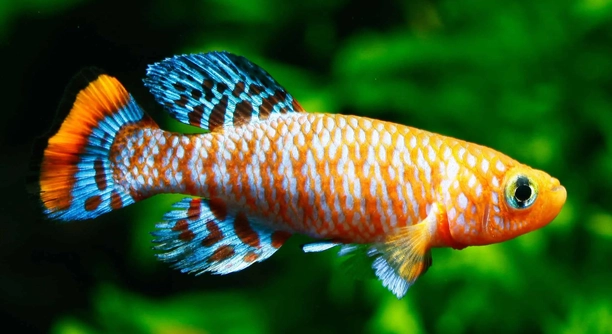
Killifish are small, colorful fish often kept in home aquariums. Many people enjoy their vibrant patterns and peaceful nature. However, concerns sometimes arise about how they behave around each other in confined spaces.
Killifish can bite each other, but this behavior is usually limited and depends on species, tank size, and environment. Aggression may occur during breeding or territorial disputes, but it is not typically harmful or frequent in well-maintained aquariums.
Understanding their behavior helps ensure a peaceful tank environment and promotes the well-being of your killifish companions.
Why Killifish Sometimes Bite Each Other
Killifish are generally peaceful but may bite each other under certain conditions. When space is limited or hiding spots are few, they can become territorial and defend their area by nipping at other fish. Males are more likely to show this behavior, especially during breeding seasons when they compete for mates. Sometimes, bites happen because one fish feels threatened or stressed. This can happen if the tank is overcrowded or if water quality is poor. Providing enough space and places to hide reduces aggression. Also, keeping killifish in species-appropriate groups helps lower biting incidents. Watching their behavior closely can alert you if the biting is becoming a problem. Minor nips are normal but constant fighting can harm their health and appearance, so intervention may be needed.
When bites occur, it is important to check for injuries and keep the tank clean to prevent infections.
Understanding what triggers biting lets you create a calmer environment for your killifish and helps maintain their health.
How to Prevent Killifish Biting
Providing a spacious tank with plenty of plants and hiding places reduces territorial aggression. Killifish feel safer and less stressed when they have room to explore. Avoid overcrowding since too many fish increase competition and biting. Selecting compatible species and limiting aggressive males also helps keep peace. Regular water changes improve health and reduce stress-related behavior. Watching fish interactions allows early detection of aggressive tendencies so you can separate aggressive individuals if needed. Proper feeding prevents competition over food, another common cause of biting. These steps ensure your killifish live comfortably and minimize biting incidents.
Addressing biting quickly improves the overall tank atmosphere and promotes healthier, happier fish.
Signs Your Killifish Are Biting Each Other
Biting often shows as small wounds or missing scales. You might notice fin damage or red marks on their bodies. Watch for chasing or sudden darting movements as well.
These signs indicate mild aggression or territorial disputes. If left unchecked, bites can lead to infections or stress. Monitoring fish daily helps catch problems early. Some species show more aggression naturally, so knowing your killifish type is helpful.
Behavioral changes like hiding more or refusing food can also signal stress from biting. Early intervention can prevent worsening injuries. Maintaining good water conditions and tank setup plays a big role in reducing aggression and biting behaviors.
Treatment for Injuries Caused by Biting
Treat minor wounds by improving water quality and keeping the tank clean. Using aquarium salt or antibacterial treatments can help prevent infections. If a fish looks weak or shows severe injuries, consider isolating it in a quarantine tank for recovery.
Severe bites may require veterinary advice or special medication. Always remove aggressive fish if biting continues despite changes. Healing time varies, but a stress-free environment speeds recovery. Avoid overcrowding and ensure balanced nutrition to support healing. Regular observation during this time is essential to catch any new problems quickly and keep your killifish healthy.
Common Causes of Killifish Biting
Stress is a main cause of biting among killifish. Poor water quality, overcrowding, or sudden changes in the tank can trigger aggressive behavior.
Lack of hiding spots also increases territorial disputes. Providing plenty of plants and decorations helps reduce conflicts and keeps the fish calmer.
Tank Setup Tips to Reduce Biting
A well-planned tank with enough space and hiding places is key. Use live plants, rocks, and caves to break sight lines and create territories. Avoid overcrowding by following species-specific stocking guidelines. Regular water changes and stable conditions also lower stress, which reduces biting chances.
Feeding Practices to Minimize Aggression
Feed small amounts multiple times daily. This prevents competition and keeps killifish satisfied. Use sinking pellets or flakes spread evenly to reduce fighting over food.
Species That Are Less Aggressive
Some killifish species are naturally more peaceful, like the Golden Wonder or Clown Killifish. Choosing these can lead to a calmer aquarium environment.
Can Killifish Hurt Each Other Seriously?
Killifish biting usually causes minor injuries like small nips or missing scales. Serious harm is uncommon but can happen if aggression is constant and unchecked. Deep wounds may lead to infections or stress, affecting their health. It’s important to monitor their behavior closely and intervene if fighting continues. Proper tank setup and care usually prevent serious harm.
Why Do Killifish Bite During Breeding?
Male killifish often become territorial and more aggressive while breeding. They compete for females and defend nesting spots. This causes chasing and biting to establish dominance. Females may also show some aggression. Breeding aggression is natural but can be minimized with enough space and hiding places. Separating aggressive males if needed can protect weaker fish.
Is It Normal for Killifish to Chase Each Other?
Chasing is a common behavior in killifish, especially males. It helps establish social hierarchy and territory boundaries. Occasional chasing is normal and usually harmless. However, nonstop chasing may cause stress or injury. Watching their interaction helps determine if chasing is playful or harmful. Providing space and shelters reduces excessive chasing.
How Can I Stop Killifish from Biting?
Prevent biting by keeping the tank spacious and well-planted. Avoid overcrowding and maintain good water quality. Feed them properly to reduce food competition. Observe their behavior and separate aggressive individuals if needed. Creating multiple territories helps lower aggression. Regular tank maintenance keeps fish healthy and less stressed.
Do Killifish Bite Other Fish Species?
Killifish generally focus aggression on their own kind, especially males. They rarely bite other species unless competing for food or space. Choosing peaceful tank mates and matching species with similar temperaments helps prevent conflicts. Monitoring interactions when introducing new fish is always a good practice.
Can Stress Cause Killifish to Bite?
Stress increases aggressive behavior in killifish. Factors like poor water quality, overcrowding, or sudden changes can cause stress. When stressed, killifish may bite more often or act out of character. Reducing stress with good tank conditions, hiding spots, and gentle handling decreases biting incidents and promotes healthier fish.
What Should I Do If My Killifish Is Injured From Biting?
Treat minor injuries by improving water quality and keeping the tank clean. Use aquarium salt or antibacterial treatments to prevent infection. For serious wounds, isolate the injured fish in a quarantine tank for recovery. Monitor healing and adjust tank conditions to avoid further aggression. Consult a vet if injuries worsen or do not heal.
Are Some Killifish Species More Aggressive Than Others?
Yes, aggression levels vary between killifish species. Some, like Fundulopanchax or Aphyosemion, can be more territorial and prone to biting. Others, such as Golden Wonder or Clown Killifish, tend to be peaceful. Knowing your species’ temperament helps create a balanced tank environment and reduce conflicts.
Can Changing the Tank Setup Help Reduce Biting?
Yes, rearranging the tank disrupts established territories and reduces aggression. Adding plants, caves, or decorations provides hiding spots and breaks sight lines. This helps fish feel safer and less likely to bite. Regular changes also keep the environment stimulating, which lowers stress and aggressive behavior.
Is It Okay to Keep Only One Killifish to Avoid Biting?
Keeping a single killifish prevents biting but may cause loneliness or boredom for social species. Some killifish do well alone, but most thrive in groups. If keeping one, enrich the tank with decorations and stimulation. Otherwise, managing group dynamics and tank conditions is a better way to reduce biting while maintaining social interaction.
Killifish are beautiful and interesting fish to keep, but like many animals, they have their own ways of interacting. Biting between killifish is something that can happen, but it is not always a sign of serious problems. Most of the time, small bites or chasing are part of their natural behavior. These actions help them establish territories or compete during breeding seasons. Understanding this behavior makes it easier to care for them and create a good living environment. It is important to know that a well-kept tank with enough space and hiding places helps reduce aggressive actions like biting.
Taking care of the tank is one of the best ways to keep killifish healthy and peaceful. Clean water, proper feeding, and enough room for each fish make a big difference. Overcrowding or sudden changes can stress the fish and cause more biting. By giving killifish plants, rocks, and places to hide, you help them feel safe and calm. Watching your fish regularly is key to catching any problems early. If you notice that biting becomes frequent or serious, it might be necessary to separate some fish or improve the tank setup. This helps protect the health of all your killifish and keeps the tank peaceful.
In the end, killifish biting is a behavior that can be managed with careful attention and good tank care. It is normal for some biting to happen, but it should not harm the fish if conditions are right. By understanding what causes biting and how to prevent it, you can enjoy watching your killifish thrive. Creating a calm and stable environment will allow them to show their natural beauty without stress or injury. With patience and effort, you can keep your killifish happy and reduce biting problems in your aquarium.

Hello,
If you enjoy the content that we create, please consider saying a "Thank You!" by leaving a tip.
Every little bit helps us continue crafting quality advice that supports the health, happiness, and well-being of pets around the world, for pets of all shapes, sizes, and species.
We really appreciate the kindness and support that you show us!