
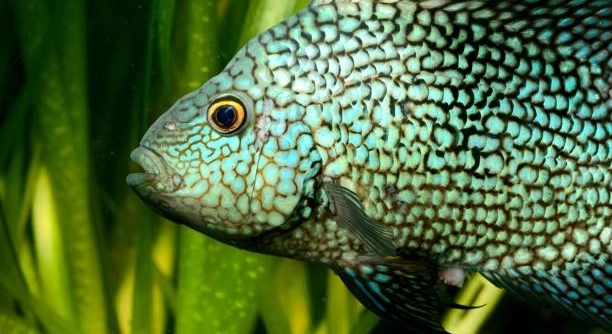
Jack Dempsey fish are popular in home aquariums for their striking colors and active behavior. Observing them can be fascinating, yet many owners notice periods of stillness and wonder what these moments signify in their daily routine.
Jack Dempsey fish do sleep, typically resting during the night or in dimly lit areas. Their sleep involves reduced movement, lower responsiveness, and occasional hovering near the substrate or hiding spots, reflecting natural patterns of rest in freshwater cichlids.
Recognizing these subtle sleep behaviors can help you maintain a healthier, more comfortable environment for your Jack Dempsey fish. Understanding their rest patterns is essential for their overall well-being.
How Jack Dempsey Fish Sleep
Jack Dempsey fish sleep by finding a safe spot in their tank, often near rocks, plants, or shaded areas. They reduce their activity, hover quietly, and sometimes rest on the substrate. Their eyes may remain partially open, but movement slows significantly. Light levels affect their sleep patterns, and dim lighting helps mimic their natural environment. During sleep, metabolism slows, and they conserve energy for feeding and swimming during active periods. Observing them at night or when lights are off shows these subtle resting behaviors. Unlike mammals, they do not have eyelids, so their sleep is less obvious, requiring careful observation. Consistent tank conditions and minimal disturbance during their resting period support better health. Sudden changes in environment can disrupt their sleep, causing stress. Providing hiding spots or decorations allows them to feel secure while resting. Regular observation helps owners distinguish normal sleep from signs of illness or discomfort.
Their sleep is essential for growth, energy restoration, and maintaining a balanced temperament.
Proper rest ensures Jack Dempsey fish remain active, healthy, and less aggressive during the day.
Signs of Sleep in Jack Dempsey Fish
Sleeping Jack Dempseys often become still, with minimal fin movement and low responsiveness to external stimuli.
They may rest near the tank bottom or within shaded areas, appearing calm and detached from surrounding activity. Their posture is usually stable, with gentle fin positioning, and they may hover close to hiding spots, reducing exposure to perceived threats. Unlike resting during the day, nighttime sleep is deeper, with slower gill movement and a decrease in overall energy expenditure. Environmental cues, such as dim lighting or reduced human interaction, trigger these resting behaviors. Owners can observe patterns over several nights to confirm consistent sleep habits. Changes in tank setup or sudden loud disturbances can interrupt their sleep, which may lead to stress or irregular activity during daylight hours. Ensuring a predictable environment with proper light cycles helps Jack Dempseys establish a healthy sleep routine. Understanding these signs allows you to monitor their well-being and adjust care practices accordingly, keeping them comfortable and thriving in captivity.
Common Sleeping Spots in Jack Dempsey Tanks
Jack Dempsey fish often sleep near the tank bottom, among plants, rocks, or in shaded corners. They choose areas that feel secure and protected, reducing exposure to light or other fish. Hiding spots make them more comfortable while resting and help prevent stress during sleep.
They may hover just above the substrate or tuck into crevices between rocks. Open spaces are usually avoided during rest, as they feel vulnerable. Driftwood, caves, and dense plants provide ideal sleeping locations. Their choice depends on tank layout, light levels, and the presence of other fish. Observing their preferred spots over time reveals patterns that indicate comfort and security. Consistent access to these areas supports healthier sleep, energy restoration, and calmer behavior during waking hours, as they feel safe from disturbances.
Providing multiple hiding spots encourages natural behavior. It helps reduce territorial disputes while giving them quiet areas to rest.
How Light and Environment Affect Sleep
Dim lighting and quiet surroundings promote proper sleep for Jack Dempsey fish. Bright lights or sudden movements can disrupt resting patterns and increase stress levels.
Natural light cycles, or a timer for aquarium lighting, help them establish a routine. A consistent day-night cycle signals when to rest and when to be active. Decorations, plants, and caves not only provide hiding spots but also create shaded areas that mimic natural habitats. Water temperature and quality also influence sleep; cooler, stable conditions encourage longer periods of rest, while fluctuations may cause them to stay alert. Minimizing sudden changes in the tank, such as loud noises, rapid water flow, or frequent rearrangement, supports uninterrupted sleep. Observing behavior over several nights helps determine whether the environment promotes healthy rest and allows adjustments for optimal comfort. Proper management of these factors ensures Jack Dempseys maintain energy, avoid stress, and display natural behaviors consistently.
Nighttime Activity Patterns
Jack Dempsey fish are generally less active at night, conserving energy while resting. They reduce swimming, hovering quietly near hiding spots or along the substrate. This calm behavior indicates normal sleep rather than illness or stress.
During rest, fin movement slows, and gill rate decreases. They remain alert to nearby disturbances but avoid unnecessary motion.
Factors That Disrupt Sleep
Sudden changes in light, loud noises, or aggressive tank mates can interrupt their sleep. Even minor disturbances may cause them to leave their resting spots.
Stress from overcrowding, poor water quality, or frequent rearrangement of decorations prevents consistent sleep patterns. Ensuring a stable environment and proper hiding areas reduces interruptions, helping Jack Dempseys maintain normal behavior. Regular observation helps identify and address any factors that affect rest, allowing adjustments to tank conditions and interactions to support uninterrupted sleep. Consistent care fosters calmer, healthier fish, improving both their nighttime rest and daytime activity levels.
Observing Sleep Without Disturbing
It is best to watch Jack Dempseys from a distance. Sudden movements may wake them.
FAQ
How long do Jack Dempsey fish sleep?
Jack Dempsey fish typically sleep during nighttime hours or in dimly lit conditions. Their sleep length varies depending on tank lighting, water temperature, and activity during the day. Most rest for several hours at a time, reducing movement and conserving energy. They may wake briefly if disturbed, then return to rest.
Do Jack Dempseys need complete darkness to sleep?
Complete darkness is not necessary but helps them maintain a consistent sleep cycle. Dim lighting or shaded areas provide a secure environment, encouraging natural resting behavior. Bright lights or sudden changes can disturb their sleep, causing them to hover or hide more frequently than usual.
Can Jack Dempseys sleep during the day?
Yes, they may rest during the day if the tank environment feels safe and calm. Plants, rocks, and decorations create shaded spots where they can remain still. Daytime rest is usually lighter than nighttime sleep and may involve more alertness to surroundings.
How can I tell if my Jack Dempsey is sleeping or sick?
Sleeping fish hover quietly, reduce fin movement, and remain in secure spots. Sick fish may show unusual lethargy, abnormal swimming, clamped fins, or loss of appetite. Observing consistent patterns of stillness in familiar spots usually indicates normal sleep rather than illness.
Do Jack Dempseys close their eyes when sleeping?
No, they do not have eyelids, so their eyes remain open. Sleep is shown through reduced movement, slower gill rates, and a calm posture. Observing these subtle signs helps distinguish rest from active behavior.
Do tankmates affect sleep patterns?
Yes, aggressive or active tankmates can disturb resting Jack Dempseys. Providing hiding spots and calm areas allows them to sleep without interference. Territorial disputes or frequent chasing can prevent proper rest and increase stress levels.
How does water temperature affect sleep?
Stable, appropriate water temperatures support normal resting behavior. Sudden drops or spikes can make fish more active or restless, reducing the quality of sleep. Maintaining recommended temperature ranges for Jack Dempseys encourages longer, uninterrupted periods of rest.
Is it normal for Jack Dempseys to change sleeping spots?
Yes, they may move to different areas based on comfort, lighting, or tank activity. Rotating resting locations can reflect environmental changes, personal preference, or interactions with other fish. Offering multiple safe spots ensures they always have a place to rest.
Do Jack Dempseys ever sleep in open water?
Sometimes, especially if the tank feels secure, they may rest mid-water, hovering slowly. However, they prefer hiding or shaded areas for better safety. Open-water rest is usually brief and often occurs when there are no nearby threats or disturbances.
How can I create the best sleep environment?
Provide hiding spots, shaded areas, and stable tank conditions. Use a consistent light schedule and minimize loud noises or sudden changes. Regularly check water quality and temperature, and ensure tankmates are compatible. This approach helps Jack Dempseys sleep naturally and maintain energy for daily activity.
Can Jack Dempseys nap during feeding hours?
They may pause or rest between active periods, even during feeding times, if undisturbed. Short naps help them conserve energy, but they usually resume normal activity when food is offered or other fish become active.
Does stress affect their sleep?
Stress interrupts sleep by making them more alert or hiding excessively. Causes include overcrowding, aggressive tankmates, poor water quality, or frequent disturbances. Reducing stress supports uninterrupted rest and encourages calmer behavior throughout the day.
Are older Jack Dempseys sleepier than younger ones?
Older fish often rest more frequently or for longer periods as energy levels decrease. Younger fish tend to be more active, taking shorter naps between periods of activity. Observing age-related patterns helps set expectations for their normal behavior.
Can I observe sleep without causing disturbance?
Yes, watch from a distance or through natural tank lighting. Avoid tapping the glass or sudden movements. Quiet observation allows insight into their behavior and confirms healthy rest patterns without stress.
Do Jack Dempseys ever dream?
It is unclear whether fish experience dreams like mammals. Their sleep is primarily a resting state with reduced activity and slower metabolism, rather than complex brain activity associated with dreaming.
How often should I check on sleeping fish?
Briefly observing them once or twice a day is enough. Regular but gentle monitoring ensures their environment supports rest while minimizing disruptions to natural sleep patterns.
Does diet affect sleep quality?
A balanced diet helps maintain energy levels and supports normal rest. Overfeeding or underfeeding can disrupt activity patterns, making them restless or lethargic during typical sleep times. Feeding schedules aligned with active periods encourage proper resting behavior.
Is it normal for Jack Dempseys to twitch while sleeping?
Occasional fin or body movements are normal and usually harmless. These movements can result from minor adjustments, responding to vibrations, or natural reflexes. Frequent, erratic twitching may indicate stress or water quality issues.
Do Jack Dempseys ever sleep together?
They usually prefer individual resting spots but may tolerate proximity to non-aggressive tankmates. Sleep together behavior is rare and often depends on tank layout, social dynamics, and available hiding areas.
How long should I let them rest each night?
Allow at least 8-12 hours of quiet, dim conditions to support natural sleep cycles. Interruptions or insufficient rest can affect energy, growth, and overall health. Consistent night cycles help maintain regular behavior patterns and reduce stress.
Can I tell if sleep deprivation affects my fish?
Signs include increased aggression, lethargy during the day, reduced appetite, and unusual hiding. Ensuring a stable, calm environment and proper light cycles helps prevent sleep-related stress and promotes overall well-being.
Do Jack Dempseys adjust sleep with seasonal changes?
They may slightly alter activity patterns in response to temperature and light changes. However, stable tank conditions minimize dramatic changes, keeping sleep consistent year-round. Seasonal adjustments in lighting and temperature mimic natural conditions and support healthy rest.
How quickly do they fall asleep after lights go off?
Most settle within a few minutes to half an hour, depending on tank activity and comfort level. Calm, familiar surroundings allow them to rest efficiently without lingering stress or alertness.
Can medications affect sleep?
Certain treatments or chemicals can increase stress or alter metabolism, causing rest disruptions. Always follow dosing instructions and monitor behavior to ensure normal sleep patterns are maintained.
Should I remove decorations at night for better sleep?
No, decorations provide hiding spots and shaded areas that support rest. Removing them can increase stress, reduce security, and negatively impact sleeping behavior. Proper tank layout is essential for healthy sleep.
Do Jack Dempseys ever sleep in unusual positions?
Occasionally, they may rest at an angle or partially hidden among rocks or plants. This is normal if they appear relaxed and responsive once active. Unusual positioning combined with other signs may indicate health concerns.
How long can they go without proper rest?
Prolonged sleep disruption leads to stress, increased aggression, reduced immunity, and slower growth. Ensuring regular rest periods is critical for maintaining health and natural behavior patterns.
Can I interact with them during sleep?
Interaction should be minimal. Sudden movements, tapping, or feeding during rest can disturb sleep, causing stress and irregular behavior. Observation from a distance is best.
Are there differences in sleep between males and females?
Males may be more territorial and alert during rest, while females often choose more secluded hiding spots. Differences are subtle but may affect preferred sleeping locations and movement during rest periods.
Do they ever sleep with their mouths open?
Occasional slight gill movements or mouth opening is normal during rest for breathing. Constant gaping may indicate water quality issues or health concerns, not normal sleep.
Can sleep patterns predict mood or aggression?
Consistent sleep supports calmer, balanced behavior. Disrupted rest can make them more aggressive or irritable, while proper sleep correlates with natural energy levels and temperate interactions with tankmates.
Is it necessary to mimic a natural day-night cycle?
Yes, maintaining consistent lighting schedules helps regulate sleep, feeding, and activity. Sudden or irregular light changes disrupt rest and can cause stress, reducing overall health and energy.
Do Jack Dempseys ever sleep in groups?
Typically, they prefer solitary resting areas, but in peaceful tanks with plenty of space, multiple fish may rest near each other. Individual hiding spots remain essential for comfort.
Can I tell the difference between a nap and full sleep?
Naps involve brief stillness with partial awareness of surroundings, while full sleep shows slower movement, reduced fin activity, and longer rest periods. Observing patterns over time helps distinguish these behaviors.
How important is consistency in sleep routine?
Consistency supports energy balance, proper growth, and calmer behavior. Irregular sleep schedules lead to stress, reduced activity, and potential health issues. Maintaining predictable light cycles, calm surroundings, and safe resting spots is essential.
Do tank size and layout affect sleep quality?
Yes, larger tanks with multiple hiding areas allow safer, more comfortable resting spots. Crowded or poorly arranged tanks can disrupt sleep, causing stress, aggression, or restless behavior. Proper design supports natural sleep patterns and overall health.
Can I use nighttime lighting for observation?
Soft, dim lighting allows observation without disturbing sleep. Avoid bright or flashing lights, as these can interrupt rest and cause stress. Gentle lighting helps monitor behavior while preserving natural sleep cycles.
Is it normal for fish to move slightly during sleep?
Yes, subtle fin movements, gill adjustments, or minor shifts in position are natural. Constant movement or erratic twitching may indicate stress or poor water conditions rather than normal sleep.
Do Jack Dempseys ever sleep upside down?
Rarely, and only in unusual circumstances. Normal sleep involves stable posture near the substrate, hiding spots, or shaded areas. Upside-down positions combined with lethargy may indicate health problems rather than rest.
How can I encourage better sleep?
Provide hiding spots, shaded areas, stable water conditions, and a consistent light cycle. Minimize disturbances from tankmates, loud noises, or frequent rearrangement to support uninterrupted rest and natural behavior.
Does feeding schedule influence sleep?
Yes, feeding during active periods helps align energy use with rest. Overfeeding or feeding late at night can disrupt sleep by causing activity when they would normally be resting.
Are older fish more sensitive to disturbances?
Older Jack Dempseys may be more cautious and easily disturbed. Providing secure resting areas and a calm environment ensures proper sleep and reduces stress in aging fish.
Can water flow affect sleep?
Strong currents or turbulence can make them restless. Calm areas or slower water flow near hiding spots encourage uninterrupted rest and comfort.
Do Jack Dempseys adjust sleep if tankmates are removed?
Yes, changes in tank population can alter their resting spots and behavior. They may explore previously occupied areas or shift to preferred locations based on perceived safety.
Is it normal for Jack Dempseys to twitch occasionally during sleep?
Yes, small movements or fin adjustments are typical. Consistent twitching or erratic movements combined with other signs may indicate stress, water issues, or health concerns.
Can poor water quality cause sleep problems?
Yes, high ammonia, nitrites, or sudden pH changes make fish restless. Maintaining clean, stable water supports normal sleep patterns and overall well-being.
How do I know if they are fully rested?
After sleep, they resume normal activity, show regular feeding behavior, and exhibit typical energy levels. Calm behavior and proper response to stimuli indicate successful rest.
Do Jack Dempseys sleep in groups in community tanks?
They usually prefer individual spots, but multiple fish may rest near each other in peaceful setups. Safe, separate hiding spots remain important to prevent stress or aggression.
Can artificial decorations mimic natural sleeping areas?
Yes, caves, rocks, and plants provide secure, shaded spots that replicate natural resting environments. Proper arrangement helps maintain comfort, reduce stress, and support normal sleep behavior.
Do Jack Dempseys ever sleep near the water surface?
Occasionally, in calm, safe tanks with low light, but they prefer bottom or mid-level hiding areas. Surface rest is usually brief and occurs only when conditions feel secure.
How important is monitoring sleep for tank health?
Observing sleep helps identify stress, illness, or environmental issues early. Healthy sleep indicates proper tank conditions, calm behavior, and appropriate energy balance for Jack Dempseys.
Do they ever sleep alone or always with others?
They usually choose solitary spots, even in community tanks. Individual hiding areas reduce stress and allow them to rest without competition or disturbance from other fish.
Can overfeeding affect sleep?
Yes, overfeeding may cause restlessness or digestive discomfort, disrupting normal sleep patterns. Balanced feeding schedules promote proper energy use and natural resting behavior.
How can I reduce stress to improve sleep?
Provide secure hiding spots, stable water conditions, compatible tankmates, and consistent light cycles. Minimizing disturbances supports uninterrupted rest and healthier behavior overall.
Do Jack Dempseys nap or only have long sleep periods?
They can take short naps between active periods, especially during calm times of the day. These naps help conserve energy but are lighter than nighttime sleep.
Does tank size affect sleep quality?
Larger tanks with varied hiding spots allow more secure resting areas. Small or overcrowded tanks may disrupt sleep due to stress or lack of safe spaces. Proper space is essential for calm, healthy sleep.
Can sleep patterns indicate health issues?
Yes, changes in resting behavior, such as prolonged lethargy, excessive hiding, or abnormal positions, can signal illness, stress, or water quality problems requiring attention.
How often should I observe sleeping behavior?
Brief, gentle observation once or twice daily is enough. Monitoring ensures environmental conditions support healthy rest without causing stress or disturbances.
Do Jack Dempseys ever sleep in unusual postures?
Occasionally, but normal sleep involves stable posture near substrate or hiding areas. Unusual positions paired with other symptoms may indicate health problems.
Can water temperature changes disturb sleep?
Yes, sudden increases or decreases can make them restless. Stable temperatures within recommended ranges promote uninterrupted sleep and overall well-being.
Do Jack Dempseys ever sleep at the same spot every night?
They may prefer consistent spots, but changes in environment, tankmates, or lighting can lead them to adjust resting locations while maintaining security and comfort.
Is nighttime observation necessary?
Observing at night helps confirm normal resting behavior, but it should be done quietly with minimal disturbance to avoid stress or interrupting sleep.
Can poor lighting cause stress during sleep?
Yes, bright or inconsistent lighting can prevent proper rest. Dim or shaded areas, along with consistent light schedules, support healthy sleep patterns and reduce stress.
Do Jack Dempseys sleep more in larger tanks?
They may take longer or more comfortable rest in larger tanks due to more hiding options and reduced disturbances. Smaller tanks may limit sleep quality if hiding spots are insufficient.
Is it normal for them to wake briefly during sleep?
Yes, brief awakenings are natural, often triggered by movement, vibrations, or minor disturbances. They typically return to rest once the environment feels safe.
Do males and females sleep differently?
Males may be more alert due to territorial behavior, while females often select more secluded spots. Differences are subtle and depend on individual temperament and tank setup.
Can poor water flow disrupt sleep?
Yes, strong currents or turbulence can prevent rest. Calm areas near hiding spots encourage uninterrupted sleep and comfort.
Do they ever sleep in open water?
Occasionally, if the tank feels secure, but they prefer shaded or hidden areas. Open-water rest is usually brief and dependent on perceived safety.
Are sleeping spots permanent?
No, fish may change locations based on comfort, tank activity, or new hiding places. Providing multiple options ensures continuous security and healthy sleep.
Can other fish wake them up?
Yes, active or aggressive tankmates can disturb resting Jack Dempseys. Safe hiding areas help prevent interruptions and reduce stress.
How can I tell if sleep is affected by stress?
Disrupted rest, frequent movement, hiding, or unusual lethargy can indicate stress. Maintaining calm surroundings, proper tankmates, and stable conditions supports normal sleep.
Do Jack Dempseys ever sleep upside down?
Rarely, and usually signals a problem if combined with other signs. Normal sleep occurs in stable positions near substrate or hiding areas.
Is it normal for them to twitch slightly during sleep?
Yes, small fin or body movements are natural. Excessive twitching may indicate water quality or health issues rather than normal rest.
Do they respond to vibrations while sleeping?
Yes, sudden vibrations or tapping can cause temporary wakefulness. Gentle observation minimizes disruptions and allows normal resting patterns to continue.
Does aging affect sleep?
Older fish may sleep longer or prefer more secluded spots. Energy levels decrease with age, making consistent, comfortable hiding areas important.
Can artificial caves fully replace natural hiding spots?
Yes, proper caves, rocks, and plants simulate secure areas, providing comfort and shaded spots essential for uninterrupted rest.
Do they sleep in groups?
Rarely; individual hiding spots are preferred. Peaceful tanks may allow proximity without interaction, but separate areas remain important for stress-free sleep.
How can I ensure healthy sleep patterns?
Provide stable lighting, secure hiding spots, compatible tankmates, proper water conditions, and minimal disturbances. Observing behavior helps adjust the environment for consistent, uninterrupted rest.
Can feeding too late affect sleep?
Yes, late feeding may stimulate activity, disrupting natural rest periods. Aligning feeding schedules with active times encourages normal sleep cycles.
Is it normal for older Jack Dempseys to nap more?
Yes, aging reduces energy levels, leading to more frequent or longer rest periods. Observing patterns helps ensure normal behavior.
Do they adjust sleep if tankmates are removed?
Yes, resting locations and patterns may change depending on perceived safety and tank dynamics.
Can water quality affect sleep?
Poor water quality, including ammonia, nitrites, or pH fluctuations, makes fish restless. Stable, clean conditions promote proper rest and comfort.
How do I know if sleep is sufficient?
Properly rested fish resume normal activity, show typical feeding behavior, and exhibit balanced energy levels. Signs of restlessness indicate insufficient sleep or stress.
Do they ever sleep mid-water?
Occasionally, in calm tanks with no disturbances, but they prefer substrate or shaded areas for comfort.
How important is sleep for health?
Sleep supports energy restoration, calm behavior, growth, and overall well-being. Disruptions can lead to stress, aggression, and reduced immunity, making proper rest essential.
**Can tank layout influence sleep?
Final Thoughts
Jack Dempsey fish have unique sleep habits that are easy to miss if you are not paying attention. They do not close their eyes, and their movements slow instead of stopping completely, which makes it easy to confuse rest with inactivity. Observing them during dim lighting or at night reveals subtle behaviors like hovering near the substrate, hiding among plants, or remaining still near rocks. These resting habits are natural and help them conserve energy, support growth, and maintain a balanced temperament. Their sleep patterns are influenced by environmental factors such as lighting, water quality, tank layout, and the presence of other fish. By understanding how they rest, owners can create a more comfortable and secure environment, ensuring the fish feel safe while sleeping. Paying attention to the small signs of rest also helps identify any abnormal behavior that may indicate stress or illness, allowing timely adjustments to tank conditions or care routines.
Providing a tank environment that supports sleep is essential for the overall well-being of Jack Dempsey fish. Hiding spots, caves, shaded areas, and plants are not just decorative but functional, offering security during rest. Consistent light cycles help establish natural sleep rhythms, signaling when it is time to be active and when to rest. Water temperature and quality play a significant role as well, with stable conditions promoting longer and more restful sleep periods. Sudden changes in water flow, lighting, or the presence of aggressive tankmates can disrupt their rest, leading to stress and restless behavior. Observing sleep patterns regularly helps ensure that the tank setup is meeting their needs and allows owners to adjust care practices if necessary. The goal is to maintain an environment where Jack Dempseys can follow natural behaviors, rest properly, and remain healthy over the long term.
Sleep is an important part of the daily life of Jack Dempsey fish, affecting energy levels, feeding, behavior, and overall health. While it can be subtle and easy to overlook, providing proper resting conditions demonstrates careful and responsible fishkeeping. Consistency in lighting, safe hiding spots, stable water conditions, and minimal disturbances ensures that they get the rest they need. Watching their sleep patterns can also be a rewarding experience, revealing aspects of their personality and natural instincts. Even short naps during the day help them conserve energy, while longer nighttime rest is essential for proper metabolic function. By maintaining a calm, predictable, and secure environment, you support not only their sleep but also their overall well-being. Over time, this attentive care promotes healthier, calmer, and more active Jack Dempsey fish, making your aquarium both a functional habitat and a source of enjoyment. Proper understanding and observation of their sleep behaviors are key steps toward creating a thriving aquatic environment.

Hello,
If you enjoy the content that we create, please consider saying a "Thank You!" by leaving a tip.
Every little bit helps us continue crafting quality advice that supports the health, happiness, and well-being of pets around the world, for pets of all shapes, sizes, and species.
We really appreciate the kindness and support that you show us!