
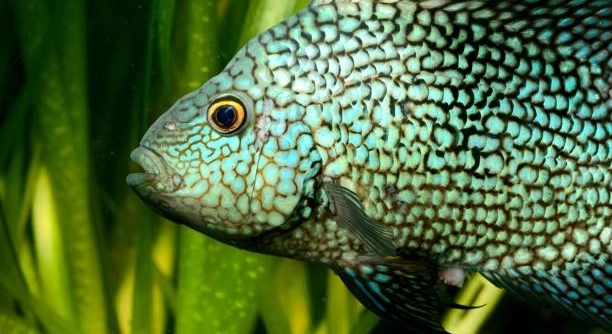
Have you ever watched Jack Dempsey fish in an aquarium and noticed how they move around? These fish have bold colors and strong personalities, making them interesting to observe as they swim and rest.
Jack Dempsey fish do not consistently rest in the same spot. Their resting locations can shift due to changes in water temperature, tank structure, and interactions with other fish, showing flexible and adaptive behavior in their environment.
Observing where these fish choose to rest can help you create a better tank setup and promote a calmer, healthier habitat.
How Jack Dempsey Fish Choose Their Resting Spots
Jack Dempsey fish often pick resting spots based on comfort and safety. Rocks, plants, or decorations in the tank provide shelter and make them feel secure. These fish like areas where they can easily hide if they feel threatened. Light levels and water movement also affect where they rest. Calm areas with less current are preferred because swimming against strong water can be tiring. Some Jack Dempseys claim a favorite spot and return to it often, but they are not strictly fixed. Tankmates can also influence their choice. Aggressive or larger fish nearby may force them to move, while peaceful companions allow more stability. Temperature plays a role too, as they may shift to warmer or cooler areas depending on comfort. Observing these patterns helps maintain a healthy and calm tank environment.
Resting spots are flexible and influenced by shelter, tankmates, and water conditions, making observation key to understanding their behavior.
Knowing their preferences can improve tank setup. Providing multiple hiding areas, stable temperature, and low-current zones allows Jack Dempseys to rest safely. Regular observation reveals patterns and highlights areas needing adjustment, ensuring they feel secure and stress-free.
Factors Affecting Resting Location
Water conditions greatly affect where Jack Dempsey fish rest.
Tank temperature, pH levels, and water quality all influence their comfort. Unstable or poor water conditions can make them restless or push them to new areas. Keeping conditions stable helps them pick consistent resting spots.
Beyond shelter and water quality, social dynamics within the tank are important. Jack Dempseys are territorial, and conflicts with other fish can force them to shift resting places. Providing enough space, hiding spots, and plants reduces stress and allows them to settle in preferred areas. Lighting also plays a role—dim or indirect light encourages calmer behavior, while bright lights may make them more alert. Even small changes, like moving decorations or adjusting filters, can prompt them to explore new resting locations. Regularly monitoring these factors ensures the fish feel secure and reduces aggressive encounters. Tank design and consistent care make it easier for Jack Dempseys to find comfortable spots for resting and maintaining their health.
Creating a Comfortable Tank Environment
Providing hiding spots helps Jack Dempsey fish feel safe and choose consistent resting areas. Rocks, caves, and plants give them options to retreat when stressed. Multiple areas prevent conflicts and allow each fish to establish its own space.
Tank layout affects behavior. Open swimming areas combined with sheltered spots let Jack Dempseys move freely while having safe zones to rest. Changing decorations or adding new plants can temporarily shift their preferred spots, so it’s best to introduce changes slowly. Maintaining stable water temperature and clean conditions keeps them calm. Observing where they rest most often helps identify which areas they favor and which need improvement. Small adjustments like positioning rocks or adjusting lighting can encourage consistent resting habits and reduce stress-related behaviors.
Water flow and temperature influence resting choices. Gentle currents and consistent warmth make certain areas more appealing. Some fish prefer lower sections near the bottom, while others rest mid-tank. Monitoring these preferences ensures a stable and healthy environment.
Social Behavior and Resting Patterns
Jack Dempseys establish territories that directly affect where they rest. Dominant fish often claim prime spots, while others adjust to avoid conflict, making multiple hiding areas essential for peace.
Interactions with tankmates can shift resting habits. Aggressive or overly active fish nearby may push Jack Dempseys to less optimal locations. Providing clear boundaries with decorations or plants reduces disputes and stress. Over time, fish may adjust and find new resting zones, but frequent changes in tank dynamics can cause restlessness. Watching their behavior helps identify signs of tension or comfort. Lighting, water flow, and tank size also contribute to comfort levels. Understanding these social factors ensures all fish have safe spots, promoting stability and healthy routines in the tank environment.
Recognizing Favorite Resting Spots
Jack Dempsey fish often return to areas that feel safe and comfortable. Watching their habits over time helps identify which spots they prefer and which areas they avoid.
Preferred resting locations are usually sheltered, quiet, and away from strong currents. These spots help the fish feel secure and reduce stress.
Adjusting Tank Setup for Resting
Small changes in tank layout can influence resting behavior. Adding rocks, caves, or plants creates more hiding spots, giving Jack Dempseys options to choose from. Positioning decorations to block strong currents or bright lights encourages them to settle in preferred areas. Observing their movement after adjustments helps ensure the tank supports their comfort. Consistent water temperature, stable pH levels, and minimal sudden disturbances also play a role. By providing a calm environment and multiple safe zones, the fish are less likely to feel stressed or threatened. Over time, these changes encourage predictable resting patterns and a more peaceful tank overall.
Monitoring Changes in Resting Behavior
Shifts in resting locations can indicate stress, illness, or discomfort. Regular observation helps catch issues early and maintain a healthy environment.
FAQ
Why do Jack Dempsey fish move their resting spots often?
Jack Dempsey fish are sensitive to their environment. Changes in water temperature, light, or current can prompt them to move. They may also shift locations due to tankmates. Aggressive or larger fish nearby can force them to find a safer area, while peaceful companions allow them to settle in a consistent spot. Multiple hiding areas give them flexibility, reducing stress and making the tank more comfortable for all fish.
Do Jack Dempsey fish prefer the bottom or middle of the tank for resting?
They usually rest near the bottom, close to rocks or plants, but some may choose mid-tank areas if those spots feel safe. The choice often depends on water flow, light exposure, and tank layout. Providing multiple options ensures they can pick what suits them best.
How can I tell if my Jack Dempsey is stressed while resting?
Signs include frequent movement, hiding constantly, or changing resting spots more than usual. Pale colors, clamped fins, or erratic swimming can also indicate discomfort. Checking water quality, temperature, and tankmates helps reduce stress and encourages them to rest calmly.
Is it normal for Jack Dempsey fish to guard their resting spots?
Yes, they are territorial. Dominant fish often claim a favorite spot and chase others away. Providing several hiding areas reduces conflicts and allows less dominant fish to rest safely without constant stress.
Can water temperature affect resting patterns?
Absolutely. Jack Dempseys prefer stable, slightly warm water. Cold spots or temperature fluctuations can make them restless, moving frequently to find comfort. Maintaining a consistent temperature supports calmer behavior and helps them stick to favored resting locations.
Do Jack Dempsey fish change resting habits as they grow?
Yes, size and maturity influence behavior. Juveniles may hide more and explore less, while adults become more confident and territorial. Their resting locations can shift as they claim new areas or adjust to tank dynamics. Watching these changes helps in planning a tank layout that supports their needs.
How do tank decorations influence resting spots?
Rocks, caves, and plants provide shelter and reduce stress. Open areas are less attractive for resting because they feel exposed. Rearranging decorations can temporarily shift resting patterns, so it’s best to make changes gradually to let the fish adapt without stress.
Do Jack Dempsey fish ever rest together?
They can rest near each other if they are comfortable, but generally, dominant fish keep others at a distance. Providing enough hiding areas lets multiple fish rest peacefully in the same tank without conflict. Observing their interactions ensures each fish has a safe place to retreat.
How often should I monitor resting behavior?
Daily observation helps spot unusual changes early. Note preferred spots, shifts in locations, or signs of stress. Monitoring behavior along with water quality and tank conditions ensures the fish remain healthy and comfortable in their environment.
Can feeding schedules affect resting locations?
Yes, fish may rest closer to feeding areas or move more after eating. Uneaten food can attract them to certain spots, and they may adjust their resting locations to avoid competition or disturbances during feeding times. Maintaining a consistent feeding routine helps them settle more predictably.
Is lighting important for resting behavior?
Lighting plays a major role. Bright lights can make them alert and reduce comfort, while dim or indirect lighting encourages calm behavior. Positioning plants or decorations to block harsh light can create preferred resting zones and reduce unnecessary movement.
Can illness cause changes in resting patterns?
Yes, sickness often affects behavior. Restless movement, hiding excessively, or lying in unusual spots can indicate health issues. Checking water parameters and observing other symptoms helps identify problems early. Prompt care ensures recovery and stable resting habits.
Do Jack Dempsey fish ever return to the same spot after moving?
Sometimes they do. If conditions are favorable and no threats are present, they may claim a favorite spot again. Flexibility is normal, but providing consistent, safe hiding areas encourages them to settle more predictably.
How do tankmates affect resting choices?
Other fish can directly impact where Jack Dempseys rest. Aggressive or large tankmates may push them to different areas, while compatible companions allow them to maintain favorite spots. Observing social interactions and adjusting tank setup promotes peaceful resting patterns.
Are resting patterns different at night?
Yes, Jack Dempseys are less active at night and often choose sheltered, quieter spots. Lighting, noise, and tank activity can influence nighttime resting, so providing calm areas helps them feel secure while inactive.
What is the best way to encourage consistent resting behavior?
Stable water conditions, multiple hiding areas, gentle water flow, and minimal disturbances create a comfortable environment. Observing preferences, gradually adjusting the tank, and maintaining predictable routines support consistent resting habits. This approach reduces stress and improves overall well-being.
Can sudden tank changes disrupt resting patterns?
Yes, abrupt changes like moving decorations, adding new fish, or altering water conditions can cause temporary stress. Fish may explore new areas or hide more. Gradual adjustments allow them to adapt and maintain preferred resting spots without long-term disruption.
Does tank size influence resting behavior?
Larger tanks provide more options for hiding and resting, reducing conflict and stress. Small tanks can limit available safe spots, causing frequent movement or disputes. Ensuring enough space and hiding areas helps maintain calm, predictable resting patterns.
Do Jack Dempsey fish rest during the day as well as night?
Yes, they take short rests during the day in sheltered areas. While not as inactive as at night, calm daytime spots help them conserve energy. Observing these patterns helps in placing decorations and hiding areas for optimal comfort.
How long do Jack Dempsey fish typically stay in one resting spot?
It varies based on comfort, tank conditions, and social interactions. Some fish may stay hours or even most of the day, while others move frequently. Watching habits over time reveals preferred areas and helps adjust the tank for better stability.
Can diet influence resting habits?
A balanced diet keeps them healthy and calm. Overfeeding or irregular meals can make them restless, prompting more movement in search of food. Consistent feeding routines support predictable resting behavior and overall well-being.
How can I create multiple appealing resting spots?
Use rocks, caves, plants, and low-light areas. Vary height and position to give options for all fish. Ensure spots are easy to access, with gentle water flow and stable conditions. This encourages calm, safe resting across the tank.
Are there seasonal changes in resting behavior?
Yes, temperature fluctuations or changes in daylight can influence activity levels and preferred resting areas. Maintaining consistent indoor conditions reduces stress and keeps resting habits predictable.
Do Jack Dempsey fish prefer certain types of decorations for resting?
They favor sheltered and secure spots like caves, dense plants, or rock overhangs. Open spaces are less preferred. Providing a mix of structures supports flexibility and allows each fish to choose what feels safest.
Can stress from handling or moving the tank affect resting spots?
Yes, sudden handling, tank relocation, or water changes can cause temporary restlessness. Allowing time to acclimate, keeping conditions stable, and minimizing disturbances helps them return to preferred resting areas.
Do Jack Dempsey fish show attachment to specific spots?
Sometimes they form a habit of returning to particular areas if they feel safe. Flexibility is normal, but consistent, comfortable hiding spots encourage them to settle predictably and reduce unnecessary movement.
How long does it take for a fish to adapt to a new resting spot?
Adaptation varies. Some may settle within hours, while others take days or weeks, depending on personality, tank conditions, and nearby fish. Patience and gradual adjustments promote comfort and stable resting patterns.
What signs indicate a resting spot is ideal?
A fish that returns regularly, rests calmly, displays normal color, and shows low stress behaviors indicates a good spot. Watching daily patterns helps confirm which areas are most suitable for long-term comfort.
How often should I rearrange tank decorations?
Minimal rearrangement is best. Frequent changes can stress Jack Dempseys and disrupt resting habits. Only move decorations when necessary, and do it gradually to allow adaptation without affecting overall comfort.
Do Jack Dempsey fish prefer hiding spots near the filter or away from it?
They usually avoid strong currents near filters, preferring calmer areas. Gentle water flow is fine, but shelters that reduce strong movement are more attractive for resting and maintaining a stress-free environment.
Can observing resting behavior help detect health problems?
Yes, unusual movement, excessive hiding, or lying in odd areas often signal stress or illness. Early observation allows intervention, ensuring water quality, diet, and tankmates support the fish’s health and resting habits.
Do Jack Dempsey fish sleep like other fish?
They enter periods of rest rather than true sleep. During these times, they remain still in safe spots, reduce activity, and conserve energy. Recognizing these periods helps provide an environment that supports natural resting behavior.
How important is water clarity for resting behavior?
Clear water reduces stress and allows fish to feel safe. Murky water may make them cautious, prompting frequent movement or avoidance of certain areas. Regular cleaning supports calm and consistent resting patterns.
Can noise outside the tank affect resting spots?
Loud or sudden noises can make Jack Dempseys restless, causing them to hide or move frequently. Keeping the tank in a quiet area reduces stress and helps them settle in preferred resting zones.
Do Jack Dempsey fish show preferences for specific plants?
Dense or broad-leaved plants provide shade and shelter, making them popular resting spots. Floating plants can also reduce light exposure, encouraging calm behavior and predictable resting patterns throughout the day.
Are resting spots more important for juveniles or adults?
Both need safe areas, but juveniles may require more shelter to feel secure. Adults focus more on territory, choosing spots based on dominance and comfort. Providing multiple options benefits all ages and reduces stress.
How can I encourage less dominant fish to find resting spots?
Adding extra hiding areas, caves, and plants gives them options away from dominant fish. Observing their movement ensures they have safe places to rest, reducing stress and promoting healthier behavior in the tank.
Do Jack Dempsey fish ever sleep in open spaces?
They rarely choose open areas unless the tank is quiet, spacious, and safe. Most prefer sheltered locations to reduce risk and feel secure, making covered spots ideal for consistent resting behavior.
Can resting patterns predict aggression levels?
Sometimes. Fish that frequently chase others from preferred spots may indicate higher aggression. Observing territory disputes and adjusting hiding areas can reduce conflicts and help maintain calm resting routines.
Does feeding live food affect resting behavior?
Yes, hunting or chasing live food may make them more active and shift resting locations temporarily. After feeding, they usually return to calmer, sheltered areas to rest and recover energy.
How do seasonal daylight changes affect resting spots?
Longer light periods may make them more active, shifting resting locations. Shorter light periods encourage more stillness and longer rests. Maintaining stable lighting indoors helps regulate these patterns consistently.
What are the most common mistakes affecting resting behavior?
Overcrowding, poor water quality, sudden changes, and lack of hiding spots often disrupt resting. Addressing these factors helps Jack Dempseys settle comfortably, promoting calm, predictable behavior and reducing stress-related issues in the tank.
Do Jack Dempsey fish prefer natural or artificial decorations?
Both work, as long as the spots feel secure. Rocks, caves, and sturdy artificial plants provide similar comfort to natural items. The key is safety, shelter, and consistency to support resting habits.
How long should Jack Dempsey fish rest daily?
They rest in intervals rather than continuous sleep. Total rest time varies, but calm periods in preferred hiding spots during day and night support energy conservation and overall health.
Can adding new fish disrupt resting patterns?
Yes, introducing new tankmates may cause temporary stress. Providing extra hiding spots and observing interactions helps minimize disruption, allowing Jack Dempseys to regain comfort and return to consistent resting areas.
Are resting patterns linked to feeding schedules?
Yes, consistent feeding routines help predict when they are active or resting. Irregular schedules may cause more movement or frequent shifts in resting locations. Stable routines support calm, predictable behavior.
Do Jack Dempsey fish need deep or shallow resting spots?
They prefer a mix depending on comfort. Shallow areas near plants or rocks offer shelter, while deeper zones can provide quiet spaces. Variety ensures each fish finds a suitable location according to preference.
Can stress from other fish disrupt resting habits long-term?
Prolonged stress from aggressive tankmates can lead to constant movement, hiding, or poor health. Providing multiple safe spots and maintaining peaceful social dynamics reduces long-term disruptions and promotes healthy resting behavior.
Does tank cleanliness affect where they rest?
Yes, clean water reduces stress and supports comfort. Dirty or murky tanks make fish restless, prompting frequent movement and avoidance of certain areas. Regular maintenance helps them rest predictably and stay healthy.
Do Jack Dempsey fish ever share resting spots with other species?
Occasionally, if the tankmates are peaceful and space allows. They generally prefer safe, individual areas, but calm companions may rest nearby without conflict. Ensuring sufficient hiding spots for all reduces stress and encourages harmonious cohabitation.
Are resting patterns consistent over time?
They can be consistent if tank conditions, social dynamics, and environment remain stable. Changes in layout, water quality, or tankmates may temporarily shift patterns, but preferred spots often reestablish once conditions are stable.
Can water current adjustments improve resting behavior?
Yes, gentle currents help circulation without forcing movement. Reducing strong currents in resting areas encourages fish to settle comfortably and reduces stress, supporting predictable resting patterns.
Do Jack Dempsey fish show seasonal aggression affecting resting spots?
Aggression may increase during breeding periods or territorial disputes. Dominant fish may temporarily claim more space, forcing others to relocate. Providing additional hiding areas helps maintain calm and allows all fish to rest safely.
Is it normal for resting spots to change after tank upgrades?
Yes, new decorations, plants, or filters can shift preferences. Gradual introduction and observation help fish adapt and regain consistent resting behavior without long-term stress.
How important is tank size in determining resting behavior?
Larger tanks offer more space and hiding areas, reducing conflict and stress. Small tanks limit options, causing frequent movement or disputes. Properly sizing the tank helps maintain calm and consistent resting patterns.
Can artificial lighting mimic natural resting preferences?
Yes, dim or indirect artificial lighting creates calm zones and encourages predictable resting. Bright lights should be balanced with shaded areas to provide comfort and reduce unnecessary movement.
Do Jack Dempsey fish have individual resting preferences?
Yes, each fish has unique habits. Observing their behavior over time helps identify preferred spots and patterns, allowing adjustments in tank layout to support all fish individually.
Does water chemistry affect resting spots?
Yes, stable pH, hardness, and clean water are crucial. Fluctuations may cause stress and frequent movement. Maintaining consistent water chemistry helps them settle in preferred resting areas.
How can I track resting behavior effectively?
Daily observation, noting favorite spots, frequency of movement, and stress signs helps monitor resting patterns. Recording these trends ensures the tank remains supportive and adjustments are made when needed.
Are Jack Dempsey fish more active at certain times affecting rest?
Yes, activity peaks after feeding or during daylight. Providing calm, sheltered zones allows them to rest during less active periods, supporting energy conservation and healthy behavior.
Can overcrowding force constant movement?
Yes, too many fish limit hiding spots, causing frequent relocation. Providing adequate space and shelter ensures each fish can rest without stress, promoting healthier and calmer behavior.
Do seasonal temperature changes influence resting spots?
Yes, warmer areas may attract more rest, while colder spots may be avoided. Stable indoor temperatures help maintain consistent resting behavior and reduce stress.
Can adding plants encourage safer resting areas?
Yes, dense plants create shade and cover, making them attractive resting spots. Combining plants with rocks or caves gives multiple options, supporting calm and predictable behavior.
Do Jack Dempsey fish adjust resting spots after breeding?
Yes, during breeding, they may guard specific areas more aggressively, affecting others’ resting locations. Providing extra shelters reduces stress and maintains calm for non-breeding fish.
Are resting spots affected by tank noise?
Yes, loud or sudden noises can make them restless. Placing the tank in a quiet area helps fish feel safe and maintain consistent resting patterns.
Do they prefer vertical or horizontal hiding spots?
Both are used. Vertical caves or tall plants offer shelter, while horizontal spaces near the bottom provide calm zones. Variety ensures each fish finds a preferred spot.
Can lighting cycles influence resting consistency?
Yes, predictable light and dark periods support regular resting behavior. Sudden changes can cause movement or hiding. Stable cycles help maintain calm and predictable patterns.
Does water filtration affect resting spots?
Strong flow near filters may make resting uncomfortable. Positioning shelters away from intense currents creates calm zones where fish can rest without stress.
Do Jack Dempsey fish recognize specific resting areas over time?
Yes, if conditions are consistent and safe, they may return regularly. Observation helps identify these favorite spots and informs tank layout decisions for optimal comfort.
Can frequent water changes disrupt resting behavior?
Yes, sudden changes may stress fish and force them to explore new areas. Gradual changes help maintain predictable resting patterns and reduce stress-related behaviors.
Are resting spots important for overall health?
Absolutely. Safe and comfortable resting areas reduce stress, support energy conservation, and prevent aggressive encounters. Maintaining consistent spots contributes to the long-term well-being of Jack Dempsey fish.
Do they prefer natural substrates for resting?
Yes, sand or smooth gravel feels more comfortable. It allows them to rest near the bottom without injury, creating preferred zones for calm behavior.
Can frequent tank cleaning disturb resting patterns?
Yes, aggressive cleaning or rearranging decor can make fish restless. Gentle, gradual maintenance helps them retain favorite spots and reduces stress during cleaning.
Are resting patterns affected by human activity near the tank?
Yes, frequent tapping or movement nearby may make them cautious. Placing the tank in a calm area encourages predictable resting habits and reduces stress.
Do Jack Dempsey fish sleep at night in the same spots they rest during the day?
Often, yes. They tend to favor sheltered, quiet areas for both day and night rest, though some may shift slightly based on comfort, light, or tankmates.
How can I encourage shy fish to settle in resting spots?
Adding multiple hiding areas, ensuring calm tankmates, and avoiding sudden disturbances helps shy fish find safe zones. Over time, they become more confident and establish consistent resting patterns.
Do water oxygen levels affect resting behavior?
Yes, low oxygen can make them restless or force them to move to better-oxygenated areas. Maintaining proper aeration supports
Jack Dempsey fish are fascinating creatures, not just because of their bright colors but also because of their behavior. One of the most noticeable behaviors is how they rest in their tanks. Unlike some fish that stay in one spot most of the time, Jack Dempseys tend to move around and explore before settling. Their resting spots are not fixed, and they often adjust based on several factors, including water conditions, tank layout, and interactions with other fish. Observing where they choose to rest can tell you a lot about their comfort levels and how they feel in their environment. By paying attention to these patterns, you can make small adjustments that improve their well-being and create a calmer, healthier tank for all the fish.
Resting spots are influenced by both environmental and social factors. Water temperature, current, and light all play a role in where a Jack Dempsey feels safe. Calm areas with gentle water flow and some shade from plants or decorations are often preferred. Social dynamics also matter. Jack Dempseys are territorial, and dominant fish may claim certain areas, forcing others to move. Having multiple hiding spots and spaces for each fish reduces conflict and makes it easier for them to rest. Over time, consistent observation helps you understand the preferred spots for each fish. You can then arrange decorations, rocks, and plants in a way that supports these preferences. This attention to detail may seem small, but it has a large impact on their comfort and overall behavior.
Providing a comfortable environment goes beyond simply adding hiding spots. Maintaining clean water, a stable temperature, and balanced feeding routines all contribute to their ability to rest calmly. Even small changes, like rearranging decorations or adding a new tankmate, can temporarily shift resting habits. Understanding these needs and adjusting slowly ensures the fish adapt without stress. Watching your Jack Dempseys over time will show patterns in how they choose resting areas, how they interact with other fish, and how environmental changes affect them. Creating a supportive environment encourages calm behavior, reduces aggression, and promotes long-term health. Resting behavior may seem like a small part of aquarium care, but it is an important indicator of comfort, safety, and overall happiness for these unique fish. By observing, adjusting, and caring for their needs, you create a tank that allows Jack Dempseys to thrive and enjoy safe, peaceful resting spots every day.

Hello,
If you enjoy the content that we create, please consider saying a "Thank You!" by leaving a tip.
Every little bit helps us continue crafting quality advice that supports the health, happiness, and well-being of pets around the world, for pets of all shapes, sizes, and species.
We really appreciate the kindness and support that you show us!