
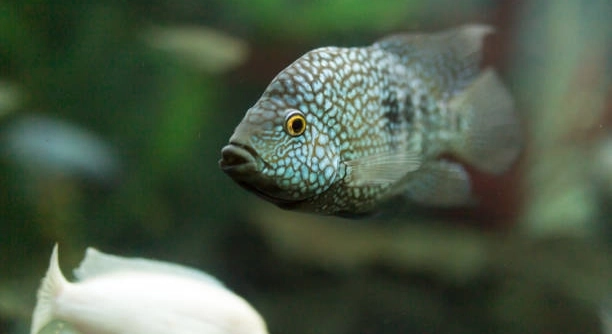
Jack Dempsey fish are known for their vibrant colors and lively behavior, making them a popular choice for home aquariums. Many fish owners spend time arranging their tanks carefully to create a balanced environment. Observing their habits can be rewarding and insightful.
Research indicates that Jack Dempsey fish exhibit spatial memory, allowing them to recognize and remember their tank layout over time. This ability helps them navigate efficiently, establish territories, and reduce stress by maintaining familiarity within their environment.
Understanding how these fish interact with their surroundings provides valuable insights for better tank management and ensures a more stable, comfortable habitat for them to thrive.
How Jack Dempsey Fish Learn Their Tank
Jack Dempsey fish use visual cues and consistent landmarks to navigate their tank. Rocks, plants, and decorations serve as reference points that they remember over time. Their memory allows them to move confidently around the tank without stress. New objects or sudden changes may initially confuse them, but they usually adapt within a few days. Observing their routines shows they remember which areas provide safety and which areas are open. Feeding locations become familiar, and they often return to the same spot at the same time each day. Even aggressive behavior is influenced by their memory, as they recognize areas they have claimed as territory. By keeping the tank layout stable, you create a more secure environment that reduces anxiety and promotes natural behavior.
Their ability to recall the layout shows that fish are more intelligent than often assumed. They can recognize patterns in their surroundings.
Maintaining a consistent environment for Jack Dempsey fish is essential for their wellbeing. Changes to decorations, plants, or hiding spots should be gradual. Sudden rearrangements can stress the fish and disrupt their routines. They learn where to retreat when feeling threatened and where food is regularly placed. Using natural structures like rocks and driftwood helps them form mental maps of the tank. Regular observation helps owners understand their habits and preferences, which can improve feeding and care routines. Knowing that these fish rely on memory emphasizes the importance of stability. Gradual changes allow them to adapt without fear, and careful placement of objects supports natural exploration. By respecting their memory and environment, you help ensure healthier, calmer fish that display their full range of colors and behaviors.
Signs Your Fish Remember Their Tank
Fish often show familiar behavior, revisiting specific spots regularly. They navigate efficiently, avoiding obstacles they have encountered before.
Repeated patterns like returning to hiding places or feeding areas demonstrate memory. Fish may also react differently to new objects based on previous experiences. Observing these behaviors helps improve tank setup and care, creating a balanced environment that supports their natural instincts and reduces stress. Recognizing these patterns allows owners to adjust the environment thoughtfully. By tracking behavior over time, you can identify areas that need reinforcement, such as safe retreats or feeding spots. Structured layouts with consistent placement of plants and rocks make navigation easier for Jack Dempsey fish. They may also learn to interact with tank mates more effectively when familiar with the space. Memory plays a critical role in promoting confidence and reducing anxiety in their daily routines. Consistency ensures they feel secure and behave naturally, which is essential for long-term health and wellbeing. Careful observation and adjustments based on these signs create a supportive habitat tailored to their needs.
Tank Changes and Fish Memory
Frequent changes in tank layout can confuse Jack Dempsey fish. They rely on consistent visual markers to navigate. Small, gradual adjustments are easier for them to adapt to and help maintain their comfort and reduce stress. Stability is key for confident movement.
When introducing new decorations or plants, it is best to place them slowly over several days. Sudden rearrangements may cause the fish to hide more often or become aggressive. Jack Dempsey fish remember previous layouts, so drastic changes disrupt their established routes and feeding areas. Gradual updates allow them to explore safely and reestablish their mental map. Maintaining some familiar spots, like preferred hiding areas or favorite swimming zones, helps them adjust. Observing their behavior after each change shows how quickly they adapt and which areas remain important to them.
Consistency in tank maintenance also supports memory. Cleaning and water changes should avoid disturbing the arrangement unnecessarily. Jack Dempsey fish form recognition of objects and boundaries, making gradual transitions less stressful. Even small alterations, like moving a plant a few inches, can be noticeable. Keeping key reference points in place allows them to maintain a sense of security. Over time, they learn to navigate around new additions while still recognizing their familiar environment. Predictable layouts reinforce natural behavior and ensure they feel safe, confident, and active.
Feeding and Spatial Awareness
Jack Dempsey fish often return to the same feeding spots. They quickly learn where food is usually placed and anticipate meal times. Patterns in feeding strengthen their spatial memory and routines.
Repetition is critical in reinforcing their memory of feeding areas. Regularly placing food in consistent spots helps them learn the layout and reduces stress during feeding. Fish often explore and swim along familiar routes to reach these locations efficiently. Over time, they can distinguish between new and usual food sources. Familiar feeding zones encourage natural hunting and foraging behavior while also supporting calm and predictable daily activity. Observing these patterns can help in optimizing placement for multiple fish and ensuring that all individuals receive attention. Consistent feeding routines improve overall wellbeing and support their cognitive development, showing that memory plays a direct role in daily tank life.
Recognizing Territory
Jack Dempsey fish remember areas they consider their territory. Rocks, caves, and plants mark boundaries that they often defend. This recognition reduces conflict and provides a sense of security within the tank.
Territorial memory helps them navigate confidently and avoid unnecessary stress. Familiar areas allow them to interact naturally with tank mates while maintaining order.
Social Interactions
Memory also affects how Jack Dempsey fish interact with other fish. They recognize familiar tank mates and adjust behavior accordingly. Aggression decreases when they understand who belongs in which areas, and they respond to newcomers based on past experiences. This shows their capacity to remember social cues and spaces.
Environmental Enrichment
Adding stable decorations and hiding spots helps Jack Dempsey fish explore without feeling threatened. They remember these features and use them regularly, supporting natural behavior.
FAQ
Do Jack Dempsey fish really remember their tank layout?
Yes, Jack Dempsey fish have a strong spatial memory. They recognize landmarks such as rocks, plants, and decorations, which help them navigate confidently. They remember safe spots, feeding areas, and territories, making their daily behavior more predictable and reducing stress within the tank.
How long can they remember their surroundings?
Their memory lasts for weeks to months, depending on consistency in the environment. Regularly rearranging the tank can shorten their retention, while stable setups reinforce recognition. Familiar layouts allow them to feel secure and maintain natural behavior over time.
What happens if the tank is rearranged frequently?
Frequent changes cause confusion and stress. Jack Dempsey fish may hide more, swim erratically, or display increased aggression. Gradual adjustments help them adapt without disrupting their routines, while completely stable setups provide a calm, structured environment.
Can memory affect their feeding habits?
Yes, feeding routines reinforce spatial memory. Fish quickly learn where food is placed and when meals occur. Predictable feeding spots allow them to navigate efficiently and feel secure, which supports healthy growth and activity levels.
Do they remember tank mates?
Jack Dempsey fish recognize familiar tank mates and adjust interactions accordingly. Aggression tends to decrease with known individuals, while new or unfamiliar fish may trigger cautious behavior until the relationships are established. Memory plays a role in maintaining social balance.
How can I help them remember the tank layout?
Keep decorations, rocks, and plants consistent. Place feeding spots in the same location, and make changes gradually. Hiding spots should remain in stable positions to help them feel secure. Observing behavior after adjustments ensures they are adapting without stress.
Do they forget areas they don’t use often?
Less-used areas may fade from their memory over time. They focus on zones tied to feeding, hiding, and territorial boundaries. Regular exploration helps reinforce recognition of the entire tank layout.
Can tank size affect their memory?
Larger tanks require more landmarks for effective navigation. Jack Dempsey fish rely on visual cues, so empty or featureless spaces can make navigation harder. Including stable decorations and hiding spots throughout the tank supports spatial memory and reduces anxiety.
Do young fish have the same memory ability as adults?
Younger fish can learn and remember, but adults have more established routines and stronger territorial awareness. Juveniles may take longer to recognize landmarks and feeding areas but gradually develop spatial memory as they grow.
Does memory affect their stress levels?
Definitely. Familiar environments reduce stress because the fish know where to hide and find food. Sudden changes or unfamiliar objects can increase anxiety. Supporting memory with consistent layouts helps Jack Dempsey fish remain calm, confident, and active in the tank.
Are there signs they are using memory?
Yes, repeated routes, returning to hiding spots, and consistent feeding patterns show memory in action. Observing these behaviors provides insight into how they interact with their environment and adjust to changes over time.
How can I introduce new objects without causing stress?
Add one new decoration at a time and leave it in place for several days. This allows the fish to explore gradually while retaining recognition of familiar landmarks. Slowly incorporating changes prevents confusion and promotes natural behavior.
Do they remember past negative experiences in the tank?
Jack Dempsey fish can remember stressful situations, such as aggressive encounters or sudden environmental changes. These memories influence future behavior, making them cautious in similar situations and helping them avoid danger.
Does water quality affect memory?
Poor water conditions can reduce activity and learning capacity. Maintaining proper filtration, temperature, and cleanliness ensures fish remain healthy and able to use their spatial and social memory effectively.
Can multiple Jack Dempsey fish remember the same layout differently?
Yes, individual fish may focus on different areas depending on feeding habits, territories, or preferences. Observing each fish helps in understanding how they interact with the tank and ensures all have access to familiar zones.
Is memory linked to aggression in this species?
Aggression is influenced by memory. Fish recognize territories and avoid unnecessary conflict with established neighbors. New or unfamiliar fish may trigger defensive behavior until the layout and social hierarchy are learned.
Do they use memory for exploring new objects?
Memory allows them to approach new items cautiously. They remember previously safe and unsafe areas, which guides exploration. Gradual introduction ensures they adapt without stress, while still encouraging curiosity and natural behavior.
Can memory improve with age?
Yes, adult Jack Dempsey fish refine spatial awareness and territorial recognition over time. Older fish may navigate the tank more efficiently and display predictable routines, showing the long-term benefits of consistent environment and repeated behaviors.
How does lighting affect memory?
Stable lighting helps maintain familiar cues. Sudden changes in light can temporarily confuse fish, affecting their recognition of landmarks and hiding spots. Consistent lighting reinforces spatial memory and supports normal daily activity.
Can tank decorations be used to train memory?
Yes, placing objects strategically can encourage movement, hiding, or feeding in certain areas. Repetition reinforces spatial memory and supports mental stimulation. Carefully chosen decorations improve navigation and provide enrichment without causing stress.
What is the best way to support their memory long-term?
Maintain a stable layout, consistent feeding locations, gradual changes, and proper water conditions. Observe behavior regularly and provide enough landmarks for navigation. Stability, predictability, and gradual adjustments ensure Jack Dempsey fish remember their tank, feel secure, and thrive.
Word count: 507
Final Thoughts
Jack Dempsey fish are intelligent and adaptable creatures that benefit greatly from a consistent and well-planned tank environment. Their ability to remember their surroundings plays a central role in their behavior, feeding, and interactions with other fish. By understanding how these fish use memory to navigate, recognize territories, and identify familiar tank mates, owners can create a supportive habitat that encourages natural behaviors and reduces stress. Stability is key, and small, thoughtful adjustments can be made without overwhelming the fish. Their daily routines and patterns are shaped by memory, making consistency in tank setup, decorations, and feeding locations essential for their overall wellbeing. Observing their behavior closely provides insight into how they interact with their environment and highlights the importance of maintaining familiar landmarks, such as rocks, plants, and hiding spots. This attention to detail ensures that the fish feel secure and confident as they move through their tank.
Providing a stable environment not only supports spatial memory but also encourages healthy exploration and natural activity levels. Jack Dempsey fish thrive when they can recognize their surroundings, anticipate feeding times, and establish territories. Sudden or frequent changes can disrupt their sense of security, leading to stress and altered behavior. Gradual adjustments, such as introducing a single new decoration at a time, allow the fish to explore safely while retaining recognition of familiar areas. Stable water conditions, proper filtration, and consistent lighting are also important factors that support memory and promote calm, active behavior. Over time, these small but deliberate actions build an environment that aligns with the fish’s natural instincts and mental abilities. By observing responses to changes and maintaining a structured, predictable layout, owners can ensure that Jack Dempsey fish remain healthy, active, and confident in their tank.
Memory also plays a significant role in social interactions and aggression. Fish recognize familiar neighbors and adjust their behavior based on previous experiences, which helps maintain balance within the tank. Feeding routines, territories, and hiding spots all rely on spatial awareness, demonstrating the practical impact of memory on daily life. By providing adequate hiding places, consistent feeding areas, and stable visual markers, owners reinforce memory and encourage calm, natural behavior. Attention to these details also allows for better management of multiple fish, as each individual develops familiarity with its surroundings and tank mates. Over time, this leads to a harmonious environment where Jack Dempsey fish can thrive. Understanding and supporting their memory ensures that their physical and mental health are prioritized, creating a tank that promotes comfort, security, and active engagement. This approach highlights the importance of thoughtful tank management and the role memory plays in sustaining a healthy, confident aquatic life.
Word count: 416

Hello,
If you enjoy the content that we create, please consider saying a "Thank You!" by leaving a tip.
Every little bit helps us continue crafting quality advice that supports the health, happiness, and well-being of pets around the world, for pets of all shapes, sizes, and species.
We really appreciate the kindness and support that you show us!