
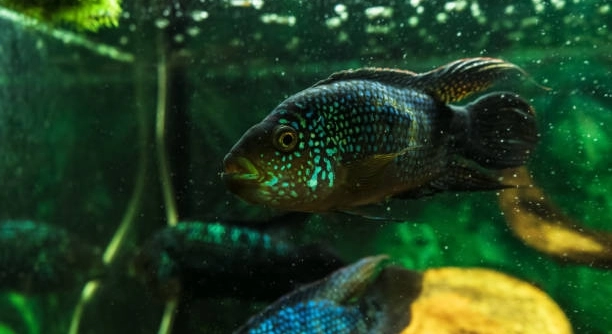
Jack Dempsey fish are known for their striking colors and lively behavior in home aquariums. Many hobbyists notice their alert reactions and vibrant movements when interacting with their surroundings, making them captivating pets to observe.
Jack Dempsey fish do react to human voices, primarily through vibrations and changes in their environment. They are sensitive to auditory stimuli, which can trigger alertness, increased activity, or cautious behavior, reflecting their natural instincts for survival and territorial awareness.
Observing these responses can deepen the bond between owner and fish, revealing subtle patterns in their behavior over time.
How Jack Dempsey Fish Hear Sounds
Jack Dempsey fish do not have ears like humans, but they are highly sensitive to vibrations in the water. Their lateral line system, a series of tiny sensory organs along their body, detects movement and sound waves. This allows them to notice even subtle changes in their environment. When a person speaks or taps near the tank, the vibrations travel through the water, and the fish can respond instinctively. Observing their behavior shows that they often swim closer to the sound or become more alert, signaling that they are processing these vibrations. Over time, they can become accustomed to regular household noises, such as voices or footsteps, and respond with less stress. Understanding this system helps in creating a comfortable environment for them. It also explains why sudden loud noises can startle them, while gentle interactions often keep them calm and engaged.
The lateral line system is key to their hearing and environmental awareness. It helps them detect nearby movement and vibrations accurately.
Regular observation can reveal which sounds trigger curiosity or caution. Keeping the tank environment consistent supports their comfort and health, while small changes in sound can indicate stress or excitement in the fish.
Reactions to Human Voices
Jack Dempsey fish often respond visibly to human voices. Their reactions may include swimming quickly, changing direction, or displaying color intensities as a response to environmental changes.
These responses can vary based on the fish’s temperament, past experiences, and familiarity with the person speaking. Some fish might approach the side of the tank when they hear a familiar voice, while others may retreat or hover in place. The tone and volume of the voice also matter; softer, calm tones often encourage more consistent, positive responses, whereas sudden loud noises can trigger defensive behavior. Over time, regular interaction helps them associate certain sounds with feeding, attention, or simply the presence of people near their habitat. Recognizing these patterns allows owners to predict and respect their reactions, enhancing the overall wellbeing of the fish. Monitoring these interactions carefully can prevent stress and support a stable tank environment, making the fish more confident and responsive in daily routines.
Training Jack Dempsey Fish to Recognize Voices
Jack Dempsey fish can learn to associate human voices with feeding times or routine activities. Repeating the same phrases consistently helps them connect specific sounds with positive experiences, making them more attentive and responsive over time.
Consistency is crucial when interacting with them. Using the same tone, volume, and phrasing every time reinforces the connection between voice and action. They may begin to swim toward the sound of your voice or display alert behaviors when they recognize familiar cues. Positive reinforcement, like feeding immediately after calling, strengthens this association. Over weeks, these patterns become predictable, and the fish may actively seek interaction during daily routines. Careful observation ensures that the training does not cause stress, keeping their environment calm and supportive.
Patience and repetition are key. Avoid sudden changes in tone or loud noises that might startle them. Over time, their responses become reliable, showing recognition and anticipation. Consistent interaction builds trust while maintaining a calm, safe environment.
Factors Affecting Voice Recognition
The size and setup of the tank influence how well Jack Dempsey fish perceive human voices. Larger tanks or strong filtration systems can dampen sound vibrations, making it harder for them to detect speech clearly.
Water conditions, such as temperature, cleanliness, and movement, also play a role in their responsiveness. Fish are more alert in well-maintained, stable environments. The frequency of exposure matters; regular, gentle interaction improves recognition, while infrequent or erratic contact may reduce their ability to connect sounds with meaning. Individual personality differences can affect reactions, with some fish naturally more curious and attentive. Observing each fish’s behavior allows owners to adjust interaction methods, ensuring effective communication. Environmental enrichment, like hiding spots or objects to explore, can further support engagement and reduce stress, allowing the fish to respond positively to familiar voices without anxiety.
Common Misunderstandings About Fish Hearing
Many people assume Jack Dempsey fish cannot hear at all, but they rely on vibrations and their lateral line system to sense sounds. Their reactions may seem random but are actually responses to environmental cues.
It is also a misconception that louder voices produce better responses. Sudden or high-volume noises can stress the fish, while gentle, consistent sounds encourage recognition and interaction without causing fear.
Improving Communication With Your Fish
Regularly speaking near the tank in a calm tone helps Jack Dempsey fish become familiar with your voice. Associating this with feeding or gentle interaction strengthens their response patterns. Observing how they react to different tones or volumes allows for more predictable interactions. Over time, these fish learn to recognize specific cues, showing increased alertness, approach behaviors, or swimming toward the source of sound. Adjusting environmental factors like tank location, water movement, and consistent routines further enhances their ability to detect and respond to human voices. Careful attention ensures the interactions remain positive.
Signs Your Fish Recognizes Your Voice
Alert swimming, increased activity near the tank glass, and color changes often indicate recognition.
FAQ
Do Jack Dempsey fish respond to every human voice?
Not all voices trigger the same reaction. They are more likely to respond to voices they hear regularly, especially those associated with feeding or familiar routines. Sudden, unfamiliar voices may cause caution or minimal reaction, as they rely on consistency to recognize patterns.
How can I tell if my fish recognizes my voice?
Common signs include swimming toward the tank, displaying alert movements, or showing intensified colors. They may hover near the sound source or increase activity when they hear familiar phrases. These reactions usually develop gradually with repeated, consistent interactions.
Will speaking loudly make my fish respond faster?
Loud voices are not necessary and can actually stress the fish. Calm, steady tones encourage recognition without fear. The key is repetition and consistency rather than volume. Sudden loud noises may trigger defensive behaviors, including retreating or hiding.
How long does it take for a Jack Dempsey fish to learn my voice?
Learning varies by individual fish. Some may respond after a few weeks of consistent cues, while others take months. Regular routines, consistent phrasing, and positive associations like feeding improve their recognition speed. Patience is essential for meaningful responses.
Can other noises interfere with voice recognition?
Yes, tank equipment, household noises, and water movement can mask sound vibrations. Strong filtration or pumps can reduce the clarity of voices, making it harder for the fish to notice familiar cues. Minimizing background noise supports better interaction.
Does the fish’s environment affect how it reacts to voices?
Stable, well-maintained tanks help them focus on familiar sounds. Poor water conditions, sudden changes in temperature, or frequent disruptions can reduce responsiveness. Comfortable surroundings make them more confident and willing to engage with voices.
Are some Jack Dempsey fish more responsive than others?
Individual temperament plays a role. Some fish are naturally more curious or active and respond quickly to stimuli, while shy or territorial individuals may be slower to recognize or approach. Observing personality differences helps tailor interactions.
What is the best way to encourage recognition?
Consistency is key. Using the same words, tone, and timing daily, paired with feeding or gentle interaction, strengthens recognition. Over time, they learn to associate specific sounds with positive experiences, increasing attentiveness and approach behaviors.
Can repeated exposure stress the fish?
Excessive or abrupt interactions can cause stress. It is important to maintain calm routines and avoid startling movements or changes in tone. Short, gentle sessions are more effective than prolonged or erratic exposure.
Do Jack Dempsey fish ever forget a familiar voice?
They can become less responsive if interactions are infrequent or inconsistent. Regular contact and predictable routines help maintain recognition. Gaps in exposure may reduce responsiveness temporarily, but reacclimating them is usually straightforward with consistent cues.
Will recognizing a voice affect their behavior in other ways?
Yes, they may become more active or anticipatory when familiar voices are present. This can include increased swimming near the glass, heightened alertness, or moving toward the sound source. Positive associations can make daily routines smoother and interactions more predictable.
Can children or multiple people in the household influence recognition?
Yes, they may respond differently to various voices. Fish often show stronger responses to consistent interactions, so if multiple people speak at different times, the fish may take longer to recognize each voice. Patience and routine help them learn multiple cues.
Are visual cues important along with voice?
Yes, Jack Dempsey fish use visual and vibrational information together. Seeing movement near the tank while hearing a familiar voice strengthens their recognition. Combining voice with predictable actions, like approaching the feeding area, improves responsiveness.
Is there a difference between male and female fish in response?
Generally, both genders can recognize voices similarly, but individual personality matters more than sex. Some males may be more territorial and cautious, while certain females may be more curious. Observation of each fish’s behavior is the best guide for interaction.
Can I train multiple fish at once?
Yes, but each fish may respond differently. Some will be quicker to approach, while others may hang back. Consistent, gentle routines and repeated cues for all fish improve overall recognition and minimize stress in group settings.
Do responses change with age?
Younger Jack Dempsey fish may be more curious and responsive, while older fish could become more set in their behavior. Age can influence energy levels and attention span, affecting how quickly they recognize and respond to voices.
Is voice recognition permanent?
It is not permanent if routines stop. Continued interaction is required to maintain responsiveness. Consistent exposure ensures they remember cues, while long breaks may reduce recognition until reestablished through repeated, gentle interaction.
Can voice recognition improve the bond with my fish?
Yes, it helps you understand their behavior and routines. Recognizing patterns in response to your voice allows more predictable, calm interactions, making them more comfortable and engaged in their environment.
Do vibrations from tapping the tank count as voice recognition?
They respond to vibrations from taps, but this is different from true voice recognition. Tap vibrations are more of a startle or alert response, while repeated spoken cues with consistent tone and context build recognition over time.
Are there signs that my fish is stressed by voice interactions?
Rapid darting, hiding, or abrupt color changes indicate stress. Adjust tone, volume, and frequency of interaction to ensure recognition remains positive. Keeping sessions short and calm helps maintain a stress-free environment for learning and engagement.
How can I combine feeding and voice training effectively?
Speak consistently while preparing or presenting food. Over time, they associate the sound with feeding, increasing attentiveness and approach behaviors. Timing and consistency are critical for strengthening this positive association while avoiding stress or confusion.
Can voice recognition help with health monitoring?
Yes, changes in responsiveness may indicate illness or discomfort. Reduced alertness or lack of reaction to familiar cues can signal potential health issues, prompting observation of water conditions, diet, and overall behavior to ensure wellbeing.
Do all tank sizes support voice recognition equally?
Smaller, quiet tanks make it easier for fish to detect and respond to voices. In larger or heavily filtered tanks, vibrations disperse more, which may reduce responsiveness. Optimizing tank conditions helps maintain effective interactions.
Can I teach tricks using voice recognition?
Simple behaviors, like swimming to a specific spot or coming near the glass, can be encouraged through repeated voice cues paired with rewards. Patience, repetition, and positive reinforcement make these behaviors achievable for attentive fish.
Is it better to use the same words or different commands?
Consistency is more effective. Using the same words repeatedly allows the fish to associate the sound with specific actions. Changing phrases frequently may confuse them and slow recognition, making patience and uniformity essential for training success.
Can environmental changes affect learned voice recognition?
Yes, moving the tank, changing water flow, or adding new decorations can alter vibration patterns. Fish may need time to adjust, and recognition responses might temporarily diminish until they adapt to the new conditions.
Does the fish’s health influence recognition?
Healthy fish are more alert and responsive. Illness, poor water quality, or nutritional deficiencies can reduce attention to sounds, making interactions less effective. Maintaining proper care ensures their ability to recognize and react to familiar voices remains consistent.
Are there limits to what they can recognize?
They can learn to respond to specific tones, phrases, or patterns associated with routine actions. However, complex commands or abstract associations are beyond their capability. Their recognition is strongest when tied to simple, consistent, and predictable cues.
Can voice recognition reduce aggression in Jack Dempsey fish?
Indirectly, yes. Predictable, calm interaction can reduce stress and territorial behavior, especially when the fish associates familiar voices with positive experiences like feeding or gentle interaction. This may lead to more relaxed behavior overall in their environment.
Do responses differ at night or during rest periods?
Fish are less responsive during resting periods or low-light conditions. They may not react to familiar voices when inactive, as their sensory awareness decreases. Interaction is most effective during active periods when they are naturally alert and exploring their habitat.
Can background music or TV affect their voice recognition?
Yes, continuous noise may interfere with their ability to detect human voices. Reducing background sounds during interaction periods helps them focus on the familiar voice cues, improving learning and response consistency.
Are voice interactions safe for the fish?
Yes, as long as the tone is calm, volume moderate, and sessions short. Overly loud, frequent, or sudden noises can cause stress, but gentle, consistent communication is safe and can enhance engagement.
How do I know if my training method is effective?
Effective training shows gradual changes in behavior: approaching the sound, alert movements, and predictable responses. Lack of reaction may indicate the need for more consistency, adjustments in tone, or checking environmental factors like water quality or noise interference.
Can they differentiate between voices of different people?
Yes, they can distinguish familiar voices from new ones, especially when tied to regular feeding or interaction routines. Individual recognition may take longer if multiple people interact inconsistently, but repeated exposure builds clear associations over time.
Is it possible to overtrain Jack Dempsey fish?
Overtraining can stress them. Short, consistent sessions with positive reinforcement are best. Too much repetition or sudden changes in tone or frequency may lead to avoidance behaviors or decreased responsiveness. Balancing interaction and rest is essential.
Do responses improve with age and experience?
Experience with consistent routines generally increases responsiveness. Older fish that have been trained gradually may show reliable recognition, but their energy levels and alertness can influence responsiveness compared with younger, more active fish.
Can they be trained to respond to multiple cues?
Yes, with patience. They can learn to associate different phrases or tones with separate actions, provided each cue is consistent, repeated, and reinforced with positive outcomes like feeding or attention. Gradual introduction of new cues prevents confusion and ensures understanding.
Is there a risk of confusing the fish with too many cues?
Yes, introducing too many phrases or commands at once can hinder recognition. It is best to start with one or two consistent cues and gradually expand if desired. Clear, simple associations are most effective.
Do they react differently to male versus female voices?
Some fish may respond more readily to voices they hear regularly, regardless of gender. Familiarity and consistency are more important than whether the voice is male or female. Regular exposure builds stronger recognition over time.
How does tank placement affect voice interaction?
Placing the tank in a quiet, stable location enhances their ability to detect and respond to vibrations. Avoid high-traffic or noisy areas that can mask voice cues and reduce their responsiveness.
Can voice recognition improve overall behavior in the tank?
Yes, predictable interactions reduce stress and create a calm environment. Fish become more confident and engaged, making daily routines like feeding or cleaning smoother for both the fish and the owner.
Does water movement affect recognition?
Strong currents or bubbles can interfere with sound vibrations. Minimizing turbulence during voice interactions ensures clearer perception and more reliable responses from the fish.
Are responses permanent once established?
Responses are maintained with consistent interaction. Without regular exposure, recognition may fade, but reacclimating the fish with repeated cues restores their responsiveness effectively.
Can I use voice recognition to monitor stress or discomfort?
Yes, changes in responsiveness often indicate stress, illness, or environmental issues. Observing how they react to familiar cues provides insights into their wellbeing and highlights areas for adjustment.
Is it safe to combine voice cues with other training methods?
Yes, combining visual cues, feeding routines, and voice commands can enhance recognition. Each cue should be consistent and predictable to avoid confusion or stress. Positive reinforcement strengthens learning and engagement.
Do different breeds react differently to voice training?
Jack Dempsey fish are particularly responsive due to their curious and alert nature. Other cichlid species may vary, but individual temperament and environmental consistency play a larger role than species alone.
How can I maintain voice recognition long-term?
Regular interaction, consistent tone, and predictable routines help maintain recognition. Even brief daily sessions are sufficient. Avoid sudden changes in environment, noise, or feeding routines to preserve responsiveness.
Are there any safety precautions to keep in mind?
Avoid loud shouting, sudden movements, or frequent tapping on the tank. Gentle, calm, and predictable interactions ensure safety and reduce stress, supporting consistent learning and engagement over time.
Can voice training reduce aggression between fish?
Indirectly, yes. Predictable, calm interactions reduce stress, which can lessen territorial or aggressive behavior. Familiar cues paired with feeding or gentle handling promote a more peaceful tank environment.
What tools can enhance voice recognition?
Timers, consistent feeding schedules, and calm movement near the tank support learning. No special equipment is required beyond maintaining a stable, quiet environment that allows the fish to detect and respond to your voice reliably.
Do all fish in the tank learn at the same pace?
No, each fish has its own temperament and learning speed. Some may respond quickly, while others take longer. Observing individual behavior and adjusting cues accordingly helps ensure all fish can recognize familiar voices.
Can voice recognition improve overall tank management?
Yes, predictable reactions make feeding, cleaning, and monitoring easier. Recognizing patterns in response helps identify health issues, stress, and behavior changes, improving daily care and ensuring a calm, well-maintained environment.
How important is repetition in training?
Repetition is essential. Frequent, consistent cues paired with positive outcomes build recognition. Irregular or infrequent interaction may slow learning or cause inconsistent responses. Patience and steady routines yield the best results.
Does voice recognition vary with tank size or population?
Larger tanks or crowded environments may dampen vibrations and reduce responsiveness. Smaller, quieter tanks allow clearer detection of cues, making interactions more effective and predictable.
Can this method be used to train feeding behavior?
Yes, pairing consistent voice cues with feeding encourages anticipation and approach behavior. Over time, fish associate the sound with positive outcomes, streamlining feeding routines and enhancing engagement.
Are there limitations to what Jack Dempsey fish can recognize?
Yes, they respond best to simple, consistent cues. Complex commands or abstract concepts are beyond their learning capacity. Recognition is strongest when tied to predictable, repeated actions or phrases.
How do I prevent stress during training?
Maintain calm tones, moderate volume, short sessions, and stable water conditions. Avoid sudden noises or movements. Observing reactions ensures interactions remain positive, promoting comfort and engagement.
Can voice recognition improve observation of fish behavior?
Yes, knowing how they respond to cues provides insight into temperament, health, and activity patterns. It helps owners anticipate behaviors and adjust care accordingly, improving overall tank management.
Is it possible to train multiple behaviors with the same voice cue?
It is possible but should be done gradually. Assigning one cue to one behavior prevents confusion. Introducing new behaviors incrementally maintains clarity and strengthens recognition without stress.
Do they recognize voices outside the tank?
Responses are primarily aquatic. Vibrations in water are essential for recognition, so voices outside the tank without water contact are less effective. Consistent exposure near the tank remains necessary.
Can environmental enrichment support voice recognition?
Yes, objects, hiding spots, and varied terrain stimulate activity, making fish more alert and responsive. Enrichment combined with consistent cues strengthens learning and encourages natural behaviors.
Are there risks to overexposing fish to voice cues?
Yes, too frequent exposure can cause stress. Balance sessions with rest periods and maintain calm, consistent interaction to ensure positive responses without overwhelming the fish.
Do changes in water temperature affect recognition?
Significant fluctuations can reduce activity and responsiveness. Stable temperatures maintain alertness, supporting consistent recognition and engagement during interactions.
Can juvenile and adult fish learn at the same rate?
Juveniles may be more curious and responsive, while adults might be slower but retain recognition longer. Individual temperament and exposure frequency are stronger factors than age alone.
Do they respond to recorded voices?
They may respond to familiar tones if the recording reproduces vibrations accurately. Live interaction is generally more effective due to direct association with consistent actions and routines.
How can I measure progress in voice recognition?
Track approach behaviors, alertness, swimming patterns, and color changes. Gradual increases in predictable responses indicate learning. Keep notes to adjust cues and routines for optimal results.
Can stress or illness erase recognition temporarily?
Yes, unhealthy or stressed fish may show reduced responsiveness. Addressing water quality, diet, and overall health helps restore recognition and engagement once conditions improve.
Is there a difference in recognition between tank mates?
Each fish learns individually. Dominant or shy fish may respond differently, requiring observation and tailored interaction to ensure all fish can recognize familiar cues effectively.
Are repeated voice cues more effective than visual signals alone?
Yes, combining auditory and visual cues reinforces recognition. The fish use multiple senses together to associate sounds with actions, strengthening learning and responsiveness.
Does social behavior influence recognition?
Yes, more social fish may respond more readily. Territorial or isolated fish may take longer to recognize cues. Patience and consistent routines improve responsiveness across different personalities.
Can environmental changes undo recognition temporarily?
Yes, moving the tank or altering setup can disrupt vibrations. Fish may need time to readjust, and recognition responses can temporarily decrease until they acclimate to the new environment.
Does diet affect responsiveness?
Proper nutrition supports energy and alertness. Malnourished or poorly fed fish may be lethargic, reducing response to familiar cues. Maintaining balanced feeding helps sustain engagement and recognition.
Is voice training suitable for all Jack Dempsey fish owners?
Yes, with patience and consistent routines, most owners can encourage recognition. Understanding individual fish behavior, maintaining calm interactions, and observing responses ensures safe and effective training for all.
Can this improve general wellbeing?
Yes, predictable interaction reduces stress, encourages activity, and promotes natural behaviors. Voice recognition supports mental stimulation and enhances overall quality of life in the tank.
Do sudden household noises interfere with recognition?
Yes, unexpected sounds can mask cues or startle the fish. Minimizing sudden disturbances during interaction helps maintain clarity and consistency for effective recognition.
Can voice recognition be combined with feeding schedules for efficiency?
Yes, pairing consistent cues with feeding routines builds anticipation and reinforces recognition. This method streamlines daily care while maintaining positive interactions and reducing stress for the fish.
Are there limits to recognition in older fish?
Older fish may have slower reactions but retain learned associations. Age-related changes in energy or alertness influence responsiveness, though consistent routines help maintain recognition effectively.
Is observation key to improving voice recognition?
Absolutely. Watching how fish respond to cues, tones, and routines allows owners to adjust methods, ensuring interactions remain positive, effective, and stress-free for each individual.
Can recognition affect how fish interact with each other?
Indirectly, yes. Fish that are calm and confident due to predictable interactions are less likely to show aggression. Recognizing cues reduces stress and supports harmonious behavior within the tank.
Does water clarity matter for voice recognition?
Yes, clear
Jack Dempsey fish are more responsive and alert than many people realize. Their ability to detect vibrations in the water allows them to notice human voices and other movements around their tank. While they do not have ears like humans, their lateral line system acts as a sensitive detector, helping them respond to changes in their environment. Observing their reactions over time shows that they can associate specific sounds with feeding, attention, or routine activities. Regular, calm interaction strengthens these responses, making them more predictable and easier to understand. Consistency is important, as sudden noises or irregular interactions can create stress or defensive behavior. By paying attention to how they react, you can build a routine that supports their comfort and wellbeing.
Maintaining a stable and well-prepared tank environment is essential for encouraging recognition and responsiveness. Water quality, temperature, and movement all play a role in how effectively they perceive vibrations. Strong currents or loud filtration can make it more difficult for the fish to notice human voices, while calm and clean conditions make responses clearer. Individual personality also matters. Some Jack Dempsey fish are naturally curious and more willing to approach sounds, while others are cautious or territorial, requiring patience and observation. Over time, repeated interactions using the same tone and consistent phrasing help establish a clear connection between the voice and the fish’s expectations. Short, gentle sessions are more effective than long or erratic attempts at training, reducing stress and ensuring that the fish remain comfortable throughout the process.
Understanding how Jack Dempsey fish respond to human voices provides insight into their behavior and needs. Recognizing their cues allows for more predictable daily routines, making feeding, tank maintenance, and general care smoother. The process of building familiarity with their responses also highlights the importance of patience, repetition, and attention to environmental factors. Even small changes, like adjusting voice tone, timing, or location around the tank, can influence how they react. Consistent, calm interaction not only strengthens recognition but also supports their overall health and wellbeing. Observing and respecting their natural instincts while offering regular, positive experiences creates a balanced environment that benefits both the fish and their owner. Over time, these practices foster a calm, engaging, and predictable setting where Jack Dempsey fish can thrive and respond reliably to familiar voices.

Hello,
If you enjoy the content that we create, please consider saying a "Thank You!" by leaving a tip.
Every little bit helps us continue crafting quality advice that supports the health, happiness, and well-being of pets around the world, for pets of all shapes, sizes, and species.
We really appreciate the kindness and support that you show us!