
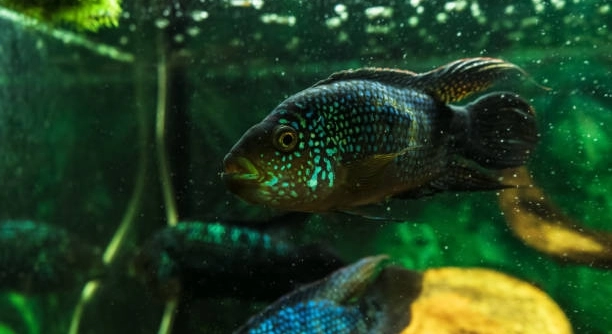
Have you ever noticed your Jack Dempsey resting quietly in its tank at night and wondered how lighting affects its behavior? Many fish owners adjust lights without realizing the impact on their fish’s natural sleep patterns. Observing them closely provides helpful insight.
Jack Dempsey fish do not need light during nighttime hours. Consistent darkness at night supports their natural circadian rhythm, reduces stress, and promotes proper sleep, which is essential for their overall health, growth, and long-term wellbeing in a home aquarium.
Maintaining a proper light-dark schedule benefits your fish’s daily routine. Knowing how light affects their behavior helps create a calmer, healthier tank environment.
Understanding Jack Dempsey Nighttime Behavior
Jack Dempsey fish are naturally more active during the day and prefer resting at night. Their eyes are adapted to low light, so they can navigate their tank even in darkness. At night, they typically hide among plants, rocks, or decorations, which gives them a sense of security. Light at night can disturb their rest, making them stressed or less active the next day. Observing their behavior without artificial light helps you understand their natural patterns. These fish often show subtle movements while resting, like slight fin twitches or slow swimming, which is normal. Maintaining a quiet, dark environment at night is beneficial for their mental and physical health. A consistent day-night cycle allows them to regulate sleep and feeding behaviors naturally. Over time, you may notice they become calmer and display more vivid colors during the day, reflecting good overall health.
Nighttime darkness is essential for Jack Dempsey’s rest and stress reduction, supporting their natural activity cycle.
Creating a calm nighttime environment requires keeping lights off and avoiding sudden disturbances. Providing hiding spots and consistent tank conditions ensures your fish feels secure and rested. Over time, they adjust well to a predictable schedule, showing healthier behavior and improved coloration. Monitoring their night activity gives insight into their comfort level, and maintaining proper darkness helps prevent sleep disruption, which can impact feeding habits and stress levels. Even subtle changes in lighting can affect their behavior, so keeping nighttime dark and quiet is a simple yet effective step in ensuring their wellbeing.
Proper Lighting Schedule for Jack Dempsey Fish
A consistent light schedule is crucial for their health. Limiting night lighting mimics natural conditions.
A proper lighting schedule balances about 10–12 hours of light during the day and complete darkness at night. Using a timer helps maintain consistency without the need for constant monitoring. Too much light can stress the fish, while too little daytime light may affect their activity and appetite. Natural or artificial daylight-spectrum light during the day encourages normal behavior and growth, and complete darkness at night allows for restful sleep. Introducing gradual changes in lighting, like dimming before night, can further reduce stress. Observing your fish’s activity will show whether they are comfortable with the light schedule. Over time, this approach helps maintain their health, reduces aggression, and improves overall color vibrancy. Establishing a stable routine is one of the most effective ways to ensure Jack Dempsey fish thrive in a home aquarium. Proper lighting supports both physical wellbeing and mental stability, making them more predictable and easier to care for.
Common Mistakes with Nighttime Lighting
Many owners leave aquarium lights on overnight, thinking it helps fish see better. Constant light can stress Jack Dempsey fish and disrupt their natural sleep cycles. Avoiding this simple mistake improves their health, behavior, and overall tank harmony.
Leaving lights on for too long interferes with the fish’s circadian rhythm. Jack Dempseys rely on predictable day-night patterns to regulate activity, feeding, and rest. Overexposure to light can make them restless, reduce appetite, and even cause color fading. Hiding spots or dimmed lighting in the evening can ease the transition to darkness. Consistent light schedules, paired with quiet nighttime conditions, allow the fish to rest properly, reducing stress and aggression. Monitoring their behavior helps determine if your lighting routine supports healthy rest.
Some owners use decorative or LED lights at night without realizing the impact. Even low-intensity lighting can disturb rest and increase stress levels. Jack Dempseys are nocturnal by nature and require uninterrupted darkness to maintain their health. Adjusting the lighting to a strict day-night cycle and providing proper shelter in the tank ensures they feel safe and behave naturally. Observing subtle nighttime activity can confirm whether your adjustments are effective, helping maintain a balanced and healthy aquarium environment.
Adjusting Tank Setup for Better Nighttime Rest
Proper tank setup supports natural sleep. Plants, rocks, and hiding spots allow Jack Dempsey fish to feel secure and rest comfortably at night.
Adding adequate cover in the aquarium reduces stress and encourages natural resting behaviors. Jack Dempsey fish prefer dark, sheltered areas where they can retreat during nighttime. Rocks, driftwood, and dense plants create shaded spaces, helping fish feel safe. Positioning these elements strategically prevents overcrowding and allows for free swimming during the day. Avoid sudden changes or excessive rearrangement, as this can increase stress and disrupt their rest. Over time, a thoughtfully arranged tank promotes calmer nighttime behavior and healthier fish.
Tank size and placement also affect nighttime rest. Smaller or overcrowded tanks limit hiding spaces and can make fish feel exposed, increasing stress. Proper filtration and quiet equipment reduce vibrations and noise, contributing to a peaceful environment. Dimmed lights or automatic timers ensure a gradual transition from day to night, mimicking natural conditions. Observing fish over several nights can help determine if the setup meets their needs, allowing adjustments to improve comfort. A stable, secure environment enhances sleep quality, reduces aggression, and supports long-term health, making care more manageable and effective.
Benefits of Darkness at Night
Darkness at night helps Jack Dempsey fish reduce stress and rest properly. It supports their natural sleep cycle and keeps them calmer during the day, improving overall health and behavior.
Consistent nighttime darkness also promotes better feeding patterns and color vibrancy. Fish that rest well are more active and less aggressive, creating a healthier tank environment for all inhabitants.
Using Timers for Consistent Light
Timers simplify maintaining a proper day-night cycle for Jack Dempsey fish. They ensure lights turn on and off consistently, removing guesswork and reducing stress. A predictable schedule helps fish adapt to natural rhythms, supporting normal activity, feeding, and sleep patterns.
Signs Your Fish Needs Adjustments
If your Jack Dempsey hides excessively or shows faded colors, lighting or tank setup may need adjustment. These signs indicate stress or disrupted sleep that should be corrected promptly.
FAQ
Do Jack Dempsey fish need a night light?
No, Jack Dempsey fish do not require a night light. They are adapted to rest in darkness, and constant illumination can stress them. Nighttime darkness allows their natural sleep cycle to function properly, promoting better health, calmer behavior, and proper growth. Using a night light is unnecessary and can actually disturb their rest.
Can too much light harm my Jack Dempsey?
Yes, overexposure to light can stress your fish, make them restless, and even affect their appetite. Jack Dempseys rely on a predictable day-night cycle to regulate activity. Continuous light or very bright lighting at night can reduce coloration and increase aggression toward tank mates. Maintaining consistent lighting schedules prevents these issues and supports their natural behavior.
How long should the lights be on during the day?
Lights should be on for around 10 to 12 hours daily. This duration mimics natural daylight and helps the fish stay active, feed properly, and display their colors. A timer is helpful to maintain consistency. Turning lights on and off gradually reduces stress, especially when transitioning to nighttime darkness.
What if my fish seem restless at night?
Restlessness often indicates stress, poor hiding spots, or inconsistent lighting. Check that your tank provides shaded areas with rocks, plants, or decorations. Ensure lights turn off completely at night and avoid sudden disturbances. Observing their nighttime activity helps you adjust conditions for better rest. Proper setup encourages calmer behavior during both night and day.
Is it okay to use dim lights at night?
Dim lights may still disturb Jack Dempseys. Even low-intensity illumination can interrupt their sleep cycle, causing stress. Complete darkness is ideal. If you need light for viewing, consider short periods and avoid leaving it on throughout the night. Maintaining darkness supports their circadian rhythm and overall wellbeing.
Do hiding spots matter for nighttime rest?
Absolutely. Jack Dempsey fish feel secure when they have adequate cover. Rocks, plants, and driftwood provide shaded areas where they can retreat. Without proper hiding spots, fish may feel exposed, which increases stress and disrupts sleep. Arranging the tank thoughtfully ensures a calmer, healthier environment.
Can night lighting affect feeding habits?
Yes, artificial light at night can interfere with feeding patterns. Fish that do not rest properly may eat less or become more aggressive during feeding. A predictable day-night cycle with darkness at night helps regulate appetite and encourages healthy growth and energy levels.
How do I know if my lighting schedule is correct?
Observe your Jack Dempsey’s behavior. Calm resting at night, active swimming during the day, and bright coloration are good indicators. Signs of stress, such as hiding constantly, aggression, or faded colors, suggest lighting adjustments or tank setup changes are needed. Consistency is key for a healthy routine.
Should I adjust lighting in smaller tanks differently?
Smaller tanks can amplify light intensity and stress. Ensure lights are not too bright and provide sufficient hiding spots. Timers are especially useful in smaller setups to maintain a stable day-night cycle, helping fish feel secure and rest properly. Monitoring behavior ensures the setup is effective.
Do other fish in the tank affect lighting needs?
Yes, community tanks may require compromise. While Jack Dempseys need darkness at night, other species may have different activity patterns. Prioritize nighttime darkness for the overall health of nocturnal or stress-sensitive fish. Using shaded areas or adjustable lighting can help balance the needs of multiple species.
How important is a gradual light transition?
Gradual light changes, such as dimming in the evening, reduce stress. Sudden lighting changes can startle Jack Dempseys, making them anxious. A smooth transition mimics natural sunrise and sunset, supporting circadian rhythm and encouraging calm behavior. Timers with dimming features are ideal for this purpose.
Can improper night lighting affect breeding?
Yes, stress from too much light can interfere with breeding behavior. Jack Dempseys need a calm, predictable environment with proper darkness to encourage natural reproductive behavior. Ensuring nighttime rest helps maintain hormonal balance and increases the likelihood of successful breeding in captivity.
What is the best overall lighting strategy?
The best approach is consistent, predictable daylight of 10–12 hours with complete darkness at night. Combine this with hiding spots and minimal disturbances. Observing your fish regularly ensures the strategy supports their rest, activity, and overall health. Proper lighting contributes significantly to a balanced and thriving aquarium environment.
Can occasional light at night cause long-term harm?
Occasional brief light exposure is usually not harmful but should be minimized. Frequent interruptions can lead to chronic stress, aggression, and color loss. Maintaining long-term darkness at night ensures your Jack Dempsey remains healthy, calm, and active during the day, supporting a more natural and stable routine.
Are LED lights better than fluorescent lights for Jack Dempseys?
LED lights are more controllable and can simulate natural daylight effectively. They produce less heat and can be paired with timers for consistent schedules. Both types work, but LEDs provide easier adjustment for brightness and duration, helping maintain a proper day-night cycle and reducing stress for the fish.
How can I monitor if my fish are getting enough rest?
Watch for calm resting behavior, consistent activity during the day, and vibrant coloration. Excessive hiding, aggression, or lethargy indicates poor rest. Observing these signs over time helps you determine if lighting, tank setup, or nighttime conditions need adjustments to ensure your Jack Dempsey thrives.
Final Thoughts
Jack Dempsey fish are striking and active creatures that thrive when their environment closely matches their natural habits. One of the most important aspects of their care is maintaining a proper day-night cycle. They are naturally diurnal, meaning they are active during the day and rest at night. Providing complete darkness during nighttime hours helps them follow this cycle, reducing stress and supporting overall health. Fish that rest well are calmer, more vibrant, and display normal behaviors, while those exposed to light at night may become restless or aggressive. Observing your Jack Dempsey’s daily routine can help you see the difference proper lighting makes in their comfort and wellbeing. Over time, you will notice they are more active during the day, feed regularly, and maintain brighter colors, all signs of a healthy fish.
Creating a tank setup that supports nighttime rest is just as important as managing lighting. Jack Dempseys feel safer and less stressed when they have plenty of hiding spots, such as rocks, driftwood, or dense plants. These areas provide shaded spaces where they can retreat and rest comfortably. Even small tanks can benefit from thoughtful placement of decorations to allow both swimming space and secure hiding spots. Avoid sudden rearrangements, as Jack Dempseys can be sensitive to changes in their environment. Maintaining a quiet, calm atmosphere during the night also helps. Reducing vibrations, avoiding sudden movements near the tank, and keeping noise low contributes to a peaceful environment that allows the fish to rest properly. By combining darkness with proper tank design, you create a space where Jack Dempseys can thrive naturally.
Consistency in both lighting and tank conditions is key to long-term success. Using timers for lights ensures a reliable schedule, allowing the fish to adapt to predictable day and night periods. Gradual transitions in lighting, like dimming in the evening, reduce stress and mimic natural sunrise and sunset patterns. Monitoring your fish’s behavior regularly helps identify any problems early, such as stress or disrupted sleep. Simple adjustments, like improving hiding spots or fine-tuning the lighting schedule, can make a significant difference. Proper nighttime care supports natural behavior, reduces aggression, and encourages healthy growth and color development. In the end, understanding and respecting the natural rhythms of Jack Dempsey fish allows you to create a stable, healthy, and visually appealing aquarium where they can live comfortably and display their best qualities.

Hello,
If you enjoy the content that we create, please consider saying a "Thank You!" by leaving a tip.
Every little bit helps us continue crafting quality advice that supports the health, happiness, and well-being of pets around the world, for pets of all shapes, sizes, and species.
We really appreciate the kindness and support that you show us!