
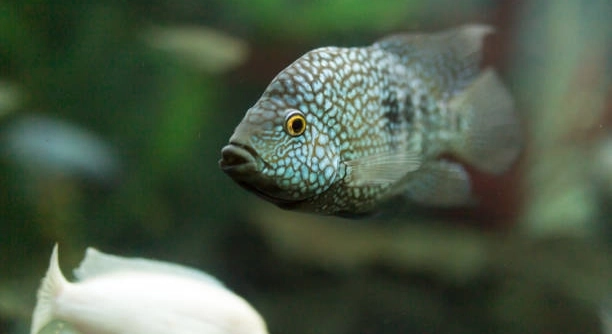
Many aquarium keepers wonder whether Jack Dempsey fish need bubblers, especially when setting up a healthy tank. Understanding oxygen needs, filtration, and water movement helps create stable conditions that support behavior and long term wellbeing.
Jack Dempsey fish do not require bubblers when proper filtration and surface agitation are present. Adequate gas exchange occurs through water movement, while bubblers remain optional supplements that may improve oxygen levels but are unnecessary in well maintained aquariums systems.
Learning how aeration, stocking levels, and filtration interact can help you design a balanced tank that supports color, and longevity.
Understanding Oxygen Needs of Jack Dempsey Fish
Jack Dempsey fish are hardy cichlids that adapt well to a range of aquarium conditions when basic needs are met. Oxygen enters the water mainly through surface movement, not through bubbles rising from decorations. A strong filter that gently disturbs the surface usually provides enough exchange for healthy breathing. These fish naturally live in slow to moderate moving waters, so excessive turbulence is unnecessary. Consistent temperature, clean water, and stable parameters matter more than added air devices. When oxygen levels drop, signs such as rapid gill movement or lingering near the surface may appear. In most home aquariums, regular water changes and proper filtration prevent these issues. Understanding how oxygen works in water helps avoid unnecessary equipment while keeping the tank calm and comfortable for daily activity, feeding behavior, and long term health. This balance supports predictable routines and reduces stress for fish kept in standard household aquariums without complications.
Healthy Jack Dempsey tanks rely on filtration, water changes, and proper stocking rather than constant bubbling. When these basics are handled well, oxygen remains stable, noise stays low, and fish display calmer behavior throughout the aquarium. This approach simplifies care and reduces unnecessary equipment costs for long term setups indoors.
Many beginners assume bubbles equal oxygen, but this is misleading. Oxygen transfer happens where water meets air, not within the bubble itself. Filters that create ripples increase this contact efficiently. Jack Dempsey fish also tolerate slightly lower oxygen than delicate species. Over aeration can create stress by pushing them to hide or resist strong currents. Choosing equipment based on tank size and fish behavior leads to better results. Observing your fish daily gives clearer feedback than adding devices by default. Calm swimming, steady breathing, and consistent appetite signal that oxygen levels are adequate under stable, well maintained aquarium conditions consistently.
When Bubblers Can Be Helpful
Bubblers may help in specific situations, such as overcrowded tanks or warm water conditions. Higher temperatures reduce oxygen availability, making added aeration useful. They can also support tanks with weaker filters or limited surface movement during temporary setups or short term adjustments in home aquariums without altering filtration systems permanently.
Some keepers choose bubblers for visual appeal, and that preference is valid. However, they should not replace proper filtration or routine maintenance. Jack Dempsey fish prefer stable environments with minimal disturbance. Constant streams of bubbles can create excess movement, which may affect feeding patterns and resting behavior. If a bubbler is used, positioning matters. Gentle flow near the surface is more effective than strong bursts near the substrate. Monitoring water parameters remains essential, as aeration does not remove waste. Nitrate buildup, temperature swings, and poor circulation still require attention. Personal experience has shown that simplifying equipment often leads to easier care and healthier fish. By focusing on filtration quality, tank size, and stocking levels, most aquariums function well without extra air devices. Bubblers remain optional tools, not requirements, and should be added only when a clear need exists based on observation rather than assumption. This approach reduces clutter and limits unnecessary adjustments that can disrupt balance. Over time, consistent routines build confidence and make tank management feel more controlled and predictable for keepers maintaining Jack Dempsey aquariums at home with long term success and fewer corrective actions related to oxygen management and equipment choices overall in typical household tank setups.
Signs of Low Oxygen in the Tank
Low oxygen often shows through behavior changes rather than sudden illness. Jack Dempsey fish may breathe faster, stay near the surface, or appear less active. Appetite can drop, and colors may look dull. These signs usually develop gradually, giving time to adjust filtration or maintenance before conditions worsen further noticeably.
Watching daily habits makes it easier to catch oxygen problems early. I have found that consistent swimming patterns and steady gill movement signal comfort. Sudden changes usually point to water quality shifts. Overfeeding, missed water changes, or clogged filters often reduce oxygen indirectly. Testing ammonia and nitrite helps rule out related stress. Improving surface movement, cleaning filter media, and reducing waste load typically restore balance without adding new equipment. Simple adjustments tend to be more effective than quick fixes, especially in established tanks where stability matters most for long term health and predictable fish behavior in home aquariums overall daily.
Surface agitation is often overlooked but plays a key role in oxygen exchange. Filters that ripple the water allow gases to move efficiently. I prefer aiming filter output slightly upward rather than adding strong air devices. This keeps flow gentle while maintaining exchange. Tank size and stocking levels also matter. Too many fish reduce available oxygen faster. Warm water holds less oxygen, so stable temperatures help. Regular maintenance supports these factors working together instead of relying on a single solution. This balanced approach has consistently worked well for me over time in typical household aquariums with cichlid care routines applied.
Choosing the Right Equipment Setup
Equipment choices should match tank needs rather than trends. A reliable filter rated for the aquarium size does most of the work. I focus on steady flow and quiet operation. Extra devices add complexity without clear benefit. Keeping setups simple makes maintenance easier and reduces stress during cleaning or adjustments over time. This approach helps maintain consistency and avoids unnecessary changes in everyday Jack Dempsey tank management routines at home aquariums long term setups overall.
Selecting equipment with intention prevents many oxygen related concerns. Filters with adjustable flow allow fine tuning without disturbing fish. I avoid placing decorations that block circulation. Open swimming space encourages even water movement. Maintenance schedules matter as much as hardware. Rinsing filter media in tank water preserves beneficial bacteria. Skipping cleanings leads to reduced flow and lower oxygen exchange. Bubblers remain optional and should support, not replace, filtration. When equipment works together, the tank stays stable. This stability supports feeding, growth, and behavior without constant adjustments or monitoring fatigue. From experience, fewer tools often lead to clearer observations and calmer tanks overall with less noise clutter and maintenance demands over long periods of routine care in home aquarium setups that prioritize stability and simplicity consistently.
Improving Oxygen Without Bubblers
Jack Dempsey fish thrive with consistent water quality rather than extra aeration devices. Clean water holds oxygen better and supports gill function. I focus on weekly water changes, stable temperature, and proper filtration. These habits prevent oxygen drops more reliably than adding equipment that complicates routine care for home aquariums.
Overfeeding is another factor that quietly reduces oxygen availability. Excess food breaks down into waste, increasing biological demand. I keep portions small and observe eating behavior. Balanced stocking levels also matter. Fewer fish create steadier conditions, better circulation, and less strain on filtration systems overall in typical home tanks setups.
Environmental Factors That Affect Oxygen Levels
Tank placement and maintenance routines influence oxygen more than many realize. Aquariums near windows warm faster, lowering oxygen retention. I keep tanks away from direct light and heaters adjusted carefully. Lid coverage also affects gas exchange. Completely sealed tops trap warm air and limit surface interaction. Leaving small gaps improves exchange without increasing evaporation too much. Regular filter checks prevent reduced flow. When output weakens, oxygen transfer drops. Simple habits like wiping intake sponges and checking spray bars keep circulation steady. These adjustments feel minor, but together they maintain stable oxygen levels without additional equipment or noise in home aquariums.
Keeping the Setup Simple
Noise and visual clutter can also affect enjoyment and consistency. I prefer quieter tanks that blend into daily life. Skipping unnecessary bubblers reduces vibration and distraction. This makes it easier to notice real changes in behavior, breathing patterns, and activity levels during regular observation over time in home tanks setups.
FAQ
Do Jack Dempsey fish need a bubbler at night?
Jack Dempsey fish do not need a bubbler at night if the tank has proper filtration and surface movement. Oxygen levels do not suddenly drop after lights go off. Filters continue circulating water, which supports gas exchange. I have kept tanks running overnight without bubblers and never noticed stress signs. As long as the filter is functioning and the tank is not overcrowded, nighttime oxygen remains stable. Problems usually appear only when filtration stops or water quality is already poor. Consistency matters more than adding equipment for specific hours.
Can a bubbler help reduce stress in Jack Dempsey fish?
A bubbler does not automatically reduce stress and can sometimes increase it. Jack Dempsey fish prefer moderate, steady conditions. Strong bubble streams may disrupt swimming patterns or resting areas. In my experience, stress decreases when water parameters are stable and flow is predictable. Gentle surface movement from a filter is usually enough. If a bubbler is used, keeping it subtle helps avoid unnecessary disturbance. Stress management comes from space, clean water, and routine care rather than extra aeration devices.
Is surface agitation better than bubbles for oxygen?
Surface agitation is more effective for oxygen exchange than bubbles rising through the water. Oxygen enters where water meets air, not from the bubble itself. Filters that ripple the surface increase this contact efficiently. I prefer adjusting filter output upward instead of adding a bubbler. This approach keeps the tank quieter and simpler. It also avoids excessive movement lower in the tank, which Jack Dempsey fish may resist. Proper surface agitation usually solves oxygen concerns on its own.
How do I know if my filter provides enough oxygen?
Observing fish behavior gives clear clues. Calm swimming, normal breathing, and steady appetite suggest adequate oxygen. Rapid gill movement, surface lingering, or lethargy may signal a problem. I also check filter flow regularly. Reduced output often means clogged media or intakes. Cleaning restores circulation and improves oxygen exchange. Water testing helps rule out ammonia or nitrite stress, which can mimic oxygen issues. A working filter that keeps the surface moving is usually sufficient for this species.
Does tank size affect oxygen needs?
Tank size plays a major role in oxygen stability. Larger tanks hold more water, which buffers changes in temperature and waste buildup. I find that smaller tanks require closer attention because oxygen drops faster when conditions shift. Overstocking has a stronger effect in limited space. Providing adequate tank size for Jack Dempsey fish reduces reliance on extra equipment. More volume allows better circulation and steadier oxygen levels when paired with proper filtration and maintenance routines.
Can plants replace bubblers for oxygen?
Live plants contribute oxygen during light hours, but they should not be relied on as the main source. At night, plants consume oxygen instead of producing it. I view plants as a supportive element rather than a solution. They help with water quality and aesthetics, which indirectly supports oxygen balance. Filtration and surface movement remain essential. A planted tank still needs circulation to maintain consistent gas exchange throughout the day and night cycle.
What happens if oxygen levels stay low for too long?
Prolonged low oxygen stresses Jack Dempsey fish and weakens their immune response. Over time, this can lead to poor appetite, slowed growth, and increased sensitivity to water quality issues. I have noticed that long term oxygen problems often come from neglected maintenance rather than missing equipment. Addressing waste buildup, improving circulation, and stabilizing temperature usually resolves the issue. Early correction prevents lasting effects and supports steady behavior patterns.
Should beginners use bubblers just to be safe?
Beginners often add bubblers for reassurance, which is understandable. However, learning how filtration, stocking, and maintenance affect oxygen is more valuable. I found that focusing on basics built confidence faster than adding extra devices. Bubblers can be used if they bring peace of mind, but they should not replace proper care. Understanding tank dynamics leads to better long term results and fewer adjustments over time.
Jack Dempsey fish are resilient when their basic needs are met, and oxygen is often simpler to manage than many assume. In most home aquariums, proper filtration, regular maintenance, and balanced stocking provide all the oxygen these fish require. Bubblers can seem reassuring, especially to newer keepers, but they are not essential in stable setups. What matters most is consistency. Clean water, steady temperature, and gentle surface movement create an environment where oxygen levels remain reliable. From my experience, tanks that focus on fundamentals tend to run more smoothly and require fewer corrections over time. Adding equipment without clear need can sometimes introduce unnecessary changes that disrupt balance rather than improve it.
Understanding how oxygen enters and stays in aquarium water helps remove guesswork. Oxygen exchange happens at the surface, supported by water movement rather than rising bubbles. Filters that ripple the surface quietly handle this task when maintained properly. Observing fish behavior remains one of the most useful tools. Calm swimming, normal breathing, and consistent feeding often indicate that conditions are appropriate. When problems appear, they are usually tied to water quality, overcrowding, or reduced circulation. Addressing those factors directly tends to resolve oxygen concerns more effectively than adding devices. This approach also keeps tank setups simpler and easier to manage on a daily basis.
Choosing simplicity often leads to better long term results with Jack Dempsey fish. Fewer tools make it easier to notice subtle changes and respond early. Maintenance becomes more predictable, and the aquarium blends more naturally into daily life without excess noise or visual clutter. Bubblers still have a place in specific situations, such as temporary setups or warmer conditions, but they remain optional rather than required. By focusing on stable routines and understanding how the system works as a whole, oxygen management becomes part of regular care instead of a constant concern. This mindset supports healthier fish, steadier behavior, and a more enjoyable aquarium experience overall.

Hello,
If you enjoy the content that we create, please consider saying a "Thank You!" by leaving a tip.
Every little bit helps us continue crafting quality advice that supports the health, happiness, and well-being of pets around the world, for pets of all shapes, sizes, and species.
We really appreciate the kindness and support that you show us!