
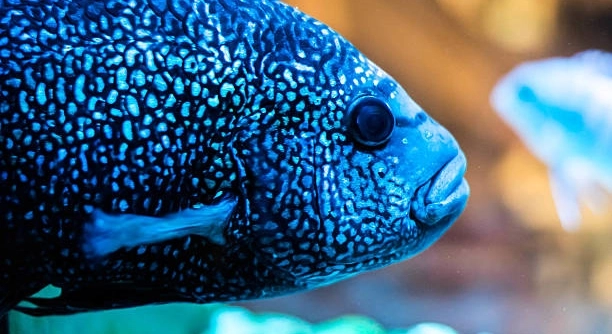
Do you enjoy keeping Jack Dempsey fish but notice they sometimes act aggressively around other tank mates? Their bold nature can make it challenging to maintain harmony in a shared aquarium environment for all fish.
Jack Dempsey fish do exhibit personal boundaries, often showing territorial behavior and defending specific areas within the tank. Recognizing these limits is essential for maintaining peaceful interactions and ensuring the fish’s wellbeing in a controlled aquatic environment.
Understanding these boundaries will help you manage your aquarium more effectively and create a balanced environment for your fish. Awareness of their personal space is key to long-term tank harmony.
Recognizing Territorial Behavior
Jack Dempsey fish are naturally territorial, often staking out specific areas in the aquarium. They may flare their fins, chase smaller fish, or establish dominance over decorations and hiding spots. Observing their patterns can help you understand which spaces they value most. Proper tank setup with ample hiding places reduces stress for both the Jack Dempsey and other fish. Providing rocks, plants, or caves allows them to claim a territory without threatening others constantly. When multiple fish share the tank, spacing and visual barriers become important. Adjusting decorations can prevent repeated conflicts and help maintain calm interactions. It’s important to watch their behavior during feeding times, as food competition can intensify territorial displays. By identifying which areas the Jack Dempsey prioritizes, you can arrange the aquarium to respect its boundaries. This approach minimizes aggressive encounters and promotes a more stable, peaceful environment, benefiting all inhabitants and keeping the tank in balance.
Understanding these behaviors early prevents potential stress and ensures smoother tank management for both the fish and the caretaker.
Monitoring territorial actions also informs decisions about tank size, fish selection, and decoration placement. Larger tanks with clear boundaries allow coexistence. Observing interactions daily can prevent escalation, making adjustments as needed to maintain harmony.
Signs of Stress in Jack Dempsey Fish
Stress in Jack Dempsey fish often shows through changes in color, appetite, and swimming patterns. They may hide more frequently or exhibit rapid fin movements.
Stress arises from overcrowding, poor water quality, or repeated territorial disputes. Maintaining stable water conditions, providing enough space, and minimizing aggressive encounters are key steps. Ensure that filtration and temperature are consistent, and monitor ammonia or nitrite levels regularly. Stress can also emerge from sudden changes in lighting or tank arrangement. Adding visual barriers or rearranging decorations can reduce exposure to perceived threats. Feeding routines matter too; overfeeding or inconsistent schedules can increase tension. Recognizing early signs allows intervention before stress leads to illness. Regular observation helps in adjusting the tank environment to suit the fish’s needs. Ultimately, preventing stress promotes longer life, vibrant color, and calmer behavior in Jack Dempsey fish. Consistency, space, and attentive care create a stable habitat, supporting both the physical and psychological health of these territorial fish.
Managing Aggression
Aggression in Jack Dempsey fish can escalate quickly if their space is limited. Separating highly aggressive individuals or rearranging tank decorations helps reduce confrontations and protects smaller, less dominant fish from stress or injury.
Providing multiple hiding spots and visual barriers allows Jack Dempsey fish to establish territories without constant conflict. Rocks, plants, and caves can break sightlines, limiting the need for frequent displays of dominance. Regular observation during feeding is crucial, as competition for food can trigger attacks. Adjusting tank mates and monitoring interactions ensures that aggression remains manageable, promoting a calmer, more stable environment for all inhabitants. Avoiding overcrowding and maintaining proper tank dimensions supports natural behaviors without unnecessary stress. This approach allows the fish to express dominance safely while minimizing harm to others. Over time, fish become accustomed to the layout, which decreases daily disputes and creates a more peaceful atmosphere in the aquarium.
Consistency in tank conditions, feeding routines, and space allocation contributes to a noticeable reduction in aggressive incidents. Careful planning prevents injuries and encourages healthy interactions.
Respecting Personal Space
Providing enough space is essential for Jack Dempsey fish to feel secure. Crowding triggers stress and increases territorial disputes, which can compromise their health.
A tank of adequate size allows each fish to claim a section without constantly encountering rivals. Strategic placement of plants, rocks, and caves creates visual boundaries that reduce direct confrontations. Avoid moving decorations frequently, as sudden changes can confuse fish and reignite disputes. Consistent water conditions, including temperature and filtration, further support a sense of security. Observing how each fish uses the space informs adjustments that minimize stress. Smaller or less dominant fish should have separate retreats to avoid repeated harassment. Over time, respecting personal space fosters calmer behavior, better color display, and improved feeding habits. Creating a predictable environment benefits both the Jack Dempsey and other tank inhabitants, leading to long-term stability and health.
Feeding and Reducing Conflict
Feeding Jack Dempsey fish in separate areas of the tank helps minimize competition. Using multiple feeding spots ensures each fish receives food without triggering aggression, keeping mealtime calm and balanced.
Providing a consistent diet with high-quality pellets and occasional live or frozen food supports health. Avoid overfeeding, as leftover food can create disputes and water quality issues. Regular feeding routines reduce stress and establish predictability, which helps maintain peace in the tank. Observing their behavior during feeding allows quick adjustments to prevent fights.
Monitoring Behavior Patterns
Tracking daily interactions reveals which fish dominate specific areas or display aggression frequently. Recognizing patterns allows strategic adjustments in tank layout or population management to maintain a calmer environment.
Adjusting Tank Setup
Rearranging decorations periodically can break established territories and reduce repeated confrontations. Introducing new plants or rocks encourages exploration and provides additional hiding spots for stressed or less dominant fish.
Water Quality Maintenance
Maintaining clean, stable water conditions is critical for calm behavior. Regular testing and consistent filtration prevent stress-related aggression in Jack Dempsey fish.
FAQ
How can I tell if my Jack Dempsey fish is stressed?
Stress in Jack Dempsey fish usually shows through changes in color, reduced appetite, hiding more often, or rapid fin movements. Sudden aggression or lethargy can also be signs. Observing daily behavior helps identify stress early.
What are the best hiding spots for Jack Dempsey fish?
Rocks, caves, and dense plants provide essential hiding spots. These create visual barriers, allowing fish to establish territories without constant conflict. Multiple hiding areas prevent bullying and help less dominant fish feel secure.
How often should I feed my Jack Dempsey fish?
Feeding once or twice a day is generally sufficient. A consistent schedule reduces competition and stress. Offer high-quality pellets, with occasional live or frozen food to provide variety and essential nutrients.
Can Jack Dempsey fish live with other species?
Yes, but careful selection is crucial. Choose tank mates of similar size and temperament. Avoid very small or overly passive fish, as Jack Dempsey fish may see them as threats or prey. Providing ample space and visual barriers improves compatibility.
How large should the tank be for multiple Jack Dempsey fish?
A minimum of 55–75 gallons is recommended for one or two adults. Larger tanks reduce territorial disputes and allow each fish to claim space without constant stress. Additional decorations and hiding spots further minimize aggression.
Why do Jack Dempsey fish flare their fins?
Fin flaring is a display of dominance or a territorial warning. It is normal behavior when establishing boundaries. Observing patterns helps determine if aggression is temporary or needs intervention.
What water conditions do Jack Dempsey fish prefer?
They thrive in slightly acidic to neutral pH (6.5–7.5) and temperatures between 74–82°F (23–28°C). Stable conditions with regular filtration and water changes are essential to reduce stress and maintain health.
How can I reduce fighting in the tank?
Providing hiding spots, visual barriers, and multiple feeding locations helps reduce conflict. Rearranging decorations periodically breaks established territories and lowers repeated aggressive interactions. Overcrowding should be avoided to maintain calm behavior.
What should I do if one fish becomes too aggressive?
Temporarily separating the aggressive fish or adding additional hiding spots can help. Monitoring behavior and adjusting tank mates may be necessary. Sometimes, permanent separation ensures safety and reduces stress for all fish.
Do Jack Dempsey fish recognize their owners?
Yes, they can recognize consistent presence and routine. While not affectionate in the traditional sense, they respond to feeding times and familiar activity patterns, showing curiosity or increased alertness near the tank.
How long do Jack Dempsey fish live?
With proper care, they can live 8–10 years or more. Maintaining good water quality, proper diet, and a stress-free environment supports longevity and overall health.
Can I breed Jack Dempsey fish in a community tank?
It is not recommended. Breeding behavior triggers heightened aggression, which can harm other tank inhabitants. Using a separate breeding tank ensures safety and increases the success rate for fry survival.
What signs indicate a fish needs more space?
Frequent chasing, repeated flaring, constant hiding, or injuries indicate the tank may be too small. Adding decorations or upgrading to a larger tank provides relief and reduces stress.
How do I clean the tank without stressing my fish?
Perform partial water changes gradually, avoiding sudden temperature or chemical shifts. Move decorations carefully and maintain stable conditions. Minimizing direct disturbance during cleaning helps keep Jack Dempsey fish calm.
Are there common health issues related to stress?
Yes, stress can lead to weakened immunity, color fading, fin rot, and susceptibility to parasites or bacterial infections. Preventing stress through proper tank management is key to avoiding these problems.
Can Jack Dempsey fish live alone?
Yes, they can thrive alone, as they are naturally territorial. A single fish eliminates disputes and stress from other inhabitants. A sufficiently large tank with hiding spots ensures mental stimulation and a comfortable environment.
How do I introduce new fish to a tank with Jack Dempsey fish?
Quarantine new fish first to prevent disease. Gradually introduce them using visual separation initially. Monitor interactions closely, providing additional hiding spots to reduce territorial aggression. Rearranging decorations can help reset boundaries and reduce conflict.
What is the best way to handle aggressive behavior during feeding?
Use multiple feeding areas to reduce competition. Distribute food evenly to prevent dominant fish from monopolizing it. Observing interactions allows quick adjustments and ensures all fish are fed without confrontation.
Do Jack Dempsey fish remember past interactions with other fish?
Yes, they can recognize other tank mates and remember previous conflicts. Understanding these relationships helps manage tank dynamics and prevents repeated stress for subordinate fish.
How important is consistent lighting for calm behavior?
Stable lighting mimics natural day-night cycles and supports routine. Sudden changes or extreme brightness can increase stress, so gradual adjustments and a consistent schedule help maintain calm behavior and reduce aggression.
Can rearranging the tank too often stress Jack Dempsey fish?
Yes, frequent changes disrupt established territories. Occasional rearrangement is helpful, but consistency allows fish to feel secure and reduces daily disputes. Balance is key between refreshing the environment and respecting territorial boundaries.
What steps prevent injuries during fights?
Providing hiding spots, visual barriers, and adequate space helps prevent injuries. Separating highly aggressive individuals and monitoring behavior during feeding ensures that conflicts remain manageable. Clean water and careful observation also reduce secondary health risks from injuries.
How do Jack Dempsey fish react to other aggressive species?
They may display heightened aggression or stress when housed with other aggressive fish. Careful selection of compatible species and sufficient space reduces confrontations and promotes calmer interactions. Visual barriers further limit repeated conflicts and improve coexistence.
Are juvenile Jack Dempsey fish less aggressive than adults?
Juveniles are generally less territorial but still display dominance hierarchies. Monitoring interactions and providing hiding spots prevents early bullying and prepares the tank for future adult behaviors. Gradual socialization supports balanced growth.
What is the role of plants in reducing stress?
Plants provide cover, visual separation, and a sense of security. Dense foliage allows less dominant fish to retreat and reduces aggression by breaking sightlines. Live plants also improve water quality, supporting overall health.
How can I tell if my tank setup is adequate for multiple Jack Dempsey fish?
Signs include minimal chasing, consistent feeding, and visible resting areas. Fish exhibit calm swimming, vibrant color, and predictable territorial patterns. If stress indicators appear, adjustments to space, decorations, or population are necessary.
Is water temperature more critical than tank size?
Both are important. Stable temperature ensures metabolism and immunity function properly, while sufficient tank size reduces territorial stress. Combining correct dimensions with proper temperature creates an environment conducive to healthy behavior.
Can I train Jack Dempsey fish to recognize feeding areas?
Yes, consistent placement of food teaches fish where to go. Over time, this reduces competition and allows calmer feeding behavior. Routine reinforces predictability and reduces stress during mealtime.
Do Jack Dempsey fish react to humans outside the tank?
They observe movement and respond to feeding or routine activity. While they do not seek interaction, consistent patterns encourage recognition, leading to predictable responses without stress or agitation.
What is the impact of overcrowding on behavior?
Overcrowding triggers constant territorial disputes, stress, and increased risk of disease. Providing sufficient space and managing population density is critical for calm behavior and long-term health of Jack Dempsey fish.
How can I prevent stress during water changes?
Perform partial, gradual water changes, maintaining stable temperature and chemistry. Minimize handling, keep decorations stable, and avoid sudden disturbances. Gradual adjustments allow fish to remain calm while ensuring water quality is maintained.
Are Jack Dempsey fish sensitive to sudden noises or vibrations?
Yes, sudden disturbances can trigger stress or aggressive behavior. Keeping the tank in a stable environment with minimal vibrations and consistent routines reduces unnecessary tension and supports calmer behavior.
What is the most effective way to reduce long-term aggression?
Adequate space, hiding spots, visual barriers, consistent feeding, and careful tank mate selection are key. Observing behavior and making strategic adjustments over time ensures a balanced and less aggressive environment.
Can tank decorations influence behavior?
Yes, decorations define territories and break sightlines. Proper placement allows fish to claim spaces without constant conflict, while rearrangement can reset boundaries if aggression becomes persistent.
Final Thoughts
Caring for Jack Dempsey fish requires understanding their natural behaviors and respecting their personal space. These fish are territorial by nature, and their actions often reflect the need to protect certain areas of the tank. Observing their daily habits allows you to identify patterns of aggression or stress and adjust the environment accordingly. Providing ample hiding spots, visual barriers, and clearly defined territories helps the fish feel secure while reducing conflict with other tank mates. Consistent routines, including feeding schedules and stable water conditions, support calm behavior and minimize unnecessary stress. Over time, this attention to their needs can make the aquarium a more harmonious place, where both the Jack Dempsey and other fish coexist comfortably without constant tension.
Maintaining proper tank conditions is essential for the overall health of Jack Dempsey fish. Water quality, temperature, and pH levels should be monitored and kept stable to prevent stress-related illnesses. Regular partial water changes and consistent filtration support a clean environment and reduce the risk of bacterial or parasitic infections. Tank size also plays a significant role in behavior management. Larger tanks give each fish space to claim a territory without constant confrontation. Decorations, rocks, and plants serve dual purposes: they create natural hiding spots and break sightlines, which limits aggressive interactions. Adjusting the tank layout when necessary can help reset territorial disputes, but frequent changes should be avoided to prevent confusion or additional stress. Proper care and planning ensure that the fish thrive, exhibit natural behaviors, and maintain vibrant colors, all while staying healthy and active for years.
Understanding Jack Dempsey fish also involves recognizing the signs of stress and aggression and knowing how to intervene when necessary. Separation of aggressive individuals or providing additional retreats can prevent injury and reduce tension in the tank. Monitoring interactions during feeding and adjusting the number of feeding locations ensures all fish receive adequate nutrition without competition. Awareness of the dynamics between tank mates allows you to maintain a balanced environment that supports both dominant and less assertive fish. Ultimately, the goal is to create an aquarium where territorial instincts are respected, stress is minimized, and the fish can display natural behaviors in a secure, stable environment. Thoughtful observation, careful planning, and consistent care make it possible to maintain a peaceful, healthy tank that meets the physical and psychological needs of Jack Dempsey fish. By prioritizing their space, routine, and well-being, you ensure long-term harmony and enjoyment for both the fish and the person managing the tank.

Hello,
If you enjoy the content that we create, please consider saying a "Thank You!" by leaving a tip.
Every little bit helps us continue crafting quality advice that supports the health, happiness, and well-being of pets around the world, for pets of all shapes, sizes, and species.
We really appreciate the kindness and support that you show us!