
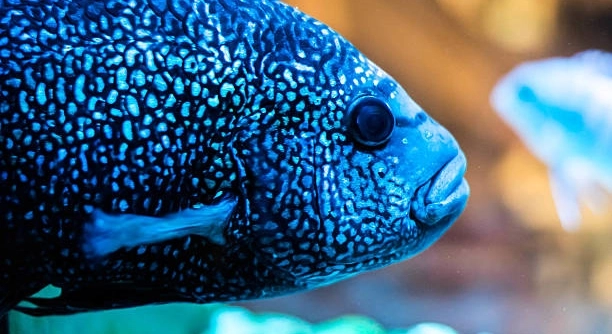
Do Jack Dempsey fish become accustomed to handling over time? Many fish owners notice their cichlids react differently when touched or moved, leading to concerns about stress and habituation. Understanding their behavior can help ensure a calmer environment.
Jack Dempsey fish can gradually get used to gentle handling if it is done consistently and carefully. Regular, calm interaction reduces stress responses, though sudden or rough handling may cause fear, injury, or long-term behavioral changes.
Learning how to handle them properly improves both the fish’s well-being and your confidence. We will explore practical techniques and important considerations for safe interaction.
Understanding Jack Dempsey Temperament
Jack Dempsey fish are naturally territorial and can show aggression toward other fish, especially in confined spaces. Their temperament varies depending on age, environment, and past interactions. Younger fish are often more adaptable, while adults may react defensively if startled. Frequent exposure to gentle handling can gradually reduce stress, but it requires patience. Avoid sudden movements or loud noises near the tank, as these can trigger fear responses. Observing their body language, like flaring fins or rapid swimming, helps predict when they feel threatened. Over time, consistent and calm interaction allows the fish to associate human presence with safety, reducing defensive behaviors. Proper tank setup, including hiding spots and appropriate tank mates, also contributes to a calmer fish. Monitoring water quality, temperature, and diet ensures that stress is minimized, which makes handling less traumatic. With attention to these details, you can improve both their comfort and your ability to manage them safely.
Regular observation helps you notice small changes in behavior, signaling their comfort level with handling.
Patience and consistency are key when interacting with Jack Dempsey fish. Gentle movements, slow approaches, and minimal disturbance reduce stress. Over time, many fish learn that routine handling does not pose a threat. It’s important to combine this approach with proper tank conditions. Proper feeding, stable water conditions, and avoiding overcrowding reinforce calm behavior. You might notice the fish swimming closer during tank maintenance or accepting a net without sudden flares. These signs indicate growing familiarity with human interaction. Some individuals may always remain skittish, but most respond positively to repeated, careful handling. Adjusting your techniques to the fish’s reactions ensures safer handling and a stronger bond of trust, allowing for easier cleaning, feeding, or medical care without unnecessary stress. Observing and adapting to each fish’s personality makes the process more effective and safer for both parties.
Safe Handling Techniques
Using soft nets and slow movements minimizes the risk of injury and stress during handling.
Proper handling starts with calm preparation. Always wet your hands or tools before touching the fish to prevent removing protective slime. Approach the fish slowly, avoiding sudden jerks or splashes. Support its body gently when moving or transferring between tanks. Limit handling duration to reduce stress, and never chase the fish, as this heightens fear. Providing a quiet environment and dimming lights can help calm the fish. Observe their behavior carefully and stop if signs of distress appear. Handling is not only about safety but also about building trust gradually. Consistent, gentle techniques combined with attentive observation allow the fish to become more accustomed to human interaction while minimizing health risks. Over time, these practices make routine tank maintenance and feeding less stressful for both the fish and caretaker.
Gradual Acclimation Strategies
Consistency is important when helping Jack Dempsey fish get used to handling. Short, calm sessions reduce stress and increase familiarity over time. Avoid forcing interaction, and always monitor their response to ensure safety.
Start with minimal contact by moving slowly around the tank and allowing the fish to notice your presence. Gradually, you can progress to gentle touches or guiding them with a soft net. Using the same routine every day helps the fish associate handling with calm, predictable behavior. Avoid sudden changes in approach, as this can reverse progress and trigger fear. Over weeks, many fish become more comfortable, showing less flaring or darting when approached. This method also helps the fish adjust to new tanks, water changes, and maintenance tasks, reducing overall stress levels and improving overall health. Maintaining consistent water quality, temperature, and hiding places supports their adaptation to handling.
Patience remains critical, as each Jack Dempsey has a unique temperament. Even with careful practice, some individuals will remain cautious, requiring slower, gentler methods. Observing subtle cues, like fin position or swimming patterns, guides how and when to progress. Gradual acclimation ensures safer handling, builds trust, and reduces injury risks, making routine care easier for both the fish and caretaker. Combining this approach with proper tank setup maximizes the benefits of handling over time.
Handling Tools and Techniques
Using proper tools like soft nets or cups prevents injury and reduces stress during handling. Always ensure they are clean and smooth to avoid damaging scales or fins.
When moving or interacting with Jack Dempsey fish, tools should complement gentle handling. A soft, fine-mesh net allows safe transfer between tanks while minimizing sudden shocks. Cups or containers can be used for temporary relocation, ensuring water is maintained at tank temperature to prevent thermal stress. Avoid overcrowding the fish in any tool, and support their body carefully to reduce pressure on fins. Handling frequency should be limited, focusing only on necessary tasks like tank maintenance, cleaning, or medical care. Observing the fish’s behavior while using these tools helps determine if the approach is causing stress. Combining appropriate tools with calm, slow movements encourages the fish to tolerate handling and minimizes risk of injury or fear, making routine care safer and more manageable.
Recognizing Stress Signs
Jack Dempsey fish show stress through rapid swimming, flared fins, or hiding frequently. Recognizing these signs helps prevent injury during handling and ensures their well-being is maintained.
Changes in appetite or unusual aggression can also indicate stress. Addressing these early reduces long-term health problems and improves the fish’s response to gentle handling.
Importance of Water Quality
Maintaining stable water conditions is critical for Jack Dempsey fish. Fluctuations in temperature, pH, or ammonia levels increase stress and make handling more difficult. Clean, well-filtered water supports their health and encourages calmer behavior during interaction. Proper monitoring prevents sudden reactions that can lead to injury.
Feeding and Handling
Feeding schedules can influence handling tolerance. Fish accustomed to calm, routine feeding are more likely to remain calm during gentle interaction. Regular, predictable feeding combined with minimal disturbances helps build trust, reducing stress when they are moved or touched.
FAQ
Do Jack Dempsey fish get used to being handled?
Yes, Jack Dempsey fish can get used to gentle handling over time. Consistent, calm interaction reduces stress responses, though sudden movements or rough handling can trigger fear. Gradual exposure, short sessions, and routine care help them associate human contact with safety. Each fish adapts differently depending on age, temperament, and environment. Younger fish are often more adaptable, while adults may take longer to adjust. Observing their body language, like fin position or swimming patterns, guides the pace of interaction. Proper tank setup with hiding spaces and stable water conditions also supports acclimation.
How often should I handle my Jack Dempsey?
Handling should be limited to necessary tasks, such as tank cleaning, transferring, or medical care. Frequent handling can cause stress and injury if not done carefully. Short, calm sessions are ideal. Over time, gentle handling during feeding or maintenance can help them adjust, but daily chasing or forced contact should be avoided. Always watch for signs of stress and pause if the fish shows discomfort, flaring fins, or rapid swimming. Consistency, rather than frequency, is the key to building trust.
What are the best tools for handling?
Soft, fine-mesh nets are preferred for transferring Jack Dempsey fish. Cups or small containers can also be used for temporary relocation. Wetting your hands or tools helps prevent removing protective slime. Avoid rough or abrasive equipment that can damage scales or fins. Handling tools should support the fish’s body and avoid excessive pressure. Limit the number of fish in any net or container to prevent overcrowding. Proper use of tools reduces stress, lowers the risk of injury, and makes routine maintenance safer for both the fish and caretaker.
How do I know if my Jack Dempsey is stressed?
Stress signs include rapid or erratic swimming, hiding excessively, flared fins, loss of appetite, or sudden aggression. Recognizing these signs early allows for adjustments in handling, tank environment, or feeding. Environmental factors like poor water quality, temperature fluctuations, or overcrowding can increase stress. Observing behavior consistently helps identify patterns and triggers. Reducing sudden movements near the tank, maintaining clean water, and ensuring adequate hiding spots all contribute to lowering stress. Calm handling and routine schedules also make the fish more comfortable with interaction.
Can handling affect their health?
Improper handling can lead to injuries, scale loss, or heightened stress, which affects the immune system. Consistent, gentle methods reduce these risks. Avoid chasing, squeezing, or prolonged contact. Maintaining good water quality, a balanced diet, and proper tank setup minimizes health issues that could worsen with handling. Observing behavior and physical condition after each interaction helps detect potential problems early. Proper handling techniques combined with attentive care improve long-term health and make routine maintenance safer for both the fish and caretaker.
Is it necessary to handle Jack Dempsey fish regularly?
Regular handling is not necessary for their survival. Handling is primarily for tank maintenance, medical care, or acclimating them to human presence. Excessive or rough handling can increase stress. The focus should be on careful, minimal contact and ensuring the fish remain comfortable in their environment. Gentle exposure during feeding or tank cleaning can help build familiarity, but forced interaction is unnecessary. Most Jack Dempsey fish can thrive without frequent handling as long as tank conditions, water quality, and diet are well maintained.
How long does it take for them to get used to handling?
The time varies depending on the fish’s age, temperament, and past experiences. Some fish may show tolerance within a few weeks of consistent, calm exposure, while others may require months to fully adjust. Gradual, short sessions combined with minimal disturbance accelerate adaptation. Observing body language like fin position and swimming behavior helps determine progress. Patience and consistency are essential, and even after acclimation, some individuals may remain cautious. Combining proper handling techniques with a stable environment supports their long-term comfort with human interaction.
What should I avoid when handling?
Avoid sudden movements, loud noises, or rough contact. Chasing the fish or using abrasive tools can cause injury or stress. Limit handling time, never overcrowd nets or containers, and ensure water conditions remain stable. Ignoring stress signs, such as hiding, rapid swimming, or flared fins, can lead to health problems. Always approach calmly, move slowly, and adjust based on the fish’s reactions. Using consistent, gentle methods ensures safer handling and reduces the likelihood of injury or fear, making maintenance and care easier over time.
Can handling improve their behavior?
Gentle, consistent handling can help Jack Dempsey fish become more accustomed to human presence, reducing defensive behaviors like flaring or rapid darting. While it cannot completely change natural temperament, careful interaction builds familiarity and decreases fear over time. Combining handling with a proper tank environment, routine feeding, and minimal disturbances contributes to calmer behavior. Gradual acclimation helps them respond better to maintenance and medical procedures, making care easier and safer for both the fish and caretaker. Observing their reactions ensures the approach remains effective without causing stress.
Are there long-term risks to handling?
If done improperly, handling can cause scale loss, stress, injury, and weakened immunity. Repeated rough handling increases the likelihood of behavioral problems or susceptibility to disease. Consistent, gentle methods and observing the fish’s tolerance prevent these risks. Ensuring stable water quality, adequate hiding spots, and a balanced diet supports long-term health. Over time, safe handling can improve tolerance to human presence without harming the fish, but forcing interaction or neglecting stress signals can have lasting negative effects. Proper care minimizes risk while allowing manageable, safe interaction.
This FAQ provides practical answers to common concerns, ensuring that Jack Dempsey fish can be handled safely while maintaining their health and comfort.
Final Thoughts
Handling Jack Dempsey fish requires patience, consistency, and careful observation. These fish are naturally territorial and can be sensitive to sudden movements or changes in their environment. When interacting with them, it is important to move slowly and maintain a calm presence. Even small gestures, like approaching the tank gently or using tools correctly, can make a big difference in how comfortable the fish feels. Over time, consistent, careful handling helps them recognize that human contact is not a threat, reducing stress and defensive behaviors. Observing their reactions closely allows adjustments to handling techniques, ensuring safety for both the fish and the caretaker. Avoiding rough or prolonged contact is crucial, as it can cause injury or weaken their immune system.
Proper tank conditions also play a key role in how well Jack Dempsey fish tolerate handling. Stable water quality, correct temperature, and a clean environment reduce stress levels, making the fish more receptive to interaction. Providing hiding spots and avoiding overcrowding gives them control over their environment, allowing them to retreat when they feel threatened. Diet and feeding routines contribute as well. Fish that are well-fed, healthy, and accustomed to predictable care are generally calmer during handling. By combining environmental stability with gradual, gentle exposure, fish can learn to tolerate handling without significant fear or stress. This careful approach ensures that maintenance tasks like cleaning, transferring, or medical treatment are easier and safer.
It is also important to recognize that each Jack Dempsey fish is unique. Some individuals adapt quickly to handling, while others may always remain cautious. Respecting their temperament and working at their pace is essential. Over time, safe handling practices can build trust, making routine care less stressful. Even if a fish never fully becomes comfortable with being held, understanding and responding to its behavior ensures its well-being. The goal is not to force interaction but to create a calm, predictable environment that supports health, reduces stress, and allows manageable care. With patience, observation, and proper techniques, handling can become a safe, controlled part of caring for Jack Dempsey fish.

Hello,
If you enjoy the content that we create, please consider saying a "Thank You!" by leaving a tip.
Every little bit helps us continue crafting quality advice that supports the health, happiness, and well-being of pets around the world, for pets of all shapes, sizes, and species.
We really appreciate the kindness and support that you show us!