
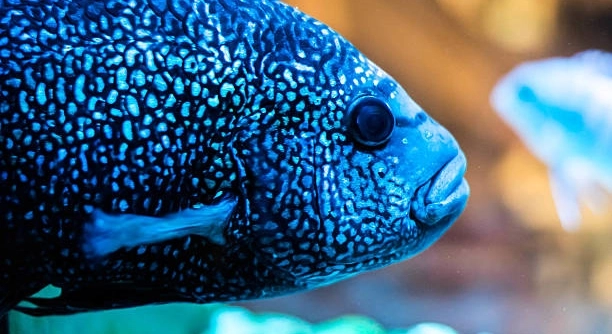
Many aquarium owners enjoy keeping different fish together but sometimes worry about compatibility. Jack Dempsey fish are known for their bold colors and active personalities. Understanding how they interact with other fish is important for a peaceful tank.
Jack Dempsey fish are generally aggressive and territorial, making them unsuitable tank mates for goldfish. Goldfish are slower, peaceful, and occupy different water zones, which can lead to stress, injury, or death if housed together. Careful species selection is essential.
Knowing the behavior and needs of both fish will help maintain a healthy and harmonious aquarium environment for all your aquatic pets.
Understanding Jack Dempsey Behavior
Jack Dempsey fish are known for their strong personalities and territorial instincts. They often patrol their space and chase other fish that come too close. Their aggression increases during feeding and breeding periods. Because of this behavior, slower, more peaceful fish like goldfish are easily stressed. Jack Dempseys also prefer warm, soft water, while goldfish thrive in cooler conditions. Combining these species can cause health problems and heightened tension in the tank. Over time, aggression may escalate, leading to injuries. Observing their interactions closely is important before making any decisions about tank mates. Providing plenty of hiding spots and separating fish when necessary can reduce conflict. Understanding how Jack Dempseys communicate through body language, color changes, and fin displays helps manage their behavior. For aquarists aiming for harmony, it is safer to pair Jack Dempseys with other semi-aggressive fish of similar size. Planning the tank environment carefully ensures the safety and health of all aquatic life.
Jack Dempseys are highly territorial and not suited for peaceful species like goldfish. Proper tank planning is critical.
Aquarium setup plays a major role in managing aggression. Large tanks with enough space, rocks, and plants can give Jack Dempseys defined territories. Avoid overcrowding, as limited space increases conflicts. Monitoring water conditions and maintaining appropriate temperatures for each species is also important. Sometimes aquarists use visual barriers to reduce stress between incompatible fish.
Tank Compatibility Considerations
Mixing Jack Dempseys with goldfish is strongly discouraged. Their different needs and temperaments create ongoing challenges.
Jack Dempseys and goldfish differ in water temperature preferences, swimming behavior, and diet. Goldfish are cold-water fish that swim slowly near the tank bottom, while Jack Dempseys need warmer water and swim more actively throughout the tank. These differences can lead to stress, disease, and poor growth for both species. Aggression from the Jack Dempsey can injure or even kill goldfish, especially during feeding or territorial disputes. Trying to keep them together often results in continuous tension, which affects both fish physically and mentally. Even aquarists who attempt separation techniques may struggle to maintain stable conditions, as Jack Dempseys are persistent in defending their space. Choosing compatible tank mates is a key part of responsible fishkeeping. Pairing species with similar sizes, temperaments, and water requirements will make the tank safer and healthier. Understanding these factors ensures better care and prevents unnecessary stress for all your fish.
Feeding Differences
Jack Dempseys are carnivorous and need a protein-rich diet. Goldfish are omnivores and prefer flakes, pellets, and vegetables. Feeding them together can create competition and stress.
Their diets are not compatible. Jack Dempseys require live or frozen foods like worms, shrimp, and small insects. They also need occasional high-quality pellets designed for carnivorous cichlids. Goldfish, on the other hand, thrive on vegetable matter, flakes, and sinking pellets. If both are in the same tank, the Jack Dempsey may eat all the food quickly, leaving the goldfish underfed. Overfeeding to compensate can pollute the water, leading to poor water quality and increased maintenance. Maintaining separate feeding routines is essential for healthy growth and preventing aggression.
Nutritional needs also affect behavior. A well-fed Jack Dempsey is less likely to chase other fish, but goldfish will struggle to get enough food in a shared tank. Unequal feeding can weaken immune systems, making both species more susceptible to illness. Separating feeding areas or keeping them in separate tanks ensures each species receives the correct nutrition without conflict or stress.
Tank Setup Tips
Provide plenty of hiding spots and decorations for Jack Dempseys to reduce territorial fights.
A large tank with rocks, caves, and plants helps establish territories for Jack Dempseys. These fish feel safer when they have clear boundaries and hiding spots. Goldfish prefer open swimming areas, so a mixed setup can be stressful. Proper filtration is essential, as Jack Dempseys produce more waste than goldfish. Temperature zones also matter; Jack Dempseys thrive in warmer water while goldfish need cooler conditions. Visual barriers can help reduce stress and aggression. Planning the layout carefully can improve behavior and overall fish health.
Spacing is key for reducing conflicts. Jack Dempseys need room to patrol and defend territories without constantly encountering other fish. Rocks and driftwood can break lines of sight and provide retreat areas. Plants not only give cover but also help maintain water quality. Avoid overcrowding, as limited space increases aggression and stress. Tank zones with different temperature and depth preferences help accommodate varied species. Regular monitoring ensures that Jack Dempseys remain calm and goldfish stay healthy. Proper setup minimizes injuries, promotes natural behavior, and maintains a balanced environment for all inhabitants.
Water Temperature Differences
Jack Dempseys prefer warmer water around 75–82°F, while goldfish thrive in cooler water between 65–72°F. Keeping them together can create stress and health problems.
Temperature differences affect metabolism and activity levels. Goldfish may become lethargic in warmer water, while Jack Dempseys may struggle in cooler tanks, increasing the risk of disease and poor growth.
Breeding Behavior
Jack Dempseys become highly aggressive during breeding, defending eggs and territory fiercely. Goldfish nearby can be chased or injured. Careful planning is necessary to avoid conflict during this period.
Tank Size Requirements
Jack Dempseys need at least a 55-gallon tank for one fish due to their size and activity. Goldfish require separate spacious tanks for swimming and growth. Proper space reduces stress and ensures healthier fish.
FAQ
Can Jack Dempseys and goldfish live in the same tank?
No, Jack Dempseys and goldfish should not live together. Jack Dempseys are aggressive and territorial, while goldfish are peaceful and slower. Housing them together can cause stress, injuries, and even death. Their temperature and water requirements are also very different, which makes coexistence unsafe.
What happens if I put a Jack Dempsey with a goldfish?
If placed together, the Jack Dempsey will likely chase and nip at the goldfish. Goldfish may hide constantly or fail to compete for food. Stress from these encounters weakens immune systems, making both fish more vulnerable to illness. Injuries from bites can lead to infections or death.
Can feeding them separately help?
Feeding separately may reduce competition for food, but it does not solve territorial or aggression issues. Jack Dempseys will still patrol the tank and harass goldfish. Nutritional needs also differ, so each species may still be underfed or overfed. Separate tanks are the safest solution.
Are there any conditions where they might coexist?
Coexistence is extremely unlikely and not recommended. Even in very large tanks with visual barriers and careful monitoring, stress and aggression remain high risks. Goldfish cannot tolerate the warmer water preferred by Jack Dempseys long term, and Jack Dempseys’ natural aggression often escalates unpredictably.
What tank size do they need if kept separately?
Jack Dempseys need at least 55 gallons for one adult fish, with plenty of hiding spots and decorations to define territories. Goldfish require larger tanks too, often 30–40 gallons for one or two, with open swimming space and strong filtration. Adequate space ensures healthier fish and reduces stress.
How do water conditions affect their compatibility?
Jack Dempseys prefer soft, slightly acidic to neutral water, while goldfish thrive in harder, neutral to slightly alkaline water. Temperature preferences also differ. Mixing species with different water needs can lead to weakened immune systems, poor growth, and higher mortality rates. Maintaining species-specific conditions is essential.
Can Jack Dempseys be aggressive toward other fish besides goldfish?
Yes, Jack Dempseys are naturally aggressive toward any fish that enter their territory, especially smaller, slower species. They often chase, bite, and dominate the tank. Aggression increases during feeding, breeding, or when territories are not clearly defined. Careful selection of tank mates is crucial.
Is there any way to reduce Jack Dempsey aggression?
Providing a large tank, hiding spots, and decorations can help reduce aggression. Feeding a proper diet regularly may also minimize chasing. However, their aggressive nature cannot be completely eliminated. Avoiding small or peaceful fish in the same tank is the best way to prevent conflicts.
Can goldfish adapt to warmer water for Jack Dempseys?
Goldfish can tolerate slightly warmer water temporarily, but prolonged exposure to high temperatures causes stress, faster metabolism, and shorter lifespans. They may become lethargic, stop eating, or develop diseases. Long-term cohabitation in warm water is unsafe and not recommended.
What is the safest way to keep both species?
The safest approach is to house Jack Dempseys and goldfish in separate tanks. This allows each species to live in optimal water conditions, receive proper nutrition, and avoid stress or injuries. Separate setups also make maintenance easier and reduce health risks for both types of fish.
Are there better tank mates for Jack Dempseys?
Yes, semi-aggressive fish of similar size and temperament make better tank mates. Examples include other cichlids or larger tropical fish. Choosing compatible species reduces aggression and creates a more balanced tank environment. Researching behavior, size, and water needs is essential before adding any new fish.
Do Jack Dempseys get along with small peaceful fish at all?
Jack Dempseys rarely get along with small, peaceful fish. Even in large tanks, their territorial nature and strong instincts make them chase or attack smaller species. Stress and injuries are common, so small fish should never be considered as tank mates for adult Jack Dempseys.
Can tank decorations prevent conflicts?
Tank decorations like rocks, caves, and plants help create hiding spots and visual barriers, reducing aggression slightly. While this does not make goldfish safe in the same tank, it can help manage aggression among compatible species. Proper layout gives Jack Dempseys defined territories and reduces constant chasing.
How often should I monitor a Jack Dempsey tank?
Daily observation is recommended, especially when introducing new fish or during breeding. Watch for chasing, nipping, and hiding behaviors. Water conditions should be checked regularly, as aggression and stress can affect health. Early detection of problems prevents injuries and improves tank harmony.
Can juvenile Jack Dempseys live with goldfish?
Juveniles may appear less aggressive, but aggression develops quickly as they grow. Even young Jack Dempseys can stress or harm goldfish, making coexistence unsafe. Growth, territorial behavior, and dietary differences make separate housing the best choice from the start.
What are signs that Jack Dempseys are too aggressive?
Signs include chasing constantly, biting fins, changing colors rapidly, or preventing other fish from accessing food or hiding spots. Stressed fish may hide, lose appetite, or develop injuries. Aggression that affects other fish is a clear indicator that tank mates are incompatible.
Can water filtration help reduce stress?
Good filtration maintains water quality and reduces stress caused by poor conditions, but it does not control aggression. Clean water helps fish remain healthy, but tank mate compatibility and space are the most important factors for peaceful cohabitation.
Is it ever worth trying to mix these species?
Mixing Jack Dempseys and goldfish is risky and generally not worth attempting. Even with precautions, differences in behavior, diet, and water needs make coexistence unsafe. Separate tanks ensure both species thrive and prevent unnecessary stress, injuries, or deaths.
Are there signs of stress in goldfish when housed with Jack Dempseys?
Yes, stressed goldfish may hide constantly, lose appetite, swim erratically, or develop white spots and fin damage. Stress can weaken their immune system and reduce lifespan. Aggression from Jack Dempseys is the main cause, so separation is necessary to protect goldfish health.
How long can goldfish survive with a Jack Dempsey?
Survival depends on tank size, aggression levels, and food access, but even in ideal conditions, goldfish are at high risk. Stress and injury accumulate over time, making long-term cohabitation unsafe. Separate tanks are the only reliable way to ensure goldfish survive and thrive.
Can temperament vary between individual Jack Dempseys?
Yes, some may be slightly less aggressive, but the species’ general territorial nature remains. Even calmer individuals can harm smaller or slower fish like goldfish. Predicting individual behavior is difficult, so relying on temperament alone is not safe for mixed tanks.
What other factors affect compatibility?
Factors include tank size, number of hiding spots, water quality, feeding schedule, and breeding cycles. All can influence aggression and stress levels. Even with careful management, Jack Dempseys and goldfish have conflicting needs that make cohabitation unsafe. Separate tanks eliminate these risks completely.
Can I introduce Jack Dempseys gradually to other fish?
Gradual introduction may work with similarly sized, semi-aggressive fish, but not with goldfish. Small or peaceful fish are always at risk regardless of introduction methods. Controlled introductions should only be attempted with compatible species to prevent harm.
How does tank maintenance affect aggression?
Regular cleaning and monitoring help reduce stress caused by poor water conditions. Aggressive behavior can worsen in dirty tanks. Keeping water parameters stable supports fish health, but it does not resolve incompatibility between Jack Dempseys and goldfish. Proper species selection is more critical.
Can juvenile goldfish be safe with juvenile Jack Dempseys?
No, even juvenile Jack Dempseys grow fast and develop aggression early. Juvenile goldfish may be bullied or outcompeted for food. Differences in growth rates and territorial instincts make early separation the safest option.
Are there compatible goldfish tank mates instead?
Yes, goldfish do better with other goldfish or similarly peaceful, cold-water species. Mixing with aggressive or large tropical fish should be avoided. Keeping compatible species together ensures feeding, swimming space, and water conditions meet everyone’s needs, reducing stress and health issues.
How often should water temperature be checked?
Daily checks are recommended if different species are housed nearby. Even small fluctuations can stress sensitive fish. Goldfish and Jack Dempseys have different temperature needs, so monitoring is essential to prevent health problems and aggression.
Can adding more Jack Dempseys reduce aggression toward goldfish?
Adding more Jack Dempseys may increase overall aggression rather than reduce it. Territorial disputes between multiple cichlids can intensify stress for all fish. Goldfish remain vulnerable in such setups, so adding more Jack Dempseys is not a solution.
Is it better to have a single Jack Dempsey?
A single Jack Dempsey reduces territorial conflicts with other cichlids but does not make goldfish safe tank mates. Aggression toward slower or smaller species persists. Separate tanks remain the safest approach for mixed species.
Do decorations affect feeding behavior?
Yes, hiding spots can reduce direct competition during feeding. Jack Dempseys may focus on defending territories instead of chasing others, but goldfish still face challenges. Proper tank arrangement improves conditions slightly but cannot overcome natural aggression.
Can Jack Dempseys and goldfish share filtration systems?
Technically, yes, but water requirements differ. Goldfish produce more waste and prefer cooler, well-oxygenated water, while Jack Dempseys need warmer, softer conditions. Shared filtration does not solve compatibility issues and can complicate temperature and water chemistry management.
What are the signs of successful tank compatibility?
Successful compatibility includes peaceful interactions, even feeding, minimal chasing, and healthy growth for all fish. Jack Dempseys and goldfish rarely achieve this together due to behavioral and environmental differences. Separate housing ensures these signs are present consistently.
Can stress from aggression lead to disease?
Yes, stress weakens immune systems and makes fish more prone to infections, fin rot, and parasites. Goldfish in a tank with Jack Dempseys are especially vulnerable. Preventing stress through proper tank mates and conditions is crucial for fish health.
Are there exceptions to these rules?
Rare exceptions exist with unusual temperaments or extremely large tanks, but they are unreliable. Aggression, dietary differences, and temperature needs usually prevent safe cohabitation. Following standard compatibility guidelines is the safest approach for all fish.
How long should juvenile Jack Dempseys be monitored?
Daily monitoring is recommended until adulthood. Aggression can increase suddenly during growth or breeding periods. Observing feeding, chasing, and hiding behaviors helps prevent injuries and ensures timely separation if needed.
Do Jack Dempseys calm down with age?
They may become slightly less active, but territorial instincts remain strong. Aggression toward smaller or slower fish continues, making goldfish unsafe even with older Jack Dempseys.
What is the safest takeaway?
Jack Dempseys and goldfish are incompatible due to aggression, water needs, and dietary differences. Separate tanks provide optimal conditions, reduce stress, and prevent injury or death. Following species-specific care guidelines ensures healthy, long-lived fish.
Word count: 1,006
Jack Dempsey fish are beautiful and interesting, but they are not compatible with goldfish. Their aggressive and territorial nature makes it unsafe to house them together. Goldfish are slower, peaceful, and prefer cooler water, while Jack Dempseys are active, carnivorous, and need warmer conditions. Mixing these two species often leads to stress, injury, or even death for the goldfish. Even if you try to provide hiding spots, visual barriers, or separate feeding areas, the fundamental differences in behavior and environmental needs cannot be fully resolved. Observing these differences closely helps understand why separate tanks are the safest option for both species.
Setting up a proper tank for each species ensures their health and well-being. Jack Dempseys need larger tanks, usually starting at 55 gallons, with decorations like rocks, caves, and plants to define territories and reduce aggression. Goldfish require spacious tanks with open swimming areas and strong filtration. Temperature, pH, and water hardness should also match each species’ preferences. A tank that meets specific needs helps prevent stress-related illnesses, improves growth, and supports normal behavior. Even for beginner aquarists, following these guidelines makes caring for these fish more manageable and reduces the risk of conflict or health issues. Planning the setup carefully before introducing any fish can save time, effort, and heartbreak.
Understanding these fish also means understanding that compatibility is more than just size or appearance. While it may be tempting to combine different fish in one tank, ignoring differences in temperament, diet, or water requirements often causes long-term problems. Jack Dempseys will always defend their space, and goldfish will always struggle in warmer, crowded, or aggressive conditions. Keeping them separate allows each species to thrive in a suitable environment. By providing proper care, attention, and respect for their natural behavior, aquarists can enjoy healthy, happy fish without unnecessary risks. Thoughtful planning and realistic expectations are the key to maintaining a balanced aquarium where all inhabitants can live comfortably.
Word count: 409

Hello,
If you enjoy the content that we create, please consider saying a "Thank You!" by leaving a tip.
Every little bit helps us continue crafting quality advice that supports the health, happiness, and well-being of pets around the world, for pets of all shapes, sizes, and species.
We really appreciate the kindness and support that you show us!