
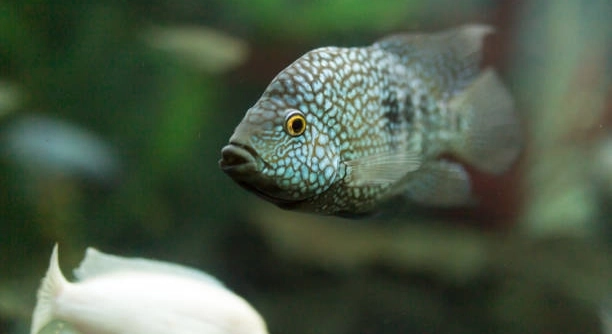
Have you ever noticed your Jack Dempsey fish looking different at certain times in the tank? Their colors can shift subtly or dramatically depending on their mood, environment, and interactions with other fish around them.
Jack Dempsey fish do change color when mating. Males intensify their coloration to attract females, signaling readiness for breeding. These changes are part of their natural reproductive behavior and often reflect dominance, health, and overall vitality during courtship.
Observing these color shifts can give insight into their behavior and breeding patterns, helping owners better understand their fish’s social and reproductive habits.
Understanding Color Changes in Jack Dempsey Fish
Jack Dempsey fish are known for their vibrant colors, which can shift depending on mood, environment, and interactions. During mating, males often display brighter hues to attract females. Stress, tank conditions, and social hierarchy can also influence these changes. The intensity of their coloration may signal health, readiness to breed, or dominance over other fish. Observing these shifts can help identify breeding behaviors or potential stressors in the tank. Environmental factors such as lighting, water quality, and diet play a role in maintaining their natural colors. Regular monitoring ensures that these fish remain healthy and display their most vivid patterns. Even minor changes in the tank can lead to noticeable color shifts, making it important to maintain stable conditions. Paying attention to behavior alongside color gives a more complete understanding of Jack Dempsey fish interactions, which can improve breeding success and overall tank harmony.
Color changes are most noticeable in males, especially during courtship or territorial displays, signaling reproductive readiness.
Subtle shifts in body color can also indicate health or stress. By noting patterns over time, you can understand their behavior better and create a more balanced environment that supports natural interactions and reduces aggression.
Breeding Behavior and Tank Environment
Male Jack Dempsey fish intensify their coloration during mating to attract females and assert dominance. These visual signals are crucial for successful reproduction and can vary in intensity depending on the individual fish and tank conditions.
Tank size, hiding spots, and water quality affect breeding success. Crowded or poorly maintained tanks can increase stress, causing males to show duller colors. Proper diet rich in nutrients supports bright coloration and reproductive health. Observing interactions between males and females helps identify readiness to spawn. Dominant males may chase or display toward rivals, signaling territory and strength. Even subtle gestures, such as fin flaring, are part of courtship behavior. Providing soft substrates for egg laying and maintaining stable temperature and pH encourages natural breeding behavior. Monitoring these factors ensures fish display healthy colors and reduces conflict. Understanding the connection between environment and behavior allows you to support their natural instincts effectively, improving tank dynamics and breeding outcomes.
Factors Influencing Color Intensity
Lighting plays a major role in how Jack Dempsey fish display their colors. Brighter light often enhances their patterns, while dim or inconsistent lighting can make them appear duller.
Water quality directly affects coloration. Clean, well-filtered water with stable pH and temperature allows the fish to maintain vibrant hues. Stress from sudden changes or aggressive tank mates can cause temporary fading. Diet also impacts color intensity. Foods rich in carotenoids and proteins help enhance natural pigments. Observation of subtle shifts helps in identifying health or behavioral issues early, allowing adjustments to improve tank conditions and overall fish vitality.
Social hierarchy can change color displays. Dominant males usually show brighter, more intense patterns, while subordinates appear muted. Interactions like chasing or territorial displays reinforce these color distinctions. Over time, observing these dynamics helps predict mating behavior and reduces conflicts in the tank.
Seasonal and Environmental Changes
Temperature fluctuations can affect color in Jack Dempsey fish. Cooler water may cause dulling, while slightly warmer conditions can enhance vibrancy.
Seasonal changes also influence behavior and coloration. In breeding periods, males often display their brightest colors to attract females, signaling reproductive readiness. Tank environment adjustments, such as stable temperature and sufficient hiding spots, support natural color changes. Nutritional adjustments during these times help maintain peak health and visual appeal. Regular monitoring ensures that environmental changes do not stress the fish, allowing their natural behaviors and color patterns to appear consistently. These observations also improve tank management and breeding success over time.
Male vs Female Color Differences
Male Jack Dempsey fish generally show brighter and more intense colors than females. This difference becomes most noticeable during mating or territorial displays, helping to distinguish roles in the tank.
Females usually have more muted tones but can still display subtle color changes when ready to breed or feeling stressed.
Stress and Color Changes
Stress causes Jack Dempsey fish to lose some of their vibrancy. Factors like aggressive tank mates, sudden water changes, or overcrowding can trigger this response. Maintaining a stable environment and providing hiding spots helps the fish feel secure and retain natural coloration.
Monitoring Your Fish
Keeping an eye on your Jack Dempsey’s colors regularly helps track health and behavior. Sudden dulling or unusual patterns often indicate environmental or social issues that need attention.
FAQ
Do Jack Dempsey fish change color only during mating?
No, Jack Dempsey fish can change color for several reasons. While mating is a primary cause for males to display brighter colors, stress, diet, water quality, and social interactions also influence their coloration. Observing your fish over time helps distinguish breeding changes from environmental or health-related color shifts.
How quickly do these color changes occur?
Color changes in Jack Dempsey fish can happen gradually or almost instantly, depending on the trigger. During courtship, males may brighten within hours. Stress-related fading can occur in minutes, such as when introduced to a new tank or when aggressive behavior occurs.
Can females also change color?
Yes, though changes in females are usually subtler. They may darken slightly when ready to breed or lighten if stressed. Unlike males, their coloration is less about attracting mates and more about signaling readiness or reacting to environmental conditions.
Does diet affect color intensity?
Absolutely. Foods rich in carotenoids, such as shrimp, krill, or specialized pellets, enhance pigmentation. A poor diet can dull colors over time, making males less vibrant and females less visually healthy. Regular feeding of nutrient-rich food supports both natural color and reproductive readiness.
What environmental factors cause color changes?
Water temperature, pH stability, lighting, and tank size all influence coloration. Bright, consistent lighting enhances natural hues, while sudden temperature shifts or poor water quality can cause fading. Providing hiding spots and maintaining consistent conditions reduces stress and allows natural colors to appear.
How can I tell if a color change is due to stress?
Stress-related color changes are usually sudden and often accompanied by behavioral changes. Fish may hide, stop eating, or become lethargic. Observing these signs alongside fading or muted colors indicates the need for tank adjustments, such as improving water quality or reducing aggressive interactions.
Do Jack Dempsey fish retain color after breeding?
Males typically return to their baseline coloration after courtship or spawning, though dominant individuals may maintain slightly brighter tones. Females usually revert to more muted colors once spawning is complete. Maintaining proper care ensures the fish retain healthy, natural patterns over time.
Can social hierarchy affect color?
Yes. Dominant males often display the brightest colors to assert control and attract mates. Subordinate males may appear duller, signaling lower rank. Understanding social dynamics helps prevent conflicts and allows for a balanced tank environment that encourages natural behaviors.
Is it normal for colors to fade at night or in dim lighting?
Yes, fading in low light is normal and usually temporary. Colors often appear duller without bright lighting but return to normal once lights are restored. This behavior is a natural adaptation and not necessarily a health concern.
Should I separate males to maintain color intensity?
Separating males may reduce aggression and prevent stress, but it is not always necessary. Ensuring enough space, hiding spots, and monitoring interactions usually allows males to display natural colors without harming others. Proper tank management often balances color, health, and behavior naturally.
Can water changes improve dull coloration?
Regular water changes support clean, stable conditions, which directly influence color. Dirty or fluctuating water can dull pigmentation, so consistent maintenance is essential. Proper filtration and partial water replacement keep fish healthy and vibrant.
How long does it take for colors to fully develop in juveniles?
Juvenile Jack Dempsey fish develop full adult colors over several months. Males gradually brighten as they mature and approach breeding age, while females develop more subtle patterns. Consistent care, nutrition, and stable tank conditions accelerate healthy color development.
Do tank decorations or background affect color?
Yes, darker backgrounds and natural decor can make colors appear more vivid, while bright or reflective surfaces may reduce the appearance of intensity. Creating a balanced, visually comfortable environment helps fish feel secure and display natural hues confidently.
Are color changes reversible?
Most color changes are reversible. Fading due to stress, poor water quality, or social pressure can return to normal once conditions improve. Permanent changes are rare and usually result from illness, injury, or genetic factors rather than temporary environmental effects.
Can breeding frequency affect male coloration?
Frequent breeding may temporarily reduce intensity if males are stressed or fatigued. Ensuring adequate recovery time, proper nutrition, and minimal stress allows males to regain their bright courtship colors for future breeding periods.
How do I know if a color change is natural or concerning?
Natural color changes are gradual, consistent, and linked to behavior or breeding. Concerning changes are sudden, uneven, or accompanied by illness, lethargy, or abnormal swimming. Regular observation and awareness of tank conditions help differentiate normal behavior from potential health issues.
Can lighting schedules mimic natural color changes?
Yes. Consistent light cycles can simulate natural day and night patterns, supporting normal color shifts. Gradual transitions and predictable lighting encourage healthy coloration and reduce stress caused by abrupt light changes in the tank.
Does aging affect coloration?
Older Jack Dempsey fish may display slightly muted colors over time, especially if health declines. Proper care, nutrition, and stress reduction help maintain vibrant patterns, though some natural fading is expected as fish age.
Can I encourage brighter colors artificially?
Enhancing diet, maintaining water quality, and reducing stress are the most effective ways. Artificial lighting or dyes are not recommended, as they can harm fish. Natural care practices yield consistent, healthy, and long-lasting color improvements.
What role does genetics play in color?
Genetics determine the baseline coloration and potential intensity of a fish. Some individuals are naturally more vibrant, while others have muted patterns. Understanding genetic potential helps set realistic expectations for color changes during mating and adulthood.
How important is observation for color health?
Frequent observation allows you to track subtle changes in behavior, stress, and environment that affect color. Noting patterns over time helps identify potential issues early and ensures your Jack Dempsey fish remain healthy, vibrant, and active in the tank.
Can multiple males in one tank lead to permanent color loss?
Aggressive interactions may temporarily dull colors, but permanent loss is uncommon if the tank is spacious and well-managed. Providing hiding spots and monitoring behavior reduces stress and supports natural coloration, even with multiple males present.
Is it normal for colors to vary between individual fish?
Yes, individual variation is normal. Even in the same tank, males and females show differences in intensity and patterns due to genetics, health, and social status. Observing each fish helps understand their unique color expression and behavior.
How do I support color during breeding season?
Maintain optimal water quality, provide a nutrient-rich diet, ensure adequate space, and minimize stress. These steps help males reach peak coloration for courtship while keeping females healthy and receptive for successful breeding.
Are color changes an indicator of tank harmony?
Yes. Consistent, vibrant colors often signal low stress, good health, and balanced social interactions. Sudden or frequent fading may indicate aggression, illness, or environmental instability, making color a useful tool for monitoring overall tank conditions.
What should I do if colors fade suddenly?
Check water quality, tank mates, diet, and lighting. Addressing any issues usually restores natural coloration quickly. Stress reduction, proper nutrition, and environmental adjustments support recovery and long-term vibrancy.
Can breeding pairs maintain brighter colors longer?
Pairs that breed successfully and remain in low-stress environments often display extended periods of bright coloration. Ensuring adequate food, stable conditions, and minimal conflict supports peak color expression during and after breeding cycles.
Does tank size influence color display?
Yes, smaller tanks can increase stress and dull colors due to overcrowding or territorial disputes. Providing enough space for movement and separation reduces aggression and supports natural color expression in both males and females.
How does aggression affect color intensity?
High aggression among males can cause color fading in subordinates. Dominant males retain bright hues while weaker fish appear muted. Proper monitoring, tank size, and hiding spots help balance aggression and maintain natural coloration across all fish.
Can seasonal changes in light and temperature alter colors?
Yes. Seasonal shifts in temperature or light cycles can cause temporary fading or brightening. Maintaining stable tank conditions helps minimize drastic changes while supporting natural seasonal behaviors in Jack Dempsey fish.
How do I know if a color change is permanent?
Permanent changes are rare and usually linked to illness, injury, or genetics. Most color variations are temporary and reversible with proper care, diet, and stress management. Observing fish over time helps determine if changes are concerning.
Can pairing with compatible mates influence coloration?
Yes, compatible pairs reduce stress and encourage natural courtship behaviors. Males display brighter colors when they feel secure and supported, and females show subtle color cues indicating readiness, resulting in healthier interactions and successful breeding.
Does water hardness affect coloration?
Water hardness can influence pigment intensity. Maintaining moderate levels suited to Jack Dempsey fish helps preserve their natural colors. Extreme hardness or softness may stress the fish and temporarily dull pigmentation.
How often should I monitor color changes?
Daily observation is ideal. Tracking subtle shifts in behavior and coloration helps identify environmental or health issues early, allowing timely intervention to maintain fish health and natural color expression.
Are brighter colors always better indicators of health?
Not always. While vibrant colors often signal good health, overly intense or unnatural brightness may indicate stress or artificial enhancement. Natural, consistent coloration is the best sign of well-being in Jack Dempsey fish.
Can tank mates affect breeding coloration?
Yes. Aggressive or dominant species may intimidate Jack Dempsey fish, reducing male brightness and female responsiveness. Selecting compatible tank mates helps support natural courtship colors and reduces stress during breeding periods.
Do male Jack Dempseys compete using color displays?
Yes. Males often use brighter colors to assert dominance and attract females. This visual signaling reduces physical conflicts but reinforces hierarchy. Observing these displays helps predict breeding behavior and manage tank dynamics effectively.
Is it normal for color to fade with age?
Yes, older fish may naturally display less vibrant colors. Maintaining optimal diet, water quality, and low stress helps minimize fading, but some reduction in intensity over time is expected.
Can stress from handling affect coloration?
Yes, handling or sudden tank changes can cause temporary fading. Minimizing disturbances, using proper nets, and allowing recovery time help maintain consistent coloration in Jack Dempsey fish.
How do I encourage natural color displays without stress?
Maintain stable water conditions, provide hiding spots, offer a nutrient-rich diet, and monitor social interactions. These steps allow fish to express natural colors without unnecessary stress, supporting healthy behavior and breeding patterns.
Are color changes a reliable indicator of breeding readiness?
Yes. Bright, intensified colors in males usually indicate reproductive readiness, while subtle shifts in females signal receptiveness. Monitoring these cues helps time breeding attempts and improve success rates in home aquariums.
Can water flow or filtration affect coloration?
Yes, excessive current or poor filtration can stress fish, leading to dull colors. Balanced water movement and clean, stable filtration promote healthy pigmentation and overall well-being.
Do Jack Dempsey fish show permanent differences between individuals?
Yes, genetics, health, and social rank create natural variation. Some fish will always appear brighter or duller than others, even under identical conditions. Recognizing individual traits helps set realistic expectations for tank coloration.
Can seasonal feeding adjustments enhance color naturally?
Yes, increasing nutrient-rich foods during breeding seasons supports peak coloration. Reducing less nutritious fillers helps maintain vibrant patterns, particularly in males preparing for courtship.
Is tank size more important than diet for color display?
Both are important. Adequate space reduces stress, while diet supports pigment development. Neglecting either can dull colors, so balanced care ensures the fish display their natural intensity consistently.
Do Jack Dempseys need special lighting to show colors?
Bright, consistent lighting helps display natural hues but is not required for health. Natural daylight cycles or standard aquarium lights usually suffice if combined with proper water quality and nutrition.
Can seasonal breeding cycles affect long-term coloration?
Yes, repeated breeding and recovery cycles influence intensity. Ensuring sufficient nutrition and stable conditions allows males to regain peak brightness after each cycle, supporting ongoing health and natural behavior.
How long do males keep bright colors after courtship?
Males usually maintain intense coloration for several days following courtship, then gradually return to baseline hues. Consistent care ensures they regain vibrancy quickly and remain visually healthy for future interactions.
Are color shifts more dramatic in aggressive males?
Yes, dominant, territorial males display the most intense changes, while submissive fish show muted tones. Understanding these patterns helps manage aggression and maintain a balanced, visually appealing tank environment.
Do females influence male color changes?
Yes, female receptiveness encourages males to intensify coloration. Observing subtle responses from females helps predict mating readiness and ensures natural breeding behaviors in the aquarium.
Can stress from illness permanently affect coloration?
Severe or prolonged illness may cause lasting dulling or loss of pigment. Early detection and treatment usually prevent permanent changes, highlighting the importance of regular observation and care.
How do I distinguish natural fading from disease?
Natural fading is gradual and often tied to behavior or environment. Disease-related changes are sudden, uneven, or paired with lethargy, loss of appetite, or abnormal swimming. Immediate attention is needed to prevent long-term damage.
Does tank substrate color affect appearance?
Yes, darker substrates make colors appear brighter, while light or reflective backgrounds may reduce apparent intensity. Choosing suitable substrates enhances natural patterns without affecting health.
Can multiple breeding pairs display color simultaneously?
Yes, each pair may show heightened coloration independently. Ensuring enough space and hiding spots prevents stress and maintains vibrant displays for all breeding pairs.
Are there signs that color change indicates aggression?
Bright, flared fins and intensified body coloration in males often signal aggression or territorial behavior. Observing these signs helps prevent conflicts and maintain tank harmony.
How can I maintain natural coloration year-round?
Stable water quality, proper nutrition, minimal stress, compatible tank mates, and consistent lighting support long-term healthy colors. Regular observation ensures issues are addressed before colors dull or behaviors become abnormal.
Does pH level significantly impact color?
Yes, extreme pH levels can stress fish and reduce pigment intensity. Maintaining pH within recommended ranges for Jack Dempsey fish supports consistent, vibrant coloration and overall health.
Is it normal for males to flash brighter colors suddenly?
Yes, sudden flashes often occur during courtship, territorial displays, or social interactions. These quick changes are natural signaling behaviors and usually temporary.
Can repeated stress cycles affect long-term coloration?
Frequent stress may lead to prolonged dullness or muted patterns. Minimizing environmental fluctuations, aggressive interactions, and poor nutrition helps maintain natural coloration throughout the fish’s life.
Do Jack Dempseys show different colors in community tanks?
Yes, social dynamics affect intensity. Dominant males may brighten, while subordinates fade. Observing individual behavior ensures compatibility and helps maintain a visually balanced tank.
Does water clarity affect color appearance?
Yes, clear water enhances visible colors, while murky or dirty water can make even healthy fish appear dull. Maintaining filtration and cleanliness supports natural vibrancy.
Are color changes permanent after spawning?
Most changes are temporary. Males gradually return to baseline hues, while females revert to muted tones. Proper care ensures recovery and ongoing natural coloration.
Can stress from transport affect color?
Yes, transport or sudden handling can temporarily dull colors. Allowing recovery time in a stable environment helps fish regain natural brightness quickly.
How can I prevent aggressive color-related behavior?
Providing enough space, hiding spots, and compatible tank mates reduces dominance-related aggression and supports healthy, natural color displays across all fish.
Do males and females show color changes differently during breeding?
Yes, males intensify colors for courtship, while females show subtle cues indicating receptiveness. These differences help maintain natural breeding behaviors in the tank.
Can color indicate overall tank health?
Yes, consistent, bright coloration often reflects stable conditions, proper diet, and minimal stress. Dull or uneven colors may signal environmental or social issues needing attention.
Does frequent water testing influence color outcomes?
Indirectly, yes. Regular testing ensures stable water parameters, preventing stress-induced fading and supporting vibrant, healthy fish. Proper monitoring keeps conditions optimal for natural coloration.
Can temperature swings cause permanent dulling?
Temporary swings usually cause short-term fading. Prolonged or extreme fluctuations may stress fish and reduce color vibrancy, though permanent changes are uncommon with attentive care.
Are there signs that breeding readiness is linked to color?
Yes, intensified male colors and subtle female shifts indicate reproductive readiness. Monitoring these changes helps time breeding and supports successful reproduction in aquariums.
Can hiding spots affect natural coloration?
Yes, providing shelters reduces stress, encouraging natural brightness. Fish feel secure and display healthy colors when they have adequate refuge from aggressive or dominant tank mates.
Do Jack Dempseys lose color in overcrowded tanks?
Yes, crowding increases stress and dulls pigmentation. Ensuring proper tank size and minimizing competition allows fish to maintain natural color intensity.
How long does it take for stressed fish to regain color?
Recovery depends on the cause. Minor stress may see color return within hours, while prolonged stress could take days. Stable conditions and proper care accelerate recovery.
Are all color changes visible to the naked eye?
Not always. Subtle shifts in hue or intensity may be gradual. Observing behavior alongside color helps identify natural versus concerning changes effectively.
Can males regain color after losing dominance?
Yes, regaining status or moving to a less stressful environment allows males to restore bright coloration, though this may take time depending on the individual and tank dynamics.
Do females influence male competition for color display?
Yes, male intensity often increases when females are present or receptive. Their response encourages natural courtship behaviors and helps establish hierarchy visually.
Is regular feeding more important than tank size for color?
Both are important, but consistent, nutrient-rich feeding directly affects pigmentation. Adequate space supports behavior and stress reduction, complementing diet for optimal coloration.
Can color intensity indicate readiness for spawning?
Yes, bright male colors usually signal courtship readiness, while subtle female cues indicate willingness. Observing these changes helps time breeding attempts effectively.
Do males change color when defending territory?
Yes, males intensify hues to assert dominance, warn rivals, and attract females. This behavior is a normal part of social interaction and territorial maintenance.
Are temporary fades during illness normal?
Yes, illness can cause short-term color loss. Prompt treatment, clean water, and proper nutrition usually restore natural pigmentation once health improves.
Does breeding frequency affect long-term coloration?
Frequent, well-managed breeding supports natural colors, but excessive stress or fatigue may temporarily dull intensity. Allowing recovery ensures males and females maintain vibrant hues.
Can sudden tank rearrangements affect color?
Yes, moving decorations or changing layouts can stress fish, causing temporary fading. Gradual adjustments minimize impact and help
Jack Dempsey fish are fascinating creatures, not just because of their personalities, but also because of the way their colors change under different circumstances. Their coloration is not fixed, and it reflects both their environment and their behavior. During mating, males intensify their colors to attract females and show dominance, while females may show more subtle changes indicating readiness or stress. Observing these color shifts is a useful way to understand the fish’s overall health, mood, and social dynamics. These changes are natural and part of how Jack Dempseys interact with each other. Paying attention to these patterns helps owners provide a better environment that supports both the fish’s physical and behavioral needs.
Environmental factors have a significant impact on the coloration of Jack Dempsey fish. Water quality, temperature, pH levels, and lighting all influence how bright or muted their colors appear. Stress from poor tank conditions, aggressive tank mates, or sudden changes in the environment can cause temporary fading. Conversely, stable water conditions, proper lighting, and a nutritious diet support vibrant colors and healthy behavior. Tank size and decorations also play a role, as adequate space and hiding spots reduce stress and allow fish to express their natural colors confidently. Understanding these influences allows owners to maintain conditions that help the fish thrive and display their most natural appearance.
Finally, the colors of Jack Dempsey fish serve as a visual indicator of their well-being. Bright, intense colors generally signal a healthy, confident fish, while dull or uneven patterns may indicate stress or health issues. Males often display dramatic shifts during mating and territorial interactions, which is normal and expected, while females show subtler responses that are equally important for breeding behavior. Monitoring these changes over time can improve breeding success and ensure a balanced tank environment. By observing their fish carefully, maintaining proper care, and providing a stable, stress-free environment, owners can enjoy both the beauty and the natural behaviors of these fish. Understanding and respecting their color changes creates a healthier, more harmonious aquarium that reflects the fish’s needs and personality.

Hello,
If you enjoy the content that we create, please consider saying a "Thank You!" by leaving a tip.
Every little bit helps us continue crafting quality advice that supports the health, happiness, and well-being of pets around the world, for pets of all shapes, sizes, and species.
We really appreciate the kindness and support that you show us!