
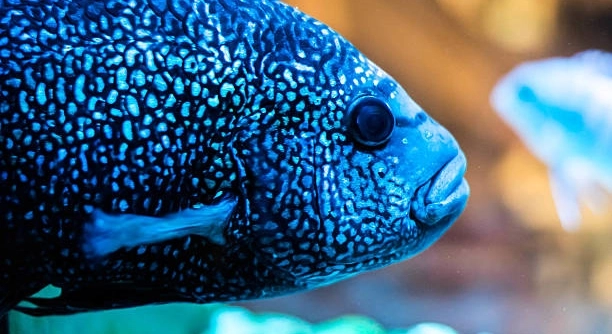
Many aquarists enjoy keeping Jack Dempsey fish because of their vibrant colors and engaging personalities. These fish are known for being territorial, which makes their environment important. Adding live plants can influence their comfort and overall behavior.
Jack Dempsey fish benefit from live plants as they provide shelter, reduce stress, and create a more natural habitat. Plants can also improve water quality and support territorial boundaries, enhancing the health and stability of the aquarium ecosystem.
Including live plants in the tank encourages natural behaviors and makes maintenance easier, while also adding visual appeal to the aquatic environment.
Why Live Plants Matter for Jack Dempsey Fish
Live plants create a more comfortable and natural environment for Jack Dempsey fish. They offer hiding spots that reduce stress and aggression, especially for more territorial individuals. Plants also help maintain water quality by absorbing excess nutrients, which can prevent algae growth. Additionally, plants can provide a sense of security, making the fish feel more at ease. This can encourage natural behaviors such as foraging and exploring. Certain types of plants, like Java fern or Anubias, are hardy and can withstand the digging habits of Jack Dempseys. Floating plants are also useful, offering shaded areas that mimic the fish’s natural habitat. Over time, a well-planted tank can improve overall fish health and longevity, while also enhancing the visual appeal of the aquarium. Incorporating live plants is not just decorative; it directly contributes to a healthier, more balanced aquatic environment.
Live plants also serve as a buffer, reducing sudden changes in water chemistry that can stress Jack Dempsey fish.
Having plants in the tank can help balance pH and provide essential microhabitats. They create a layered environment where fish can establish territories without constant confrontation. Plants encourage natural behaviors, such as resting among leaves or hiding while breeding. They also improve oxygen levels during the day through photosynthesis. By selecting the right combination of rooted and floating plants, it’s possible to accommodate the fish’s active and sometimes aggressive nature. While some plants may require additional care, their benefits outweigh the effort. The overall result is a tank that supports both the physical and behavioral needs of Jack Dempsey fish. Observing the fish interact with their planted environment shows a calmer, healthier temperament and a more vibrant display of colors over time.
Choosing the Right Plants
Not all plants are suitable for Jack Dempsey tanks. Hardier species are recommended.
Plants like Anubias, Java fern, and Amazon sword are ideal because they can handle digging and occasional rough behavior. These species grow slowly and anchor well, preventing damage from the fish. Floating plants, such as duckweed or water lettuce, provide shaded areas that help reduce stress and mimic natural conditions. When placing plants, it’s important to leave open swimming spaces, as Jack Dempseys are active and need room to move. Some plants can be attached to rocks or driftwood, keeping them safe from being uprooted. By combining different plant types, the tank can support natural behaviors while remaining visually appealing. Regular maintenance, such as trimming dead leaves and checking plant health, ensures that the aquarium stays balanced. Using live plants also supports beneficial bacteria growth, which further stabilizes water quality and reduces harmful waste buildup. Overall, the right plant selection improves fish well-being, encourages natural interactions, and contributes to a sustainable aquarium environment.
Plant Placement Tips
Placing plants strategically reduces aggression and provides hiding spots for Jack Dempsey fish. Combining tall background plants with low foreground plants creates depth. Floating plants offer shaded areas, giving the fish a sense of security while also softening bright aquarium lighting.
Background plants like Amazon swords or Vallisneria should be positioned along the back and sides of the tank. Mid-height plants can be placed in clusters to form small territories, while low-lying plants fill open spaces without obstructing swimming paths. Floating plants help diffuse light, reduce stress, and create natural resting areas. Proper placement also encourages natural behaviors, including exploring, resting, and defending territory. Additionally, anchoring plants to rocks or driftwood prevents uprooting during digging or digging attempts, which Jack Dempseys often do. Creating a balance between open swimming space and planted areas ensures the fish remain active, healthy, and visually vibrant.
Placing plants near corners and along the back can also reduce sudden confrontations. This layout allows fish to establish boundaries and retreat when needed.
Maintaining Planted Tanks
Regular care ensures plants thrive and continue benefiting the fish. Trimming dead leaves prevents decay, which can affect water quality. Maintaining proper lighting and fertilization supports growth.
Water parameters must be monitored to maintain a stable environment for both fish and plants. Jack Dempseys can disturb the substrate, so using heavier gravel or anchoring plants to decorations is helpful. Adequate lighting ensures photosynthesis, while occasional fertilization provides nutrients without overloading the water. Cleaning the tank while leaving plants mostly intact prevents unnecessary stress. Regular observation allows you to catch issues early, such as yellowing leaves or algae growth. Healthy plants enhance oxygen levels, reduce toxins, and improve overall tank stability, directly benefiting Jack Dempsey fish behavior and health.
Consistency is key in plant care. Monitoring growth and removing decaying parts maintains tank balance.
Proper circulation and light distribution support even growth. Avoid overcrowding to give each plant space and prevent shading weaker species. Adjusting care routines seasonally, such as increasing light in winter months, ensures consistent growth. Some plants may need occasional root fertilization or trimming to thrive. Pairing hardy plants with slower-growing species reduces competition and maintains visual appeal. Observing fish interaction with plants informs adjustments, ensuring plants remain functional shelters. A well-maintained planted tank creates a stable, natural environment, enhancing the health, coloration, and behavior of Jack Dempsey fish while minimizing stress.
Common Plant Issues
Yellowing leaves often indicate nutrient deficiencies or insufficient light. Algae growth can compete with plants and should be managed. Monitoring water quality helps prevent most problems.
Root disturbance from digging Jack Dempsey fish can uproot plants. Using heavier substrates or anchoring plants reduces damage and keeps the tank stable.
Benefits of Floating Plants
Floating plants provide shade and reduce stress for Jack Dempsey fish. They create a natural environment that mimics shaded waters, which helps fish feel secure. These plants also limit excessive light and discourage aggressive behavior by offering visual barriers.
Compatible Plant Choices
Anubias, Java fern, and Amazon sword are highly recommended for Jack Dempsey tanks. These plants are hardy, tolerate digging, and maintain their structure, making them ideal companions.
FAQ
Do Jack Dempsey fish eat live plants?
Jack Dempsey fish may occasionally nibble on soft leaves, but they do not rely on plants as a primary food source. They are omnivorous and prefer protein-rich diets, such as pellets, live or frozen foods. Hardy plants like Anubias or Java fern are usually left untouched.
How many plants should I put in a Jack Dempsey tank?
A balanced approach works best. Covering roughly 30-50% of the tank with plants allows enough open swimming space while providing hiding spots. Too many plants can limit movement and lead to territorial disputes among fish. Spacing plants evenly creates natural boundaries.
Can Jack Dempsey fish damage plants?
Yes, they are known to dig in the substrate, which can uproot plants. Rooted plants may need extra anchoring with rocks or heavy substrates. Floating and attached plants are less vulnerable and survive better in active tanks.
What lighting is best for a planted Jack Dempsey tank?
Moderate lighting is sufficient for most hardy plants. Too much light can promote algae growth, while too little slows plant growth. Floating plants can help diffuse strong light, creating shaded areas that reduce stress for the fish.
Do live plants improve water quality?
Yes, live plants absorb excess nutrients like nitrates and phosphates, reducing algae growth. They also contribute oxygen during the day through photosynthesis. A planted tank is naturally more balanced, helping to maintain healthier water parameters for Jack Dempsey fish.
Are floating plants necessary?
Floating plants are highly beneficial but not strictly necessary. They provide shade, reduce stress, and create visual barriers, helping to minimize aggression. They also soften the lighting and create resting areas for the fish, making the tank environment more natural.
How often should I trim plants?
Trimming should be done as needed. Removing dead or decaying leaves prevents water quality issues and allows remaining plants to grow evenly. Slow-growing hardy plants may only require trimming occasionally, while faster-growing species need more regular attention.
Can Jack Dempsey fish live in a fully planted tank?
Yes, but it requires careful planning. Open swimming space is essential, and plants should be hardy or anchored. A mix of rooted, attached, and floating plants works best, providing shelter without overcrowding. Observing the fish helps adjust plant placement over time.
Do plants help with breeding?
Yes, plants provide hiding spots and reduce stress, which can encourage breeding behaviors. Dense plants also create natural boundaries for territorial males. Floating plants can help filter light and provide gentle shelter for fry after hatching, improving survival rates.
Which plants are easiest to maintain with Jack Dempsey fish?
Hardy species like Anubias, Java fern, and Amazon sword are easiest. They withstand digging, grow slowly, and tolerate moderate lighting. Floating plants like duckweed or water lettuce are also low-maintenance and offer shade and cover without risking uprooting.
Can I mix different plant types?
Yes, combining background, midground, foreground, and floating plants creates a layered environment. This allows natural territories, provides shelter, and encourages exploration. Mixing species also helps balance the tank, reducing stress and improving overall health for Jack Dempsey fish.
How do plants affect aggression?
Plants reduce aggression by creating visual barriers and hiding spots. Territorial fish have natural boundaries, which minimizes constant confrontations. Strategically placed plants allow subordinate fish to retreat, lowering stress and promoting calmer interactions throughout the tank.
What common mistakes should I avoid?
Avoid overcrowding the tank with plants, which can restrict swimming. Do not use fragile or soft-leaved plants that will be destroyed. Failing to anchor rooted plants or ignoring water quality changes can also compromise both plants and fish. Proper planning is key.
Are artificial plants a good alternative?
Artificial plants can provide shelter but do not improve water quality. They are less flexible and may tear easily from digging behavior. Live plants are superior for creating a natural, healthy, and visually appealing environment for Jack Dempsey fish.
How can I keep plants healthy long-term?
Maintain proper lighting, trim decaying leaves, and monitor water parameters. Anchor plants as needed and avoid sudden changes in water chemistry. Regular care, including checking for algae or nutrient deficiencies, ensures both plants and fish thrive together.
Final Thoughts
Keeping Jack Dempsey fish with live plants offers clear benefits for both the fish and the aquarium environment. Plants provide hiding spots, reduce stress, and create a natural setting that encourages the fish to display normal behaviors. These benefits are particularly important for a species known for its territorial tendencies, as plants help minimize aggression and give each fish a sense of personal space. Selecting hardy species such as Anubias, Java fern, and Amazon sword ensures that plants can withstand the occasional digging or movement of the fish. Floating plants also contribute by offering shaded areas and visual barriers, further reducing stress and creating a more balanced habitat. Over time, the presence of live plants can lead to healthier, calmer fish that show better coloration and activity levels. Beyond the direct benefits to Jack Dempsey fish, live plants also support a more stable tank environment by helping control nutrient levels and oxygenating the water. This creates a more sustainable system that benefits all tank inhabitants, including beneficial bacteria and any other fish or invertebrates present.
Proper care and maintenance of plants are essential for long-term success. Trimming dead or decaying leaves, monitoring light levels, and ensuring plants are anchored securely prevents issues such as uprooting or water quality problems. Jack Dempsey fish may dig, so using heavier substrates or attaching plants to rocks or driftwood can help keep plants in place. Monitoring water parameters and maintaining consistent care routines ensures that both plants and fish thrive. Live plants not only enhance the aesthetic appeal of the tank but also create a more functional and natural habitat. Observing the fish interacting with their planted environment can provide insight into their behavior and health. For example, fish that actively use plants for shelter or resting are likely experiencing less stress and are more comfortable in their surroundings. Additionally, incorporating a variety of plants, including background, midground, and floating species, creates layers that mimic natural conditions and give fish multiple areas to explore and claim as territory.
Incorporating live plants is a practical and effective way to improve the well-being of Jack Dempsey fish while also creating a visually appealing aquarium. They reduce aggression, offer shelter, support natural behaviors, and help maintain water quality. Choosing the right combination of hardy plants, arranging them thoughtfully, and providing consistent care ensures a balanced and healthy tank. Even with the occasional digging or disturbance from the fish, properly anchored and maintained plants will continue to thrive, benefiting both the fish and the overall ecosystem. Over time, a planted tank creates a harmonious environment where Jack Dempsey fish can grow, explore, and display their full range of natural behaviors. Observing their interactions within a planted setup highlights the importance of providing not just a decorative space but one that supports health, stability, and comfort for these striking and active fish. A well-planted tank ultimately enhances the aquarium experience, providing a thriving environment for the fish while making maintenance and observation more rewarding.

Hello,
If you enjoy the content that we create, please consider saying a "Thank You!" by leaving a tip.
Every little bit helps us continue crafting quality advice that supports the health, happiness, and well-being of pets around the world, for pets of all shapes, sizes, and species.
We really appreciate the kindness and support that you show us!