
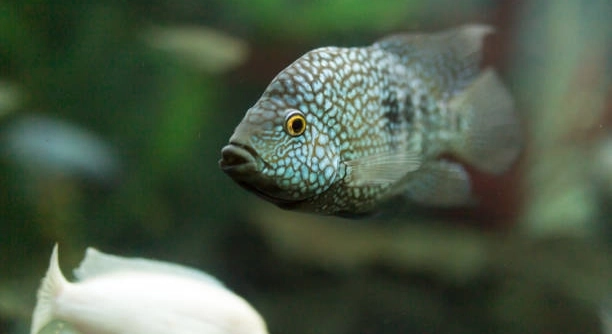
Have you ever noticed your Jack Dempsey fish swimming calmly during the day but acting differently as night approaches? Many aquarium owners observe subtle changes in movement, feeding habits, and social behavior when lights go dim.
Jack Dempsey fish display increased nocturnal activity, including heightened territorial behavior and more active foraging at night. These behaviors reflect their natural instincts in low-light environments, emphasizing adaptation to darkness and influencing their interactions with other tank inhabitants.
Understanding these nighttime behaviors can help improve aquarium care and create a more balanced and comfortable environment for your fish.
Nighttime Activity Patterns
Jack Dempsey fish become noticeably more active when the lights are low. During the day, they often stay near hiding spots or swim slowly around the tank. At night, they explore more openly, patrolling their territory and checking their surroundings. This increased movement is linked to instinctive behaviors from their natural habitats, where dusk and low-light periods are ideal for hunting small prey. Observing them at night shows subtle changes in posture, fin movement, and interactions with tank mates. They may flare their fins more often or chase smaller fish, demonstrating territorial instincts. These behaviors are important to recognize for anyone keeping these fish, as they indicate normal activity rather than stress. Adjusting tank lighting or rearranging decorations can support their comfort. Understanding their patterns helps prevent misunderstandings about aggression or inactivity, ensuring that Jack Dempsey fish remain healthy and active while adapting naturally to day-night cycles.
Recognizing these patterns ensures that tank conditions match their natural behaviors and reduces unnecessary stress for the fish.
Nighttime behavior is often calmer than daytime displays of aggression, but subtle signs of alertness persist. They may pause near hiding spots or hover in mid-water, occasionally investigating other fish or objects. Tank owners can notice that feeding responses become sharper at night, with fish reacting quickly to food and exploring more actively. This behavior is not random but rooted in instinct, reflecting the fish’s need to navigate and protect their environment under low light. Regular observation during these hours provides insight into their health, activity level, and social dynamics. Adjustments to feeding times or tank layout can encourage positive behavior. By understanding how Jack Dempsey fish act at night, owners can create an environment that respects their natural rhythms, reduces conflict with other fish, and promotes overall well-being.
Feeding Habits After Dark
Jack Dempsey fish often feed more aggressively during low-light periods. They become highly alert and can outcompete other fish in the tank.
At night, these fish rely more on sensory cues other than sight, using vibrations and movement to locate food. Feeding routines may need adjustment, as their appetite can peak after lights dim. Observing their responses helps ensure that all fish get enough nutrition without overfeeding. Some owners find that offering food near hiding spots encourages natural foraging behaviors. Night feeding also highlights their adaptability and instinctive strategies for survival. Providing varied food types and monitoring consumption helps maintain health and prevents aggression from escalating. Small adjustments, like dimming lights gradually or spreading food across the tank, can support calmer feeding sessions. Recognizing these patterns allows for better tank management and ensures that Jack Dempsey fish remain active, well-fed, and balanced throughout their day and night cycles.
Feeding behavior at night also gives insight into energy levels, territorial instincts, and interaction patterns, helping tank owners refine care strategies and monitor health effectively.
Social Interactions at Night
Jack Dempsey fish become more territorial in low-light conditions. They may chase smaller fish or display fin flares more often. These behaviors are natural and indicate dominance rather than illness.
At night, social dynamics shift noticeably. Fish that were passive during the day may assert themselves, exploring new areas or challenging tank mates. Smaller or less aggressive fish often retreat to hiding spots to avoid confrontation. Even dominant fish adjust their patrol patterns, moving carefully around the tank rather than staying in one place. These changes are subtle but consistent, showing a balance between exploration and caution. Observing these patterns helps tank owners understand which behaviors are normal and which might signal stress or overcrowding. Social interaction at night is essential for their mental stimulation and maintaining hierarchy.
Monitoring these nighttime behaviors allows adjustments in tank layout or decorations to minimize conflict. Providing enough hiding spaces and territory markers can reduce aggressive encounters, helping fish coexist peacefully. Recognizing how dominance and submission play out ensures a healthier tank environment.
Environmental Influence on Night Behavior
Lighting levels strongly impact Jack Dempsey activity. Dim or soft lighting encourages natural nighttime exploration and reduces stress.
Tank conditions also play a role in behavior. Water temperature, pH, and hiding spaces affect how active fish are after dark. Cooler water can slow movements, while slightly warmer conditions encourage patrolling and feeding. Decorations, plants, and rocks provide cover, giving smaller fish confidence and larger fish clear territories to patrol. Even minor changes in lighting duration or intensity can alter their nightly routines, affecting interactions and activity levels. Understanding these factors helps create an environment that supports both natural behavior and overall health. Adjusting tank features gradually ensures fish adapt smoothly to changes.
Environmental management helps maintain predictable night behavior. By optimizing lighting schedules, tank structure, and water conditions, owners can support activity, reduce stress, and allow Jack Dempsey fish to express instincts safely. Consistent observation ensures any sudden changes are noticed early, promoting long-term well-being and balance in the aquarium.
Nighttime Resting Spots
Jack Dempsey fish often retreat to hiding spots at night. Rocks, plants, and tank corners become their preferred resting areas. These spaces provide security and comfort, reducing stress during low-light hours.
Hiding at night is part of their natural behavior. Even dominant fish may choose a sheltered area, conserving energy while remaining alert to surroundings. Choosing the right resting spots in the tank ensures all fish feel safe and can maintain healthy nighttime routines.
Sensory Adaptations
At night, Jack Dempsey fish rely less on vision and more on other senses. Vibrations, water movement, and chemical cues guide their navigation and hunting. Their lateral line system becomes crucial for detecting nearby objects and fish, allowing them to move confidently in dim conditions.
Managing Nighttime Aggression
Providing sufficient space and hiding spots reduces conflicts. Fish that feel secure are less likely to engage in constant chasing or fin displays. Observing interactions helps adjust tank layout, ensuring peaceful coexistence while allowing natural nocturnal behaviors.
FAQ
Why do Jack Dempsey fish act more aggressively at night?
Jack Dempsey fish naturally become more territorial in low-light conditions. Darkness triggers instinctive behaviors that help them protect their space and resources. Increased aggression is normal, as they feel more confident patrolling the tank and asserting dominance when visual threats are limited.
Do they eat more at night?
Yes, they often show a stronger feeding response after lights dim. Their senses other than sight, such as vibration detection, become more active, helping them locate food efficiently. Adjusting feeding schedules can support their natural nighttime appetite and reduce competition among tank mates.
How can I reduce nighttime fighting?
Providing plenty of hiding spots and tank decorations allows smaller fish to retreat safely. Spreading out food and avoiding overcrowding helps reduce confrontations. Observing fish interactions can guide adjustments to tank layout or placement of shelters, minimizing aggressive encounters.
Is it normal for them to patrol constantly at night?
Yes, patrolling is part of their natural routine. Even dominant fish will move around their territory to check boundaries and assert presence. This behavior is a sign of healthy instincts and active engagement with their environment, not necessarily stress.
Do they sleep at night?
Jack Dempsey fish rest, but their sleep is light and intermittent. They often stay near shelters or hover quietly in low-light areas. Their resting periods allow them to conserve energy while remaining alert for changes in the tank, maintaining survival instincts.
Will tank lighting affect their night behavior?
Absolutely. Bright or sudden lighting can disrupt nighttime activity and cause stress. Gradual dimming or using low-intensity lights simulates natural day-night cycles, supporting normal nocturnal behaviors like foraging, patrolling, and resting. Proper lighting encourages predictable routines.
Do they interact with other fish differently at night?
Yes, social dynamics shift after dark. Some fish that are passive during the day may assert dominance at night. Smaller or submissive fish usually stay hidden. Understanding these patterns helps prevent misunderstandings about aggression and ensures a balanced tank environment.
Can feeding at night improve health?
Night feeding can support natural behaviors and prevent overfeeding during the day. Providing food near shelters or in multiple areas allows all fish access, reducing stress and promoting proper nutrition. Observing feeding responses ensures energy needs are met without promoting constant aggression.
Are nighttime behaviors the same in all tanks?
No, they vary depending on tank size, decorations, water conditions, and the presence of other fish. Larger tanks with ample hiding spots reduce stress and aggressive behavior, while small or bare tanks may intensify nighttime activity and conflicts.
How can I monitor their nighttime activity?
Watching fish after lights dim, using dim lighting, or short recording sessions allows observation without disturbing them. Tracking patterns helps understand aggression, feeding habits, and resting behaviors. This knowledge can guide adjustments in tank layout, feeding times, and environmental conditions for healthier fish.
Do they need special nighttime care?
Not always, but ensuring a stable environment is key. Proper water parameters, secure hiding spots, and consistent lighting schedules support natural nocturnal behaviors. Avoid sudden changes in temperature or light intensity, as this can trigger stress or abnormal activity.
Will older Jack Dempsey fish behave differently at night?
Yes, older fish may patrol less aggressively but remain alert. Energy levels decline slightly with age, reducing chasing or frequent territorial displays. However, resting habits and nighttime feeding responses remain similar, showing that instincts persist throughout their lifespan.
Can stress alter nighttime behavior?
Stress from overcrowding, poor water quality, or sudden changes can increase aggression, reduce feeding, or cause hiding. Maintaining stable water conditions, proper tank size, and sufficient hiding spaces helps prevent stress-related nighttime issues. Observation ensures early detection of behavioral changes.
Is nighttime observation important for tank management?
Yes, observing fish at night provides insight into feeding patterns, territorial behavior, and social interactions. Understanding these behaviors allows for adjustments to environment and care routines, ensuring healthier and more balanced tank dynamics for Jack Dempsey fish.
How do I know if their night behavior is abnormal?
Signs include excessive aggression, constant hiding, refusal to eat, or erratic swimming. Comparing behaviors to typical patterns can help identify issues. Abnormal nighttime behavior often points to stress, poor water quality, or health concerns that require attention.
Can they be trained to feed at specific nighttime hours?
Yes, consistent feeding schedules and placement of food in the same locations encourage them to anticipate feeding times. Gradual adjustment helps align their nighttime appetite with owner routines while still respecting their natural instincts.
Do other fish species affect their nighttime behavior?
Yes, tank mates influence activity levels. Peaceful or similarly sized fish reduce stress, while smaller or more passive species may trigger aggressive patrols. Observing interactions helps ensure a compatible mix of fish and reduces nighttime conflicts.
Does water temperature impact night activity?
Yes, cooler water slows movements and reduces activity, while slightly warmer water encourages patrols and feeding. Maintaining consistent temperatures supports normal nocturnal behavior and prevents stress or lethargy.
How long is their active period at night?
Activity varies but usually peaks for a few hours after lights dim. Fish may alternate between patrolling, feeding, and resting. Providing a stable environment allows these cycles to occur naturally, supporting healthy behavior patterns.
Can nighttime stress affect daytime behavior?
Yes, prolonged stress at night can carry over into the day, increasing aggression, reducing appetite, or affecting resting periods. Ensuring safe hiding spots, proper lighting, and reduced competition minimizes these effects and promotes overall well-being.
What is the best way to track changes over time?
Keeping a log of nighttime behavior, feeding responses, and interactions helps detect shifts in activity or health. Noting water parameters, tank changes, or new fish additions provides context for behavioral changes and guides adjustments.
Do Jack Dempsey fish prefer certain areas at night?
Yes, they gravitate toward shelters, plants, rocks, and corners. These spots offer security and allow safe exploration. Observing their preferred areas helps optimize tank layout and ensures all fish feel comfortable during nighttime hours.
Can lighting adjustments improve sleep and activity cycles?
Gradually dimming lights or using low-intensity bulbs simulates natural cycles, encouraging proper rest and activity. Sudden bright lights can disturb fish and trigger stress, while stable lighting supports predictable nocturnal routines.
Do they show signs of bonding or recognition at night?
Subtle interactions may occur, such as following familiar tank mates or maintaining distance from aggressive fish. These behaviors reflect awareness of social hierarchies and familiarity with the tank environment, even in low light.
Will adding new fish affect their night behavior?
Yes, introducing new fish can increase aggression, chasing, and hiding until social hierarchies are established. Gradual introductions, quarantine procedures, and monitoring reduce stress and ensure smoother adaptation to nighttime routines.
Are nighttime behaviors the same in small and large tanks?
No, tank size significantly influences activity. Smaller tanks may intensify territorial displays and chasing, while larger tanks allow more exploration, reducing direct conflicts. Proper space is critical for maintaining natural behaviors and preventing stress-related issues.
How often should I check on them at night?
Occasional observation is enough to monitor behavior without disturbing their routine. Short checks or dim-light viewing allows assessment of feeding, patrolling, and resting, providing valuable insight for adjustments in tank care.
Do they respond to owner presence at night?
They may notice movement or vibrations but rely less on sight. Reactions are subtle and usually involve alert postures or cautious swimming rather than active interaction. Respecting their low-light environment ensures minimal stress while observing behavior.
Can nighttime enrichment improve well-being?
Yes, providing plants, rocks, and structured hiding spaces supports natural exploration and reduces boredom. Varied textures and areas to patrol allow for engagement with their environment, promoting physical and mental health during nocturnal hours.
How do I balance day and night activity?
Maintaining consistent light cycles, feeding routines, and environmental stability supports predictable behaviors. Adequate daytime activity and nighttime rest help maintain energy levels, reduce stress, and encourage natural instincts without interfering with tank management.
Are some Jack Dempsey fish naturally more active at night?
Yes, individual personalities vary. Some are more exploratory and assertive, while others remain calm. Recognizing these differences helps tailor tank care, feeding, and space allocation for each fish, ensuring a balanced environment.
Can stress or illness change their night behavior suddenly?
Yes, sudden hiding, lethargy, or heightened aggression can indicate health issues or stress. Monitoring water quality, diet, and tank dynamics helps identify causes early and prevent long-term problems.
Do nighttime behaviors affect breeding?
Night activity can influence territorial claims and feeding, which affect breeding readiness. Ensuring calm, secure areas and proper nutrition supports natural reproductive behaviors without unnecessary stress or conflict.
How long does it take for new tank conditions to affect night behavior?
Adjustments can take a few days to weeks. Fish gradually adapt to new decorations, lighting, or tank mates. Patience and observation ensure they settle into normal nocturnal routines without prolonged stress.
Can noise or vibrations change their nighttime activity?
Yes, excessive external vibrations or tank disturbances can increase alertness, chasing, or hiding. Minimizing sudden movements, tapping, or loud sounds helps maintain normal behavior and reduces stress at night.
Do older fish need special considerations at night?
Older Jack Dempsey fish may reduce patrols but still require safe resting areas. Gentle feeding schedules and stable environments help maintain health and prevent stress-related behavior changes in mature fish.
How do I know if nighttime aggression is excessive?
Signs include constant chasing, injury, or persistent hiding of tank mates. Adjusting space, hiding spots, and monitoring interactions can reduce stress and ensure aggression remains within natural limits.
Can changing tank layout improve nighttime interactions?
Yes, adding plants, rocks, and shelters creates clear territories, reduces conflict, and encourages exploration. Thoughtful placement allows dominant and submissive fish to coexist safely while maintaining natural nocturnal behavior.
Is it normal for them to patrol in groups?
Sometimes, fish patrol near others, especially when monitoring territory or food. While solitary patrol is more common, group activity reflects awareness of surroundings and social hierarchies rather than abnormal behavior.
Do they show curiosity at night?
Yes, subtle exploration of objects, tank areas, and other fish occurs. They rely on senses other than sight, making investigation slower but deliberate, supporting natural instincts for foraging and territorial monitoring.
Can changes in diet affect night behavior?
Yes, high-protein or nutrient-rich foods may increase nighttime activity and feeding intensity. Balanced diets support energy levels for normal patrol, social interaction, and exploration during low-light hours.
Are some behaviors at night misinterpreted as aggression?
Yes, chasing or fin flaring may be normal territorial or feeding behavior. Understanding patterns, timing, and context helps distinguish natural instincts from stress-induced aggression, preventing unnecessary interventions.
Does water current influence nighttime activity?
Yes, gentle currents stimulate swimming and exploration, while strong currents may limit movement or cause stress. Adjusting flow ensures normal nocturnal routines without interfering with natural behaviors.
Can nighttime behaviors predict health problems?
Changes in activity, feeding, or social interactions can indicate illness or stress. Early observation allows corrective measures, supporting long-term health and ensuring natural nocturnal routines continue safely.
How often should I change decorations or hiding spots?
Occasional rearrangement can encourage exploration and reduce boredom, but frequent changes may stress fish. Gradual adjustments help maintain normal night behavior and allow fish to adapt without conflict.
Do Jack Dempsey fish ever become inactive at night?
Yes, periods of resting are normal, especially near shelters. They alternate between light sleep and alertness, conserving energy while remaining responsive to their environment.
Is monitoring water quality more important at night?
Consistent water parameters are crucial for healthy behavior. While nighttime monitoring isn’t necessary every hour, stable conditions support normal nocturnal activity and prevent stress-related disruptions.
How can I tell if night behavior is improving?
Reduced stress, predictable feeding, less chasing, and balanced interaction patterns indicate healthy nighttime routines. Observing consistency over several days provides a clear picture of behavior trends and adaptation.
Do seasonal changes affect night activity?
Seasonal variations, such as daylight length or temperature, can influence activity cycles. Gradual adjustments in lighting and water conditions help maintain predictable nocturnal patterns throughout the year.
Can adding live plants affect nighttime behavior?
Yes, plants provide cover and stimulate exploration. Fish use plants for resting, hiding, and patrolling, reducing stress and supporting natural night activity.
Do Jack Dempsey fish recognize feeding times at night?
They can learn consistent feeding schedules. Fish may become alert near feeding areas when food is regularly provided, showing anticipation without disrupting natural instincts.
Can tank size affect aggression at night?
Larger tanks allow more space for territory and hiding, reducing stress and conflicts. Small tanks may intensify chasing and fin displays, so proper sizing is crucial for peaceful nocturnal behavior.
Is nighttime observation useful for breeding pairs?
Yes, monitoring behavior at night helps track territoriality, feeding, and interactions between mates. Observing these patterns supports successful breeding and reduces stress in the tank.
Do Jack Dempsey fish ever ignore tank mates at night?
Some may temporarily focus on resting or patrolling, showing minimal interaction. This is normal and indicates energy conservation rather than illness or social issues.
How long does it take to see effects of environmental changes on night behavior?
Gradual adaptations usually appear within days, though complete adjustment may take weeks. Patience and careful observation ensure fish settle into normal nocturnal routines without stress.
Can adding small fish trigger increased nocturnal aggression?
Yes, introducing smaller or more passive fish can trigger chasing or flaring. Observing reactions and providing hiding spots reduces conflicts and helps maintain balanced night behavior.
Do Jack Dempsey fish behave differently in community tanks at night?
Yes, behavior varies depending on tank mates. Presence of peaceful, similarly sized fish reduces aggression, while passive or smaller fish may trigger heightened territorial activity. Careful observation ensures a stable, harmonious environment.
Is sudden inactivity at night a warning sign?
Yes, sudden hiding, reduced feeding, or lethargy can indicate stress or illness. Monitoring water conditions, diet, and social dynamics helps identify problems early and supports recovery.
Do they interact with objects at night?
Yes, fish explore rocks, plants, and decorations. This exploration stimulates mental activity and allows them to patrol territory efficiently, supporting natural instincts even in low light.
Can dim lights be used for observation?
Yes, low-intensity or red lighting allows viewing without disturbing nocturnal routines. This helps monitor feeding, aggression, and resting behavior effectively.
Do Jack Dempsey fish need night-specific supplements or food?
Not necessarily. Balanced diet during the day and occasional nighttime feeding supports energy levels and natural instincts. Focus on proper nutrition rather than special night-only supplements.
How do I know if hiding spots are sufficient?
Observing fish use of shelters at night helps assess adequacy. If multiple fish compete or remain exposed, adding more hiding areas improves safety and reduces stress.
Can nocturnal behaviors indicate personality differences?
Yes, some fish are naturally more exploratory or dominant at night, while others remain calm. Recognizing these traits helps manage tank interactions and space allocation effectively.
Will changing tank water affect nighttime activity immediately?
Sudden water changes may temporarily alter behavior. Gradual adjustments maintain stability, allowing fish to continue normal nocturnal routines without stress.
Does feeding method impact nighttime behavior?
Yes, spreading food or placing it near shelters reduces competition and encourages natural foraging behavior. Consistent methods support healthy night activity and reduce aggression.
Do Jack Dempsey fish respond to shadows at night?
They may react to vibrations or subtle movements rather than visual cues alone. Awareness of surroundings persists, allowing cautious exploration even in dim conditions.
Are some nighttime behaviors unique to individual fish?
Yes, each fish may have distinct patterns for resting, feeding, and patrolling. Observing individual differences helps tailor care and tank management for balanced behavior.
Can nighttime stress cause physical signs?
Yes, fin clamping, rapid breathing, or loss of appetite may appear. Monitoring and adjusting tank conditions promptly supports health and reduces stress-related behaviors.
Do they ever display playful behavior at night?
Exploration and interaction with objects may resemble play, though it is instinct-driven. This activity maintains alertness, supports hunting instincts, and contributes to overall well-being.
Does tank noise affect night routines?
Yes, vibrations from pumps, external activity, or tapping can increase alertness and movement. Minimizing disturbances preserves normal nocturnal behavior and reduces stress.
Can nighttime observation help detect disease early?
Yes, changes in movement, feeding, or social behavior often appear first at night. Early detection allows timely intervention and prevents worsening health issues.
Do Jack Dempsey fish communicate differently at night?
Communication relies more on body posture, fin displays, and movement cues rather than visual signals. Subtle changes indicate dominance, submission, or alertness among tank mates.
Are night and day behaviors complementary?
Yes, daytime and nighttime behaviors balance energy, feeding, and social interactions. Understanding both periods ensures tank management aligns with natural instincts, supporting healthy routines.
How long should I observe before concluding behavior is abnormal?
Consistent observation over several days allows identification of patterns. Sudden or prolonged changes beyond normal variation may indicate stress, illness, or environmental issues requiring attention.
Do Jack Dempsey fish ever rest in open water at night?
Yes, some may hover mid-tank while remaining alert. This behavior reflects confidence and energy conservation while monitoring surroundings, particularly in spacious or well-structured tanks.
Is nighttime activity higher in certain tank setups?
Yes, tanks with ample decorations, hiding spots, and compatible fish encourage exploration and reduce stress. Bare or overcrowded tanks may limit activity or increase aggression.
Can adjusting feeding times influence nocturnal behavior?
Yes, feeding closer to night hours can increase activity and reduce daytime aggression. Gradual adjustments help align feeding with natural instincts without causing stress.
Do Jack Dempsey fish respond to each other’s night routines?
Yes, fish observe and react to the movements of others, adjusting patrols, hiding, or feeding patterns to maintain social hierarchy and reduce conflict.
Are nighttime behaviors energy-intensive?
Yes, patrolling, chasing, and feeding require energy. Proper nutrition and stable environmental conditions are essential to support these natural nocturnal activities without causing stress or fatigue.
Do younger fish behave differently than adults at night?
Yes, younger fish are often more exploratory and active, while adults focus on patrolling and defending territory. Recognizing age-related differences helps manage tank dynamics effectively.
Is it normal for some fish to hide all night?
Yes, shy or submissive fish often remain in shelters to avoid confrontation. Adequate hiding spaces ensure they feel secure and maintain health during nocturnal hours.
Jack Dempsey fish are fascinating creatures with behaviors that change noticeably between day and night. Understanding these differences is key to maintaining a healthy and balanced aquarium. During nighttime, they become more active in some ways while conserving energy in others. Observing these patterns can help identify what is normal for your fish and what might indicate stress or environmental issues. Their increased patrols, territorial displays, and nighttime feeding are natural behaviors rooted in instincts developed in their native habitats. Recognizing these traits allows owners to provide an environment that supports both their physical health and mental well-being.
Providing proper hiding spots, decorations, and tank layout is crucial for supporting nighttime behavior. Jack Dempsey fish often retreat to plants, rocks, or corners to feel secure during low-light periods. These shelters reduce stress and give smaller or less dominant fish a chance to rest safely. Similarly, maintaining consistent lighting cycles helps replicate natural day-night patterns, encouraging normal activity levels and rest periods. Feeding routines can also be adjusted to match their nocturnal tendencies, offering food near hiding spots or in multiple locations to reduce competition. These simple steps help ensure that all fish in the tank remain comfortable and can express their natural behaviors without unnecessary stress or conflict.
Monitoring nighttime behavior is an ongoing process that provides insight into the health and well-being of Jack Dempsey fish. Subtle changes in activity, feeding responses, or social interactions can indicate shifts in water conditions, stress levels, or health concerns. By paying close attention to these cues, tank owners can make informed adjustments to tank care, from water quality management to environmental enrichment. Over time, understanding and supporting their natural behaviors at night not only reduces aggression and stress but also encourages more active, healthier, and more engaged fish. Consistent observation, combined with appropriate tank management, ensures that Jack Dempsey fish thrive while maintaining their natural instincts.

Hello,
If you enjoy the content that we create, please consider saying a "Thank You!" by leaving a tip.
Every little bit helps us continue crafting quality advice that supports the health, happiness, and well-being of pets around the world, for pets of all shapes, sizes, and species.
We really appreciate the kindness and support that you show us!