
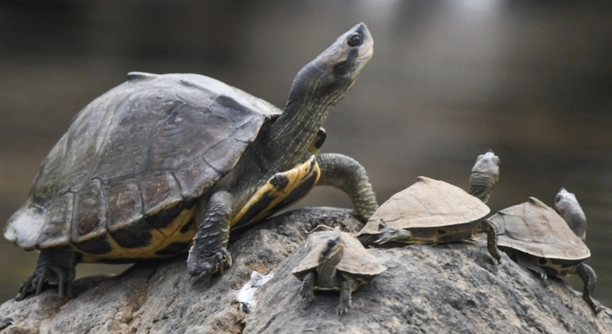
Indian Roofed Tortoises are unique creatures, and there’s a lot to learn about them. Their care and habits are important for anyone who owns one. This article will explore a common question regarding their behavior.
Yes, Indian Roofed Tortoises do shed their scutes, or the bony plates on their shells. Shedding is a natural process that helps them grow and maintain a healthy shell, typically occurring once or twice a year.
Understanding how and when shedding happens can help you keep your tortoise healthy and comfortable. This guide will cover important details about their shedding process and how to care for them during this time.
What Is Shedding in Indian Roofed Tortoises?
Shedding is a normal process in many reptiles, including the Indian Roofed Tortoise. Their scutes, which are the hard plates covering their shells, need to shed periodically for growth. Unlike snakes, which shed their entire skin at once, tortoises shed small portions of their shell over time. This natural process allows their shells to grow larger, ensuring they have enough space for their expanding bodies. When a tortoise sheds, it’s a sign that it’s growing and adapting to its environment.
Sometimes, the process can appear alarming because you might see pieces of the shell come off. However, this is entirely normal and should not be a cause for concern. It’s a slow and gradual process, usually happening a few times each year. The new scutes are softer at first but harden over time to provide protection.
During shedding, it’s essential to keep your tortoise’s environment clean and moist to avoid dryness and potential infections. Moisture helps soften the old scutes, making it easier for them to fall off naturally.
When Do Indian Roofed Tortoises Shed?
Indian Roofed Tortoises tend to shed in the warmer months, usually during the spring and summer. This aligns with their natural cycles of growth and environmental changes.
The amount of shedding varies from tortoise to tortoise. Some may shed just a few scutes, while others could shed more significantly. Regular observation is key to ensuring everything is progressing as it should. If the shedding doesn’t occur or appears irregular, it may indicate potential health issues. Be sure to monitor their environment, hydration levels, and diet to support healthy shell growth.
Signs Your Tortoise Is Shedding
When your tortoise sheds, you’ll notice old scutes loosening and falling off. It’s often followed by a period of soft, new scutes growing in. This process may be gradual and sometimes subtle, making it easy to miss if you’re not paying close attention.
The first sign is typically small, flaking pieces of the shell around their enclosure. Sometimes, the tortoise may appear to be more active as they try to help remove the old scutes. You might notice some redness or new, shiny areas of the shell as the new scutes begin to emerge. These changes are completely natural and indicate healthy shedding.
The process can sometimes seem slow, but it’s essential to give your tortoise time and space. Over-handling them during this period might cause unnecessary stress. If you observe any signs of infection or the shedding process seems irregular, it’s best to consult with a vet.
How to Care for Your Tortoise During Shedding
It’s important to create a suitable environment for your tortoise during shedding. Maintaining proper humidity helps keep the shell soft and makes it easier for the scutes to shed naturally. A dry environment can lead to retained scutes, which may cause discomfort or health issues.
Keep your tortoise’s habitat moist but not overly wet. A shallow water dish for soaking can also encourage hydration. Additionally, make sure your tortoise has access to plenty of space and warmth. Regularly cleaning the enclosure helps prevent bacteria buildup, which can lead to shell infections during the shedding process. Ensure that the lighting is optimal, as a good heat source will help with the natural shedding cycle.
Lastly, avoid interfering with the shedding process by trying to peel off old scutes manually. Let your tortoise shed naturally. Any issues with the shedding process should be discussed with a veterinarian.
Is Shedding Painful for Indian Roofed Tortoises?
Shedding is not painful for Indian Roofed Tortoises. It’s a natural process that occurs without causing distress. However, you may notice that they act a little differently during this time. It’s important to make sure they are comfortable and their environment is suitable.
While it might seem like the shedding process could cause discomfort, it typically does not. The scutes naturally loosen and fall off over time. Tortoises may move around more to help the process, but there is no indication that it causes pain. Providing a clean, moist environment can help make shedding easier.
If you notice unusual behavior like excessive scratching or bleeding, this could signal an infection or another issue. In such cases, it’s important to consult a veterinarian.
Common Problems During Shedding
Some common issues that may arise during shedding include retained scutes or infections. Retained scutes happen when pieces of the shell don’t fall off naturally. This can cause discomfort and may require intervention, such as gently soaking the tortoise to help loosen them.
Another issue is bacterial or fungal infections, which can occur if the shell becomes damaged during shedding. Keeping the environment clean and maintaining proper humidity is essential to prevent infections. If your tortoise seems to struggle with shedding, it’s best to seek advice from a vet to avoid complications.
Do Indian Roofed Tortoises Shed Their Skin?
Indian Roofed Tortoises don’t shed their skin like snakes or other reptiles. Instead, they shed their scutes, the bony plates on their shell. This shedding happens naturally as they grow and requires no special care beyond ensuring they have a proper environment.
FAQ
Do Indian Roofed Tortoises shed their entire shell?
No, Indian Roofed Tortoises do not shed their entire shell at once. Instead, they shed individual scutes, which are the bony plates that make up their shell. This process is gradual, and the tortoise will shed small portions over time. This is a natural part of their growth cycle, and it helps their shell expand and stay healthy.
How often do Indian Roofed Tortoises shed?
Indian Roofed Tortoises typically shed once or twice a year. The frequency of shedding can vary depending on factors such as age, growth rate, and environmental conditions. Younger tortoises may shed more often as they grow, while older tortoises may shed less frequently. Shedding usually occurs in the warmer months, like spring and summer.
What should I do if my tortoise’s scutes aren’t shedding?
If your tortoise’s scutes aren’t shedding naturally, there are a few things you can do. First, ensure that the humidity in the enclosure is adequate. Low humidity can cause scutes to become stuck. Soaking your tortoise in shallow, warm water may also help soften the old scutes, encouraging them to fall off. If this doesn’t work, or if the scutes are stuck for an extended period, consult a vet for further advice.
Is it normal for the shell to have rough patches during shedding?
Yes, it is normal for the shell to appear rough or uneven during shedding. As the scutes loosen and new ones grow in, the shell may look a little bumpy or uneven for a short period. This will smooth out once the new scutes harden. It’s important to keep an eye on your tortoise during this time to make sure there are no signs of infection or injury.
How can I tell if my tortoise is shedding properly?
A sign that your tortoise is shedding properly includes the gradual loss of small, individual scutes. You may notice bits of the shell coming off and sometimes even small shiny areas where the new scutes are emerging. This should happen without any redness, bleeding, or signs of distress. If the shedding process looks abnormal, such as scutes not coming off after several months, it could indicate a problem.
Can I help my tortoise shed its scutes?
It’s best to let your tortoise shed its scutes naturally. However, you can assist by providing the right environment. Ensure that the humidity is ideal, as low humidity can prevent the scutes from coming off properly. Soaking your tortoise in warm water may also help loosen the scutes. Avoid trying to pull the scutes off manually, as this can cause injury to the tortoise’s shell.
Should I be concerned if my tortoise sheds large pieces of its shell?
If your tortoise is shedding larger pieces of its shell, this is typically not a cause for concern as long as the shedding happens naturally and without injury. The shedding process can sometimes cause scutes to come off in larger pieces, especially if the tortoise has grown rapidly. Just make sure that no bleeding or infection is occurring, and monitor their condition closely. If you’re concerned, consult with a vet.
Is it normal for my tortoise to be more active during shedding?
Yes, it is common for tortoises to be a bit more active during the shedding process. They may move around more to help loosen the scutes. However, if you notice that your tortoise is excessively scratching or seems agitated, this could be a sign of discomfort or an underlying issue, such as an infection or irritation. Keep an eye on your tortoise’s behavior and make sure their environment is clean and comfortable.
How can I help my tortoise avoid shell infections during shedding?
To prevent shell infections during shedding, make sure that your tortoise’s habitat is kept clean and dry. Clean the enclosure regularly and make sure they have a space with appropriate humidity levels. Avoid letting the tortoise stay in water for too long, as this could lead to fungal growth. If you notice any signs of infection, such as redness, swelling, or an unpleasant odor, consult a vet for treatment.
Does shedding affect my tortoise’s diet?
Shedding doesn’t significantly affect your tortoise’s diet, but it’s important to make sure they’re getting the right nutrients during this time. A healthy, balanced diet is essential for growth and shell health. Focus on providing leafy greens, vegetables, and a small amount of fruit, as well as calcium and vitamin D3 supplements to help maintain shell strength. Proper hydration is also crucial to support healthy shedding.
Is it necessary to take my tortoise to the vet during shedding?
Most of the time, it’s not necessary to take your tortoise to the vet during shedding, as this is a natural process. However, if you notice any irregularities, such as scutes not coming off, redness, swelling, or signs of infection, a vet visit is recommended. It’s always better to be safe and ensure that your tortoise is healthy during this process.
Final Thoughts
Shedding is a completely natural part of an Indian Roofed Tortoise’s life cycle. It plays a crucial role in helping the tortoise grow, as their shells need to expand to accommodate their larger bodies. The shedding process can be slow and may happen a few times each year, typically in the warmer months. While shedding might seem a little alarming at first, it’s important to remember that this is an expected and healthy part of their development. As long as the tortoise is kept in the right environment, shedding should not cause any harm.
It’s also worth noting that while shedding is a normal process, there are things you can do to ensure your tortoise goes through it as comfortably as possible. Maintaining proper humidity in their enclosure is one of the most important factors. This will help the scutes soften and fall off naturally. Regular soaking in shallow water can also encourage the process and prevent the scutes from sticking. If your tortoise seems to be struggling, it’s best to offer them a clean, moist environment and avoid any unnecessary handling during this time. Let the process happen at its own pace, and try not to intervene too much.
In rare cases, if you notice signs of infection or difficulty shedding, it may be necessary to consult with a vet. Issues like retained scutes or infections should not be ignored, as they can cause discomfort or health problems if left untreated. Keeping a close eye on your tortoise’s shell and behavior during shedding will help you spot any potential issues early on. Overall, with the right care and attention, your Indian Roofed Tortoise should shed their scutes without any major problems.

Hello,
If you enjoy the content that we create, please consider saying a "Thank You!" by leaving a tip.
Every little bit helps us continue crafting quality advice that supports the health, happiness, and well-being of pets around the world, for pets of all shapes, sizes, and species.
We really appreciate the kindness and support that you show us!