
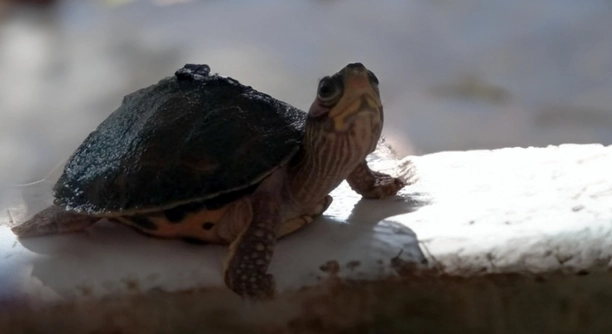
Indian Roofed Tortoises are fascinating creatures, and like many reptiles, they require special care to thrive. Proper hydration is key to keeping them healthy and happy. This article will explore how to ensure they stay hydrated.
Indian Roofed Tortoises need access to clean water to stay hydrated, but they do not require constant soaking like some other turtle species. They drink from shallow water sources and will benefit from regular misting to maintain moisture.
Maintaining proper hydration for your tortoise is essential for its well-being. In the following sections, we’ll discuss the best practices for keeping your tortoise properly hydrated.
Importance of Hydration for Indian Roofed Tortoises
Keeping your Indian Roofed Tortoise hydrated is one of the most important aspects of its care. Dehydration can lead to several health problems, such as kidney failure or poor digestion. Since these tortoises live in semi-arid environments, they don’t need as much water as aquatic species. However, they still require a consistent supply of water to drink, and their diet plays a significant role in keeping them hydrated. Water also helps with their overall digestion and energy levels.
Dehydration can cause lethargy and even more serious issues if not addressed quickly. It’s essential to make sure your tortoise has easy access to clean water.
Water is not just for drinking, though. Misting your tortoise’s environment helps increase humidity, making it easier for them to absorb moisture through their skin. This is particularly important in dryer climates. Make sure you also clean their water dish regularly to avoid bacteria growth. Proper hydration is key to their longevity and health.
Signs Your Tortoise Needs More Water
If your tortoise seems sluggish or has trouble eating, it might be an indication of dehydration. Dehydration can lead to the loss of appetite and energy. Additionally, if you notice your tortoise’s skin is dry or its eyes appear sunken, these can be signs that they need more moisture in their environment.
While these symptoms are common indicators, make sure to assess the overall setup of your tortoise’s habitat to rule out other issues. Keeping your pet in a dry, hot space can lead to dehydration, so ensuring an appropriate environment is key to overall health.
Monitoring their diet is also important. Vegetables like leafy greens have a high water content, helping with hydration. Some fruits, like watermelon, can also be added to their diet for extra moisture. A well-balanced diet alongside proper hydration will help prevent many of the dehydration-related problems.
Providing Water for Your Tortoise
Your Indian Roofed Tortoise needs access to water at all times. A shallow water dish placed within their enclosure is sufficient. It should be large enough for them to drink from comfortably but not so deep that they could accidentally drown.
Ensure the water dish is always clean and filled with fresh water. Tortoises tend to urinate in their water, so it’s crucial to change the water daily. If your tortoise drinks a lot, this will help maintain hydration levels. A good tip is to use a dish with low sides to make it easier for them to access.
Tortoises are not great swimmers, so never leave water deep enough for them to submerge. Their drinking habits are simple, but providing them with fresh, clean water is essential for good health. You can also add a small rock or stone in the dish to prevent tipping.
Misting to Maintain Humidity
Misting your tortoise’s enclosure is a simple but effective way to keep the humidity levels in check. A gentle spray of water helps provide additional moisture for your tortoise. This can also help them absorb some moisture through their skin, especially during dry seasons.
It’s important to mist only when necessary. Over-misting can lead to excess moisture, which might encourage mold or bacteria growth. Aim for light, regular misting during the day. You should also monitor the humidity levels in the habitat using a hygrometer, making adjustments as needed.
Humidity plays an essential role in digestion and overall health. A well-balanced environment, with the right level of humidity and access to clean water, will keep your tortoise happy and hydrated.
Feeding Hydrating Foods
Certain foods can also help keep your tortoise hydrated. Leafy greens like kale, collard greens, and dandelion greens are high in water content. Including these in their daily diet helps support their hydration levels.
In addition to leafy greens, fruits like watermelon and cantaloupe offer extra moisture. However, fruit should be given sparingly as it is high in sugar. Offering a balance of both hydrating veggies and limited fruits can provide the moisture your tortoise needs without overloading them with sugar.
A varied diet filled with water-rich foods supports hydration and provides the nutrients your tortoise needs for healthy growth. The right mix of greens and occasional fruits will keep your tortoise nourished and hydrated.
Offering a Shallow Water Source
Always make sure your tortoise has access to a shallow water source. This allows them to drink at their own pace without the risk of drowning.
A shallow dish also gives them the opportunity to soak if they wish. It’s important to place the dish in a spot where your tortoise feels comfortable, preferably in a warm area. Soaking helps with hydration and can promote healthy digestion.
FAQ
How often should I change my tortoise’s water?
It’s important to change your tortoise’s water daily. This prevents the buildup of bacteria and keeps the water fresh. Tortoises tend to urinate in their water, so a regular water change is necessary to maintain a clean environment. If your tortoise drinks a lot, you might need to change it more than once a day. Keeping the water clean ensures your tortoise stays hydrated and avoids any health issues.
Can I use tap water for my tortoise?
Yes, you can use tap water, but it’s best to let it sit for a few hours before offering it to your tortoise. Tap water often contains chlorine, which can be harmful to reptiles. Letting the water sit will allow the chlorine to dissipate. If you live in an area with particularly hard water or high chemical levels, consider using filtered water instead.
Is it necessary to mist my tortoise’s enclosure?
Misting your tortoise’s enclosure is not strictly necessary, but it is highly beneficial. Misting helps maintain humidity, which is important for hydration, digestion, and skin health. However, be careful not to over-mist. Too much moisture can encourage mold or bacteria growth. Light, occasional misting will help keep the humidity at optimal levels.
Can tortoises drink from a water bowl or do they prefer soaking?
Indian Roofed Tortoises typically prefer to drink from a shallow water bowl rather than soaking themselves. However, they may occasionally choose to soak in the water if they feel the need for extra hydration. It’s important to offer both options, providing a shallow water dish for drinking and a larger shallow area for soaking if they wish.
How can I tell if my tortoise is dehydrated?
Signs of dehydration in a tortoise include sunken eyes, dry skin, and lethargy. If your tortoise is not eating or seems unusually sluggish, it could be a sign that they are not hydrated properly. You may also notice your tortoise drinking more water than usual or having trouble passing stools. If you suspect dehydration, increase the moisture in its environment and offer more hydrating foods.
Can I use a humidifier for my tortoise’s habitat?
Using a humidifier can be a great way to regulate the humidity in your tortoise’s enclosure, especially in dry environments. It helps maintain the necessary moisture levels for hydration and skin health. However, it’s essential to monitor the humidity levels to ensure it does not become too high, as excess moisture can lead to mold and other health concerns.
Is soaking my tortoise in water safe?
Soaking your tortoise in shallow, lukewarm water for short periods is safe and can be beneficial for hydration. This helps them absorb water through their skin and can also aid in digestion. However, never leave your tortoise in water unsupervised, and avoid soaking them in deep water, as they are not strong swimmers.
Should I add any supplements to my tortoise’s water?
Generally, adding supplements to your tortoise’s water is not necessary unless specifically advised by a vet. Tortoises obtain most of their required nutrients from their diet, including calcium and vitamins. If your vet recommends a supplement, it’s best to follow their advice and make sure the supplement is appropriate for your species of tortoise.
Can I give my tortoise water with electrolytes?
It’s best to avoid adding electrolytes to your tortoise’s water unless it is specifically recommended by a veterinarian. While electrolytes can be useful for certain animals in distress, they may not be suitable for tortoises under normal conditions. Always check with your vet before making any changes to your tortoise’s hydration plan.
What is the best type of water bowl for my tortoise?
A shallow, sturdy water dish is best for your tortoise. It should be wide enough for them to drink comfortably but not so deep that they could accidentally fall into it. Ceramic or heavy plastic dishes work well, as they are less likely to tip over. Avoid metal bowls, as they can rust and be harmful to your tortoise.
Can I use a sponge in my tortoise’s water bowl for hydration?
It’s not recommended to use a sponge in your tortoise’s water bowl. Sponges can trap bacteria and make it harder to clean the water. It’s best to use a plain, shallow dish that can be easily cleaned and refilled with fresh water daily.
What do I do if my tortoise refuses to drink water?
If your tortoise refuses to drink, first make sure that the water is clean and at the right temperature. Some tortoises are hesitant to drink if the water is too cold or too warm. Offering water from a different source or lightly misting them may encourage them to drink. If your tortoise still refuses to drink, it could be a sign of a health issue, and you should consult a vet.
How much water does an Indian Roofed Tortoise need daily?
Indian Roofed Tortoises don’t drink large amounts of water every day, but they need access to it at all times. Generally, they will drink small amounts throughout the day. Providing a shallow water dish with fresh water allows them to drink whenever they’re thirsty. The key is consistency and making sure they always have fresh, clean water available.
Final Thoughts
Hydration is an essential part of caring for your Indian Roofed Tortoise. While they don’t need large amounts of water like some other reptiles, it’s still crucial to ensure they have access to fresh, clean water at all times. A shallow water dish is sufficient for drinking, and adding misting to their habitat can help maintain the right humidity levels. Both methods, along with offering water-rich foods, ensure your tortoise stays properly hydrated and healthy.
Remember that dehydration can cause a range of health issues for your tortoise, from lethargy to kidney problems. Keeping an eye on their water intake, checking for signs of dehydration, and maintaining a consistent hydration routine will help prevent these issues. It’s also important to provide a suitable environment for your tortoise, where the humidity and temperature levels are balanced for their needs. A well-maintained habitat supports not only hydration but also the overall well-being of your tortoise.
Caring for your tortoise’s hydration doesn’t have to be complicated. With simple steps like offering fresh water daily, misting the enclosure, and feeding hydrating vegetables, you can easily meet their needs. The key is consistency, observation, and making sure your tortoise has access to water and moisture whenever they need it. By following these practices, you can help your Indian Roofed Tortoise thrive and live a healthy, happy life.

Hello,
If you enjoy the content that we create, please consider saying a "Thank You!" by leaving a tip.
Every little bit helps us continue crafting quality advice that supports the health, happiness, and well-being of pets around the world, for pets of all shapes, sizes, and species.
We really appreciate the kindness and support that you show us!