
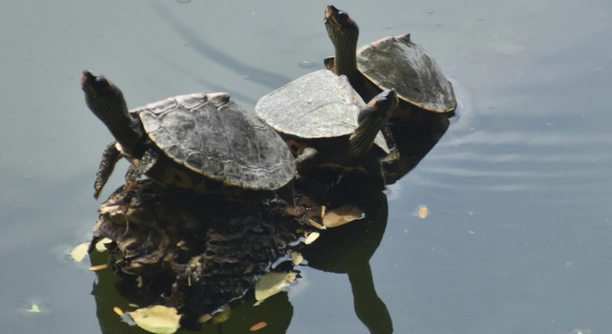
Do you ever wonder if your Indian roofed tortoise feels lonely or needs a companion to stay happy? Understanding their social needs is important for ensuring their well-being and creating the best environment for them to thrive.
Indian roofed tortoises are naturally solitary and do not require a companion. While they can tolerate other tortoises, they do not seek social interaction. Keeping multiple tortoises together may lead to competition for resources and potential stress-related behaviors.
Keeping a single tortoise has its benefits, but some owners may still consider housing more than one. Knowing the pros and cons can help you make the best decision for your pet’s health and happiness.
Pros of Keeping an Indian Roofed Tortoise Alone
Indian roofed tortoises thrive in solitary environments. Keeping one tortoise means less competition for food, basking spots, and hiding areas. This reduces stress and ensures they get the necessary nutrients and warmth without interference. A single tortoise is easier to monitor for health issues, as you can quickly detect changes in behavior, appetite, or shell condition. Additionally, keeping one tortoise requires less space and maintenance compared to housing multiple ones. You can focus on providing a high-quality habitat without worrying about territorial disputes.
A single tortoise will not feel lonely since they are naturally independent. They do not rely on social interaction for mental stimulation like some animals do.
Providing a well-maintained enclosure, a balanced diet, and enrichment activities will keep your tortoise active and engaged. A stress-free environment ensures a healthier, longer life, making solitary living a suitable option for most owners.
Cons of Keeping an Indian Roofed Tortoise Alone
Some owners enjoy watching their tortoises interact, which is not possible when keeping only one.
Housing multiple tortoises allows for natural behaviors such as following each other and exploring together. However, this setup requires more space and careful monitoring. If tortoises of different sizes or temperaments are kept together, dominance issues may arise. A larger tortoise might outcompete a smaller one for food, causing stress and malnutrition. Even tortoises of the same size can become territorial, leading to biting or pushing. If aggression occurs, they must be separated, which means additional enclosures and expenses.
Keeping multiple tortoises also requires extra time for cleaning and care. More waste accumulates, and ensuring all tortoises get proper nutrition takes effort. If one tortoise falls ill, diseases can spread quickly in shared spaces. While some owners find companionship between tortoises rewarding, the additional responsibilities should be considered before making a decision.
Signs of Stress in a Solitary Indian Roofed Tortoise
A stressed tortoise may become less active, hide for long periods, or lose interest in food. Irregular basking habits and shell discoloration can also indicate stress. Observing these behaviors helps determine if their environment needs adjustments.
An improper enclosure can contribute to stress. If the habitat is too small, lacks hiding spots, or has incorrect temperature and humidity levels, the tortoise may become anxious. Loud noises or frequent handling can also cause distress. Providing a spacious enclosure with proper lighting, a warm basking area, and fresh water ensures their comfort. A well-balanced diet with calcium and vitamin supplements prevents health issues linked to stress.
Tortoises need enrichment to stay active. Adding rocks, logs, and plants encourages exploration. Rotating decorations or offering occasional treats like leafy greens keeps them engaged. Small environmental changes can make a big difference in their overall well-being.
How to Keep a Solitary Indian Roofed Tortoise Happy
A well-maintained habitat is essential. A spacious enclosure with a variety of textures, such as soil and flat stones, mimics their natural environment. A large water dish for soaking and proper humidity levels prevent dehydration and shell problems. Consistent temperatures help them regulate their body functions effectively.
Diet plays a significant role in their health. Feeding them dark leafy greens, vegetables, and occasional fruits ensures balanced nutrition. Calcium and vitamin D3 supplements are necessary for strong shells and bone development. Fresh water should always be available to prevent dehydration. Hand-feeding or placing food in different areas encourages natural foraging behavior, keeping them active.
A predictable routine reduces stress. Regular feeding times and a consistent light-dark cycle create stability. Limiting excessive handling helps them feel secure. Observing their behavior daily ensures early detection of any health concerns. A stress-free environment leads to a healthier, more content tortoise.
When to Consider Adding Another Tortoise
If the enclosure is large enough and has multiple basking and hiding spots, housing more than one tortoise may be possible. However, each tortoise should have its own space to prevent competition and stress. Close monitoring is necessary to ensure they coexist peacefully.
Signs of aggression, such as biting, chasing, or excessive shell ramming, indicate that separation is needed. Even tortoises that tolerate each other initially may develop territorial behaviors over time. Having a backup enclosure ready ensures that any conflicts can be managed without causing long-term stress to either tortoise.
Choosing the Right Companion
If adding another tortoise, choosing one of a similar size and age helps prevent dominance issues. Tortoises with different energy levels or feeding habits may not adapt well to sharing a space. A gradual introduction process allows them to adjust without unnecessary stress.
Final Thoughts
Observing your tortoise’s behavior and adjusting its environment accordingly ensures a happy and healthy life. Whether keeping one tortoise or multiple, proper care, nutrition, and a well-maintained habitat are essential for their well-being.
FAQ
Do Indian roofed tortoises need a companion?
Indian roofed tortoises are solitary animals by nature and do not require a companion. While they can tolerate the presence of other tortoises, they generally prefer their own space. In the wild, they do not seek out companionship and can become stressed when forced to live with others. The best approach is to house them alone to minimize stress and ensure they thrive.
Can I keep two Indian roofed tortoises together?
It is possible to keep two Indian roofed tortoises together, but it comes with risks. They can become territorial, leading to aggression, such as chasing or biting. If you choose to keep them together, ensure the enclosure is large enough to provide each tortoise with its own space. Close monitoring is essential, as conflicts can arise at any time.
What size enclosure do I need for a single tortoise?
A single Indian roofed tortoise needs at least a 40-gallon tank for a small tortoise, but larger enclosures are better. For an adult tortoise, a space of 75 to 100 gallons is recommended. Larger enclosures allow for more natural behaviors like exploring and basking. Providing plenty of room for them to move around and hide is essential for their well-being.
Can I house my tortoise with other reptiles?
It’s not recommended to house your Indian roofed tortoise with other reptile species. Different species have varying needs in terms of temperature, humidity, and diet. Keeping them together could lead to stress, territorial behavior, and disease transmission. It’s best to stick to housing tortoises with other tortoises of the same species.
What temperature should I maintain in my tortoise’s enclosure?
Indian roofed tortoises thrive in temperatures ranging from 75°F to 85°F during the day, with a basking spot that reaches up to 90°F. At night, the temperature can drop to around 70°F. It’s important to have both a warm basking area and a cooler section in the enclosure, allowing your tortoise to regulate its body temperature.
What should I feed my Indian roofed tortoise?
Indian roofed tortoises are herbivores. Their diet should consist mainly of leafy greens like dandelion greens, collard greens, and mustard greens. Occasional treats like fruit can be given, but only in moderation. Providing calcium-rich foods, such as clover and kale, helps with shell health. Always offer fresh water in a shallow dish for soaking and drinking.
How often should I feed my Indian roofed tortoise?
Young tortoises need to be fed every day, while adults can be fed every other day. Offer fresh vegetables daily, and make sure your tortoise has access to clean, fresh water at all times. Overfeeding can lead to obesity, so it’s important to monitor your tortoise’s weight and food intake carefully.
How can I tell if my tortoise is stressed?
Signs of stress in a tortoise include reduced activity, loss of appetite, excessive hiding, or abnormal shell behavior. They may also show aggression or become more reclusive. If your tortoise exhibits these signs, check for environmental factors such as incorrect temperature, humidity, or overcrowding in the enclosure. Stress can lead to long-term health issues, so addressing the cause is important.
Do Indian roofed tortoises hibernate?
Indian roofed tortoises do not hibernate in the traditional sense. However, they may enter a period of dormancy during the cooler months if temperatures drop significantly. This typically occurs in the wild, but in captivity, they may remain active if the enclosure is kept at a consistent temperature. Ensure your tortoise has a warm environment year-round to avoid health complications.
Can I handle my Indian roofed tortoise?
It’s best to limit handling, as excessive interaction can cause stress. Indian roofed tortoises are not as social as some other pets and may become anxious with too much handling. When you do handle your tortoise, ensure it’s done gently and briefly, allowing them to feel secure. Avoid picking them up by the shell, as this can cause injury.
What type of lighting does my tortoise need?
Indian roofed tortoises need both UVB and UVA lighting. UVB light is essential for synthesizing vitamin D3, which helps them absorb calcium. A full-spectrum UVB bulb should be used for 10 to 12 hours a day. UVA lighting encourages natural behaviors, such as basking and feeding. Place the light source within the recommended distance to ensure proper exposure.
How can I keep my tortoise’s shell healthy?
Maintaining a healthy shell involves providing proper nutrition, including a balanced diet rich in calcium and vitamin D3. Regular access to UVB light helps with calcium absorption. Keep the enclosure clean and dry to avoid shell rot, and regularly inspect the shell for any signs of damage or infection. Shells should be smooth and firm; any soft spots or deformities may indicate health issues.
Can my tortoise live outside?
Yes, Indian roofed tortoises can live outside in suitable climates. They need a secure, enclosed area where they can bask in the sun and find shade when necessary. Ensure the outdoor environment is safe from predators and provides a variety of hiding spots. However, if you live in an area with extreme weather, keeping them indoors is better to regulate their environment.
How often should I clean my tortoise’s enclosure?
The enclosure should be cleaned regularly to prevent the buildup of waste and bacteria. Remove uneaten food daily, and clean the water dish every few days. Once a week, perform a more thorough cleaning by removing substrate, washing down surfaces, and replacing the bedding. Keeping the enclosure clean helps prevent health issues and keeps your tortoise comfortable.
What kind of substrate should I use for my tortoise?
A suitable substrate for Indian roofed tortoises includes coconut coir, aspen shavings, or a mix of soil and sand. These materials retain moisture and are easy to clean. Avoid using cedar or pine shavings, as they can release harmful oils that may irritate your tortoise’s skin and respiratory system. Make sure the substrate is deep enough to allow digging and burrowing.
Final Thoughts
When considering whether an Indian roofed tortoise needs a companion, it’s important to remember that these tortoises are solitary creatures. While they can coexist with others, they don’t require companionship to thrive. Each tortoise has its own preferences, and many do better living alone. Stress can result from overcrowding or being housed with another tortoise, especially in smaller enclosures. Therefore, it’s crucial to provide enough space for each tortoise to roam freely and claim its own area within the habitat. This reduces the chances of territorial disputes and ensures that your tortoise can live comfortably.
Providing the best environment for your tortoise includes more than just deciding on companions. Proper diet, lighting, temperature, and enclosure size all play a significant role in the well-being of an Indian roofed tortoise. They require a diet rich in leafy greens and occasional fruits, fresh water, and access to UVB light to help maintain healthy bones and a strong immune system. Enclosure temperature should be kept consistent to match the natural conditions they are accustomed to. A well-maintained habitat with all these factors in mind will ensure that your tortoise lives a long, healthy life.
In conclusion, whether or not to house an Indian roofed tortoise with a companion is ultimately a personal decision, but it is not necessary for their well-being. If you choose to keep two tortoises together, be prepared to monitor their interactions closely and provide ample space. However, many tortoises live perfectly content lives when housed alone. It’s also essential to remember that the health of the tortoise relies heavily on proper care, including a suitable environment, the right food, and minimal stress. By providing these elements, you can ensure that your tortoise enjoys a happy and fulfilling life.

Hello,
If you enjoy the content that we create, please consider saying a "Thank You!" by leaving a tip.
Every little bit helps us continue crafting quality advice that supports the health, happiness, and well-being of pets around the world, for pets of all shapes, sizes, and species.
We really appreciate the kindness and support that you show us!