
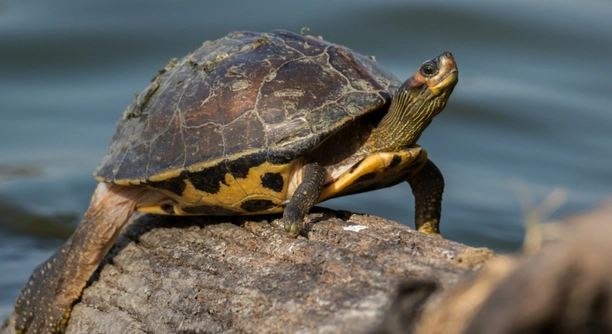
Indian Roofed Tortoises are known for their calm nature, making them a popular choice among pet owners. While they do enjoy a safe and quiet environment, their response to touch can vary, depending on their comfort level.
Indian Roofed Tortoises may tolerate being touched but generally prefer to be left undisturbed. They are not as affectionate as some other pets and may withdraw if they feel threatened or stressed by human contact.
Understanding the proper way to interact with your tortoise can help you provide a better experience for both of you. This article will provide helpful insights on handling your tortoise in a way that ensures their well-being.
Do Indian Roofed Tortoises Enjoy Being Handled?
Indian Roofed Tortoises, like many reptiles, do not seek human interaction as a sign of affection. While they may allow handling, they do not actively crave it. If you force the interaction, it could stress the tortoise and cause discomfort. It’s essential to let them approach you on their own terms. Over time, they may become more accustomed to your presence and handling, but it’s vital to observe their body language to ensure they’re not feeling threatened. Their temperament can be passive, but respecting their space is key to a positive interaction.
Handling your tortoise should be done gently and with care. Their small size and delicate shells require soft, supportive contact. Frequent handling can stress them, and this can impact their health.
In short, these tortoises don’t naturally seek out human touch. Patience is needed. Always be sure to monitor your pet’s behavior and adjust your interactions accordingly to ensure they feel comfortable and safe.
Signs of Stress in Indian Roofed Tortoises
If your tortoise withdraws or tries to escape when touched, it could be a sign of stress.
Stress in Indian Roofed Tortoises often results from forced interaction, environmental changes, or discomfort. It is common for them to retract into their shells when feeling anxious or unsafe. If you notice this behavior, it’s best to give your tortoise time and space to settle. Other signs of stress include lack of appetite, unusual lethargy, and excessive hiding. These can indicate your tortoise needs a more peaceful environment or less handling.
Understanding these stress signals will help ensure your tortoise’s well-being. You can create a more comfortable space for them, reducing anxiety and allowing them to feel secure. Knowing when to back off can lead to a healthier, happier pet.
Why Touching Your Indian Roofed Tortoise Too Much Can Be Harmful
Indian Roofed Tortoises may not show signs of affection in the way other pets do, making frequent touching potentially harmful. Excessive handling can cause them stress, which can lead to health problems. Stress may cause a lack of appetite, changes in behavior, and even long-term issues with their immune system. Constant handling can disrupt their natural rhythm and increase their anxiety, making them more likely to retreat into their shells. This behavior may become a coping mechanism, causing them to withdraw further, affecting their physical and mental health.
Repeated handling can also impact the tortoise’s shell and skin. The natural oils and textures of their shells protect them, and overhandling can strip them of these essential layers. This can lead to dryness, cracking, or other skin conditions. Tortoises rely on their shells for protection and comfort, so any damage can have long-lasting consequences. When your tortoise is overly touched, it’s important to observe how their shell responds. If their behavior changes, it’s best to reduce interaction for a period of time to allow them to rest and recover.
If you must touch your Indian Roofed Tortoise, make sure to do it gently and with purpose. Never force them into contact, and always monitor their reactions. It’s crucial to let them explore their surroundings at their own pace. Keeping handling sessions short and occasional will help your tortoise maintain its natural behaviors and health. Remember, respect their boundaries and give them time to feel safe again.
How to Handle Your Indian Roofed Tortoise Properly
When handling your Indian Roofed Tortoise, it’s essential to ensure their comfort and safety. Support their entire body, lifting them gently by both sides of their shell. Never grab them by their limbs or tail, as this can cause discomfort or even injury. Hold them steadily but avoid tight grips that can make them feel trapped. If they seem unsettled, put them back in their habitat and try again later.
Make sure that the environment you’re handling them in is secure. A quiet, calm area with minimal distractions is ideal for their safety. Placing them on a flat, soft surface can prevent injury if they attempt to escape or fall. Always keep an eye on them, as they may attempt to crawl away, especially if they feel uneasy. Their natural instinct is to seek shelter, and they will often retract into their shell if they feel threatened.
Handling your tortoise with care helps to build trust over time. However, it’s essential to remember that they are not social creatures and don’t need constant interaction. They are more comfortable when they have the freedom to roam and explore on their own. If you want to encourage a connection with your tortoise, allow them to become accustomed to your presence first. Let them approach you when they feel ready, and ensure you never force them into physical contact.
Signs That Your Indian Roofed Tortoise is Comfortable with You
One sign that your tortoise is comfortable with you is if they come towards you when you approach their enclosure. This behavior shows they are familiar with you and feel safe in your presence. If your tortoise consistently moves toward you, it indicates trust and curiosity. They may not seek affection directly but will show interest in exploring their environment, which may include getting closer to you.
When your tortoise starts to explore your hands or shows no immediate signs of stress when touched, it can mean they’re becoming more comfortable. However, always be mindful of their behavior. If they pull away or retreat into their shell, it’s a signal to give them more space. A calm, relaxed tortoise will appear more active, as they feel safe and secure in their environment. Their movement patterns may become less hesitant and more purposeful.
It’s important to recognize that every tortoise has its unique temperament. Some may take longer to get comfortable with human interaction, while others might adjust more quickly. Allowing your tortoise to take the lead in these situations will help you understand their limits and build a positive relationship with them. Patience is key, and over time, your Indian Roofed Tortoise may become more open to occasional handling, showing trust in you and their environment.
How to Create a Comfortable Habitat for Your Indian Roofed Tortoise
A comfortable habitat is key to your tortoise’s well-being. Provide a spacious enclosure with a soft substrate for burrowing and exploring. Make sure they have access to fresh water and food at all times. Temperature regulation is crucial, as Indian Roofed Tortoises require warmth to stay active and healthy.
The enclosure should have both warm and cool areas, allowing your tortoise to regulate its body temperature. Ensure that the warm spot is around 90°F, while the cooler area can be around 75°F. This will help prevent stress and encourage natural behaviors like eating and moving around.
How to Handle Your Indian Roofed Tortoise Safely
Handling your tortoise requires care. Always support its body properly, especially the shell, to prevent injury. Use both hands to lift them gently, never grabbing their limbs or tail. Keep the handling time short, as too much contact can stress them out. Be sure to handle your tortoise with a calm demeanor.
Take care not to squeeze or hold them too tightly. A relaxed grip helps them feel secure and minimizes the risk of injury. After handling, always return your tortoise to its enclosure and give them time to settle.
Feeding Your Indian Roofed Tortoise
Feed your tortoise a variety of fresh greens, vegetables, and some fruits. Avoid feeding them high-protein foods or items that are too rich in fats. A balanced diet helps support their growth and overall health. Be mindful of portion sizes, as overfeeding can lead to obesity and shell deformities.
FAQ
Do Indian Roofed Tortoises like to interact with humans?
Indian Roofed Tortoises are not particularly social animals. While they may tolerate human interaction, they do not actively seek out affection or attention. They tend to be more comfortable when left to explore their environment at their own pace. Overhandling can cause them stress, so it’s important to let them approach you when they feel safe.
How often should I handle my Indian Roofed Tortoise?
It’s best to limit handling to occasional sessions. Handling them too frequently can cause stress and discomfort. Keep interactions short, no more than 10-15 minutes at a time. Allow them time to rest and roam freely after being handled. This balance helps maintain their well-being without overwhelming them.
What is the ideal temperature for an Indian Roofed Tortoise?
Indian Roofed Tortoises need a warm environment to thrive. The warm side of their enclosure should be around 90°F, while the cooler side should be between 75-80°F. This temperature gradient allows them to regulate their body temperature. Providing a proper heat source, like a basking light, is essential for their digestion and overall health.
Can I feed my Indian Roofed Tortoise fruit?
Yes, you can feed your tortoise some fruits, but only occasionally. Fruits should make up a small portion of their diet due to their high sugar content. Safe options include strawberries, papaya, and melon. Always remove any seeds or pits to avoid choking hazards, and feed in moderation.
What do Indian Roofed Tortoises eat?
Indian Roofed Tortoises are primarily herbivores, and their diet should consist mostly of fresh greens like dandelion leaves, collard greens, and kale. You can also offer them vegetables like squash, carrots, and bell peppers. Occasionally, you can introduce small amounts of fruit and edible flowers. Variety is key to a balanced diet.
How can I tell if my Indian Roofed Tortoise is stressed?
Signs of stress in your tortoise include hiding, refusing to eat, or excessive lethargy. If they retreat into their shell more frequently or show signs of aggression when handled, it could indicate they’re feeling unsafe or uncomfortable. Monitoring their behavior closely can help prevent long-term stress issues.
Is it safe to let my Indian Roofed Tortoise roam outside?
It can be safe for your tortoise to roam outside, but only if the environment is secure and free from predators. Ensure that the outdoor area is escape-proof and that the temperature is within the appropriate range. Supervise their time outdoors to prevent accidents, and make sure they can return to their indoor habitat if needed.
How big do Indian Roofed Tortoises grow?
Indian Roofed Tortoises can grow to a length of 12 to 14 inches and weigh up to 10-12 pounds. Males are typically smaller than females, and growth can be influenced by diet and environmental factors. Providing ample space for them to move around will support their natural growth.
Can Indian Roofed Tortoises live with other pets?
Indian Roofed Tortoises should be housed alone or with other tortoises of the same species. Mixing species can lead to territorial behavior or health risks. If you have other pets, like dogs or cats, it’s crucial to supervise any interactions, as they may unintentionally harm your tortoise.
How do I know if my Indian Roofed Tortoise is healthy?
A healthy Indian Roofed Tortoise is active, eats regularly, and maintains a smooth, firm shell. Check for any signs of shell damage, respiratory issues, or unusual lethargy. Regular vet check-ups will help ensure your tortoise stays healthy and is free of parasites or infections.
Can I keep an Indian Roofed Tortoise in a tank?
While it’s possible to keep your tortoise in a tank, it’s not the ideal setup. Tanks can be too small and offer limited space for movement. A spacious enclosure with access to natural light and enough space for your tortoise to roam will be much better for their health and well-being.
What type of substrate should I use for my Indian Roofed Tortoise?
Use a substrate that mimics their natural habitat, such as coconut coir or a mix of soil and sand. These substrates help maintain proper humidity and allow your tortoise to burrow. Avoid using materials like gravel or cedar chips, as they can be harmful to your tortoise’s health.
How can I tell if my Indian Roofed Tortoise is dehydrated?
Dehydration in tortoises can cause them to become lethargic and refuse food. You may notice their skin appearing wrinkled or dry, and they may not be as active as usual. Providing fresh water daily and soaking them occasionally in shallow, lukewarm water can help prevent dehydration.
How long do Indian Roofed Tortoises live?
Indian Roofed Tortoises have a long lifespan and can live for 50 years or more in captivity, provided they are given proper care. Ensuring they have a balanced diet, adequate space, and proper temperature will help them live a long and healthy life.
Do Indian Roofed Tortoises need UVB light?
Yes, Indian Roofed Tortoises require UVB light to help them synthesize vitamin D3, which is essential for calcium absorption. Without proper UVB lighting, they may develop shell deformities or metabolic bone disease. Make sure to provide UVB lighting for 10-12 hours a day, and replace bulbs regularly.
What size enclosure does an Indian Roofed Tortoise need?
The minimum size for an Indian Roofed Tortoise’s enclosure should be 4×8 feet, depending on the size of the tortoise. The more space you provide, the better, as it allows your tortoise to explore and exercise. A larger area also helps reduce stress and encourages more natural behaviors.
Is it necessary to provide hiding places for my Indian Roofed Tortoise?
Yes, providing hiding spots is essential for your tortoise’s mental well-being. Hiding spots give them a safe place to retreat when they feel threatened or need to rest. You can use rocks, plants, or commercial tortoise hides to create these areas in their enclosure.
How can I prevent shell rot in my Indian Roofed Tortoise?
To prevent shell rot, ensure your tortoise’s enclosure is dry and well-ventilated. Humidity levels should be monitored carefully, as excess moisture can lead to fungal or bacterial infections. Regularly inspect your tortoise’s shell for any signs of damage or rot, and seek veterinary help if necessary.
Final Thoughts
Indian Roofed Tortoises are unique creatures with specific care needs that should be understood before bringing them into your home. They are not particularly social animals and prefer to be left alone most of the time. While they can tolerate human interaction, excessive handling can cause them stress. Their environment should be kept warm with a proper temperature gradient to ensure they are comfortable. Providing a varied diet of fresh greens, occasional fruits, and a secure space to roam will help keep them healthy and happy.
These tortoises are relatively low-maintenance pets, but they do require commitment. It’s important to remember that they live for many decades, so owning one means offering care and attention for a long period. They can live up to 50 years or more in the right conditions, making them a long-term companion. Proper shelter, including adequate space, UVB lighting, and a safe environment, is essential for their well-being. By ensuring they have the proper care, they will thrive and become a rewarding pet to have.
Taking time to understand the needs of an Indian Roofed Tortoise ensures both you and your pet have a happy experience. Regular check-ups with a vet, a well-maintained enclosure, and a balanced diet are key to ensuring their health. While they may not seek out affection, these tortoises can live long, healthy lives with the right care. By respecting their space and needs, they can be a peaceful, low-maintenance addition to your home.

Hello,
If you enjoy the content that we create, please consider saying a "Thank You!" by leaving a tip.
Every little bit helps us continue crafting quality advice that supports the health, happiness, and well-being of pets around the world, for pets of all shapes, sizes, and species.
We really appreciate the kindness and support that you show us!