
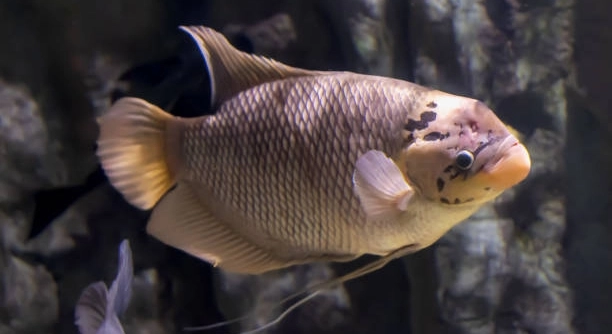
Gouramis are popular freshwater fish that many hobbyists enjoy keeping. Their vibrant colors and gentle nature make them a favorite for home aquariums. Proper care is essential to ensure they thrive and remain healthy over time.
Gouramis show measurable preference for larger tank sizes, exhibiting more natural behavior, reduced stress, and increased activity when provided with ample swimming space. Smaller tanks can limit their movement and impact overall well-being.
Understanding their needs can help improve their quality of life and create a more balanced and comfortable environment for your fish.
The Ideal Tank Size for Gouramis
Choosing the right tank size is one of the most important steps for keeping gouramis healthy. Most gouramis need at least 20 gallons of water to swim freely and display natural behavior. Smaller tanks can make them stressed, which may lead to aggression or illness. The tank should also have hiding spots like plants or decorations to help them feel secure. While males are often more territorial, both genders benefit from space that allows them to explore without constant confrontation. Water quality is equally important—larger tanks maintain more stable conditions, making it easier to keep temperature and pH levels consistent. Filtration, regular water changes, and avoiding overcrowding all contribute to a comfortable environment. Observing their activity can help you gauge whether your tank meets their needs. A relaxed, active gourami indicates the space and environment are suitable, while lethargy or constant hiding signals that adjustments may be necessary.
Larger tanks allow gouramis to establish territories and interact naturally, which reduces stress and promotes healthier social behavior.
Having enough space not only keeps your gouramis physically active but also supports their mental well-being. A well-sized tank encourages natural swimming patterns, feeding habits, and social interactions, ultimately creating a more balanced and harmonious aquarium environment.
Adjusting Your Aquarium Setup
Tank decorations and plants can make even moderate-sized tanks feel larger.
When arranging your aquarium, consider placing plants and ornaments to create separate zones. Gouramis like areas for hiding, resting, and exploring. Floating plants can provide cover near the surface, while dense foliage at the bottom offers security. Avoid overcrowding with too many decorations, as this can restrict movement and cause stress. Open swimming areas should remain accessible for active exploration and exercise. Monitoring water flow and filtration is essential, as gouramis prefer gentle currents that mimic their natural habitats. Lighting should be moderate, giving them periods of light and darkness to support natural rhythms. Regular observation helps you notice changes in behavior, such as aggression or lethargy, which may indicate that adjustments are needed. Balancing decorations, plants, and open space ensures that gouramis feel comfortable and maintain healthy behavior patterns. Creating a thoughtful setup benefits both the fish and the aquarium’s overall appearance, making it a more pleasant space to maintain and enjoy.
Feeding and Space Considerations
Overcrowded tanks can affect how gouramis eat, causing competition and stress. Proper spacing ensures all fish get enough food without aggression.
When gouramis have enough room, feeding becomes calmer and more effective. Each fish can approach food without fear of being chased away, which helps maintain consistent growth and health. Overcrowding often leads to dominant fish taking most of the food, leaving weaker ones undernourished. Larger tanks allow for multiple feeding spots and scattered portions, mimicking natural foraging behavior. Observing feeding patterns can help identify if any adjustments are needed in food quantity or placement. A balanced approach supports both physical and mental well-being.
Feeding habits also influence water quality. Uneaten food in crowded tanks can quickly decay, increasing ammonia and nitrate levels. Adequate space reduces waste accumulation, helps maintain cleaner water, and makes it easier to manage the tank. With enough room, gouramis can display natural behaviors while eating, encouraging more active and healthier fish. This also allows for more accurate monitoring of each fish’s appetite and overall condition.
Social Behavior and Territory
Gouramis establish territories, and tank size directly affects their interactions. Crowded spaces increase aggression and stress among fish.
In larger tanks, gouramis can define personal zones without constant confrontation. Males tend to display more territorial behavior, especially during breeding periods, and sufficient space prevents fights. Social hierarchies form more naturally, allowing weaker fish to retreat safely. This reduces injury risk and promotes calmer behavior overall. Observing these interactions helps identify if the tank is appropriately sized or requires modification. Introducing plants and decorations strategically can enhance territory division. Balanced spacing and careful monitoring of social behavior contribute to a healthier, more harmonious aquarium environment for all gouramis.
Water Quality and Tank Size
Smaller tanks can lead to rapid changes in water parameters, stressing gouramis. Larger tanks help maintain stable temperature, pH, and oxygen levels.
Adequate water volume reduces the impact of waste buildup, keeping ammonia and nitrate levels lower. This stability supports healthier fish and prevents sudden illness.
Behavior Observation
Watching gouramis closely reveals how tank size affects their activity. Active swimming and exploration indicate comfort, while hiding or lethargy signals stress. Tank adjustments may be necessary to improve their well-being.
Choosing the Right Tank
Selecting a tank depends on the number of gouramis and their size. Ensuring enough space per fish helps prevent stress, promotes healthy growth, and encourages natural behavior patterns.
Planting and Decorations
Plants and decorations provide shelter and boundaries. Proper placement supports natural behavior and reduces aggression, especially in larger tanks.
FAQ
What is the minimum tank size for a single gourami?
A single gourami should have at least a 20-gallon tank. This size allows enough space for swimming and exploring while keeping water conditions stable. Smaller tanks can stress the fish and increase the risk of illness.
Can gouramis live in a tank smaller than 20 gallons?
Technically, yes, but it is not ideal. Smaller tanks limit movement and make it harder to maintain water quality. Stress can lead to poor health, reduced activity, and increased aggression among fish.
How many gouramis can I keep in a 30-gallon tank?
A 30-gallon tank can comfortably house two to three medium-sized gouramis. Overcrowding leads to competition for food and territory, which may cause stress and injuries. Always consider the adult size of the fish when planning stocking levels.
Do gouramis prefer open swimming areas or planted sections?
They need a balance of both. Open spaces allow active swimming and exercise, while plants or decorations offer hiding spots. A mix of zones reduces stress and supports natural behavior.
How does tank size affect gourami social behavior?
Larger tanks reduce aggression because fish can establish separate territories. Males especially benefit from extra space during breeding periods. Smaller tanks force constant interaction, which may lead to fights or bullying.
What tank setup helps reduce stress in gouramis?
Provide ample swimming space, moderate filtration, and stable water conditions. Include hiding spots with plants or decorations, and ensure water parameters remain consistent. Gentle lighting and low current also support comfort.
Does tank size impact feeding habits?
Yes, more space reduces competition during feeding. Gouramis can eat without being chased away, and scattered food mimics natural foraging behavior. Crowded tanks can lead to dominant fish taking most of the food, leaving others undernourished.
How often should I monitor water quality?
In any tank, regular monitoring is important, but it is especially critical in smaller tanks. Check temperature, pH, ammonia, nitrite, and nitrate levels at least once a week to prevent sudden changes that can stress gouramis.
Can gouramis share a tank with other species?
Yes, but compatibility depends on size, temperament, and space. Larger tanks are better for mixed communities because each species can establish its own territory, reducing stress and aggression. Avoid overly aggressive or very small fish that may be bullied.
What signs indicate my gourami is stressed due to tank size?
Signs include hiding frequently, lethargy, loss of appetite, and aggression toward tankmates. Excessive swimming near the surface or glass can also indicate discomfort. Observing behavior closely helps determine if the tank size or setup needs adjustment.
Is it better to upgrade to a larger tank as gouramis grow?
Yes, upgrading ensures they have enough space to swim and maintain health. As gouramis mature, their territorial behavior and activity levels increase, making a larger tank essential for long-term well-being.
How do decorations affect territory in a tank?
Strategically placed plants and ornaments help fish define separate zones. This reduces conflict, especially in males. Decorations should not overcrowd the tank, as open swimming space is equally important.
Does tank size influence breeding success?
Larger tanks improve breeding chances because males can establish territories and females can find secure hiding spots. Small tanks may increase stress, reduce spawning behavior, and lead to aggression during breeding periods.
Are there any signs of improved behavior in a larger tank?
Gouramis in spacious tanks swim actively, explore more, and display natural social behavior. They are less aggressive, feed calmly, and show healthier coloration, all indicating reduced stress and better overall well-being.
How can I gradually increase tank size for my gouramis?
Move them carefully to a larger, fully cycled tank with similar water parameters. Introduce plants and decorations in a way that provides comfort and familiar hiding spots. Monitor behavior closely to ensure they adjust smoothly.
What role does water stability play in tank size preference?
Larger tanks buffer against rapid changes in temperature, pH, and ammonia levels. Stable water conditions reduce stress, support healthy growth, and prevent illness, making size a key factor in gourami welfare.
Can tank size affect the lifespan of gouramis?
Yes, spacious tanks that allow natural behavior and stable water conditions generally lead to longer, healthier lives. Cramped conditions increase stress, susceptibility to disease, and reduce overall lifespan.
Is it necessary to rearrange decorations when upgrading tank size?
Yes, proper placement of plants and ornaments creates zones for swimming and hiding. This helps gouramis adapt to the new space while maintaining comfort and reducing stress.
Do gouramis prefer certain tank shapes over others?
They benefit from longer tanks that allow horizontal swimming rather than tall, narrow tanks. A longer layout better mimics their natural habitat and supports more natural movement patterns.
How often should I adjust the tank as gouramis grow?
Periodic assessment is important. Check growth, behavior, and tank capacity regularly. Adjust decorations, plants, and feeding areas to ensure continued comfort, social harmony, and health as they mature.
Final Thoughts
Gouramis are delicate and social fish that thrive best when their environment meets both physical and behavioral needs. Tank size plays a crucial role in supporting their overall health, activity levels, and social interactions. Small or overcrowded tanks can limit swimming space, increase stress, and lead to aggression among tankmates. Observing their behavior, such as hiding, lethargy, or sudden bursts of activity near the surface, often provides clues about whether their space is sufficient. Larger tanks allow them to swim freely, explore, and establish territories, which reduces conflict and promotes calmer, healthier behavior. A well-sized tank also makes it easier to maintain stable water conditions, which is essential for preventing common issues like ammonia spikes or sudden temperature fluctuations that can negatively affect their health.
Creating the right environment for gouramis goes beyond just tank size. Decorations, plants, and hiding spaces are equally important for supporting their natural behavior. Floating plants near the surface give shelter, while dense foliage at the bottom provides a safe retreat. Open swimming areas should remain accessible to encourage exercise and exploration. Proper placement of these elements helps establish distinct zones in the tank, allowing gouramis to maintain territories without constant confrontation. Additionally, feeding habits improve when there is ample space; each fish can access food without being chased away by more dominant individuals. Scattered feeding points can mimic natural foraging and help reduce competition. By observing behavior and adjusting the tank setup when needed, you can create a comfortable, balanced space that meets both their physical and mental needs.
Tank size also directly impacts long-term health and lifespan. Fish that have enough room to swim, explore, and establish social hierarchies tend to be more active, eat regularly, and show vibrant coloration. In contrast, cramped conditions often lead to stress, weakened immune systems, and shorter lifespans. Upgrading to a larger tank as gouramis grow is a practical step to ensure continued comfort and well-being. Alongside appropriate filtration, regular water changes, and careful monitoring of water parameters, sufficient space supports both physical health and mental stimulation. When tank size, setup, and care are all considered together, gouramis can live longer, more fulfilling lives, displaying natural behavior and maintaining healthier social interactions. Ultimately, attention to space and environment creates a balanced and stable habitat where these fish can truly thrive.

Hello,
If you enjoy the content that we create, please consider saying a "Thank You!" by leaving a tip.
Every little bit helps us continue crafting quality advice that supports the health, happiness, and well-being of pets around the world, for pets of all shapes, sizes, and species.
We really appreciate the kindness and support that you show us!