
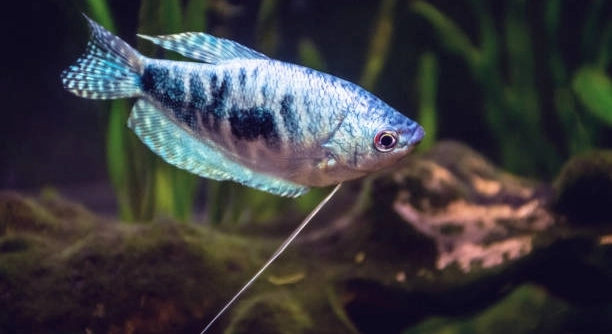
Do your gouramis sometimes seem restless in their aquarium, swimming around without settling comfortably among the decorations? Many aquarium enthusiasts notice that these peaceful fish respond differently depending on their environment and the plants surrounding them.
Gouramis generally prefer aquariums with moderate to heavy planting. Dense vegetation provides hiding spaces, reduces stress, and mimics their natural habitat. Heavily planted tanks also improve water quality and support territorial behavior, contributing to overall fish well-being.
Choosing the right plants and layout can make a significant difference in your gouramis’ comfort and health in their aquarium. Proper planting creates a balanced and engaging environment for them.
Benefits of Heavily Planted Aquariums
Heavily planted aquariums provide gouramis with multiple hiding spots and territories, which can reduce stress and aggression. Plants like Java fern, Anubias, and Amazon sword create natural cover, allowing fish to explore without feeling exposed. Dense vegetation also supports their natural behaviors, such as bubble nest building and resting among leaves. The roots and leaves help maintain water quality by absorbing excess nutrients, which prevents algae growth. Lighting and plant selection should match gouramis’ needs to ensure a balanced environment. Floating plants can offer additional shelter and diffuse light, creating calmer areas in the tank. Heavily planted setups also enhance oxygen levels, which benefits all aquatic life. Fish become more active and exhibit natural colors when they feel safe and secure. For smaller tanks, careful placement of plants is necessary to avoid overcrowding while still providing adequate coverage for hiding and swimming. Overall, the combination of cover, improved water quality, and visual enrichment makes heavily planted aquariums ideal for gouramis.
Proper planting not only improves fish health but also adds a natural, calming aesthetic to your tank.
Dense planting encourages more natural behaviors in gouramis. They explore, establish territories, and interact with their environment in ways that reflect their behavior in the wild. Proper plant care and placement can prevent overcrowding and create balanced zones for swimming and resting. Floating plants diffuse lighting, providing shaded areas that reduce stress, while rooted plants stabilize the substrate and improve water quality by filtering nutrients. A well-planted tank also reduces algae growth, keeping the environment healthier for the fish. Over time, gouramis display brighter colors and more active, confident swimming patterns. Observing their behavior in such an environment helps you understand their needs better and adjust care accordingly. Selecting plants that thrive in similar water conditions ensures compatibility and longevity of the aquarium setup. By paying attention to both plant and fish requirements, the tank becomes a self-sustaining ecosystem, benefiting all inhabitants. Regular pruning and maintenance keep plants healthy and prevent them from overtaking swimming space, maintaining a harmonious balance within the aquarium.
Choosing the Right Plants for Gouramis
Moderate to dense plants provide safety and stimulation for gouramis, helping them feel secure while exploring.
Selecting the best plants involves considering growth rate, light requirements, and leaf structure. Slow-growing plants like Anubias and Java fern are low-maintenance and sturdy, suitable for gouramis that may nibble at leaves. Floating plants such as frogbit or duckweed create shaded areas and reduce direct lighting, which minimizes stress. Broad-leaved plants offer resting surfaces near the water surface, aiding bubble nest construction. Placement is key—tall plants at the back and sides create open swimming areas while maintaining cover. Combining rooted and floating plants ensures varied textures and depths, encouraging natural behavior and exploration. Water parameters should match the chosen plants’ needs to prevent die-off and maintain a healthy environment. Regular pruning prevents overcrowding and maintains a visually appealing layout while preserving swimming space. By carefully selecting and arranging plants, gouramis thrive both physically and behaviorally in a more natural and engaging habitat.
Maintaining a Healthy Planted Aquarium
Regular maintenance is essential to keep plants and gouramis healthy. Removing dead leaves, trimming overgrowth, and checking water parameters prevents stress and disease in fish.
Consistent water changes and monitoring pH, temperature, and hardness help both plants and gouramis thrive. Plants absorb nutrients, but excess waste can lead to algae growth, which competes with vegetation. Cleaning the substrate and ensuring proper filtration maintain water clarity and reduce harmful toxins. Light cycles should mimic natural conditions, typically 8-10 hours per day, to support photosynthesis without encouraging algae blooms. Heavily planted aquariums benefit from liquid fertilizers or root tabs, especially for nutrient-demanding species like Amazon swords. Floating plants help shade slower-growing species, keeping them healthy. Observing gouramis during maintenance can reveal stress or health issues early. Maintaining a clean and balanced aquarium promotes longevity, natural behavior, and vibrant coloration in gouramis, creating a stable ecosystem for both fish and plants.
Pruning and plant care are important to prevent overcrowding. Balanced planting ensures swimming space and hiding areas coexist, supporting natural behavior and comfort.
Maintaining stable conditions reduces stress for gouramis, encouraging natural behavior and bubble nest building. Overcrowded or decaying plants can harm water quality and stress fish. By establishing a regular maintenance schedule, including trimming, nutrient management, and substrate cleaning, the aquarium remains healthy. Selecting hardy plants and rotating fertilizers or supplements provides essential nutrients without disrupting water balance. Filtration should be strong enough to circulate water but gentle enough to avoid stressing gouramis. Floating plants or shade-providing vegetation reduce direct light exposure, limiting algae growth. Observation during cleaning helps identify any aggressive behavior, illness, or unusual activity. By maintaining plant health and water quality, the tank becomes a sustainable environment where gouramis thrive naturally, display bright colors, and engage with their surroundings confidently.
Signs Your Gouramis Are Thriving
Healthy gouramis are active, colorful, and show normal social behavior in a well-planted tank.
Vibrant coloration, regular swimming, and bubble nest construction indicate comfort. Fish that hide excessively, lose color, or avoid plants may be stressed or experiencing poor water quality. Observing interactions between gouramis helps detect territorial disputes or aggression. Changes in appetite, fin condition, or swimming patterns often signal health concerns. Consistent monitoring of plant growth and water clarity also reflects the overall health of the aquarium. By recognizing these signs early, adjustments to plant density, water parameters, or tank layout can be made to ensure optimal conditions. Thriving gouramis explore their environment confidently, using plants for cover and resting, displaying behavior similar to their natural habitat. Regularly assessing both fish and plants creates a balanced, healthy ecosystem. Proper lighting, filtration, and nutrient management support growth, activity, and long-term well-being of gouramis, making their environment enjoyable and sustainable.
Ideal Tank Conditions for Gouramis
Stable water temperature between 75-82°F is essential for gouramis’ health. A pH range of 6.0-7.5 supports both plants and fish.
Filtration should be gentle to avoid stressing gouramis. Moderate water flow keeps plants healthy while allowing fish to swim comfortably.
Light Requirements
Gouramis thrive under moderate lighting that supports plant growth without causing excessive algae. Light should be evenly distributed and follow a consistent daily schedule.
Proper lighting encourages photosynthesis, helping plants provide oxygen and shelter. Avoid overly bright lights, which can stress fish and promote algae. Combining floating and rooted plants creates shaded areas, allowing gouramis to regulate exposure naturally. Observing fish activity can guide adjustments to light intensity or duration. Maintaining consistent light cycles ensures a balanced, healthy environment where plants flourish and gouramis exhibit natural behavior. Adjusting light according to plant needs while monitoring fish activity enhances both aesthetics and fish well-being, supporting a harmonious aquarium ecosystem.
Water Quality Management
Regular water testing prevents sudden changes in pH, ammonia, or nitrite levels. Clean water reduces stress and disease risk for gouramis.
Feeding in a Planted Aquarium
Balanced diets and occasional live or frozen food support gouramis’ health. Avoid overfeeding to prevent excess waste affecting plants.
FAQ
Do gouramis need heavily planted tanks to be happy?
Gouramis do not strictly require heavily planted tanks, but dense vegetation significantly improves their well-being. Plants provide hiding spots, reduce stress, and allow for natural behaviors like resting and bubble nest building. In sparsely decorated tanks, gouramis may feel exposed, leading to timid or erratic behavior. Incorporating both floating and rooted plants gives fish options for shade and cover, helping them regulate stress. While gouramis can survive in simpler setups, a well-planted aquarium creates a more balanced environment, supporting their health and encouraging vibrant coloration and active swimming.
Which plants are best for gourami tanks?
Low-maintenance plants such as Java fern, Anubias, and Amazon sword are ideal. These species tolerate a range of water conditions and can withstand occasional nibbling. Floating plants like frogbit or duckweed help diffuse light, creating shaded areas that reduce stress. Broad-leaved plants also provide resting surfaces near the water surface, supporting bubble nest construction. Fast-growing plants like hornwort or water wisteria can absorb excess nutrients, reducing algae growth and helping maintain water quality. A combination of rooted and floating plants creates varied textures and depths, encouraging exploration and natural behavior. Selecting hardy plants ensures a low-maintenance, thriving environment.
How do I maintain plants in a gourami aquarium?
Regular trimming and removal of dead or decaying leaves are essential. Overgrown plants can limit swimming space and reduce water flow, increasing stress for fish. Substrate cleaning and nutrient management support healthy root growth. Liquid fertilizers or root tabs can supplement nutrients for demanding species. Light cycles should mimic natural conditions, typically 8–10 hours per day, supporting photosynthesis without promoting algae. Floating plants help shade slower-growing species. Monitoring plant health allows early detection of nutrient deficiencies or disease. Maintaining healthy plants contributes to water quality, oxygen levels, and overall comfort for gouramis, creating a stable, self-sustaining environment.
Can gouramis live with other fish in a planted tank?
Gouramis are generally peaceful but can show territorial behavior, especially males. Properly placed plants and hiding spots reduce aggression. Suitable tankmates include tetras, rasboras, and peaceful bottom dwellers. Avoid aggressive or fin-nipping species. Dense planting provides boundaries and safe zones, supporting coexistence. Observing fish behavior regularly helps prevent conflicts. Well-planted tanks reduce stress by giving fish private areas to retreat and establish territories, making social interactions smoother. By carefully choosing compatible species and maintaining plant density, a harmonious community aquarium can be achieved where gouramis thrive alongside other peaceful fish.
How do I know if my gouramis are stressed?
Signs of stress include faded colors, erratic swimming, excessive hiding, or loss of appetite. Overcrowded tanks, poor water quality, or insufficient cover often cause stress. Observing behavior near plants can indicate comfort levels. Stressed gouramis may avoid open areas or bubble nest building. Ensuring stable water parameters, proper plant density, and gentle filtration reduces stress. Providing varied hiding spots and shaded zones helps fish feel secure. Timely maintenance, careful feeding, and regular observation allow quick adjustments to conditions, preventing prolonged stress and supporting healthier, more active gouramis.
Is it necessary to provide floating plants for gouramis?
Floating plants are highly beneficial but not strictly necessary. They provide shade, diffuse lighting, and areas for resting or hiding. Floating leaves help mimic natural conditions and can improve bubble nest construction for males. They also reduce light intensity on slower-growing plants, preventing damage. By combining floating and rooted species, the tank maintains varied habitats for fish, offering comfort and security. Observing gourami behavior helps determine if additional shade or floating plants are needed to support a calm and stress-free environment.
How often should I clean a heavily planted gourami tank?
Partial water changes of 20–30% every 1–2 weeks are sufficient to maintain water quality without disturbing plants. Substrate cleaning can remove excess detritus while leaving roots intact. Filter maintenance should be done regularly but gently to preserve beneficial bacteria. Over-pruning plants should be avoided to maintain cover and hiding spots. Frequent observation helps determine if additional cleaning is needed. Maintaining consistent cleaning schedules supports both plant health and fish well-being, preventing sudden fluctuations in water chemistry and ensuring a stable, thriving environment.
Do gouramis eat aquarium plants?
Gouramis may nibble occasionally, but they rarely damage healthy plants significantly. Slow-growing or delicate species are more vulnerable. Choosing sturdy plants like Java fern, Anubias, or Amazon sword reduces damage. Occasional nibbling can be offset by providing a balanced diet with high-quality flakes, pellets, or frozen food. Observing fish interactions with plants allows timely replacement of any damaged leaves. By selecting resilient species and supplementing diet, plants and gouramis can coexist harmoniously, maintaining a balanced and visually appealing aquarium environment.
How important is water temperature for gouramis in planted tanks?
Maintaining stable temperatures between 75–82°F is crucial for gouramis’ health and plant growth. Sudden fluctuations can stress fish, affect appetite, and hinder plant development. Consistent temperature supports metabolism, immune function, and natural behavior, including bubble nest building. Heavily planted tanks help buffer temperature changes slightly but monitoring with a reliable heater or thermometer is recommended. Gradual adjustments are safer when needed. Stable temperatures, combined with proper lighting, filtration, and plant care, create an environment where gouramis thrive physically and behaviorally, promoting long-term well-being and vibrant coloration.
Can overcrowding affect gouramis in planted aquariums?
Overcrowding increases stress, reduces swimming space, and heightens aggression among gouramis. Dense planting can alleviate some pressure by creating hiding spots, but it cannot fully compensate for too many fish. Maintaining an appropriate stocking density ensures sufficient territories and reduces competition. Monitoring fish behavior, activity levels, and interactions helps prevent overcrowding issues. Proper tank size, paired with well-planned planting, promotes natural behavior, healthier fish, and less territorial disputes, supporting a balanced and comfortable environment where gouramis can thrive alongside compatible species.
How do I encourage natural behavior in gouramis?
Providing a variety of plants, hiding spots, and floating vegetation encourages exploration, resting, and bubble nest building. Gentle filtration, stable water parameters, and proper light cycles support activity patterns. Observing behavior regularly allows adjustments to tank layout. A combination of plant types and open swimming areas mimics natural conditions, fostering curiosity and interaction with the environment. Nourishing diets and minimal stressors ensure active, confident fish that display natural colors and social behavior, creating a lively and healthy aquarium setting.
Gouramis thrive best in aquariums that closely mimic their natural environment, and heavily planted tanks provide many advantages for their health and well-being. Dense vegetation offers hiding spots, resting areas, and shaded regions that reduce stress. These areas allow gouramis to establish territories and feel secure while swimming. Floating plants and broad-leaved species create calm zones near the water surface, which are particularly important for male gouramis that build bubble nests. By giving them space to retreat and interact with their surroundings safely, you encourage natural behaviors that might not appear in sparsely decorated tanks. A well-planted aquarium also benefits water quality by absorbing excess nutrients, which helps reduce algae growth and maintain a stable ecosystem. When gouramis feel secure and comfortable, their colors become more vibrant, and they exhibit normal swimming and social behaviors, reflecting a healthier and happier fish population.
Maintaining a heavily planted tank requires attention and care, but it is not overly complicated. Regular trimming and removal of dead or decaying leaves keep plants healthy and prevent overcrowding, which could limit swimming space or reduce water flow. Substrate cleaning and monitoring water parameters such as pH, temperature, and hardness support both plant and fish health. Slow-growing plants like Anubias or Java fern are easy to maintain and tolerate minor nibbling by gouramis, while fast-growing species can help absorb nutrients and prevent algae. Floating plants like frogbit or duckweed provide additional shade and diffuse light, creating calmer areas for fish to rest. Observing gouramis during maintenance allows you to identify signs of stress, aggression, or illness early. A consistent schedule for water changes, plant care, and filtration ensures a balanced, sustainable environment where both plants and fish can flourish without much difficulty.
Ultimately, the combination of proper plants, careful maintenance, and attention to gouramis’ natural behaviors results in a healthy, balanced aquarium. Choosing the right species of plants and arranging them thoughtfully allows fish to explore, hide, and rest comfortably while maintaining open swimming areas. Proper lighting and nutrient management support plant growth, oxygen production, and water quality, which in turn promotes fish well-being. Over time, a well-planted aquarium creates a visually appealing and functional ecosystem that encourages activity, vibrant coloration, and natural behaviors in gouramis. By prioritizing plant density, water stability, and regular care, you provide an environment that supports both the physical and behavioral needs of gouramis, ensuring they thrive in a setting that reflects the safety and richness of their natural habitat. A thoughtful approach to planting and aquarium management will enhance the overall health and enjoyment of your fish, creating a serene and balanced aquatic environment.

Hello,
If you enjoy the content that we create, please consider saying a "Thank You!" by leaving a tip.
Every little bit helps us continue crafting quality advice that supports the health, happiness, and well-being of pets around the world, for pets of all shapes, sizes, and species.
We really appreciate the kindness and support that you show us!