
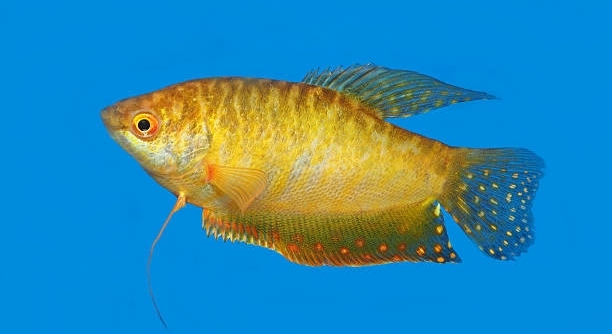
Have you ever bought a gourami and wondered about the water in its tank? Setting up the right environment can make a big difference in your fish’s health and happiness every day.
Gouramis generally thrive in soft to moderately hard water. Soft water closely mimics their natural habitat, supporting proper physiological functions and reducing stress. Maintaining stable water parameters is essential for their growth, coloration, and overall well-being in captivity.
Understanding the right water type can help you keep your gouramis healthy and vibrant while preventing common aquarium problems.
Understanding Water Hardness for Gouramis
Water hardness refers to the level of dissolved minerals, mainly calcium and magnesium, in your tank water. For gouramis, soft to moderately hard water is ideal because it closely matches their natural habitats in Southeast Asia. Hard water can make it harder for them to maintain proper bodily functions and may lead to stress over time. Soft water allows them to display vibrant colors and maintain healthy scales. Testing your water regularly is important to keep these levels stable. Many beginners overlook this step, but even small changes in water hardness can affect feeding habits, activity levels, and overall behavior. Using a water conditioner or mixing tap water with distilled water can help achieve the right balance. Monitoring these parameters ensures that your gouramis feel secure and remain active, making them easier to care for and observe. Proper water management supports a longer, healthier life for your fish.
Maintaining soft to moderately hard water reduces stress and promotes normal behavior, keeping your gouramis healthy and active.
Checking water hardness regularly is crucial because sudden changes can affect their immunity and digestion, which can lead to long-term health issues if ignored.
Adjusting Your Aquarium for Optimal Hardness
Start by measuring your tank water using a reliable test kit to know exactly where the hardness stands. Small adjustments are safer than drastic changes, which can shock the fish. If water is too hard, adding reverse osmosis water or distilled water gradually can lower mineral levels without causing stress. Conversely, if water is too soft, a mineral supplement can gently increase hardness. Always make changes slowly over days rather than hours. Consider pairing water hardness adjustments with regular water changes, which maintain overall water quality. Plants in your aquarium can also affect mineral levels, so keep an eye on how they interact with the water. Observing your gouramis’ behavior during these changes is helpful; signs of stress include hiding, loss of appetite, or faded colors. With careful monitoring, you can create a stable environment that supports their health and natural activity patterns, ensuring a thriving aquarium.
Signs Your Gourami Prefers Softer Water
Gouramis in water that is too hard may show stress through faded colors or reduced activity. They may hide more often or lose interest in food. Observing these behaviors early can help you adjust water conditions before serious health issues develop.
Soft water allows gouramis to display their natural vibrant colors and maintain steady activity levels. Fish in the correct water hardness are generally more active, exploring the tank and interacting with tank mates. Proper water hardness also supports balanced pH and reduces the risk of scale or skin problems. Consistent conditions prevent stress-related diseases and help maintain a healthy appetite. Paying attention to your fish’s behavior and color is an effective way to ensure they are comfortable with the water. Regular monitoring keeps them energetic and thriving.
Behavioral changes like lethargy, erratic swimming, or frequent gasping at the surface may indicate that water hardness is off. Addressing this promptly ensures your gouramis remain healthy and active, minimizing long-term risks.
Methods to Adjust Water Hardness
Gradual changes are key when adjusting water hardness for your gouramis. Sudden shifts can shock their system and lead to stress or illness. Start by testing your tap water and deciding whether to soften or increase mineral content. Softening often involves mixing distilled water, while increasing hardness may require specific mineral additives. Making these adjustments slowly over several days ensures fish adapt without disruption.
Water conditioners and reverse osmosis systems are practical tools to maintain stable water hardness. Regular monitoring allows you to track changes and avoid sudden fluctuations that could harm your gouramis. Pairing hardness adjustments with routine water changes maintains overall water quality and supports a healthy aquarium ecosystem. Observing your gouramis during these adjustments is helpful; they provide feedback through behavior and color. Consistency in water parameters ensures a thriving environment, while careful management reduces stress, encourages proper feeding, and supports long-term health.
Choosing the Right Water Source
Tap water can vary in hardness depending on your location. Testing it before adding it to your gourami tank is essential. Using untreated water may expose fish to sudden changes in mineral levels and pH, affecting their health and behavior.
Filtered or conditioned water helps maintain consistent hardness and removes harmful chemicals like chlorine. This makes the tank safer and more stable, allowing gouramis to thrive without stress.
Maintaining Stable Conditions
Consistency in water hardness is crucial for gouramis. Sudden fluctuations can stress them, weaken their immune system, and affect feeding. Regular testing, gentle adjustments, and consistent maintenance routines ensure the tank environment supports healthy growth, vibrant coloration, and natural behavior over time.
Monitoring Your Gouramis
Observe behavior and coloration regularly. Changes often indicate issues with water hardness or overall tank conditions. Regular attention helps catch problems early.
FAQ
How do I know if my gourami is stressed by water hardness?
Signs of stress in gouramis include faded colors, reduced activity, hiding frequently, and loss of appetite. Erratic swimming or gasping at the water surface can also indicate discomfort. Regularly observing your fish helps detect early signs of stress. Testing water hardness and maintaining stable conditions is the best way to prevent these problems. Small, gradual changes in water hardness are less likely to shock your gouramis and help them adjust naturally.
Can I use tap water for my gouramis?
Yes, tap water can be used, but it should be tested and conditioned first. Tap water hardness varies by region, and untreated water may contain chlorine or other chemicals that harm fish. Using a water conditioner removes harmful substances and stabilizes mineral content. If tap water is too hard, mixing it with distilled or reverse osmosis water can achieve a softer, more suitable environment for gouramis. Always make changes slowly to avoid stressing the fish.
How often should I test water hardness?
Testing water hardness at least once a week is recommended, especially if you have multiple fish or live plants. Sudden changes in water composition can occur from evaporation, water additions, or substrate interactions. Weekly checks help maintain stable conditions and prevent stress or health issues. Using a reliable test kit ensures accurate readings, allowing you to adjust water gradually and safely. Tracking trends over time also helps anticipate potential problems before they impact your gouramis.
What is the ideal hardness level for gouramis?
Gouramis thrive in soft to moderately hard water, typically ranging from 4 to 12 dGH. Soft water mirrors their natural habitat, supporting normal bodily functions, vibrant colors, and active behavior. Moderately hard water can still be suitable, but extreme hardness may cause stress, reduce activity, and affect overall health. Maintaining stable water hardness within this range ensures your fish remain healthy and energetic. Monitoring regularly and making small adjustments keeps the aquarium balanced.
Can sudden changes in water hardness harm gouramis?
Yes, sudden changes in water hardness can shock gouramis, leading to stress, weakened immunity, or even death in extreme cases. Rapid shifts affect their osmoregulation, the process that maintains proper fluid and mineral balance. Always make gradual changes over several days, observing behavior and coloration for signs of stress. Small, consistent adjustments are safer than drastic alterations, helping your fish adapt naturally. Combining hardness adjustments with routine water changes maintains overall tank stability.
Are there natural ways to soften water for gouramis?
Yes, using driftwood or certain types of peat in the aquarium can naturally lower water hardness. Driftwood releases tannins, which slightly soften water and lower pH. Peat can also reduce mineral content, though it may darken the water slightly. These methods should be used alongside regular monitoring to avoid excessive changes. Combining natural methods with tested water adjustments ensures a stable and healthy environment for gouramis without causing stress from abrupt shifts.
How do plants affect water hardness in a gourami tank?
Live plants can influence mineral levels by absorbing nutrients and minerals from the water. Over time, heavily planted tanks may slightly lower hardness. Plants also help stabilize the environment by reducing fluctuations in water chemistry. It is important to monitor water parameters in planted tanks, as changes may be gradual but still impact sensitive species like gouramis. Adjusting water hardness carefully while maintaining plant health ensures the tank remains balanced for both flora and fish.
What equipment helps maintain proper water hardness?
Using a reliable water test kit is essential for monitoring hardness. Reverse osmosis systems, water conditioners, and mineral supplements can help achieve and maintain the desired levels. Gradual water changes combined with these tools allow for precise control. Observing your gouramis during adjustments ensures they remain healthy and stress-free. Consistent maintenance with proper equipment creates a stable tank environment and promotes long-term fish well-being.
Can water hardness affect gourami breeding?
Yes, water hardness plays a role in breeding success. Soft to moderately hard water encourages normal spawning behavior and supports egg development. Hard water can hinder breeding, stress fish, or reduce fertility. Maintaining consistent water parameters and a comfortable hardness range increases the likelihood of successful spawning and healthy fry. Monitoring water closely before and during breeding ensures the best conditions for reproduction.
Is soft water always better than hard water for gouramis?
Not always, but soft to moderately hard water is generally preferred. Extremely soft water may lack essential minerals, while moderate hardness can still support healthy fish. The key is stability—consistent water parameters are more important than the exact hardness level. Observing behavior, coloration, and appetite helps determine the ideal conditions for your gouramis. Gradual adjustments and regular testing maintain a safe, comfortable environment for long-term health and vitality.
Gouramis are beautiful and peaceful fish that benefit greatly from a carefully managed aquarium environment. One of the most important aspects of their care is maintaining the right water hardness. Soft to moderately hard water provides conditions similar to their natural habitat, which helps them stay healthy, active, and colorful. Fish in water that is too hard may experience stress, dull coloration, or reduced appetite, which can affect their overall well-being. Consistently monitoring water parameters and making gradual adjustments ensures that your gouramis remain comfortable and less likely to develop health problems. Proper water hardness also supports important biological processes, such as maintaining proper scale and skin health, stabilizing pH, and supporting strong immune function. By paying attention to these factors, you create an environment where your gouramis can thrive over the long term.
Maintaining the right water hardness is not complicated, but it does require regular attention and small, consistent actions. Using a test kit to measure hardness is the first step, giving you an accurate understanding of your tank’s current condition. If adjustments are needed, adding distilled or reverse osmosis water can soften the tank, while mineral supplements or additives can gently increase hardness if necessary. Gradual changes over several days are key, as sudden shifts can stress your fish and potentially cause illness. In addition, routine water changes, monitoring pH, and observing your gouramis’ behavior help keep the environment stable. Watching for signs such as faded colors, hiding, or loss of appetite allows you to respond quickly to potential issues. By combining these simple practices, you provide a safe, balanced, and comfortable home for your fish.
Understanding and maintaining water hardness goes beyond just numbers on a test strip. It affects how your gouramis eat, interact, and display their natural behaviors. Fish in optimal water conditions are more active, explore their tank more confidently, and generally live longer, healthier lives. Consistency matters more than perfection—stable conditions allow them to adjust naturally and avoid unnecessary stress. Including live plants, monitoring tank equipment, and keeping track of water changes all contribute to a stable environment. Paying attention to your gouramis’ needs and responding appropriately creates a tank where they can flourish. Over time, maintaining proper water hardness becomes part of your routine, making it easier to provide the care they deserve. The result is a vibrant, healthy aquarium that showcases your gouramis at their best, with colors and behaviors that reflect their true vitality.

Hello,
If you enjoy the content that we create, please consider saying a "Thank You!" by leaving a tip.
Every little bit helps us continue crafting quality advice that supports the health, happiness, and well-being of pets around the world, for pets of all shapes, sizes, and species.
We really appreciate the kindness and support that you show us!