
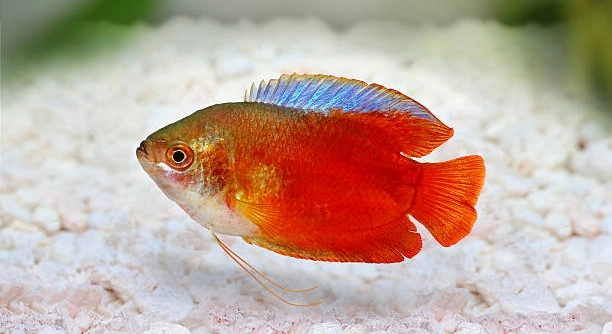
Do you ever notice your gourami swimming near the surface when you approach the tank? Many fish owners find themselves observing this behavior, wondering if their pets recognize feeding times and respond accordingly to routines in their environment.
Gouramis are capable of associating their owners with feeding schedules. Through repeated exposure and consistent timing, they learn to anticipate meals, demonstrating behavioral responses such as increased activity near the feeding area and heightened alertness.
These responses are not random, and understanding them can improve care routines. Observing subtle behaviors helps strengthen the bond between owner and fish.
How Gouramis Recognize Feeding Time
Gouramis are surprisingly attentive to their surroundings. Over time, they can link specific cues, such as your approach to the tank, the sound of a lid opening, or movement near the aquarium, with food being offered. This learning process is gradual, and not every fish responds immediately. Some may watch silently, while others swim eagerly toward the surface. Feeding time becomes a predictable event, and gouramis often show excitement through quick movements or gentle ripples in the water. Repetition is key, as their memory of these signals strengthens each day. Owners often notice that even slight changes in routine, like feeding at a different time, can confuse the fish temporarily. Watching this behavior unfold can feel rewarding because it shows that your pets are aware and engaged, responding consistently to environmental cues. Understanding this behavior also helps maintain a calm feeding environment.
Their ability to anticipate food is a clear sign of learned behavior and adaptation to daily routines.
Regular observation of these patterns improves care, as owners can adjust feeding schedules to match their gouramis’ natural responses and reduce stress during meals. Recognizing signals like surface swimming or heightened alertness allows for a smoother, more predictable feeding experience. By maintaining consistency, gouramis develop trust in the routine and show more lively, healthy behaviors. Awareness of these habits also aids in monitoring overall health, because sudden changes may indicate stress or illness. Incorporating structured feeding cues enhances the relationship between owner and fish, making care more intuitive. Over time, this attentiveness strengthens the interaction, ensuring your gouramis remain active, responsive, and well-adjusted to their environment, contributing to their long-term wellbeing.
Signs Your Gourami Anticipates Feeding
Many gouramis become visibly active before meals, often gathering near the surface or swimming in patterns.
Consistent feeding routines help them recognize time cues. When they see or hear signals associated with feeding, gouramis may approach quickly, display subtle tail flicks, or hover near the food area. Over days, this behavior becomes predictable. Owners can use these signs to ensure meals are delivered efficiently and to adjust timing when needed. Noticing these anticipatory actions not only makes feeding smoother but also confirms that your fish are alert, healthy, and adapting well to their environment. Observing these responses can also prevent overfeeding, as it’s easier to judge portions when fish show clear signs of readiness without stress or frantic movements. Understanding these cues strengthens routine care and contributes to the overall wellbeing of your gouramis, keeping them active and responsive throughout the day.
Training Your Gourami to Recognize Feeding
Consistency is key when training gouramis. Feeding at the same time each day helps them form associations between your actions and food availability.
Using the same approach or sound, like tapping the tank gently, reinforces recognition. Gouramis respond best when cues are predictable, allowing them to anticipate meals without stress. Repeating this routine strengthens memory and encourages calm, organized behavior during feeding times.
It’s helpful to start with small portions during training. Gradually, your gourami will learn to connect the cues with feeding, reducing frantic swimming or stress. Observing their reactions allows you to fine-tune timing and approach, ensuring they remain attentive but not anxious. Over a few weeks, most gouramis reliably associate your actions with food, demonstrating clear anticipation.
Patience is essential because each fish learns at its own pace. Some gouramis pick up cues quickly, while others may take longer. Avoid changing routines suddenly, as it can confuse them. Consistent repetition, combined with gentle observation, leads to steady progress. Training this way not only improves feeding efficiency but also builds a calmer and more predictable environment for your fish, benefiting their overall behavior and wellbeing.
Environmental Factors Affecting Feeding Recognition
Lighting, tank placement, and background activity all influence how gouramis recognize feeding signals.
Bright or dim lighting can alter their visibility of cues, and frequent disturbances near the tank may distract them. Gouramis respond better when external stressors are minimized. A stable environment helps them associate your presence and feeding cues with positive experiences consistently.
Water temperature and tank conditions also play a role in their responsiveness. Fish in stable, optimal conditions are more alert and active during feeding times. Frequent changes in temperature or water quality can reduce attention, causing them to miss cues. Proper tank maintenance, including filtration, regular water changes, and avoiding sudden disruptions, ensures gouramis remain comfortable and observant. Positioning the tank where they feel secure, with consistent lighting and minimal external interference, strengthens learned behaviors. Combining these environmental factors with predictable feeding routines enhances anticipation and creates a more harmonious feeding experience for both fish and owner.
Timing and Routine
Feeding your gourami at the same time daily helps them develop a strong sense of routine. They start recognizing patterns, linking your presence with food, which reduces stress and keeps their behavior predictable.
Gradually adjusting feeding times can confuse them, so consistency is crucial. Predictable schedules make gouramis calmer and more responsive.
Visual and Auditory Cues
Gouramis respond well to visual cues like your hand near the tank or the lid opening. Subtle sounds, such as tapping gently or shaking food containers, also signal mealtime. Repeating these cues consistently reinforces recognition and anticipation. Fish associate these signals with feeding over time, showing alert behavior when cues occur.
Avoiding Overfeeding
Monitoring portions prevents overfeeding, which can harm health.
Observing Individual Behavior
Each gourami may react differently to feeding cues. Some are eager and swim immediately, while others approach slowly. Watching individual patterns helps adjust feeding practices to match their natural responses and ensure balanced, stress-free meals.
FAQ
Do gouramis really know when it’s feeding time?
Yes, gouramis can learn to recognize feeding time. They respond to repeated cues, such as your approach to the tank, the sound of a lid opening, or the sight of food. Over time, they form associations between these signals and meals, showing anticipation through surface swimming, gentle ripples, or hovering near the feeding area. Consistency in timing and routine helps strengthen this recognition.
How long does it take for a gourami to recognize feeding cues?
The time varies depending on the fish. Some gouramis learn within a few days, while others may take several weeks. Daily repetition, predictable timing, and consistent signals are essential for them to form a reliable association. Avoid sudden changes in routine, as this can confuse them and slow learning.
Can gouramis distinguish between different people feeding them?
Yes, gouramis can differentiate familiar individuals who feed them regularly. They respond more actively to the person associated with food. This behavior shows that gouramis have memory and recognition skills, though they may still respond to others if food is present.
Do environmental factors affect their recognition?
Absolutely. Lighting, tank placement, and background activity influence how well gouramis notice feeding cues. Bright or dim lighting can affect visibility, and disturbances near the tank can distract them. Stable water conditions and minimal external stressors make fish more attentive and responsive during feeding.
What are common signs that a gourami anticipates feeding?
Typical signs include swimming near the surface, increased movement, gentle tail flicks, and positioning themselves near the area where food is usually dropped. These behaviors indicate they recognize cues and expect a meal soon.
Can you train gouramis to respond to specific signals?
Yes, training is possible with patience. Using the same hand movements, tapping sounds, or container shakes consistently creates a clear signal. Over time, gouramis associate the signal with food. Start with small portions during training and gradually increase, observing their reactions to adjust cues effectively.
How do you prevent overfeeding if they anticipate meals?
Careful portion control is essential. Offer small, measured amounts and wait for them to eat completely before adding more. Observing their behavior helps gauge how much food is needed without excess. Consistent feeding routines combined with portion monitoring reduce the risk of overfeeding and associated health problems.
Do all gouramis react the same way to feeding cues?
No, individual responses vary. Some gouramis are eager and approach immediately, while others take a slower, more cautious approach. Recognizing these differences helps adjust feeding practices to match each fish’s natural behavior and ensure a stress-free experience.
Can changes in routine confuse them?
Yes, sudden changes in feeding time, tank placement, or environmental cues can confuse gouramis. They rely on consistency to anticipate meals. Gradual adjustments are more effective, as abrupt changes may cause stress or reduce their responsiveness to feeding signals.
Is it important to observe their behavior during feeding?
Observing behavior provides insight into health, stress levels, and responsiveness. Sudden changes, like reduced activity or lack of response to cues, may indicate illness or discomfort. Careful observation allows for adjustments in routine, feeding amounts, or environmental factors, helping maintain overall wellbeing.
Do gouramis remember feeding cues long-term?
Yes, they have memory for familiar routines and cues. If feeding patterns are consistent, gouramis can remember them for extended periods. Breaks in routine may temporarily affect behavior, but they typically regain recognition once normal patterns resume.
Can multiple gouramis learn feeding cues together?
Yes, gouramis often learn by observing others. If one fish consistently responds to feeding signals, others may follow, creating a collective anticipation behavior. However, individual attention may still be needed to ensure all fish are eating appropriately.
What should you do if a gourami seems disinterested in feeding?
Check water conditions, temperature, and overall health. Disinterest may indicate stress, illness, or changes in the environment. Adjust feeding cues or portions carefully and monitor behavior closely to identify potential issues. Maintaining a calm and consistent routine often restores normal feeding behavior.
Are there specific cues that work best for gouramis?
Visual cues like your hand or container near the tank, combined with gentle sounds like tapping or shaking food containers, work best. Repeating these consistently helps reinforce learning. Avoid overly abrupt or loud actions, which can startle or stress the fish.
How can feeding routines strengthen the bond with gouramis?
Predictable routines create trust and reduce stress. When gouramis recognize signals and feel secure during feeding, they interact more actively and calmly. Consistency in routine demonstrates reliability, which helps the fish feel comfortable and responsive, enhancing overall wellbeing.
Final Thoughts
Gouramis are more observant than many people realize. They quickly learn to associate certain cues, such as your approach to the tank or the sound of food being prepared, with mealtime. Over time, these fish start to anticipate feeding and adjust their behavior accordingly. Watching them become alert, swim near the surface, or hover in the area where food is usually dropped can be rewarding. These behaviors are a sign of learning and adaptation, and they reflect the fish’s ability to recognize patterns in their environment. Understanding this helps owners provide a calmer, more predictable feeding experience, which benefits both the fish and the daily care routine. By paying attention to these cues, you can better meet your gouramis’ needs and support their overall wellbeing.
Consistency is the key to reinforcing this behavior. Feeding your gouramis at the same time every day, using similar signals, and maintaining a stable environment allows them to form reliable associations. Visual cues, such as your hand near the tank, combined with gentle sounds, like tapping or shaking the food container, encourage recognition and anticipation. Avoiding sudden changes in routine or environment helps prevent confusion and stress. Even small adjustments in timing or signals can temporarily disrupt the pattern they have learned. Observing individual differences in behavior is also important, as some gouramis respond quickly to cues while others may be more cautious. Adapting to these differences ensures that each fish receives the attention and structure it needs for a healthy feeding experience.
Creating a predictable feeding routine also contributes to the overall health and happiness of your gouramis. When fish are comfortable with regular schedules, they are less likely to experience stress, overfeeding, or aggressive behavior. Monitoring their responses to cues can help identify potential health issues, such as reduced appetite or unusual activity, before they become serious problems. A calm and structured environment encourages natural behaviors and keeps your gouramis active and responsive throughout the day. With patience, consistency, and careful observation, you can support your fish in developing clear recognition of feeding times, strengthen your understanding of their behavior, and provide a more enjoyable and balanced experience for both you and your gouramis.

Hello,
If you enjoy the content that we create, please consider saying a "Thank You!" by leaving a tip.
Every little bit helps us continue crafting quality advice that supports the health, happiness, and well-being of pets around the world, for pets of all shapes, sizes, and species.
We really appreciate the kindness and support that you show us!