
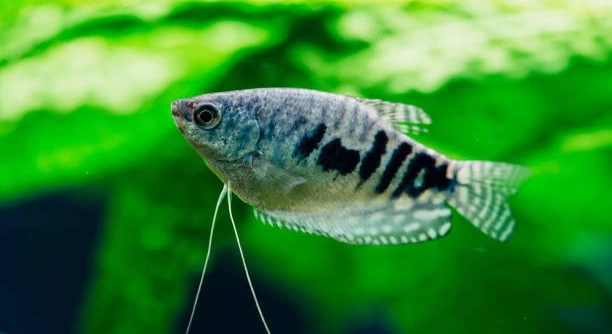
Gouramis are popular freshwater fish known for their vibrant colors and peaceful nature. Many aquarium keepers wonder how these fish react when their tank mates become ill. Understanding their behavior helps maintain a healthy environment for all fish.
Gouramis can exhibit changes in behavior when other fish in their tank show signs of illness. They may become more cautious, stressed, or avoid sick tank mates. This response varies depending on the severity of the illness and individual fish temperament.
Recognizing these behavioral signs can improve tank management and help prevent the spread of disease among your aquatic community.
How Gouramis Detect Illness in Tank Mates
Gouramis use their senses to notice changes in their environment. When a tank mate becomes sick, its behavior and appearance often change. Gouramis may detect irregular swimming patterns, lethargy, or discoloration. They also sense chemical changes in the water caused by illness or stress. These subtle cues prompt gouramis to adjust their behavior. They may swim away from the sick fish or become more reserved. Sometimes, gouramis show increased aggression or territorial behavior if they feel threatened by the sick fish. Observing these reactions is important for aquarium keepers to spot health problems early. Early detection helps prevent the illness from spreading and allows for timely treatment, protecting the entire tank community.
This ability to detect illness varies between individual gouramis. Some are more sensitive and responsive, while others show little change.
Monitoring these responses provides insight into your tank’s overall health and can guide your care routine effectively.
Impact of Illness on Gourami Behavior
Gouramis often change their social interactions when they sense illness in tank mates. They may isolate themselves or show signs of stress such as rapid gill movement or reduced appetite.
Stress caused by a sick tank mate can weaken a gourami’s immune system, making it more susceptible to disease. In some cases, gouramis avoid the sick fish altogether, which helps reduce disease transmission. However, prolonged exposure to a diseased environment can cause chronic stress. This stress manifests in hiding behavior, reduced activity, or color fading. Maintaining good water quality and prompt treatment of sick fish are essential to minimize stress. Providing hiding spots and stable tank conditions helps gouramis cope better. Overall, understanding these behavioral changes supports a healthier aquarium and improves fish welfare.
Recognizing Signs of Illness in Tank Mates
Sick fish often show visible changes that gouramis can detect. These include slowed movement, abnormal swimming, clamped fins, or faded colors. Gouramis observe these signs and adjust their behavior accordingly.
Behavioral changes in sick fish can include isolating themselves, floating near the surface, or lying on the tank bottom. Gouramis notice these changes and may become wary or stressed. The presence of illness affects the whole tank dynamic, making it important to spot symptoms early. Physical signs like spots, lesions, or unusual growths also alert gouramis to potential problems. Understanding these indicators helps aquarium owners take quick action to protect the health of all fish.
Some illnesses cause water quality to decline, which gouramis sense through changes in smell or taste. These subtle environmental cues contribute to their behavioral reactions, emphasizing the need for regular tank maintenance and monitoring.
Preventing Disease Spread in a Community Tank
Isolation of sick fish is essential to prevent disease transmission. Gouramis’ avoidance behavior supports natural containment but does not replace human intervention.
Early detection and separation reduce stress on both the sick fish and the healthy gouramis. Quarantine tanks provide a safe space for treatment without risking the larger community. Maintaining excellent water quality also limits pathogen growth. Avoid overcrowding to reduce stress and physical injuries that can lead to infection. Routine observation helps identify health issues before they escalate. Combining these practices ensures a safer environment, allowing gouramis and their tank mates to thrive. Preventing illness spread benefits all fish and maintains aquarium stability over time.
How Stress Affects Gouramis
Stress from nearby illness can weaken gouramis’ immune systems. This makes them more vulnerable to infections and disease.
Chronic stress may cause behavioral changes such as hiding or reduced feeding. Keeping the tank environment stable reduces stress for all fish.
Signs Gouramis Show When They Are Stressed
Gouramis under stress often show faded colors, erratic swimming, or loss of appetite. They may also isolate themselves or hide more than usual. Recognizing these signs helps in managing tank conditions to support their health.
The Role of Water Quality in Illness
Poor water quality worsens the effects of illness and stress on gouramis. Regular testing and maintenance are crucial. Clean water supports the immune system and helps prevent disease spread within the tank.
Supporting Gouramis’ Health
Providing a balanced diet and proper tank conditions strengthens gouramis’ natural defenses. This reduces the impact of tank mates’ illness on their wellbeing.
FAQ
Do gouramis get sick from their tank mates?
Gouramis do not directly catch illnesses from their tank mates in the same way mammals might. However, if diseases spread through the water, gouramis can become infected. Pathogens like bacteria, parasites, and fungi travel easily in shared water, so exposure to sick fish increases the risk of illness in gouramis.
How can I tell if my gourami is stressed by a sick tank mate?
Look for changes in behavior such as hiding, reduced appetite, or faded colors. Gouramis may also swim erratically or show rapid gill movement. These signs indicate stress, often caused by poor water quality or the presence of a sick fish nearby. Stress weakens their immune system, making them more prone to disease.
Should I remove sick fish immediately?
Yes. Removing sick fish promptly limits the spread of disease and reduces stress for healthy gouramis. Quarantining the ill fish in a separate tank allows for treatment without risking the entire community. Quick action improves recovery chances and protects the rest of the tank.
Can gouramis recover if their tank mates are sick?
Recovery depends on the illness severity and how quickly it is addressed. Gouramis in a well-maintained tank with good water quality have a better chance to recover. Reducing stressors, treating sick fish, and maintaining clean water support healing and prevent further infections.
What diseases affect gouramis from tank mates?
Common diseases include Ich (white spot disease), fin rot, fungal infections, and parasitic infestations. These illnesses spread easily in community tanks and cause symptoms like spots, torn fins, or lethargy. Early detection and treatment are essential to limit damage.
How often should I check my tank for signs of illness?
Daily observation is best. Watching fish behavior closely helps detect early signs of sickness or stress. Regular water testing and tank cleaning should also be done weekly or biweekly. Consistent monitoring helps prevent outbreaks and keeps gouramis healthy.
Does water temperature affect how gouramis react to illness?
Yes. Water temperature influences fish metabolism and immune response. Temperatures outside the ideal range for gouramis increase stress and lower resistance to disease. Maintaining stable, appropriate temperatures reduces illness risk and helps gouramis cope better with sick tank mates.
Can tank size impact how gouramis respond to illness?
Smaller tanks can increase stress and disease spread because fish have less space to avoid sick individuals. Larger tanks offer more room for separation and reduce aggressive behavior. Providing adequate space is important to keep gouramis comfortable and healthy.
What role does diet play in helping gouramis resist illness?
A nutritious diet strengthens the immune system. High-quality food with essential vitamins and minerals supports health and recovery. Feeding a varied diet helps gouramis maintain energy and fight off infections, especially when other fish in the tank are sick.
Is it normal for gouramis to avoid sick tank mates?
Yes. Gouramis instinctively avoid fish that appear weak or behave abnormally. This behavior helps reduce contact with pathogens and limits stress. However, some gouramis may be curious or aggressive, so reactions can vary by individual.
Can I prevent illness spread by improving tank conditions?
Improving water quality, maintaining stable parameters, and avoiding overcrowding significantly reduce disease risks. Proper filtration and regular water changes remove harmful bacteria and toxins. A clean, well-maintained tank helps all fish stay healthy.
What treatments are safe to use with gouramis?
Treatments like aquarium salt, antiparasitic medications, and antibacterial solutions are generally safe when used as directed. Avoid harsh chemicals that can stress gouramis further. Always research or consult a professional before applying treatments to ensure compatibility.
How long should a sick gourami stay in quarantine?
A quarantine period of at least two weeks is recommended. This allows time to monitor for signs of illness and complete treatment. Keeping the sick fish separate prevents further transmission and protects the main tank population.
Can gouramis transmit illness to other species?
Yes, some diseases are not species-specific and can spread to other fish types in the same tank. Maintaining good hygiene and quarantining new or sick fish reduces this risk. Preventative care benefits all tank inhabitants.
What signs mean it’s time to seek professional help?
If illness symptoms worsen despite treatment, or multiple fish become sick quickly, professional advice is necessary. Persistent lethargy, severe discoloration, or unusual growths require expert diagnosis. Early veterinary intervention improves outcomes for gouramis and other fish.
Final Thoughts
Gouramis can be affected by the health of their tank mates in various ways. Although they do not catch illnesses simply by being near sick fish, diseases that spread through water can infect them. This makes it important to keep the entire tank clean and well-maintained. Good water quality and proper tank conditions reduce the risk of disease and help gouramis stay healthy. Regular observation of all fish helps detect early signs of illness, which is key to preventing wider problems in the tank.
Stress is another important factor to consider. When gouramis share a tank with sick fish, they may become stressed from changes in behavior, water quality, or environmental conditions. Stress weakens their immune system and makes them more vulnerable to illness. Signs like hiding, reduced appetite, and faded colors are indicators that gouramis are not doing well. Reducing stress through proper care, maintaining stable water parameters, and removing sick fish quickly can improve gouramis’ wellbeing and prevent further health issues.
Taking care of gouramis means paying attention to their environment and the health of all tank mates. Isolating sick fish, ensuring a balanced diet, and monitoring water temperature are steps that support their natural defenses. Understanding how gouramis respond to illness around them helps in managing the tank better and keeping all fish safe. With consistent care and attention, gouramis can thrive even in community tanks where other fish may sometimes become ill. This approach benefits both the gouramis and the overall harmony of the aquarium.

Hello,
If you enjoy the content that we create, please consider saying a "Thank You!" by leaving a tip.
Every little bit helps us continue crafting quality advice that supports the health, happiness, and well-being of pets around the world, for pets of all shapes, sizes, and species.
We really appreciate the kindness and support that you show us!