
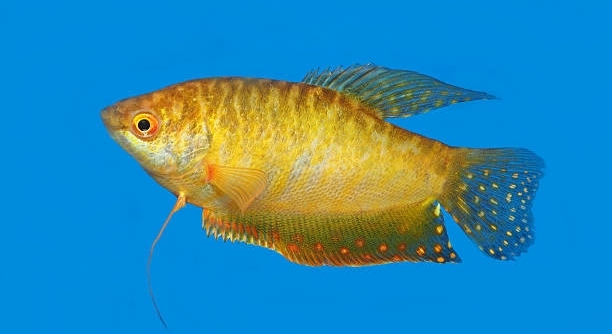
Have you ever stood by your tank and noticed your gourami hovering near other fish, acting curious or even following them around? Their behavior might seem subtle, but it often raises some interesting thoughts about recognition.
Gourami are capable of recognizing other fish in their tank, especially those they frequently interact with. This recognition is based on repeated exposure, visual cues, and sometimes even scent, allowing them to differentiate between familiar and unfamiliar tank mates.
Understanding how gourami perceive others in their environment can help you create a more peaceful and enriched tank. Let’s explore what shapes their behavior.
How Gourami Identify Other Fish
Gourami can recognize other fish by using visual and behavioral cues. They often observe body patterns, size, and movement. When placed in a tank with consistent tank mates, they gradually become familiar with those individuals. This familiarity can lead to a calmer environment where the gourami feels more secure. In contrast, the introduction of new fish might trigger cautious or aggressive behavior, especially in more territorial species like the Three-Spot Gourami. Repeated exposure helps the gourami adapt to the presence of others. Their memory and recognition skills, while not as advanced as some mammals, are still strong enough to influence how they interact. Recognizing familiar fish can reduce stress and support better tank dynamics overall. It also allows gourami to adjust their social behavior over time. Observant owners may notice them showing preference or tolerance toward long-term tank mates, while avoiding or confronting unfamiliar ones.
They rely mostly on sight, but scent and behavior patterns also help reinforce recognition over time.
Some gourami also learn the behavior patterns of specific tank mates. For example, they may avoid overly active fish or become less reactive to peaceful ones. These learned responses suggest a level of memory and adaptability in their behavior. As gourami age, their ability to identify familiar fish can become more refined, making it easier for them to avoid stress and conflict in a shared tank. While they are not as social as schooling fish, gourami do observe and adapt to their environment. This awareness influences how they interact day-to-day. When housed with fish they’ve grown used to, their movements become more relaxed and predictable. However, when there’s a change in the tank’s social setup, even a minor one, it may take time for them to reestablish their sense of balance. Watching them during these moments can tell you a lot about how they process and respond to their surroundings.
Why It Matters for Tank Harmony
Recognizing others helps reduce tension, making the tank feel more settled for every fish inside.
When gourami can identify familiar tank mates, they’re less likely to show aggressive or defensive behavior. This helps prevent unnecessary stress and fights, especially in mixed-species aquariums. If new fish are added too frequently, the gourami may become unsettled and start acting territorial. Giving them time to recognize new arrivals, ideally by allowing slow introductions or using a quarantine tank, can help reduce stress levels. Stable tank dynamics are also healthier for the fish. When gourami aren’t stressed, they eat better, maintain brighter colors, and show more natural behavior. Some owners notice that recognized tank mates will swim closely without any signs of aggression, while strangers are kept at a distance. These subtle changes in behavior can influence how peaceful or chaotic your aquarium becomes. Paying attention to these cues and giving your gourami a consistent environment makes a noticeable difference in their long-term health.
Recognizing Aggression vs. Familiarity
Some gourami become territorial when they don’t recognize other fish, especially in smaller tanks. Aggressive behavior usually includes chasing, flaring fins, or guarding specific areas. These signs often lessen once they identify the fish as non-threatening.
Once familiarity sets in, gourami may allow certain fish to swim nearby without reacting. This shift in behavior signals that the new fish is no longer seen as a threat. Gourami often test boundaries first, then settle into routines when they sense there’s no danger. Size and species of the other fish also influence how long this adjustment takes. Peaceful interactions usually develop faster when tank mates have calm personalities. Aggression can return if tank conditions change suddenly, so it’s important to keep a stable setup. Consistency allows the gourami to rely on memory and minimize defensive behavior. Over time, their reactions become predictable and less intense toward recognized fish.
If aggression continues after several days, it may mean the gourami feels crowded or stressed. Tank size, hiding spots, and the number of fish all play a role. Giving each fish enough space to retreat is important for peaceful coexistence. Adding plants or decorations can block direct lines of sight, which helps reduce territorial disputes. Sometimes, aggression isn’t about recognition but discomfort. If the new fish is too active or bright, the gourami may react defensively. Keep an eye on feeding time too—competition over food can trigger territorial behavior even in familiar groups. Watching for patterns in how the gourami behave helps you know when they’ve adjusted or if changes are needed.
Creating a Calm and Recognizable Environment
A stable tank setup makes it easier for gourami to recognize their tank mates and feel safe. Sudden changes in lighting, décor, or population may confuse them and lead to unnecessary stress or defensive behavior.
To support recognition, keep the tank layout consistent and avoid frequent rearranging. Gourami use their surroundings to remember and locate familiar fish. A well-placed combination of plants, rocks, and driftwood can create zones that help them manage space. Lighting also plays a role—harsh or constantly changing lighting conditions make it harder for them to identify other fish visually. Quieter environments with soft lighting help them focus on visual patterns and movement. Tank mates should also be chosen carefully. Active or aggressive fish may disrupt the balance, while calm species help maintain a steady atmosphere. When adding new fish, try floating them in a quarantine container first, allowing gourami time to observe without direct interaction.
How Recognition Affects Feeding Behavior
When gourami recognize other fish, feeding becomes more orderly. They’re less likely to chase or guard food when tank mates are familiar. Instead of reacting aggressively, they focus on eating, especially when feeding routines stay consistent over time.
In unfamiliar groups, gourami may compete more or avoid eating altogether. Stress from new fish can interrupt normal feeding habits. If this happens, spreading out the food or feeding in smaller portions helps reduce tension. Observation during feeding helps track whether behavior improves as recognition increases.
Visual Cues Gourami Depend On
Gourami rely on consistent body shape, size, color, and swimming style to tell fish apart. When tank mates change drastically in appearance, it can confuse them. Fish with similar movement patterns or calm behavior are easier for gourami to accept. They remember and respond to familiar visual signals, especially in stable environments.
Do Gourami Form Social Preferences?
Some gourami appear to prefer the company of certain fish. They may swim near specific tank mates more often or avoid others. These subtle behaviors suggest a level of recognition and selective tolerance based on familiarity and comfort.
FAQ
Can gourami remember specific fish over time?
Yes, gourami can remember specific fish they’ve lived with for a while. Their memory helps them recognize patterns in appearance and behavior. This recognition leads to fewer aggressive displays and more predictable tank interactions. They associate safety and comfort with familiar fish, especially if there’s been no threat or disruption. In stable tanks, they may ignore or calmly interact with fish they know. Sudden changes, like removing and reintroducing the same fish, might confuse them temporarily, but they often relearn quickly. Keeping the same tank mates and environment helps support their ability to remember and react calmly.
Do gourami show signs of stress when they don’t recognize new fish?
Yes, unfamiliar fish can stress gourami. They may hide more often, refuse food, or become territorial. New fish change the social balance, and gourami often respond with caution or defensive behavior. If stress signs continue after a few days, the environment may need adjustment. Adding more cover or spacing out feeding helps reduce tension. Giving them time to observe newcomers safely—without full contact—also helps. Quarantine containers are useful for this. In most cases, as long as the tank is not overcrowded, stress decreases as recognition builds. Monitoring their behavior daily helps catch early signs of stress or conflict.
Do all gourami species behave the same way toward new tank mates?
No, different gourami species show different social behaviors. Dwarf gourami tend to be more peaceful, especially in larger tanks with hiding spots. Kissing gourami, on the other hand, are often more aggressive and territorial. Pearl gourami usually tolerate other fish better and often adjust more quickly. The size of the tank and the temperament of individual fish also affect behavior. Some fish are naturally more tolerant, while others remain territorial no matter how familiar the tank mates become. Knowing the species and observing their reactions is important before introducing any new fish into the tank.
How long does it take for a gourami to recognize another fish?
It depends on the environment and the fish involved, but recognition can begin in just a few days. If both fish show calm behavior and there are no fights over food or space, the process goes faster. In some cases, it may take a week or more, especially in smaller tanks or with more dominant personalities. Consistent routines, soft lighting, and reduced noise can help them feel safe, making recognition easier. When gourami no longer react defensively, follow certain fish, or show interest without aggression, it’s a sign they’ve become familiar with their tank mates.
Can recognition help prevent fights in a community tank?
Yes, familiarity plays a big role in reducing fights. When gourami know the other fish, they’re less likely to see them as threats. They’ve already tested boundaries and figured out who they can tolerate. Keeping tank mates consistent helps maintain this balance. Constantly changing the tank’s population makes it harder for recognition to form. In tanks with peaceful species, familiar gourami tend to behave more predictably. It’s also helpful to watch for signs of renewed tension when anything changes, like adding décor or rearranging the layout. Recognized patterns keep things calm.
Is it okay to keep multiple gourami in the same tank?
It can be, but tank size and personality matter. Male gourami are more territorial, so keeping several in a small tank often leads to fighting. In larger setups with plenty of hiding places, multiple gourami may coexist peacefully. Starting with a group when they’re young increases the chance they’ll get along. They’re more likely to grow used to each other’s presence and develop a stable pecking order. Female gourami are usually less aggressive and easier to keep in groups. Mixing species should be done with care since some combinations are more likely to trigger stress or aggression.
Do gourami recognize humans too?
Yes, gourami often recognize their owners. They may swim toward you when you approach the tank, especially around feeding times. They learn to associate your presence with food or a calm environment. This kind of recognition builds over time with routine and consistency. If you tap the tank or make sudden movements, it can scare them, so it’s best to stay gentle. They don’t show affection in the same way as mammals, but their behavior becomes more relaxed when they know who you are. Recognition makes them more interactive and easier to care for in the long run.
Final Thoughts
Gourami are more aware of their environment than many people expect. They are able to recognize other fish in their tank, especially those they have lived with for a while. This recognition helps them feel more secure and can reduce aggressive behavior. While they are not as social as some other species, they do respond to familiar patterns and repeated interactions. Watching how they react to new and old tank mates can tell you a lot about how they see the space around them. These behaviors are not random—they reflect their ability to notice change and adapt over time.
Their recognition is not only limited to other fish. With time and routine, gourami may even become familiar with the person who feeds them. They can learn the sound of footsteps or associate specific times of day with feeding. Although they may not form deep bonds like dogs or cats, they are still capable of building simple connections. In a calm and stable tank, these fish tend to settle into a predictable routine. They prefer consistency and react best when their surroundings remain the same. Sudden changes in the tank’s layout, new fish, or frequent disruptions can increase stress and lead to more defensive actions.
Setting up the tank with care can support a gourami’s ability to recognize its surroundings. Giving them enough space, providing hiding spots, and avoiding overcrowding are key. Keeping the same tank mates for long periods also helps them adjust and recognize each other over time. Observing their behavior regularly gives insight into how they are feeling and whether their needs are being met. Every gourami is slightly different, so some may be more reactive than others. What’s important is creating an environment where they feel safe and can respond to familiar sights and movements without fear. Recognition may not always look obvious, but it plays a big role in how these fish behave and interact.

Hello,
If you enjoy the content that we create, please consider saying a "Thank You!" by leaving a tip.
Every little bit helps us continue crafting quality advice that supports the health, happiness, and well-being of pets around the world, for pets of all shapes, sizes, and species.
We really appreciate the kindness and support that you show us!