
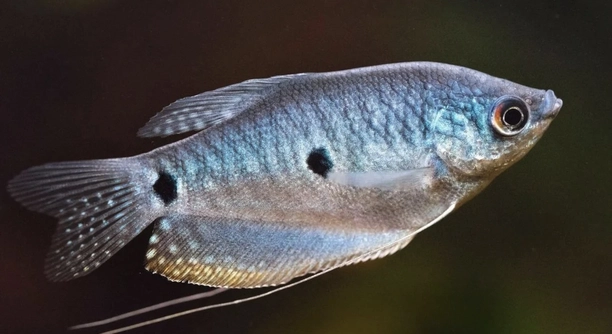
Have you ever noticed your gourami acting differently at the same times each day and wondered if they are following a routine?
Gourami can recognize daily routines through consistent feeding times, lighting schedules, and interactions. Their behavior becomes more predictable with repeated exposure to a structured environment, which helps reduce stress and encourages natural activity patterns.
Small changes in your daily routine might be more noticeable to your gourami than you think, especially when patterns become familiar over time.
Recognizing Patterns Through Repetition
Gourami are observant fish that respond well to consistent care. If you feed them at the same time each day, you may notice them swimming near the surface or the front of the tank around that time. Their behavior shifts based on repetition. Lighting schedules also play a role, as predictable light and dark periods help them establish a sense of time. Routine tank maintenance, like water changes or decor adjustments, also gets noticed. Over time, these actions create a structure that the fish start to anticipate. This predictability helps them feel secure and encourages active swimming, foraging, and social interaction. Without consistent routines, gourami may appear restless or withdrawn. Their ability to recognize and adapt to patterns is subtle but clear when you observe them closely. The more regular your habits become, the more your gourami will sync with them, showing comfort and responsiveness through familiar behaviors.
Structure makes them feel safer and more relaxed, especially when paired with gentle interaction and calm surroundings.
When I started feeding mine at the same time daily, they began waiting near the surface. They followed my hand and seemed more relaxed in their space. It’s small changes like this that build their sense of routine over time.
Environmental Cues and Interaction
Lighting is one of the clearest ways gourami recognize daily changes. Dim lights at night signal resting time, while bright light encourages activity.
Aside from feeding schedules, tank lighting and movement around the tank help reinforce a routine. If you always turn the light on at the same hour each morning, your gourami may begin moving more as the tank brightens. Shadows or the sound of footsteps can also act as cues. When someone walks by regularly, the fish start associating it with attention or feeding. This level of awareness doesn’t mean they understand time like humans do, but it shows they can connect consistent outside signals with what happens next. The use of timers for lights can help regulate this even further. Gourami also respond to your presence, especially if you interact calmly and frequently. They learn to link you with positive interactions, making your routine part of theirs. These simple daily actions shape their behavior in gentle, lasting ways.
Behavioral Changes Linked to Routine
Gourami often become more active before feeding, especially if meals are given at consistent times. You may notice them swimming near the top or following movement outside the tank as feeding time approaches. These reactions show awareness and learned behavior.
Once a pattern is established, their behavior begins to reflect it. For example, if lights turn on at the same time daily, gourami tend to start swimming more actively right after. If feeding always happens soon after lights come on, they begin associating that brightness with food. These small behavioral changes are signs of anticipation. It’s not instinct alone—it’s a response built through routine. Inconsistent schedules can lead to unease or decreased activity. Regular timing, calm interactions, and predictable maintenance all help the fish settle into familiar habits. As a result, gourami become easier to care for and observe, with behaviors that align more clearly with their environment.
I noticed my gourami becoming sluggish when I fed them late or skipped a day. Once I stuck to a fixed time, they became more predictable and active. Their behavior improved just from the consistency. Watching them react to the same steps every day helped me better understand their needs and responses.
How Routines Affect Stress Levels
Gourami rely on consistency to feel safe. Sudden changes in lighting, feeding, or tank activity can cause hiding, erratic swimming, or reduced appetite. A routine helps them feel settled and less reactive to small disruptions.
Maintaining a structured routine reduces stress-related behaviors in gourami. When they experience regular feeding, stable lighting, and a quiet tank environment, they begin to show more confidence. They swim openly, forage calmly, and even interact with other fish more peacefully. On the other hand, changes in routine—such as skipped feedings or irregular lighting—can raise their stress levels. Stressed gourami may hide more often, become aggressive, or lose color. Routine offers a sense of normalcy. It signals safety and control, which is especially important in a home aquarium. Simple adjustments like setting timers or feeding on a schedule can make a noticeable difference. The more stable the routine, the more likely your gourami will thrive and maintain a calm presence in the tank.
Feeding Habits and Timing
Feeding your gourami at the same time each day helps them expect and prepare for meals. They often start showing signs of anticipation, like swimming near the top or becoming more active when mealtime approaches. This regular pattern helps them feel secure and relaxed.
Irregular feeding can lead to stress or confusion, especially in a calm tank environment. If the schedule keeps shifting, your gourami may seem uneasy or may overeat when food finally arrives. Keeping a consistent routine supports both their digestion and overall behavior throughout the day.
Importance of Tank Maintenance Timing
Regular maintenance at set times helps reinforce a sense of stability in your gourami’s environment. Whether it’s water changes, filter checks, or algae cleaning, doing these tasks consistently allows the fish to become familiar with them. Sudden or random disruptions can make them hide or behave defensively. I’ve found that doing small tasks at the same times each week made my gourami less startled and more adaptable. They stopped retreating when I reached into the tank, and instead swam calmly nearby. Predictable upkeep routines not only keep the tank healthy but also help your fish feel safe and less threatened.
Final Thoughts on Daily Structure
Small efforts to keep your routine consistent can lead to calmer, more responsive gourami. It’s a simple way to support their health and comfort every day.
Do gourami really recognize daily routines?
Yes, gourami can recognize daily routines to a certain extent. They do not have a complex sense of time like humans, but they respond well to repeated patterns. Regular feeding times, consistent lighting schedules, and predictable tank maintenance create cues they learn to associate with specific events. Over time, gourami start showing behavioral changes—such as swimming near the surface before feeding or becoming more active after lights turn on—indicating their awareness of routine. These patterns help reduce stress and make their environment more comfortable.
How do feeding schedules impact gourami behavior?
Feeding schedules are one of the strongest routine cues for gourami. When fed at the same time every day, they begin to anticipate mealtime. This anticipation can show as increased activity, movement near the tank surface, or following your presence. Consistent feeding supports better digestion and reduces stress caused by unpredictability. On the other hand, irregular feeding can cause restlessness or overeating. It also makes it harder for the fish to settle into a calm rhythm, affecting their overall well-being.
Can gourami get stressed if routines change suddenly?
Yes, sudden changes in routine can cause stress in gourami. They thrive on stability, so unexpected shifts in lighting, feeding, or tank maintenance can trigger hiding, erratic swimming, or reduced appetite. Stress weakens their immune system and can lead to illness. Keeping a steady schedule helps them feel secure and lowers stress-related behaviors. If changes are unavoidable, try to introduce them gradually to minimize impact.
Does lighting influence gourami routines?
Lighting plays a crucial role in establishing routine for gourami. Predictable light and dark cycles mimic natural day and night, signaling when it’s time to be active or rest. Turning lights on and off at the same times daily helps reinforce their internal clock. This consistency encourages natural behaviors, such as increased activity during light periods and resting during darkness. Using timers for lighting can improve routine and reduce stress.
How does interaction with the owner affect gourami routine recognition?
Gourami can associate a calm, consistent presence with feeding or care. Regular interaction, such as approaching the tank or gentle movements near the aquarium, helps them connect those actions with positive experiences. Over time, they learn to recognize the person and respond by becoming more active or approaching the front of the tank. This interaction becomes part of their daily routine, helping them feel safe and reducing fear.
Are there signs that show gourami recognize their routine?
Signs include increased activity near feeding times, swimming closer to the tank surface, or responding to the sound or sight of the owner. They may also become more alert when lights turn on or when maintenance is about to begin. These behaviors show they have learned to anticipate events based on repeated exposure. Consistency in these signs indicates their awareness and comfort with the routine.
Can inconsistent routines harm gourami health?
Inconsistent routines can negatively impact gourami health. Irregular feeding may lead to overeating or malnutrition. Sudden changes in lighting or tank conditions can increase stress, weakening the immune system and making them prone to disease. Stress can also cause behavioral problems, such as aggression or hiding. Maintaining a stable, predictable routine supports better physical and mental health in gourami.
How quickly do gourami adapt to new routines?
Adaptation speed varies depending on the individual fish and the change’s nature. Small adjustments, like shifting feeding time by 15 minutes, may be learned within a few days. Larger changes, such as altering lighting schedules or introducing new tank maintenance patterns, can take weeks. Consistency and gradual changes help gourami adjust without excessive stress.
Is it important to maintain a routine during vacations or absences?
Maintaining routine during absences is important to minimize stress. Automatic feeders and timers for lights can help keep schedules consistent when you’re away. If these tools aren’t available, asking someone experienced to care for your tank at regular times is advisable. Keeping the environment familiar during absences helps gourami stay calm and healthy.
Can multiple gourami in one tank recognize a shared routine?
Yes, gourami in a group often respond to the same environmental cues and routines. They may feed together or show synchronized activity based on lighting and feeding times. Group routines can reinforce behavior and reduce stress, as social interaction adds a layer of comfort. However, it’s still important to keep routines consistent to support all fish equally.
What happens if feeding is skipped or delayed occasionally?
Occasional skipped or delayed feedings can cause temporary stress or confusion. Gourami may become restless or more active as they search for food. While one missed meal won’t cause long-term harm, frequent irregularities can lead to health issues or behavioral problems. Consistent feeding times are better for maintaining a calm and healthy fish.
Maintaining consistent daily routines for gourami is important for their well-being. These fish respond to patterns in their environment, such as regular feeding times and consistent lighting schedules. When these routines are predictable, gourami tend to show less stress and more natural behavior. Simple actions like feeding at the same time every day help gourami recognize and anticipate events. This recognition supports their comfort and promotes a stable environment in the tank. By following a routine, owners can better care for their gourami and help them live healthier lives.
In addition to feeding schedules, regular tank maintenance performed at consistent times also benefits gourami. Tasks such as water changes, filter cleaning, and checking equipment create subtle environmental cues. When these chores happen on a reliable schedule, the fish become familiar with the process. This familiarity reduces their fear or anxiety during maintenance. Over time, gourami adjust to the sounds and movements involved, becoming more relaxed. A stable maintenance routine not only keeps the tank clean but also encourages calmer behavior in the fish.
Routines are a simple but effective way to improve the quality of life for gourami. They may not understand time the way humans do, but they learn to recognize repeated events. This learning helps them feel secure and less threatened by their surroundings. When routines are disrupted suddenly or frequently, it can cause unnecessary stress and impact their health. Keeping a consistent schedule for feeding, lighting, and care will create a peaceful environment for gourami. This approach benefits both the fish and the owner by making daily care easier and more predictable.

Hello,
If you enjoy the content that we create, please consider saying a "Thank You!" by leaving a tip.
Every little bit helps us continue crafting quality advice that supports the health, happiness, and well-being of pets around the world, for pets of all shapes, sizes, and species.
We really appreciate the kindness and support that you show us!