
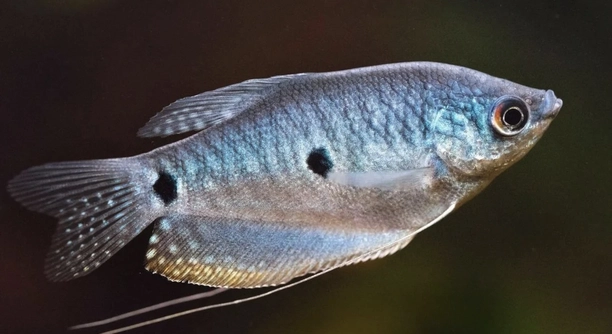
Gourami fish are a popular choice for home aquarium enthusiasts. Known for their calm temperament, they add beauty and tranquility to a tank. However, their sensitivity to their environment may raise questions about their preference for peaceful surroundings.
Gourami fish thrive in quiet tanks. They are sensitive to stress, and a calm environment promotes their well-being. Excessive noise or movement can cause them anxiety, which may negatively impact their health and behavior.
Ensuring a quiet tank will contribute to their overall happiness and longevity. Understanding the specific needs of your gourami can help you create the ideal environment for them.
How Noise Affects Gourami Fish
Gourami fish are quite sensitive to their environment. Noise, whether from nearby traffic, household appliances, or even a loud aquarium filter, can cause them stress. This stress can lead to a range of behavioral issues, such as hiding more frequently, reduced appetite, or unusual swimming patterns. When their tank environment is noisy, they may feel threatened and insecure. Their natural habitat in the wild tends to be much quieter, so loud sounds can disrupt their sense of safety.
Stress from noise isn’t something to overlook. It can weaken a fish’s immune system, making them more vulnerable to diseases. The more noise they experience, the more likely they are to display signs of stress, which can lead to long-term health problems. Keeping their tank quiet is one of the best ways to reduce stress and ensure their well-being.
Creating a peaceful environment with minimal noise is key. Soft filter sounds or gentle water movement are ideal for keeping your gourami comfortable. They are more likely to thrive when their surroundings resemble their natural, quieter habitat.
Tips for Creating a Quiet Aquarium
To keep your gourami tank peaceful, start by using quieter equipment.
Aquarium filters, pumps, and heaters can be sources of disruptive noise. Choosing quiet, efficient models reduces the amount of sound they produce. You can also place foam or rubber pads under the equipment to minimize vibrations. Ensuring your tank is well-maintained helps keep these devices running smoothly and quietly. Additionally, consider the placement of your aquarium; avoid placing it near high-traffic areas where background noise can be distracting.
Making small adjustments to your setup can significantly improve your fish’s environment. A little extra effort can go a long way in maintaining a peaceful and healthy home for your gourami.
Signs of Stress in Gourami Fish
Gourami fish under stress will often display behavioral changes. They may hide more often or swim erratically. Loss of appetite is also a clear sign, as stressed gourami fish tend to avoid food. If they’re constantly in hiding, it’s time to check their environment for possible stressors.
If you notice your gourami staying in one spot or swimming at the top of the tank frequently, it could be a sign of stress. They may also start to lose their vibrant colors. If you see this behavior, reducing noise and other potential stress factors will likely help them recover. It’s important to monitor their activity closely and make adjustments to the tank environment if necessary.
Stress can also cause physical symptoms. Gourami fish may develop sores or other signs of illness if left in a stressful environment for too long. Their immune system weakens, making them more susceptible to diseases. Keeping their surroundings calm and consistent will support their overall health.
The Role of Tank Placement
The placement of your gourami’s tank plays a significant role in their well-being. If your tank is near busy areas with loud noises, it can increase their stress levels. Place your tank in a quieter area of the room to provide a calmer environment.
Choosing the right spot ensures that your fish aren’t subjected to sudden vibrations or loud noises. Try to keep the aquarium away from windows where outside noises, like traffic or people walking by, can disturb them. If the tank is located near loud appliances like a washing machine or television, the vibrations and noise could lead to stress. Reducing the noise around your tank allows your gourami fish to feel safer and more comfortable.
With the right placement, your gourami can enjoy a peaceful, stable environment, which will reduce stress and encourage natural behaviors.
Tank Lighting and Gourami Fish
Gourami fish prefer soft, subtle lighting. Bright lights can add to their stress and make them feel exposed. Keep the lighting dim or opt for a natural daylight cycle to help them feel more at ease.
Avoid harsh lights that can disrupt their natural behavior. Gourami fish thrive in a more peaceful, subdued atmosphere, which helps them maintain their calm demeanor. Too much light can also encourage algae growth, which affects water quality and may add to the stress of your fish. Opt for low-wattage LED lights for a more relaxed, balanced environment.
The Importance of Tank Decor
Tank decor plays an important role in making your gourami feel safe. Provide plants, rocks, and caves for hiding spots. These give them a sense of security, helping reduce anxiety.
A well-decorated tank not only adds beauty but also supports the natural instincts of your fish. Gourami fish enjoy having places to retreat when they feel threatened. It’s essential to create a habitat where they can relax and feel protected, especially in a quieter, low-stress environment.
Water Quality and Stress Levels
Water quality can impact the stress level of your gourami. Poor water conditions can cause discomfort and health issues, adding to their overall stress. Regular water changes and maintaining proper filtration will help keep the water clean and comfortable for your fish.
FAQ
Do gourami fish need a lot of space in the tank?
Gourami fish do need ample space to swim and explore, but they’re not overly demanding in terms of tank size. A 20-gallon tank is usually sufficient for one or two gourami fish. It provides them with enough room to establish territories and reduce stress. However, the bigger the tank, the more comfortable they will feel, as it allows for better water quality and reduces overcrowding, which can lead to stress and aggression.
Can I keep gourami fish with other species?
Yes, gourami fish can be kept with other species, but they do best with peaceful tankmates. Avoid aggressive fish or species that might outcompete them for food. Good companions include tetras, small catfish, and peaceful community fish. Ensure that the tank environment remains calm and harmonious, as aggression from other fish can add to their stress levels.
How often should I feed my gourami fish?
Feed your gourami fish once or twice a day. Overfeeding can lead to poor water quality, which in turn can increase stress. It’s best to provide small portions they can consume in a few minutes. A varied diet, including high-quality flakes, pellets, and occasional live or frozen food, will keep them healthy and content.
How do I know if my gourami is stressed?
Signs of stress in gourami fish include hiding more than usual, swimming erratically, loss of appetite, and fading colors. They may also sit at the top of the tank or near filters to avoid disturbances. If you notice any of these behaviors, check for possible stressors such as loud noises, poor water quality, or aggressive tankmates.
What water temperature is best for gourami fish?
Gourami fish thrive in water temperatures between 72°F and 82°F (22°C to 28°C). Maintaining a stable temperature within this range is important for their health and comfort. Sudden changes in water temperature can stress them out, so it’s best to use a reliable aquarium heater to keep the water consistent.
Do gourami fish need a filter?
Yes, gourami fish do need a filter. A good filter helps maintain water quality by removing waste and keeping the water oxygenated. However, it’s important to ensure the filter’s flow isn’t too strong, as gourami fish prefer calm waters. Use a filter with adjustable flow to create a gentle current in the tank.
How can I reduce stress for my gourami fish?
To reduce stress, maintain a quiet, peaceful environment with minimal noise and disturbance. Keep the tank in a low-traffic area and provide plenty of hiding spots using plants and decorations. Ensure good water quality, stable temperature, and appropriate lighting. Also, avoid overcrowding the tank and check for any signs of aggression from other fish.
Can gourami fish live in a tank with a strong current?
Gourami fish prefer calm waters and may struggle in tanks with strong currents. A strong filter or water flow can cause them stress and make it harder for them to move around. If your tank has a strong current, try using a filter with an adjustable flow or adding decorations to break up the water flow.
What should I do if my gourami isn’t eating?
If your gourami fish isn’t eating, check the water quality first. Poor water conditions can cause them to lose their appetite. Next, make sure you’re offering a variety of foods. If they still refuse to eat, consider lowering the light intensity or adjusting tank conditions to reduce stress. If the issue persists, consider consulting an aquarium professional to rule out any health concerns.
How long do gourami fish live?
Gourami fish typically live between 4 to 6 years, although some can live longer with proper care. Ensuring a peaceful, stable environment, feeding them a balanced diet, and keeping their tank clean will help extend their lifespan. Regular water changes and monitoring their health will also contribute to their longevity.
Final Thoughts
Gourami fish are peaceful creatures that thrive in calm, quiet environments. Their sensitivity to changes in their surroundings means that factors such as water quality, lighting, and tank placement can greatly impact their stress levels. Providing them with a stable and serene habitat will help them feel secure and comfortable. With proper care, they can live healthy and fulfilling lives in your aquarium.
When setting up a tank for gourami fish, consider their need for soft lighting and gentle water flow. Avoid placing their tank in high-traffic areas or near loud sources of noise. Ensuring that the tank has plenty of hiding spots and plants can also help reduce stress and give your fish a sense of safety. Monitoring water conditions, including temperature and filtration, is crucial for maintaining their well-being. Regular water changes and maintaining proper tank decorations will go a long way in keeping them healthy.
Ultimately, creating a peaceful environment is the key to keeping your gourami fish happy. By focusing on their specific needs and adjusting their habitat accordingly, you can enjoy watching these beautiful fish thrive in your home. Whether you keep them alone or with compatible tankmates, a calm, stress-free setting will ensure they remain vibrant and active.

Hello,
If you enjoy the content that we create, please consider saying a "Thank You!" by leaving a tip.
Every little bit helps us continue crafting quality advice that supports the health, happiness, and well-being of pets around the world, for pets of all shapes, sizes, and species.
We really appreciate the kindness and support that you show us!