
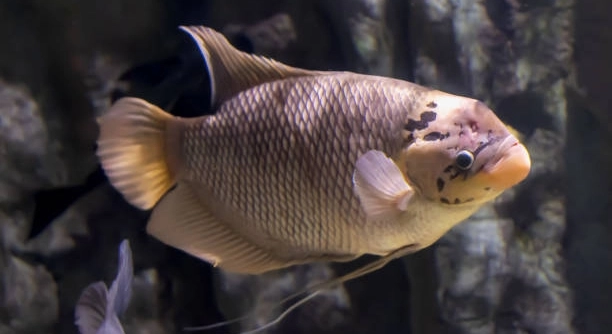
When setting up a tank for your gourami, it’s important to consider the shape of the tank. The type of aquarium can affect their comfort and overall well-being, so understanding their preferences will make your setup more successful.
Gourami fish generally prefer tanks with more horizontal space, such as long tanks, over taller ones. This is because they are surface-oriented swimmers and require sufficient horizontal space for movement. Long tanks provide a better environment for their behavior.
The size and shape of the tank are crucial for the health and happiness of your gourami. Adjusting the setup to suit their preferences will lead to a better experience for both you and your fish.
Why Long Tanks Are Better for Gourami Fish
Gourami fish thrive in environments where they can swim freely across the surface. Long tanks, with their horizontal space, mimic their natural habitat more effectively than taller tanks. When choosing a tank size, remember that these fish prefer to explore the length of the tank. They enjoy moving back and forth along the surface, and having a long tank provides them with the space they need to feel secure.
Having a long tank not only helps with swimming but also makes it easier to manage water parameters like oxygen levels. The greater surface area allows for better gas exchange, benefiting your gourami. This is especially important in preventing stagnant water in the tank, which can lead to poor water quality.
Long tanks also accommodate more plants and decorations, which helps in creating hiding spots for your fish. This encourages natural behaviors like foraging and exploration. By mimicking their natural environment, you create a healthy, enjoyable space for your gourami to thrive.
The Impact of Tall Tanks on Gourami Comfort
Taller tanks aren’t as ideal for gourami fish due to their surface-oriented behavior. In a tall tank, they may feel cramped, limiting their movement.
When placed in a tall tank, gourami fish may feel confined and stressed due to the lack of horizontal swimming space. They might spend more time at the water’s surface, which is not as ideal as being able to freely explore along the length of a tank. This stress can negatively affect their health over time.
Additionally, tall tanks often have issues with oxygen exchange because the surface area is smaller. This can lead to less oxygen reaching your fish, further contributing to their discomfort. Tall tanks also tend to create more water movement, which might make the environment too turbulent for gourami fish, especially those that prefer calmer waters. By avoiding tall tanks and opting for longer ones, you provide your fish with a more suitable environment that promotes healthy growth and behavior.
Tank Size and Shape for Gourami Fish
The size and shape of the tank matter significantly in creating the right environment for gourami fish. Long tanks offer more space for horizontal swimming, which is crucial for their comfort. Tanks that are too tall can make them feel restricted and stressed, affecting their well-being.
When setting up a tank, make sure it has ample surface area. Gourami fish tend to swim close to the top of the tank, so providing a tank with a larger surface allows better water circulation and oxygenation. A tank with proper dimensions ensures a healthier environment for your fish to thrive.
Additionally, the size of the tank will impact how many gourami fish you can keep. Overcrowding is not ideal, as it can lead to stress and competition for swimming space. A larger tank allows for more fish to coexist peacefully, promoting their natural social behavior. When planning your tank setup, consider both the size and shape to meet their needs.
Water Quality Considerations for Gourami Fish
Water quality plays a crucial role in the overall health of gourami fish. They are sensitive to changes in water conditions, so maintaining stable water parameters is essential. Regular water changes and filtration help to prevent the build-up of harmful substances like ammonia and nitrites.
Gourami fish require clean, well-oxygenated water to stay healthy. A long tank not only provides more space but also facilitates better oxygen exchange. Proper filtration and maintaining a consistent temperature will prevent stress, which can lead to disease or poor growth. Regular testing of water quality is key to ensuring a thriving environment.
To keep your gourami fish comfortable, avoid fluctuations in water conditions. Make sure the tank is free from sudden changes in pH, hardness, or temperature. Stable water quality helps reduce the chances of infections and encourages natural behaviors like feeding and breeding.
Tank Setup for Gourami Fish
Setting up the tank properly is crucial to making your gourami fish feel at home. Use plants, rocks, or decorations to provide hiding spots and break up the space. This helps them feel safe and reduces stress.
Avoid placing too many decorations that can crowd the tank. Gourami fish prefer swimming space and may become stressed if the tank is overly cluttered. Arrange decorations to create open areas for them to explore. Live plants also help with water quality, creating a more natural and healthy environment for your fish.
Ideal Tank Temperature for Gourami Fish
Gourami fish prefer warm water, with temperatures between 75°F and 82°F. Keeping the tank at a steady, comfortable temperature is essential for their health.
If the water is too cold, it can slow down their metabolism and make them more susceptible to illness. On the other hand, water that is too warm can increase stress levels and make the fish more prone to diseases. Invest in a reliable heater to maintain stable water conditions, ensuring your gourami stays healthy and active.
Tank Lighting for Gourami Fish
Gourami fish thrive in moderate lighting. Bright lights can stress them out, as they prefer dimmer, natural conditions. Use lighting that simulates their natural habitat.
FAQ
Do gourami fish prefer shallow or deep tanks?
Gourami fish prefer shallow tanks with more surface area rather than deep tanks. They are surface-oriented swimmers, meaning they spend most of their time near the top of the water. A tank with a larger surface area allows better oxygen exchange, which is essential for their health.
How many gourami fish can be kept in one tank?
The number of gourami fish you can keep depends on the size of the tank. A general rule is to allow about 10 gallons of water per adult fish. For example, in a 30-gallon tank, you can comfortably keep up to three gourami fish. However, always consider the type of gourami, as some species are more territorial and may need extra space.
What should the water pH be for gourami fish?
Gourami fish thrive in slightly acidic to neutral water. A pH range of 6.0 to 7.5 is ideal for them. It’s important to regularly test the water to ensure the pH stays within this range. Sudden changes in pH can stress your fish, so consistency is key.
Do gourami fish need a filter?
Yes, gourami fish need a filter in their tank. While they prefer calm waters, a filter helps maintain water quality by removing waste, uneaten food, and toxins. Choose a filter with a gentle flow to avoid creating too much current, which could stress your gourami.
Can gourami fish live with other species?
Gourami fish are generally peaceful, but their compatibility depends on the other species in the tank. They can live with other calm, non-aggressive fish like tetras, barbs, and catfish. Avoid keeping them with overly aggressive or fin-nipping species, as this could lead to stress or injury.
How often should I feed my gourami fish?
Feed your gourami fish 2 to 3 times a day in small amounts. It’s important not to overfeed them, as leftover food can pollute the tank. Offering a variety of foods, such as pellets, flakes, and frozen or live foods, ensures they get all the nutrients they need.
What is the best diet for gourami fish?
Gourami fish are omnivores and enjoy a varied diet. Offer them high-quality pellets or flakes as their base food, supplemented with frozen or live foods like brine shrimp, daphnia, and bloodworms. You can also provide occasional plant matter like spinach or algae wafers.
How can I tell if my gourami fish is stressed?
Signs of stress in gourami fish include reduced activity, hiding, loss of appetite, and rapid breathing. If you notice these symptoms, check the water quality and temperature. Stress can also occur if the tank is overcrowded, or if they are being harassed by other fish.
Do gourami fish breed easily in a tank?
Gourami fish can breed in a tank, but it requires the right conditions. They need a well-planted tank with calm waters and a temperature around 80°F. A separate breeding tank can help reduce the risk of the adult fish eating their eggs. The males build bubble nests to attract females for mating.
What is the lifespan of a gourami fish?
Gourami fish typically live between 4 to 6 years in captivity, but with proper care, some may live longer. Factors that influence their lifespan include water quality, tank size, diet, and overall care. Ensuring a stress-free environment is essential for their longevity.
How do I acclimate new gourami fish to my tank?
To acclimate a new gourami fish, float the bag in the tank for 15 to 20 minutes to match the water temperature. After that, slowly introduce small amounts of tank water into the bag every 5 minutes. After about 30 minutes, gently release the fish into the tank.
Do gourami fish need a heater in the tank?
Yes, gourami fish are tropical species and need a heater to maintain water temperatures between 75°F and 82°F. Without a heater, the temperature in the tank can fluctuate too much, which can stress your fish and lead to health problems. Make sure to use a reliable aquarium heater with a thermostat.
Why is my gourami fish turning dark?
Gourami fish can darken in color due to stress, illness, or poor water quality. If the water temperature or pH is off, they may also change color. Check the water parameters and ensure they are stable. If the darkening persists, it could indicate a health issue, and you may need to consult a veterinarian.
Can I keep multiple male gourami fish together?
It’s not advisable to keep multiple male gourami fish in the same tank. They can become territorial and aggressive toward each other, leading to stress or fighting. If you want to keep multiple gourami fish, consider having a ratio of one male to several females to reduce aggression.
What is the ideal tank size for gourami fish?
The ideal tank size for gourami fish depends on the number and species you keep. As a general rule, each gourami fish requires at least 10 gallons of water. A 30-gallon tank is a good starting point for keeping a small group of gouramis. Larger tanks are better for maintaining stable water conditions.
How can I tell if my gourami fish is sick?
Common signs of illness in gourami fish include faded color, loss of appetite, abnormal swimming, or white spots on their body. If you notice these symptoms, check the water quality and isolate the sick fish to prevent the spread of disease. It’s important to treat sick fish promptly to prevent further complications.
Can gourami fish live in a community tank?
Gourami fish are generally peaceful and can live in a community tank with other calm fish. However, they should not be kept with aggressive species, as they may become stressed. Consider the temperament of the other fish before adding gouramis to your community tank.
Final Thoughts
Setting up the right environment for your gourami fish is essential for their health and well-being. Whether you choose a long or tall tank, the most important factors to consider are water quality, temperature, and tank mates. Gouramis thrive in calm, peaceful conditions, so it’s crucial to create a space that mimics their natural habitat. By paying attention to details like tank size, water parameters, and proper filtration, you can ensure your gourami fish live a happy, healthy life.
Gourami fish are relatively easy to care for, but they do require specific conditions. Providing the correct tank setup, feeding them a balanced diet, and maintaining consistent water quality are the keys to success. Regular water changes, temperature monitoring, and using a reliable filter will keep the tank stable. Remember to observe your fish regularly for signs of stress or illness and take action if needed. A stress-free environment leads to more vibrant, active gourami fish.
Choosing the right tank for your gourami is just the beginning. Long or tall, the tank should be large enough to accommodate your fish comfortably and allow for plenty of swimming space. Along with the right setup, it’s important to consider the compatibility of other fish in the tank. With the proper care, gourami fish can thrive for many years. By following these guidelines, you’ll be well on your way to providing a safe and healthy home for your fish.

Hello,
If you enjoy the content that we create, please consider saying a "Thank You!" by leaving a tip.
Every little bit helps us continue crafting quality advice that supports the health, happiness, and well-being of pets around the world, for pets of all shapes, sizes, and species.
We really appreciate the kindness and support that you show us!